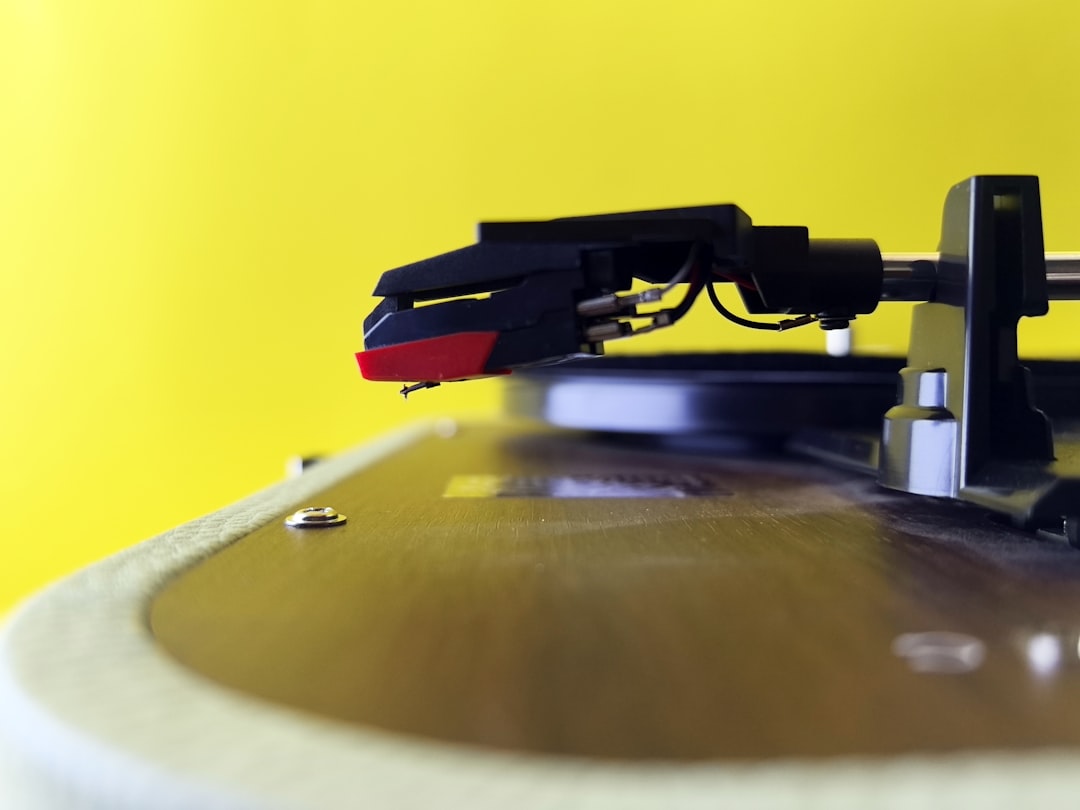
Vinyl records produce sound characteristics that differ from digital formats. The analog playback process captures audio information in a continuous groove, which some listeners perceive as warmer and more detailed than digital reproduction. This perception may result from the harmonic distortion inherent in analog playback, which adds subtle frequency content that digital formats do not reproduce identically.
The surface noise present in vinyl playback—including clicks and pops from dust and groove wear—is an unavoidable byproduct of the medium. While these sounds are technically artifacts rather than intended audio content, many listeners find them acceptable or even desirable as part of the vinyl listening experience. Vinyl playback requires active listener engagement, as the format demands physical interaction with the equipment and does not allow for the convenience features of digital audio.
This ritualistic aspect of vinyl listening may contribute to a more focused listening experience compared to background music consumption. The acoustic properties of vinyl playback, combined with the listener’s intentional engagement with the medium, create a distinct listening environment that some individuals prefer to digital alternatives.
Key Takeaways
- Vinyl records offer a warm, rich sound quality that many listeners prefer.
- Playing vinyl involves a tactile, ritualistic experience that enhances music enjoyment.
- The physicality of vinyl records provides a tangible connection to music.
- Vinyl’s nostalgic value and unique artwork add to its appeal.
- A dedicated community and collectible nature contribute to vinyl’s ongoing resurgence.
The Ritual of Playing a Vinyl Record
Engaging with a vinyl record is more than just pressing play; it’s a ritual that invites you to slow down and savor the moment. As you carefully select a record from your collection, you may feel a sense of anticipation building. The act of removing the record from its sleeve, inspecting it for dust or scratches, and placing it on the turntable becomes a meditative process.
You might find joy in the tactile experience of handling the record, feeling its weight in your hands as you prepare to embark on a musical journey. Once the record is on the turntable, you gently lower the needle, and the first notes begin to play. This moment can feel almost sacred, as if you are participating in a time-honored tradition.
You may find yourself sitting back, closing your eyes, and allowing the music to wash over you. Unlike streaming services that encourage mindless scrolling, playing a vinyl record demands your attention and invites you to be present. This ritualistic approach to music consumption fosters a deeper connection to the art form, transforming listening into an experience that is both intentional and fulfilling. Experience the clarity and depth of sound like never before with high resolution audio.
The Tangibility of Vinyl Records
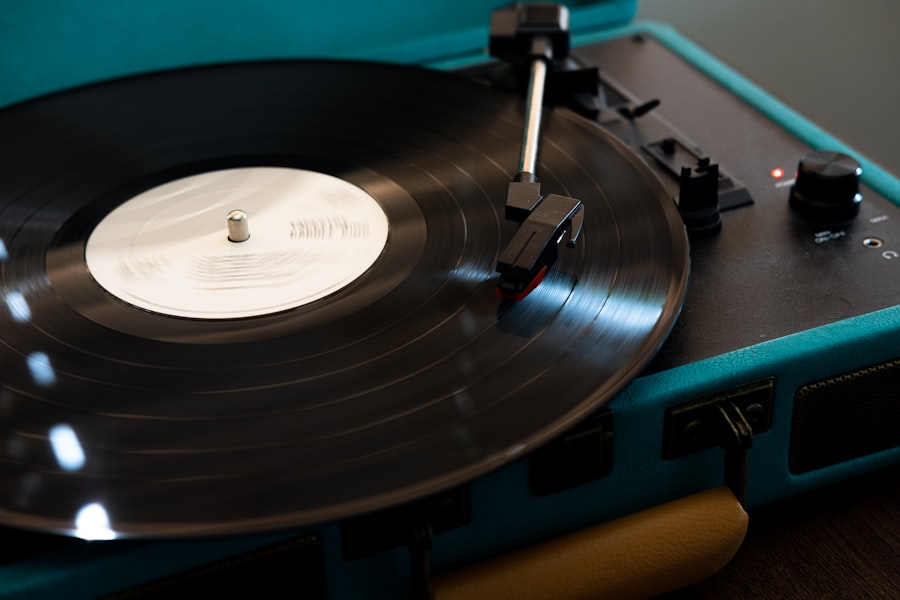
In an age dominated by digital media, the tangible nature of vinyl records offers a refreshing contrast. When you hold a vinyl record in your hands, you are engaging with something physical—something that has weight and presence. This tangibility can enhance your appreciation for the music itself, as you become more aware of the effort that goes into creating each album.
You might find yourself admiring the grooves etched into the surface, marveling at how they translate into sound waves that fill your space. Moreover, the physicality of vinyl extends beyond just the records themselves; it encompasses the entire experience of collecting and storing them. You may take pride in organizing your collection, curating it with care and thoughtfulness.
Each record tells a story, not only through its music but also through its history and condition. This connection to the physical world can deepen your appreciation for music as an art form, reminding you that it is not just a fleeting digital file but something substantial and enduring.
The Nostalgia of Vinyl
Vinyl records have an undeniable ability to evoke nostalgia, transporting you back to moments in time when music was experienced differently. Perhaps you remember flipping through your parents’ record collection as a child or attending concerts where vinyl was the primary medium for artists. These memories can create a powerful emotional connection to the music itself, making each listening session feel like a journey through your own personal history.
As you spin a classic album from decades past, you may find yourself reminiscing about the cultural context in which it was released. The sounds of an era can bring back vivid memories—first loves, road trips with friends, or quiet evenings spent alone with your thoughts. This nostalgia is not just about longing for the past; it’s about celebrating how music has shaped your life and experiences.
Each crackle and pop becomes a reminder of those moments, allowing you to relive them in a way that feels both comforting and profound.
The Artwork and Packaging of Vinyl Records
| Reason | Description | Impact on Listening Experience |
|---|---|---|
| Analog Sound Quality | Vinyl records produce analog sound waves, preserving the original audio signal without digital conversion. | Warmer, richer, and more natural sound preferred by many audiophiles. |
| Dynamic Range | Vinyl can capture a wide dynamic range, though limited by physical constraints. | Provides a sense of depth and presence in music. |
| Tactile Experience | Handling vinyl records and large album artwork offers a physical connection to music. | Enhances emotional engagement and appreciation. |
| Mastering Differences | Vinyl often uses different mastering techniques than digital formats. | Can result in unique sound characteristics and less compression. |
| Listening Ritual | Playing vinyl requires active participation, such as placing the needle and flipping sides. | Encourages focused and intentional listening sessions. |
| Collectibility | Vinyl records are often limited editions or special pressings. | Adds value and personal significance to the music collection. |
| Surface Noise | Vinyl playback includes subtle surface noise and imperfections. | Some audiophiles find this adds character and nostalgia. |
One of the most captivating aspects of vinyl records is their artwork and packaging. Unlike digital albums that often feature small thumbnails, vinyl records offer a canvas for artists to express their creativity on a grand scale. As you pull out an album from its sleeve, you are greeted by vibrant colors, intricate designs, and sometimes even fold-out posters or booklets that enhance the overall experience.
This visual element adds another layer to your connection with the music. You might find yourself studying the album cover while listening, appreciating how it complements or contrasts with the sounds emanating from your speakers. The artwork often reflects the themes and emotions of the music itself, creating a holistic experience that engages both your auditory and visual senses.
In this way, vinyl records become more than just vessels for sound; they transform into works of art that invite contemplation and admiration.
The Limited Edition Appeal of Vinyl
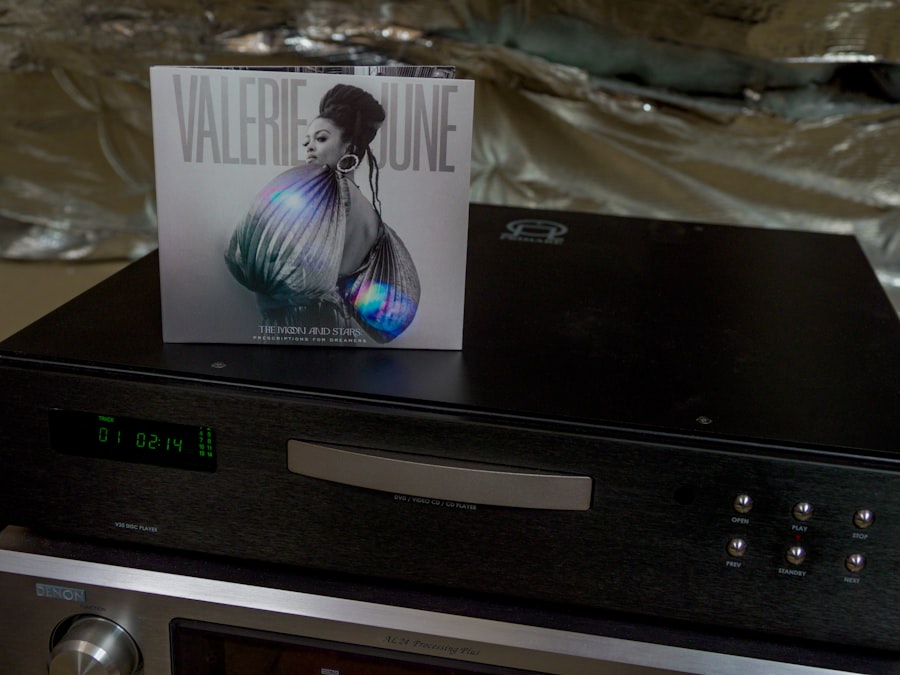
In recent years, limited edition vinyl releases have captured the attention of collectors and casual listeners alike. These special editions often feature unique artwork, colored vinyl, or bonus tracks that make them highly sought after. As you browse through record stores or online marketplaces, you may feel a thrill at discovering a rare pressing or an exclusive release from your favorite artist.
You might find yourself sharing your latest acquisitions with friends or fellow enthusiasts, discussing their rarity and significance within the broader context of music history.
This shared excitement can create bonds with others who appreciate the artistry behind these releases, turning collecting into a communal experience rather than just an individual pursuit.
The Resurgence of Vinyl in Popular Culture
In recent years, vinyl has experienced a remarkable resurgence in popular culture, capturing the attention of both new generations and seasoned collectors. You may have noticed record stores popping up in your neighborhood or major artists releasing their albums on vinyl alongside digital formats. This revival speaks to a growing appreciation for analog sound and the unique experience that vinyl offers.
As more people embrace vinyl as a legitimate medium for music consumption, it has become intertwined with contemporary culture. You might find yourself attending local record fairs or participating in events celebrating vinyl culture. This resurgence is not just about nostalgia; it reflects a broader movement toward valuing authenticity and craftsmanship in an increasingly digital world.
By engaging with vinyl records, you are participating in this cultural shift and contributing to its ongoing evolution.
The Superior Sound Quality of Vinyl
Many audiophiles argue that vinyl offers superior sound quality compared to digital formats, and as you delve deeper into this debate, you may find yourself drawn to its merits. The analog nature of vinyl allows for a dynamic range that can capture subtle details often lost in digital compression. When listening to your favorite albums on vinyl, you might notice how certain instruments stand out more distinctly or how vocals carry an emotional weight that resonates deeply.
This superior sound quality can transform your listening experience into something truly immersive. You may find yourself discovering new layers within familiar songs or appreciating nuances that had previously gone unnoticed. The warmth and richness of vinyl sound can create an emotional connection to the music that transcends mere entertainment—turning each listening session into an exploration of artistry and expression.
The Collectibility of Vinyl Records
Collecting vinyl records has become a passionate hobby for many enthusiasts around the world. As you build your collection, each record becomes more than just an album; it transforms into a piece of history with its own story to tell. You might find joy in hunting for rare pressings or exploring different genres to expand your musical horizons.
This pursuit can lead to unexpected discoveries and connections with artists whose work resonates with you. The thrill of finding a coveted record at a flea market or online auction can be exhilarating. You may feel a sense of accomplishment as you track down elusive titles or complete specific collections.
This aspect of collecting fosters not only personal satisfaction but also camaraderie among fellow collectors who share similar interests. Engaging in discussions about rare finds or trading records can create lasting friendships built on mutual appreciation for music.
The Community of Vinyl Enthusiasts
Being part of the vinyl community can be an enriching experience that enhances your love for music even further. As you connect with fellow enthusiasts—whether through social media groups, local meetups, or record stores—you may discover a wealth of knowledge and shared passion for all things vinyl. These interactions can lead to lively discussions about favorite albums, artists’ influences, or even tips on maintaining your collection.
You might also find inspiration from others’ collections or recommendations for hidden gems waiting to be discovered. This sense of community fosters an environment where everyone’s love for music is celebrated and encouraged. Whether you’re sharing stories about your latest finds or discussing upcoming releases, being part of this community can deepen your appreciation for vinyl records as both an art form and a cultural phenomenon.
The Longevity of Vinyl Records
One of the most compelling aspects of vinyl records is their longevity; they have stood the test of time in ways that many other formats have not. Unlike digital files that can become obsolete due to changing technology or software updates, vinyl records remain tangible artifacts that can be enjoyed for generations to come. As you curate your collection, you may take comfort in knowing that these records will likely outlast many modern formats.
The durability of vinyl also means that it can be passed down through families as cherished heirlooms filled with memories and stories. You might envision sharing your collection with future generations—introducing them to the music that shaped your life while instilling in them an appreciation for analog sound. In this way, vinyl records become more than just musical artifacts; they transform into vessels for preserving memories and connecting across time.
In conclusion, engaging with vinyl records offers an experience that transcends mere music consumption; it invites you into a world rich with warmth, nostalgia, artistry, and community. Whether you’re drawn by the superior sound quality or captivated by the tangible nature of records, there is something undeniably special about this format that continues to resonate with listeners today. As you explore this vibrant culture, you’ll discover not only new sounds but also connections with others who share your passion—a journey worth embarking on for any music lover.
Audiophiles often prefer vinyl for its warm sound and tangible experience, which many believe digital formats cannot replicate. This preference is explored in greater detail in the article on Freaky Science, where the nuances of analog sound quality and the emotional connection to physical media are discussed. For more insights, you can read the full article [here](https://www.freakyscience.com/sample-page/).
WATCH THIS! Can You Really Hear High-Res Audio? 🎶
FAQs
What is vinyl and why is it popular among audiophiles?
Vinyl refers to analog sound storage on vinyl records. Audiophiles prefer vinyl because it offers a warm, rich sound quality that many find more natural and pleasing compared to digital formats.
How does the sound quality of vinyl differ from digital formats?
Vinyl records produce sound through analog grooves, capturing continuous audio waves, whereas digital formats sample audio at discrete intervals. This analog process can result in a fuller, more dynamic sound with subtle nuances that some listeners appreciate.
Do vinyl records have better sound quality than CDs or digital files?
Sound quality is subjective, but many audiophiles argue that vinyl provides a more authentic and immersive listening experience due to its analog nature. However, vinyl can also have surface noise and imperfections that are absent in digital formats.
What equipment is needed to play vinyl records?
To play vinyl, you need a turntable, a phono preamp (sometimes built into the turntable or amplifier), and speakers or headphones. Proper setup and quality components are important for optimal sound.
Are vinyl records more durable than digital formats?
Vinyl records are physical media and can degrade over time due to scratches, dust, and wear from playback. Digital files do not degrade with use but can be lost if not properly backed up.
Why do some audiophiles prefer the tactile experience of vinyl?
Many audiophiles enjoy the physical interaction with vinyl records, including handling the large album art, placing the needle, and the ritualistic nature of playing a record, which enhances their overall listening experience.
Is the preference for vinyl based solely on sound quality?
No, the preference often includes factors like nostalgia, album artwork, the collecting aspect, and the unique listening ritual, in addition to perceived sound quality.
Can vinyl records be digitized for convenience?
Yes, vinyl records can be converted to digital formats using specialized equipment, allowing listeners to enjoy the analog sound with the convenience of digital playback.