
Audio signal processing is the manipulation of sound waves to enhance or modify audio signals. This field encompasses simple adjustments such as volume control as well as complex transformations that fundamentally alter sound characteristics. Audio signals function as data streams that can be analyzed, modified, and synthesized to produce specific auditory results.
Audio signals exist in two primary forms: analog and digital. Analog signals are continuous waves that represent sound in its natural state, while digital signals are discrete samples of these waves converted into binary code for computer processing. This distinction is important because it determines the methods used in audio processing tasks.
Two critical parameters in digital audio are sampling rate and bit depth. The sampling rate refers to how frequently an analog signal is sampled and converted to digital form, measured in hertz (Hz). Common sampling rates include 44.1 kHz for compact discs and 48 kHz for professional audio.
Bit depth indicates the number of bits used to represent each sample and directly affects the dynamic range and signal-to-noise ratio of the audio. Standard bit depths are 16-bit for consumer audio and 24-bit for professional applications. Both parameters significantly influence the quality and fidelity of processed audio.
Experience the clarity and depth of sound like never before with high resolution audio.
Key Takeaways
- Audio signal processing is essential for shaping and enhancing sound in music production and live performances.
- Common techniques include equalization, compression, reverb, and delay, which alter audio characteristics creatively and technically.
- Audio effects vary widely, from subtle enhancements to dramatic transformations, impacting the listener’s experience.
- Understanding the integration of audio processing with digital audio workstations (DAWs) is crucial for modern sound engineering.
- Ethical and legal considerations must be observed to respect intellectual property and ensure responsible use of audio technologies.
The Role of Audio Signal Processing in Music Production
In the realm of music production, audio signal processing serves as a vital tool that shapes the final sound of a track. As a producer or engineer, you will rely on various processing techniques to enhance recordings, balance levels, and create a polished mix. This process often begins with capturing high-quality audio, but it doesn’t end there.
The magic truly happens during the mixing and mastering stages, where you apply effects and adjustments to achieve a cohesive sound. You may find that audio signal processing allows you to manipulate elements such as dynamics, frequency response, and spatial characteristics. For instance, compression can help control the dynamic range of a vocal track, ensuring that softer passages are audible while preventing louder sections from distorting.
Similarly, equalization enables you to sculpt the tonal balance of individual instruments or the overall mix. By mastering these techniques, you can elevate your music production skills and create professional-sounding tracks that resonate with listeners.
Common Techniques and Tools Used in Audio Signal Processing
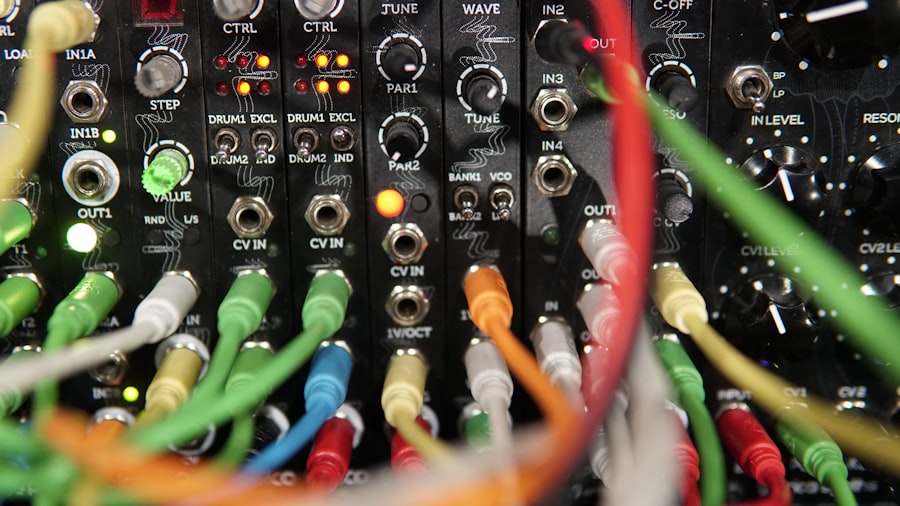
As you explore audio signal processing further, you will encounter a variety of techniques and tools that are essential for achieving your desired sound. Some of the most common techniques include equalization (EQ), compression, reverb, and delay. Each of these tools serves a unique purpose in shaping audio signals.
For example, EQ allows you to boost or cut specific frequency ranges to enhance clarity or remove unwanted resonances. Compression helps manage dynamic range by reducing the volume of louder sounds while raising quieter ones. In addition to these techniques, you will also discover an array of software and hardware tools designed for audio signal processing.
Digital Audio Workstations (DAWs) like Ableton Live, Pro Tools, and Logic Pro offer built-in plugins for various processing tasks. You may also explore external hardware processors such as compressors and equalizers for a more tactile approach. Understanding how to effectively use these tools will empower you to create intricate soundscapes and achieve your artistic vision.
Exploring the Different Types of Audio Effects
Audio effects are an integral part of audio signal processing, allowing you to transform sounds in creative ways.
Common effects include reverb, which simulates the natural reflections of sound in a space; delay, which creates echoes by repeating sounds at set intervals; and distortion, which adds grit and warmth to audio signals.
You might also explore modulation effects such as chorus and flanger, which create a sense of movement and depth by varying pitch and timing. Each effect has its own unique sonic signature and can be used in various contexts to evoke different emotions or atmospheres in your music. By understanding how these effects work and when to apply them, you can enhance your productions and create engaging listening experiences.
How Audio Signal Processing Impacts Sound Quality
| Metric | Description | Typical Value/Range | Unit |
|---|---|---|---|
| Sampling Rate | Number of samples of audio captured per second | 8,000 – 192,000 | Hz |
| Bit Depth | Number of bits used to represent each audio sample | 8 – 32 | bits |
| Frequency Range | Range of frequencies that can be processed or reproduced | 20 – 20,000 | Hz |
| Signal-to-Noise Ratio (SNR) | Ratio of signal power to noise power | 60 – 120 | dB |
| Dynamic Range | Difference between the quietest and loudest sound levels | 90 – 120 | dB |
| Latency | Delay between input and output in processing | 1 – 10 | ms |
| FFT Size | Number of points used in Fast Fourier Transform for frequency analysis | 256 – 8192 | samples |
| Filter Order | Complexity of digital filters used in processing | 1 – 10 | integer |
The impact of audio signal processing on sound quality cannot be overstated. When done correctly, processing can enhance clarity, depth, and overall fidelity in your recordings. However, it’s essential to approach processing with care; over-processing can lead to undesirable artifacts such as distortion or muddiness.
As you refine your skills in audio signal processing, you will learn how to strike a balance between enhancement and preservation. One key aspect of maintaining sound quality is understanding the importance of headroom—the space between the loudest peak in your audio signal and 0 dBFS (decibels relative to full scale). Properly managing headroom during mixing ensures that your tracks remain clean and free from clipping.
Additionally, using high-quality plugins and tools can significantly influence the final sound quality of your productions. By prioritizing sound quality in your processing techniques, you can create professional-grade audio that stands out.
Debunking Myths and Misconceptions about Audio Signal Processing
As you navigate the world of audio signal processing, you may encounter various myths and misconceptions that can cloud your understanding. One common myth is that more processing always leads to better sound quality. In reality, excessive processing can detract from the natural qualities of a recording.
It’s crucial to remember that subtlety often yields more pleasing results than heavy-handed adjustments. Another misconception is that audio signal processing is solely for professionals or those with extensive technical knowledge. While it’s true that mastering these techniques takes time and practice, anyone with a passion for music can learn the basics of audio processing.
With countless resources available online—tutorials, forums, and courses—you have access to a wealth of information that can help demystify the process and empower you to experiment confidently.
The Importance of Audio Signal Processing in Live Sound Reinforcement
In live sound reinforcement, audio signal processing plays a critical role in ensuring that performances are heard clearly and effectively by audiences. As a sound engineer or technician working in live settings, you will rely on various processing techniques to manage sound levels, eliminate feedback, and enhance overall clarity. This involves using tools such as equalizers to tailor the frequency response for different venues and compressors to maintain consistent levels during dynamic performances.
Moreover, real-time processing is essential in live environments where conditions can change rapidly.
Understanding how to effectively use audio signal processing in live situations will not only improve the audience’s experience but also contribute to the success of the performance itself.
The Relationship Between Audio Signal Processing and Digital Audio Workstations
Digital Audio Workstations (DAWs) serve as the backbone for modern audio production and are intrinsically linked to audio signal processing. Within a DAW, you have access to a wide range of tools and plugins that facilitate various processing tasks—from basic editing to complex effects chains. As you become familiar with your chosen DAW, you will discover how its features can streamline your workflow and enhance your creative possibilities.
The integration of audio signal processing within DAWs allows for non-destructive editing, meaning you can experiment with different effects without permanently altering your original recordings. This flexibility encourages exploration and creativity as you refine your sound. Additionally, many DAWs offer automation features that enable you to dynamically adjust parameters over time, adding depth and movement to your mixes.
The Future of Audio Signal Processing Technology
As technology continues to evolve at a rapid pace, so too does the field of audio signal processing. Emerging technologies such as artificial intelligence (AI) are beginning to play a significant role in shaping how we process audio. AI-driven tools can analyze audio signals in real-time, making intelligent adjustments based on learned patterns or user preferences.
This opens up exciting possibilities for both novice producers and seasoned professionals alike. Furthermore, advancements in hardware technology are leading to more powerful processors capable of handling complex algorithms with ease. This means that real-time processing capabilities are becoming increasingly sophisticated, allowing for more intricate effects without compromising performance.
As you look ahead to the future of audio signal processing technology, staying informed about these developments will be crucial for remaining competitive in an ever-evolving industry.
Tips for Beginners in Audio Signal Processing
If you’re just starting out in audio signal processing, there are several tips that can help you build a solid foundation for your skills. First and foremost, take the time to familiarize yourself with your DAW’s interface and features. Understanding how to navigate your software will make it easier for you to experiment with different tools and techniques without feeling overwhelmed.
Additionally, practice is key—don’t hesitate to experiment with various effects on different types of audio tracks. Try applying EQ on vocals one day and compression on drums another day; this hands-on experience will deepen your understanding of how each effect interacts with sound. Finally, seek out online tutorials or communities where you can learn from others’ experiences and share your own progress.
The Ethical and Legal Considerations in Audio Signal Processing
As you delve into audio signal processing, it’s important to be aware of the ethical and legal considerations that accompany this field. One significant aspect is copyright law; when using samples or other artists’ work in your productions, ensure that you have permission or licenses where necessary. Failing to do so could lead to legal repercussions that may hinder your career.
Moreover, ethical considerations extend beyond legality; they encompass respect for artistic integrity as well. When remixing or altering someone else’s work through processing techniques, consider how those changes might affect the original artist’s intent or message. Striving for transparency and respect within the creative community will not only enhance your reputation but also foster collaboration and innovation among artists.
In conclusion, understanding audio signal processing is essential for anyone looking to make their mark in music production or live sound reinforcement. By mastering its fundamentals and exploring its various applications—while remaining mindful of ethical considerations—you can unlock new creative possibilities and elevate your work in this dynamic field.
For those interested in delving deeper into the intricacies of audio signal processing, a related article can be found on Freaky Science. This resource provides a comprehensive overview of the fundamental concepts and techniques used in the field, making it an excellent starting point for both beginners and seasoned professionals. You can read more about it by visiting Freaky Science.
WATCH THIS! Can You Really Hear High-Res Audio? 🎶
FAQs
What is audio signal processing?
Audio signal processing refers to the manipulation and analysis of audio signals using digital or analog techniques to improve, modify, or extract information from sound.
What are the common applications of audio signal processing?
Common applications include noise reduction, audio compression, speech recognition, music synthesis, audio effects, and enhancement in telecommunications and multimedia systems.
What is the difference between analog and digital audio signal processing?
Analog audio signal processing deals with continuous signals using electronic circuits, while digital audio signal processing involves converting audio into digital data and manipulating it using algorithms and software.
What are some typical audio signal processing techniques?
Typical techniques include filtering, equalization, echo and reverb effects, dynamic range compression, Fourier transform analysis, and time-frequency modifications.
Why is Fourier transform important in audio signal processing?
The Fourier transform converts audio signals from the time domain to the frequency domain, allowing analysis and manipulation of the signal’s frequency components, which is essential for many processing tasks.
What role does sampling rate play in digital audio processing?
The sampling rate determines how frequently an audio signal is measured per second. Higher sampling rates capture more detail and higher frequencies, affecting audio quality and processing requirements.
What is audio compression in signal processing?
Audio compression reduces the size of audio data by removing redundant or less perceptible information, enabling efficient storage and transmission without significantly degrading sound quality.
How does noise reduction work in audio signal processing?
Noise reduction techniques identify and suppress unwanted background sounds or interference in an audio signal, improving clarity and intelligibility.
Can audio signal processing be used for speech recognition?
Yes, audio signal processing extracts features from speech signals that are essential for recognizing and interpreting spoken words in speech recognition systems.
What equipment or software is commonly used for audio signal processing?
Common tools include digital audio workstations (DAWs), specialized signal processing software, audio interfaces, and hardware processors like equalizers and compressors.