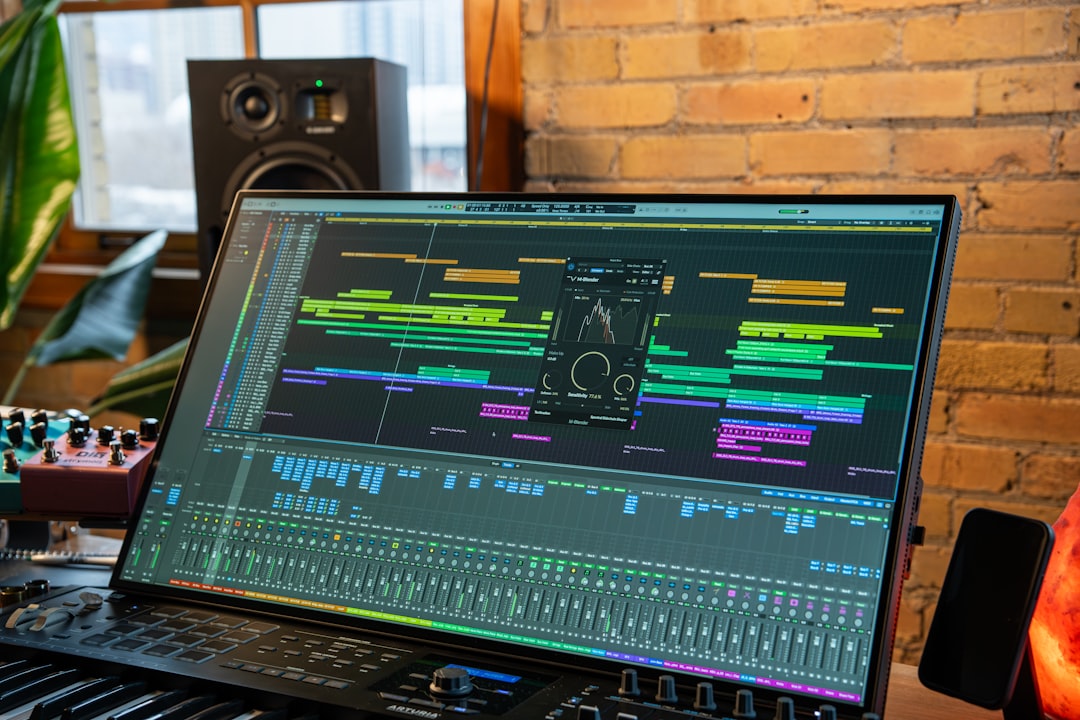
High resolution music refers to audio files with greater detail and fidelity than standard formats. These files use higher sample rates and bit depths, which capture and reproduce sound more accurately. This increased technical specification allows listeners to perceive subtle details and nuances that may be absent in lower quality audio formats.
High resolution audio typically uses sample rates of 96 kHz or higher and bit depths of 24 bits or greater, compared to standard CD quality audio at 44.1 kHz and 16 bits.
The benefits of high resolution music extend beyond technical measurements.
Well-mastered high resolution recordings can convey spatial characteristics of the recording environment, instrumental timbre, and vocal qualities with greater clarity. Listeners may perceive increased detail in complex musical arrangements and instrumental textures that are compressed or filtered out in standard formats. High resolution audio requires compatible playback equipment, including a digital-to-analog converter (DAC) capable of processing higher sample rates and bit depths, as well as appropriate audio files or streaming services that support these specifications.
The listening experience depends on both the quality of the source material and the playback equipment used.
Key Takeaways
- High resolution music requires specialized mastering techniques to preserve audio quality and detail.
- Maintaining dynamic range is crucial to avoid over-compression and retain the music’s natural feel.
- Proper tools and careful frequency response adjustments enhance clarity and overall sound balance.
- Balancing loudness with transparency ensures the music sounds powerful without losing subtle nuances.
- Metadata and format compatibility are essential for delivering a consistent high resolution listening experience.
The Importance of Mastering for High Resolution
Mastering is a crucial step in the music production process, especially when it comes to high resolution audio. It involves taking the final mix of a song and preparing it for distribution, ensuring that it sounds its best across various playback systems. For high resolution music, mastering becomes even more significant because it can make or break the listening experience.
A well-mastered track can highlight the intricacies of the recording, while a poorly mastered one can detract from the quality and enjoyment of the music. When you consider the importance of mastering for high resolution music, think about how it affects not just the sound quality but also the emotional impact of a song. A skilled mastering engineer will carefully balance elements such as dynamics, frequency response, and stereo imaging to create a cohesive and polished final product.
This attention to detail ensures that every note and nuance is preserved, allowing you to fully immerse yourself in the music. As a listener, you may find that high resolution tracks that have been expertly mastered resonate with you on a deeper level, enhancing your overall experience. Experience the clarity and depth of sound like never before with high resolution audio.
Choosing the Right Tools for High Resolution Mastering
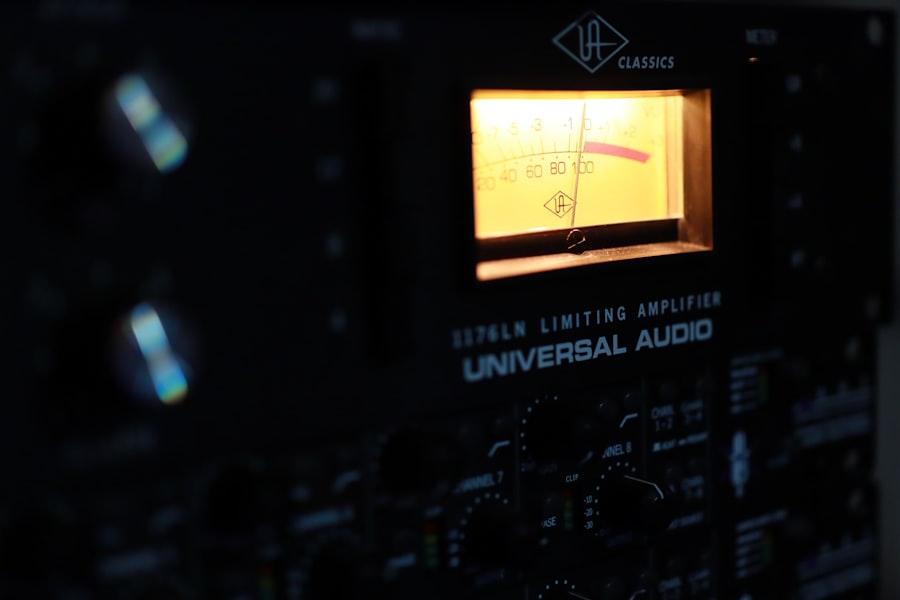
Selecting the appropriate tools for high resolution mastering is essential for achieving optimal results. The right software and hardware can significantly impact the quality of your final product. Digital audio workstations (DAWs) equipped with high-quality plugins are often used for mastering, as they provide a range of tools for equalization, compression, and limiting.
When choosing your tools, consider those that are specifically designed for high resolution audio, as they will offer greater precision and fidelity. In addition to software, investing in high-quality monitoring equipment is vital for mastering high resolution music. Accurate studio monitors and headphones will allow you to hear subtle details in your mix, ensuring that your mastering decisions are informed by what you actually hear.
You may also want to consider using specialized mastering hardware, such as analog compressors or equalizers, which can add warmth and character to your sound. By carefully selecting your tools, you can create a mastering environment that supports your artistic vision and helps you achieve the best possible results.
Techniques for Mastering High Resolution Music
Mastering high resolution music requires a combination of technical skills and artistic sensibility. One effective technique is to use equalization to enhance the tonal balance of your track. By carefully adjusting frequency ranges, you can bring out the best in each element of the mix while ensuring that nothing sounds overly harsh or muddy.
This process often involves subtle adjustments rather than drastic changes, as high resolution audio allows for greater precision in your edits. Another important technique in high resolution mastering is dynamic processing. This involves using compressors and limiters to control the dynamic range of your track without sacrificing its natural feel.
In high resolution music, maintaining a sense of dynamics is crucial; overly compressed tracks can sound lifeless and flat. Instead, aim for a balanced approach that preserves the energy and emotion of the performance while ensuring that it translates well across different playback systems. By employing these techniques thoughtfully, you can create a master that truly showcases the beauty of high resolution audio.
Maintaining Dynamic Range in High Resolution Mastering
| Metric | Description | Recommended Value/Range | Notes |
|---|---|---|---|
| Sample Rate | Number of samples per second in audio | 96 kHz or 192 kHz | Higher sample rates capture more detail for high-res audio |
| Bit Depth | Number of bits used per sample | 24-bit or 32-bit float | Higher bit depth provides greater dynamic range and lower noise |
| Dynamic Range | Difference between the quietest and loudest parts | 90 dB or higher | Maintains clarity and detail in high-res mastering |
| Frequency Response | Range of frequencies accurately reproduced | 20 Hz to 40 kHz | Extends beyond human hearing to preserve audio fidelity |
| Headroom | Space between peak levels and 0 dBFS | 3 to 6 dB | Prevents clipping and distortion during mastering |
| Loudness (LUFS) | Perceived loudness level | -14 to -10 LUFS | Maintains dynamic integrity without excessive compression |
| Noise Floor | Background noise level | -90 dB or lower | Ensures clean and clear high-resolution audio |
| Mastering Format | File format for final master | WAV or FLAC (lossless) | Preserves high-resolution quality without compression artifacts |
Dynamic range refers to the difference between the quietest and loudest parts of an audio signal. In high resolution mastering, maintaining an appropriate dynamic range is essential for preserving the emotional impact of a track. When you listen to music with a wide dynamic range, you can experience the full spectrum of sound—from soft whispers to powerful crescendos—which adds depth and richness to your listening experience.
As a mastering engineer or producer, your goal should be to strike a balance between loudness and dynamics. To maintain dynamic range in high resolution mastering, consider using gentle compression techniques that allow for peaks while controlling overall levels. This approach helps retain the natural ebb and flow of the music without squashing its energy.
Additionally, pay attention to how your track translates across different playback systems; what sounds great on studio monitors may not have the same impact on consumer speakers or headphones. By prioritizing dynamic range in your mastering process, you can create a more engaging listening experience that resonates with your audience.
Addressing Frequency Response in High Resolution Mastering
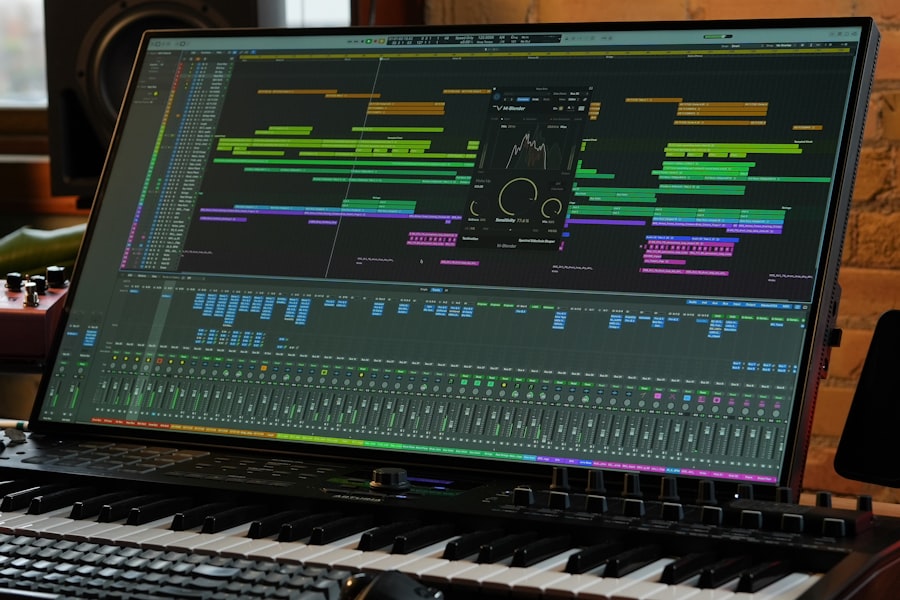
Frequency response is another critical aspect of high resolution mastering that directly influences how your music is perceived. It refers to how accurately an audio system reproduces different frequencies within a given range. In high resolution audio, achieving an even frequency response is vital for ensuring clarity and balance throughout your mix.
As you master your tracks, take time to analyze their frequency response using spectrum analyzers or other tools to identify any problematic areas. When addressing frequency response in high resolution mastering, consider using equalization strategically to correct any imbalances. For instance, if certain frequencies are overly pronounced or lacking, subtle adjustments can help create a more balanced sound.
Additionally, be mindful of how different elements interact within the mix; sometimes, cutting frequencies from one instrument can allow another to shine through more clearly. By carefully addressing frequency response during mastering, you can enhance the overall quality of your high resolution music.
Tips for Achieving Clarity and Detail in High Resolution Mastering
Achieving clarity and detail in high resolution mastering is essential for creating an engaging listening experience. One effective tip is to focus on stereo imaging; by carefully placing elements within the stereo field, you can create a sense of space and separation that enhances clarity. Experiment with panning instruments and vocals to find an arrangement that allows each element to be heard distinctly without competing for attention.
Another important aspect of achieving clarity is ensuring that your mix is well-balanced before entering the mastering stage. Take time to address any muddiness or clutter in your mix by cleaning up low-end frequencies or adjusting levels as needed. A clean mix will translate better into a polished master, allowing all elements to shine through clearly.
Additionally, consider using subtle harmonic enhancement tools during mastering to add richness without compromising clarity; this can help bring out details that might otherwise be lost in lower quality formats.
Balancing Loudness and Transparency in High Resolution Mastering
In today’s music landscape, loudness has become a significant concern for many producers and engineers. However, when it comes to high resolution mastering, it’s crucial to strike a balance between loudness and transparency. While you may want your track to stand out in terms of volume, excessive loudness can lead to distortion and loss of detail—especially in high resolution formats where clarity is paramount.
To achieve this balance, consider using limiting judiciously during the mastering process. Instead of pushing levels to their absolute maximum, aim for a loudness level that maintains transparency while still being competitive with other tracks in your genre. This approach allows listeners to enjoy the full dynamic range of your music without sacrificing quality or detail.
By prioritizing both loudness and transparency in your mastering process, you can create tracks that resonate with audiences while preserving their artistic integrity.
Ensuring Compatibility with Various High Resolution Formats
As you master high resolution music, it’s essential to consider compatibility with various playback formats. Different platforms may have specific requirements regarding sample rates and bit depths; therefore, understanding these specifications will help ensure that your music sounds its best across all devices. For instance, some streaming services may downsample high resolution files for playback on mobile devices or lower-quality systems.
To ensure compatibility with various formats during mastering, consider creating multiple versions of your track tailored for specific platforms or uses. This might involve downsampling higher-resolution files while maintaining quality through careful processing techniques. Additionally, always test your masters on different playback systems—such as headphones, studio monitors, and consumer speakers—to gauge how they translate across various environments.
By taking these steps, you can ensure that your high resolution music reaches listeners in its best possible form.
The Role of Metadata in High Resolution Mastering
Metadata plays an important role in high resolution music by providing essential information about each track—such as artist name, album title, genre tags, and more—that enhances user experience during playback. Properly embedding metadata into your masters ensures that listeners have access to relevant information about the music they are enjoying while also helping platforms organize content effectively. When preparing metadata for high resolution masters, take care to include all necessary details accurately; this includes not only basic information but also credits for producers or collaborators involved in creating the track.
Additionally, consider adding artwork or cover images where applicable; this visual element can enhance engagement with listeners while providing context for your music. By paying attention to metadata during mastering processes, you contribute positively toward how audiences interact with your work.
Common Mistakes to Avoid in High Resolution Mastering
As you navigate the world of high resolution mastering, it’s important to be aware of common pitfalls that could compromise your final product’s quality. One frequent mistake is over-compressing tracks in an attempt to achieve loudness; this often leads to loss of dynamics and detail—two key elements that make high resolution music so appealing in the first place. Another common error is neglecting proper monitoring during the mastering process; without accurate monitoring equipment or an untreated room environment, it becomes challenging to make informed decisions about frequency balance or dynamics effectively.
To avoid these mistakes—and ensure successful outcomes—always prioritize careful listening practices while remaining mindful about maintaining artistic integrity throughout each stage of production. By understanding these aspects of high resolution music production—from mastering techniques through metadata management—you’ll be better equipped not only as an engineer but also as an artist seeking excellence within this evolving landscape!
For those looking to enhance their skills in mastering music for high resolution, a great resource is the article available at Freaky Science. This article delves into various techniques and tips that can help you achieve a polished and professional sound, ensuring that your music translates well across different playback systems. Whether you’re a beginner or an experienced audio engineer, the insights provided can significantly elevate your mastering process.
WATCH THIS! Can You Really Hear High-Res Audio? 🎶
FAQs
What is mastering in music production?
Mastering is the final step in music production where the mixed audio is polished and optimized for distribution. It involves adjusting levels, equalization, compression, and other effects to ensure the track sounds balanced and professional across all playback systems.
What does high resolution mean in the context of music?
High resolution in music refers to audio files that have a higher sampling rate and bit depth than standard CD quality (44.1 kHz/16-bit). Common high-resolution formats include 96 kHz/24-bit or 192 kHz/24-bit, which provide greater detail and dynamic range.
Why is mastering important for high-resolution music?
Mastering high-resolution music ensures that the increased audio quality is preserved and enhanced. Proper mastering can maximize the clarity, depth, and dynamic range of high-resolution files, making the listening experience more immersive and true to the original recording.
What tools are commonly used for mastering high-resolution music?
Engineers use digital audio workstations (DAWs) with high-quality plugins for equalization, compression, limiting, and stereo enhancement. Specialized hardware and software that support high sample rates and bit depths are also essential to maintain audio fidelity during mastering.
Can mastering improve the sound quality of low-resolution audio?
While mastering can enhance the overall sound of low-resolution audio by balancing frequencies and dynamics, it cannot add detail that was not captured in the original recording. High-resolution mastering works best when the source audio is recorded and mixed at high resolution.
Is high-resolution music compatible with all playback devices?
Not all playback devices support high-resolution audio formats. However, many modern devices and streaming platforms are increasingly compatible with high-resolution files. Mastering engineers often create multiple versions of a track to ensure compatibility across different systems.
How does mastering affect the loudness of a high-resolution track?
Mastering balances loudness with dynamic range to avoid distortion and listener fatigue. High-resolution mastering allows for greater dynamic range, so engineers can achieve loudness without sacrificing audio quality.
Are there specific file formats used for high-resolution mastered music?
Yes, common high-resolution audio formats include FLAC, WAV, AIFF, and DSD. These formats support higher bit depths and sampling rates, preserving the quality achieved during mastering.
Can I master high-resolution music at home?
Yes, with the right equipment and software, mastering high-resolution music at home is possible. However, it requires a good understanding of audio engineering principles and a well-treated listening environment to achieve professional results.
What are the benefits of mastering music in high resolution?
Mastering in high resolution provides improved clarity, detail, and dynamic range. It allows the music to sound more natural and immersive, especially on high-quality playback systems, enhancing the overall listening experience.