
The history of high fidelity music spans over a century and reflects technological innovation and changing consumer demands. The phonograph, introduced in the early 20th century, fundamentally transformed music consumption by enabling recorded playback. Early recordings were characterized by significant audio distortion and limited frequency response.
The development of magnetic tape recording and stereo sound technology in the 1950s substantially improved audio quality and created a more immersive listening experience. The 1970s and 1980s represented critical periods in high fidelity development.
CDs utilized digital encoding to reproduce audio with minimal distortion. The subsequent emergence of digital formats, including MP3s and streaming services, dramatically increased music accessibility and convenience. These compressed digital formats, however, sacrificed audio fidelity to reduce file sizes and bandwidth requirements.
This trade-off prompted renewed consumer interest in high fidelity audio systems designed to preserve sound quality and reproduce music with greater accuracy.
Key Takeaways
- High fidelity (hi-fi) music aims to reproduce sound as accurately and naturally as possible.
- Advances in technology have significantly improved the quality and accessibility of hi-fi audio.
- Hi-fi enhances the listening experience by delivering clearer, richer, and more detailed sound.
- Common myths about hi-fi, such as it being only for audiophiles, are debunked to show its broader appeal.
- Investing in high fidelity systems benefits both casual listeners and professionals by elevating music enjoyment and production quality.
Understanding the Concept of High Fidelity
High fidelity, often abbreviated as hi-fi, refers to the reproduction of sound that is as faithful as possible to the original recording. When you think about high fidelity, consider it as an audio experience that captures every nuance and detail of a performance. This concept is rooted in the desire to recreate music in a way that feels authentic and true to life.
You might find it interesting that high fidelity systems aim to minimize distortion and noise, allowing you to hear music in its purest form. To fully grasp high fidelity, it’s essential to understand its technical aspects. High fidelity systems typically include high-quality speakers, amplifiers, and source components that work together to produce sound with exceptional clarity and depth.
You may have noticed that audiophiles often invest in premium cables and components, believing that every element contributes to the overall listening experience. This meticulous attention to detail is what sets high fidelity apart from standard audio systems, making it a pursuit for those who truly appreciate music. Experience the clarity and depth of [high resolution audio] like never before.
The Importance of High Fidelity in Music
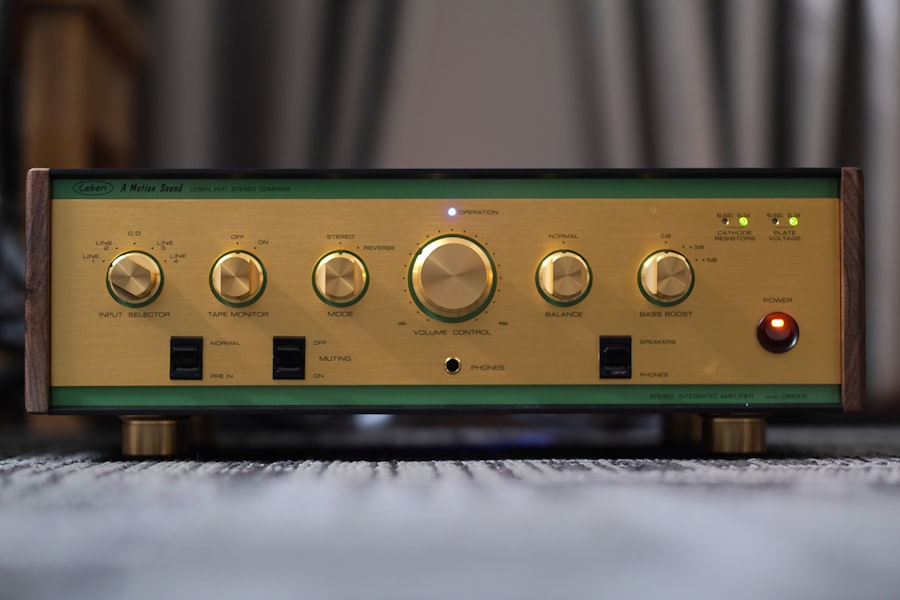
The significance of high fidelity in music cannot be overstated.
High fidelity allows you to connect with the music on a deeper level, enhancing your appreciation for the nuances that might otherwise go unnoticed.
You may find that certain instruments stand out more clearly or that vocal performances resonate with greater emotional weight when experienced in high fidelity. Moreover, high fidelity plays a crucial role in preserving the integrity of musical works. As an avid listener, you likely want to hear music as the artist intended it to be heard.
High fidelity systems strive to maintain the original dynamics and tonal balance of recordings, ensuring that you receive an authentic representation of the music. This commitment to quality not only enriches your listening experience but also honors the hard work and creativity of musicians and producers alike.
Debunking Common Myths About High Fidelity
Despite its growing popularity, several myths about high fidelity persist in public discourse. One common misconception is that high fidelity systems are only for audiophiles or those with deep pockets. While it’s true that some high-end equipment can be expensive, there are many affordable options available that still deliver impressive sound quality.
You might be surprised to learn that even entry-level hi-fi systems can provide a significant upgrade over standard audio setups, making high fidelity accessible to a broader audience. Another myth is that high fidelity is only relevant for certain genres of music. You may have heard people claim that classical or jazz music benefits most from high fidelity systems, while other genres do not require such precision.
However, this notion overlooks the fact that every genre has its unique characteristics and intricacies. Whether you’re listening to rock, pop, or electronic music, high fidelity can enhance your experience by revealing layers of sound that contribute to the overall composition.
How High Fidelity Enhances the Listening Experience
| Aspect | Description | Common Misconceptions | Reality |
|---|---|---|---|
| Audio Quality | High fidelity (Hi-Fi) aims to reproduce sound as accurately as possible to the original recording. | Hi-Fi always means perfect sound with no distortion or loss. | While Hi-Fi systems reduce distortion and noise, perfect reproduction is limited by equipment and recording quality. |
| Frequency Response | Hi-Fi systems typically cover a wide frequency range (20 Hz to 20 kHz) to capture all audible sounds. | Wider frequency range always means better sound. | Human hearing is limited; frequencies beyond this range have minimal impact on perceived sound quality. |
| Bit Depth & Sample Rate | Digital Hi-Fi uses higher bit depths (24-bit) and sample rates (96 kHz or higher) for better sound resolution. | Higher bit depth and sample rate always result in audible improvements. | Most listeners cannot distinguish beyond 16-bit/44.1 kHz in typical listening environments. |
| Equipment Quality | Speakers, amplifiers, and DACs affect the overall Hi-Fi experience. | Expensive equipment always guarantees better sound. | Proper matching and room acoustics often matter more than price alone. |
| Source Material | High-quality recordings and formats (lossless audio) are essential for true Hi-Fi. | All digital formats sound the same. | Lossy formats (MP3, AAC) lose audio details, affecting fidelity. |
| Listening Environment | Room acoustics and speaker placement influence sound perception. | Hi-Fi sound depends only on equipment. | Environment plays a critical role in achieving true high fidelity sound. |
When you immerse yourself in high fidelity music, you enter a realm where sound becomes an experience rather than just background noise. The clarity and detail provided by high fidelity systems allow you to hear subtle elements in recordings that might otherwise be lost in lower-quality formats. For instance, you may notice the gentle strumming of a guitar or the soft breath of a vocalist, adding depth and richness to your listening experience.
Additionally, high fidelity can create a sense of space and dimension in music. You might find yourself feeling as though you are sitting in the front row of a concert hall or right in the middle of a recording studio. This immersive quality can transform your relationship with music, making each listening session feel like a unique event.
As you explore different genres and recordings, you’ll likely discover new layers of appreciation for artists’ work and creativity.
The Role of Technology in High Fidelity Music
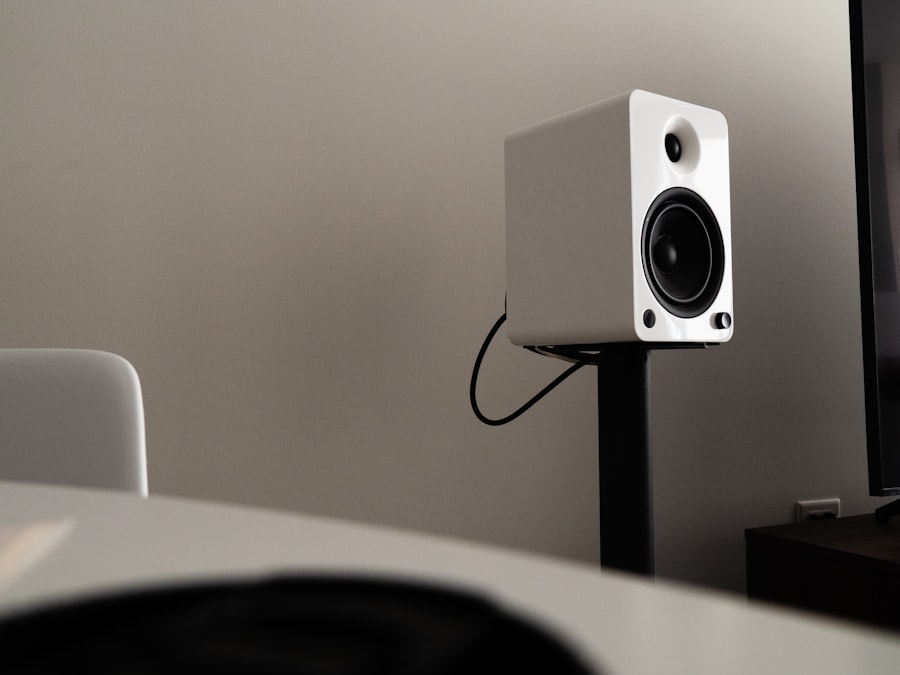
Technology has played an instrumental role in shaping the landscape of high fidelity music. From advancements in recording techniques to innovations in playback equipment, each development has contributed to enhancing sound quality. You may be familiar with digital audio converters (DACs), which have become essential components in modern hi-fi systems.
These devices convert digital audio signals into analog signals with remarkable accuracy, ensuring that you receive pristine sound quality. Moreover, streaming technology has evolved significantly over recent years, allowing for higher resolution audio formats that cater to high fidelity enthusiasts. Services like Tidal and Qobuz offer lossless audio streaming options that preserve the integrity of recordings while providing convenience.
As you explore these platforms, you’ll find that they open up new possibilities for discovering and enjoying high fidelity music from around the world.
Tips for Achieving High Fidelity in Your Music Setup
Creating a high fidelity music setup doesn’t have to be an overwhelming task; with some thoughtful planning and consideration, you can achieve impressive results. First and foremost, invest in quality components that suit your needs and budget. You might start with a good pair of speakers or headphones that are known for their clarity and accuracy.
Researching reviews and seeking recommendations from fellow enthusiasts can help guide your choices. Another essential aspect is proper placement and setup of your audio equipment. You may not realize it, but speaker positioning can significantly impact sound quality.
Experimenting with different placements can help you find the sweet spot where sound is balanced and immersive. Additionally, consider investing in acoustic treatments for your listening space; even simple adjustments like adding rugs or curtains can help reduce unwanted reflections and improve overall sound quality.
Exploring the Different Formats of High Fidelity Music
High fidelity music comes in various formats, each offering unique characteristics and advantages. Vinyl records have made a remarkable comeback in recent years, celebrated for their warm sound and tactile experience. You may enjoy the ritual of placing a record on a turntable and listening to it from start to finish—a practice that encourages mindfulness and appreciation for the art form.
On the other hand, digital formats like FLAC (Free Lossless Audio Codec) provide lossless compression without sacrificing quality. This means you can enjoy high-resolution audio files on your digital devices without compromising sound integrity. As you explore these different formats, consider what resonates with you personally; whether it’s the nostalgia of vinyl or the convenience of digital files, each format offers its own unique listening experience.
The Impact of High Fidelity on Music Production
High fidelity not only enhances your listening experience but also plays a crucial role in music production itself. Producers and engineers rely on high-quality monitoring systems to ensure that recordings translate well across various playback devices. When you think about it, achieving a polished final product requires meticulous attention to detail—something that high fidelity systems facilitate by providing accurate representations of sound.
As an aspiring musician or producer, understanding high fidelity principles can significantly impact your work. You may find that investing in quality monitoring equipment allows you to make more informed decisions during mixing and mastering processes. This commitment to excellence ultimately leads to better-sounding recordings that resonate with listeners on multiple levels.
High Fidelity Music and the Future of Audio Technology
Looking ahead, the future of high fidelity music appears promising as technology continues to evolve at an unprecedented pace. Innovations such as spatial audio and immersive sound experiences are gaining traction, offering listeners new ways to engage with their favorite tracks. You might be intrigued by how these advancements could transform traditional listening experiences into something more dynamic and interactive.
Moreover, as consumer demand for high-quality audio grows, manufacturers are likely to respond by developing even more sophisticated equipment tailored for audiophiles and casual listeners alike. The integration of artificial intelligence into audio technology could also lead to personalized listening experiences that adapt based on individual preferences—an exciting prospect for anyone passionate about music.
The Benefits of Investing in High Fidelity Music Systems
Investing in a high fidelity music system offers numerous benefits beyond just superior sound quality. For one, it fosters a deeper connection with music—transforming casual listening into an immersive experience that engages your senses fully. You may find yourself discovering new layers within familiar songs or appreciating nuances you had previously overlooked.
Additionally, owning a high fidelity system can enhance your overall enjoyment of various media forms beyond just music; movies and video games also benefit from improved audio quality. As you explore different genres and formats within your setup, you’ll likely find yourself drawn into stories and experiences like never before—making every moment spent with your system worthwhile. In conclusion, embracing high fidelity music opens up a world rich with possibilities for exploration and enjoyment.
Whether you’re an avid listener or an aspiring producer, understanding its evolution, importance, and potential will undoubtedly enhance your relationship with sound for years to come.
For those interested in exploring the nuances of high fidelity music, a related article that delves into the science behind sound quality can be found at Freaky Science. This resource provides insights into the technical aspects of audio fidelity, helping readers understand what truly defines high-quality sound and how it impacts the listening experience.
WATCH THIS! Can You Really Hear High-Res Audio? 🎶
FAQs
What is high fidelity music?
High fidelity music, often abbreviated as hi-fi, refers to sound reproduction that is very faithful to the original recording, with minimal distortion and noise. It aims to provide listeners with a clear, accurate, and immersive audio experience.
How does high fidelity music differ from standard audio?
High fidelity music typically offers higher sound quality through better equipment, higher resolution audio files, and superior recording techniques. Standard audio may have more compression, lower bit rates, and less attention to detail, resulting in reduced sound clarity and depth.
Does high fidelity music require special equipment?
Yes, to fully appreciate high fidelity music, listeners often use specialized audio equipment such as high-quality speakers, headphones, amplifiers, and digital-to-analog converters (DACs). These components help reproduce sound more accurately.
Is high fidelity music only available in physical formats like vinyl or CDs?
No, high fidelity music is available in both physical formats (vinyl records, CDs) and digital formats. Many streaming services and digital stores offer high-resolution audio files that meet hi-fi standards.
Can anyone hear the difference between high fidelity and standard audio?
The ability to discern differences in audio quality varies among individuals and depends on factors such as hearing acuity, listening environment, and equipment used. Some people may notice significant improvements, while others may find the differences subtle.
Is high fidelity music more expensive than standard audio?
High fidelity music and the equipment used to play it can be more costly due to the need for higher quality components and production processes. However, there are affordable options available that still provide improved sound quality over standard audio.
Does high fidelity music guarantee a better listening experience?
While high fidelity music offers the potential for superior sound quality, the overall listening experience also depends on personal preferences, the quality of the recording, and the playback environment. High fidelity is one factor among many that contribute to enjoyment.
Are streaming services offering high fidelity music?
Yes, several streaming platforms provide high fidelity or lossless audio streaming options, allowing users to listen to music with better sound quality than standard compressed formats.
What formats are considered high fidelity audio?
Common high fidelity audio formats include FLAC (Free Lossless Audio Codec), ALAC (Apple Lossless Audio Codec), WAV, and DSD (Direct Stream Digital). These formats preserve more audio detail compared to compressed formats like MP3 or AAC.
Is vinyl considered high fidelity?
Vinyl records are often associated with high fidelity due to their analog nature and warm sound characteristics. However, the fidelity of vinyl depends on factors such as pressing quality, playback equipment, and record condition.