# The Evolution of Audio Technology
Audio technology has developed significantly over more than one hundred years, characterized by continuous innovation and advancement. Sound recording originated with basic devices such as the phonograph, which Thomas Edison invented in 1877. This early apparatus recorded sound onto tinfoil cylinders, representing a substantial difference from modern audio systems.
The progression of audio technology has been propelled by consistent efforts to improve sound quality, enhance user convenience, and increase accessibility. Vinyl records emerged in the 1940s, followed by magnetic tape technology in the 1950s. Each of these developments built upon previous innovations, establishing a comprehensive history of audio advancement.
Technological improvements in audio have affected both music consumption and music production. The shift from analog to digital formats during the late twentieth century represented a major transition point in audio history. Digital audio technology enabled accurate sound reproduction and simplified distribution methods, transforming how people access and consume music.
The field has evolved from a straightforward sound capture method into a sophisticated combination of hardware and software systems. These systems now allow musicians and audio engineers to produce and distribute their work through methods that were previously unavailable.
Key Takeaways
- Audio technology has evolved from analog to digital formats, transforming how we experience sound.
- Digital audio offers convenience and accessibility, becoming dominant in modern music consumption.
- Analog sound maintains a nostalgic appeal and is valued for its unique audio qualities.
- The music industry and recording studios have been significantly impacted by digital audio advancements.
- Ongoing debates focus on sound quality, authenticity, and the future direction of audio technology.
The Rise of Digital Audio
Digital audio emerged as a revolutionary force in the music industry during the late 20th century. You might recall how compact discs (CDs) became the dominant format in the 1980s, offering a level of sound clarity and durability that vinyl records could not match. The introduction of digital audio workstations (DAWs) further transformed music production, allowing artists to record, edit, and mix their tracks with unprecedented precision.
This shift not only democratized music creation but also opened up new avenues for experimentation and innovation.
With the advent of the internet and streaming services, digital audio has become more accessible than ever.
You may find it fascinating that platforms like Spotify and Apple Music have revolutionized how you discover and enjoy music. No longer confined to physical media, you can now access millions of songs at your fingertips. This convenience has changed your listening habits, allowing you to explore diverse genres and artists with ease.
However, this shift has also raised questions about ownership and value in an age where music is often consumed as a service rather than a product. Experience the clarity and depth of [high resolution audio] like never before.
The Enduring Appeal of Analog Sound
Despite the rise of digital audio, there remains a steadfast appreciation for analog sound among audiophiles and musicians alike. You might be drawn to the warmth and richness that analog formats like vinyl records and tape provide. Many enthusiasts argue that analog recordings capture nuances and subtleties that digital formats can sometimes overlook.
This allure is not merely about sound quality; it’s also about the tactile experience of handling records or reels, which adds a layer of intimacy to music listening that digital formats often lack. As you explore this enduring appeal, consider how analog sound evokes a sense of nostalgia for many listeners. The crackle of a vinyl record or the hiss of a tape can transport you back to simpler times, creating a connection to the past that digital formats struggle to replicate.
This emotional resonance is part of what keeps analog alive in an increasingly digital world. You may find yourself drawn to the ritual of playing a record or the craftsmanship involved in analog recording techniques, which can feel more authentic than their digital counterparts.
The Debate Over Sound Quality
The debate over sound quality between analog and digital formats is one that continues to spark passionate discussions among music lovers. You may have encountered arguments from both sides, with analog proponents praising its warmth and depth while digital advocates tout its clarity and precision. This dichotomy raises important questions about what constitutes “better” sound quality.
As you ponder this question, you might realize that personal preference plays a significant role in shaping your views on sound quality. Moreover, advancements in digital technology have led to high-resolution audio formats that aim to bridge the gap between analog warmth and digital clarity.
You may be intrigued by how formats like FLAC (Free Lossless Audio Codec) offer lossless compression, allowing for high-quality playback without sacrificing file size. This evolution suggests that while the debate over sound quality may never be fully resolved, there are ongoing efforts to enhance the listening experience across both analog and digital platforms.
The Convenience of Digital Audio
| Aspect | Digital Audio | Analog Sound |
|---|---|---|
| Signal Type | Discrete (binary data) | Continuous waveforms |
| Sound Quality | High fidelity, less noise, can be lossless | Warm, natural, but prone to noise and distortion |
| Dynamic Range | Typically 90-120 dB depending on bit depth | Typically 60-80 dB |
| Frequency Response | Up to 20 kHz or higher, limited by sampling rate | Up to 20 kHz or more, limited by equipment |
| Storage | Requires digital storage media (hard drives, CDs) | Stored on physical media (vinyl, tapes) |
| Editing | Easy, non-destructive, precise editing possible | Difficult, destructive, requires physical manipulation |
| Noise and Distortion | Minimal, can be eliminated with error correction | More susceptible to hiss, hum, and wear |
| Latency | Can introduce latency due to processing | Minimal latency, real-time signal |
| Compatibility | Requires compatible digital devices and formats | Playable on analog equipment without conversion |
One undeniable advantage of digital audio is its convenience. You likely appreciate how easy it is to access your favorite songs from anywhere at any time through your smartphone or computer. Digital audio allows for instant gratification; with just a few clicks, you can create playlists, discover new artists, and share music with friends.
This level of accessibility has transformed your relationship with music, making it an integral part of your daily life. Additionally, digital audio has streamlined the process for artists and producers alike. You may find it fascinating how musicians can now record and distribute their work without needing a traditional record label.
Independent artists can reach global audiences through platforms like Bandcamp or SoundCloud, allowing for greater creative freedom and financial control. This shift has not only democratized music production but has also fostered a diverse array of voices in the industry.
The Nostalgia of Analog Equipment
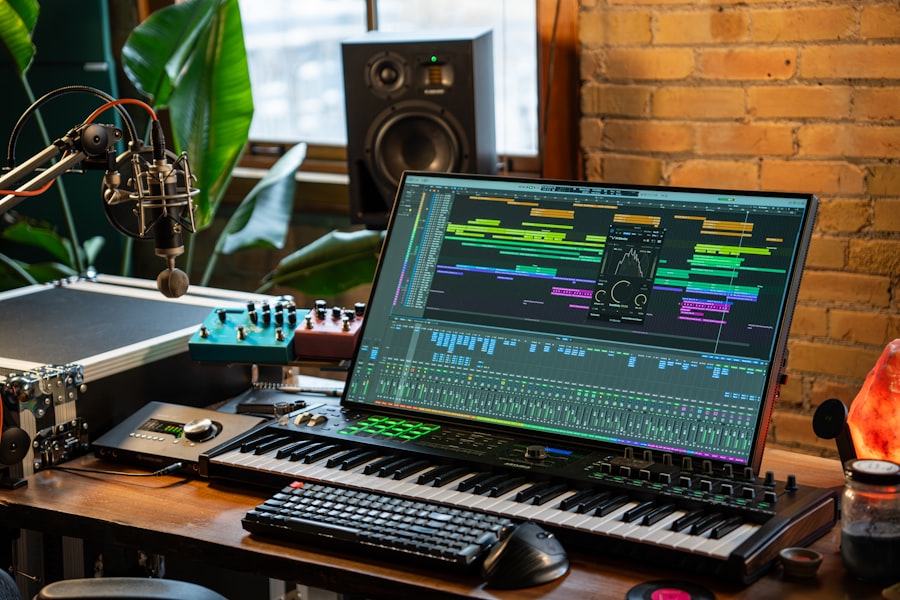
While digital audio offers unparalleled convenience, there’s something uniquely nostalgic about analog equipment that continues to captivate many enthusiasts. You might find yourself drawn to vintage turntables or reel-to-reel tape machines, appreciating their craftsmanship and aesthetic appeal. The tactile nature of these devices creates an experience that feels more personal than simply pressing play on a digital device.
As you engage with analog equipment, you may feel a deeper connection to the music itself. This nostalgia extends beyond just sound; it encompasses an entire culture surrounding analog equipment. You may enjoy visiting record stores filled with vinyl treasures or attending live performances where musicians embrace traditional recording techniques.
These experiences foster a sense of community among those who share your appreciation for analog sound. In an age dominated by digital convenience, this connection to the past serves as a reminder of the artistry involved in music creation.
The Impact of Digital Audio on the Music Industry
Digital audio has had a profound impact on the music industry, reshaping everything from production to distribution. You may have noticed how traditional revenue models have been disrupted by streaming services, which have changed how artists earn money from their work. While these platforms provide exposure to millions of listeners, they often pay artists significantly less per stream compared to physical sales or downloads.
This shift has sparked discussions about fair compensation and sustainability within the industry. Moreover, digital audio has enabled new marketing strategies that were previously unimaginable. You might find it interesting how social media platforms allow artists to connect directly with their fans, fostering engagement and loyalty in ways that traditional marketing could not achieve.
This direct line of communication empowers musicians to build their brands independently while also providing fans with an intimate glimpse into their creative processes.
The Resurgence of Vinyl Records
In recent years, there has been a remarkable resurgence in vinyl records, defying predictions that physical media would become obsolete in the digital age. You may have noticed an increasing number of record stores opening up or vinyl pressing plants being established as demand grows. This revival speaks to a collective yearning for tangible music experiences amidst an overwhelmingly digital landscape.
For many listeners, purchasing a vinyl record is not just about acquiring music; it’s about embracing a ritual that celebrates artistry and craftsmanship. As you explore this resurgence further, consider how vinyl records offer an opportunity for artists to present their work in a visually striking format. Album artwork becomes an integral part of the listening experience, allowing musicians to express their creativity beyond just sound.
You might find yourself captivated by limited edition releases or colored vinyl variants that add an element of collectibility to your music library.
The Role of Digital Audio in Modern Recording Studios
Digital audio has revolutionized modern recording studios, providing tools that enhance creativity and efficiency for producers and musicians alike. You may be fascinated by how digital audio workstations (DAWs) have become central to music production processes, allowing for seamless recording, editing, and mixing capabilities. These platforms enable artists to experiment with sounds and arrangements in ways that were once labor-intensive or impossible with analog equipment.
Furthermore, advancements in software plugins have expanded sonic possibilities exponentially. You might enjoy exploring various virtual instruments or effects that can be easily integrated into your projects. This flexibility allows for greater experimentation and innovation within genres while also streamlining workflows in professional settings.
As you consider these developments, it becomes clear that digital audio has not only transformed how music is made but has also opened doors for new artistic expressions.
The Debate Over Authenticity
As digital audio continues to dominate the landscape, questions surrounding authenticity have emerged as a significant topic of discussion among musicians and listeners alike. You may find yourself pondering what it means for music to be “authentic” in an age where technology plays such a crucial role in production. Some argue that heavily produced tracks lack the rawness and spontaneity found in analog recordings, while others contend that modern tools simply enhance artistic expression.
This debate often extends beyond sound quality; it encompasses broader themes related to artistry and creativity. You might resonate with those who believe that authenticity lies not solely in the medium used but rather in the intention behind the music itself. As you navigate this complex conversation, consider how both analog and digital formats can coexist as valid expressions of artistic vision.
The Future of Audio Technology
Looking ahead, the future of audio technology promises exciting developments that will continue to shape your listening experiences. You may be intrigued by emerging technologies such as spatial audio and immersive soundscapes that aim to create more engaging auditory environments. As virtual reality (VR) and augmented reality (AR) become more prevalent, these innovations could redefine how you interact with music altogether.
Moreover, advancements in artificial intelligence (AI) are beginning to influence music creation processes as well. You might find it fascinating how AI algorithms can analyze vast amounts of data to generate new compositions or assist artists in refining their work. While some may view this as a threat to human creativity, others see it as an opportunity for collaboration between technology and artistry.
In conclusion, as you reflect on the evolution of audio technology—from its humble beginnings to its current state—you’ll recognize that both analog and digital formats hold unique value in today’s musical landscape. Each offers distinct advantages and challenges while contributing to an ever-evolving dialogue about sound quality, authenticity, and artistic expression. As you continue your journey through this rich auditory world, remain open to new possibilities while cherishing the timeless qualities that make music such an integral part of your life.
In the ongoing debate between digital audio and analog sound, many enthusiasts argue about the warmth and richness of analog recordings compared to the precision and convenience of digital formats. For a deeper understanding of this topic, you can explore the article on Freaky Science that delves into the nuances of both audio types. Check it out here: Digital Audio vs. Analog Sound.
WATCH THIS! Can You Really Hear High-Res Audio? 🎶
FAQs
What is the main difference between digital audio and analog sound?
Digital audio represents sound as discrete numerical values, typically binary data, while analog sound is a continuous waveform that directly corresponds to the original sound waves.
How is analog sound recorded and played back?
Analog sound is recorded by capturing continuous sound waves onto physical media such as vinyl records or magnetic tape. Playback involves converting these continuous signals back into audible sound through speakers or headphones.
How does digital audio capture sound?
Digital audio captures sound by sampling the continuous analog signal at regular intervals (sampling rate) and quantizing the amplitude into discrete values (bit depth), which are then stored as digital data.
What are the advantages of digital audio over analog sound?
Digital audio offers benefits such as easier editing, copying without quality loss, resistance to noise and degradation, and compatibility with modern digital devices and streaming platforms.
Are there any advantages to analog sound compared to digital audio?
Some listeners prefer analog sound for its natural warmth and continuous waveform, which can produce a different listening experience. Analog equipment can also have unique tonal characteristics valued by audiophiles.
What is sampling rate in digital audio?
Sampling rate is the number of times per second that an analog audio signal is measured (sampled) to create a digital representation. Common rates include 44.1 kHz for CDs and 48 kHz for professional audio.
What is bit depth in digital audio?
Bit depth refers to the number of bits used to represent each audio sample’s amplitude, affecting the dynamic range and noise floor. Higher bit depths provide more precise sound representation.
Can digital audio perfectly replicate analog sound?
While digital audio can closely approximate analog sound, it is inherently a discrete representation and may not capture every nuance of the continuous analog waveform. However, high-resolution digital audio can be indistinguishable to most listeners.
What types of devices use analog sound versus digital audio?
Analog sound is commonly associated with vinyl record players, cassette tapes, and analog radios. Digital audio is used in CDs, MP3 players, smartphones, computers, and streaming services.
Is one format better for professional music production?
Digital audio is generally preferred in professional music production due to its flexibility, precision, and ease of editing. However, some producers incorporate analog equipment to achieve specific sound qualities.