
High resolution audio (HRA) refers to sound recordings with sampling rates and bit depths that exceed standard audio formats. Standard CDs use a sampling rate of 44.1 kHz and 16-bit depth, while high resolution audio typically features sampling rates of 96 kHz, 192 kHz, or higher, with bit depths of 24 bits or greater. This increased data capacity enables more detailed sound representation, preserving audio information that standard formats may omit.
High resolution audio aims to reproduce recordings with greater fidelity to the original source material. High resolution audio encompasses several formats, including FLAC, ALAC, and DSD, each designed to maintain audio signal integrity throughout the recording and playback process. These formats minimize data loss and compression artifacts, allowing listeners to experience recordings closer to the artist’s original intent.
Many audio professionals and enthusiasts prefer high resolution audio for its enhanced clarity and detail compared to conventional formats.
Key Takeaways
- High resolution audio offers superior sound quality compared to standard audio by capturing more detail and nuance.
- Specialized equipment, such as high-quality headphones and DACs, is essential to fully experience high resolution audio.
- High resolution audio content is increasingly available but often comes at a higher cost than standard audio formats.
- Audiophiles value high resolution audio for its enhanced listening experience, though its benefits remain debated among casual listeners.
- The future of high resolution audio looks promising with advancing technology and growing content availability, but its worth depends on individual preferences.
The Benefits of High Resolution Audio
One of the primary benefits of high resolution audio is its ability to deliver a more dynamic and expansive soundstage. When you listen to music in high resolution, you may notice that individual instruments and vocals are more distinct and well-defined. This clarity allows you to appreciate the nuances in a performance, from the subtle breath of a vocalist to the intricate harmonies of a string quartet.
The increased detail can transform your listening experience, making it feel as though you are right there in the recording studio or concert hall. Another significant advantage is the enhanced emotional connection that high resolution audio can foster. When you hear music in its highest fidelity, you may find that it resonates with you on a deeper level.
The richness and warmth of the sound can evoke emotions that might be dulled in lower-quality formats. This emotional engagement is particularly important for those who view music as more than just entertainment; it becomes an experience that can inspire, uplift, or even heal. As you explore high resolution audio, you may discover that it has the power to change how you connect with your favorite songs and artists. Experience the clarity and depth of sound like never before with high resolution audio.
The Difference Between High Resolution Audio and Standard Audio
The distinction between high resolution audio and standard audio lies primarily in the technical specifications and the resulting sound quality. Standard audio formats, such as MP3 or CD quality, often compress sound data to save space, which can lead to a loss of detail and fidelity. In contrast, high resolution audio retains much more information from the original recording, allowing for a fuller representation of the sound.
This difference is not merely theoretical; when you listen closely, you may find that high resolution audio reveals layers of sound that standard formats simply cannot capture. Moreover, the listening environment plays a crucial role in how these differences manifest. If you’re using high-quality headphones or speakers, the advantages of high resolution audio become even more pronounced.
You might notice that high resolution tracks provide a sense of depth and dimensionality that standard audio lacks. This can create an immersive experience where you feel surrounded by sound rather than just listening to it through speakers. As you compare both formats, you’ll likely appreciate how high resolution audio elevates your overall listening experience.
The Equipment Needed for High Resolution Audio
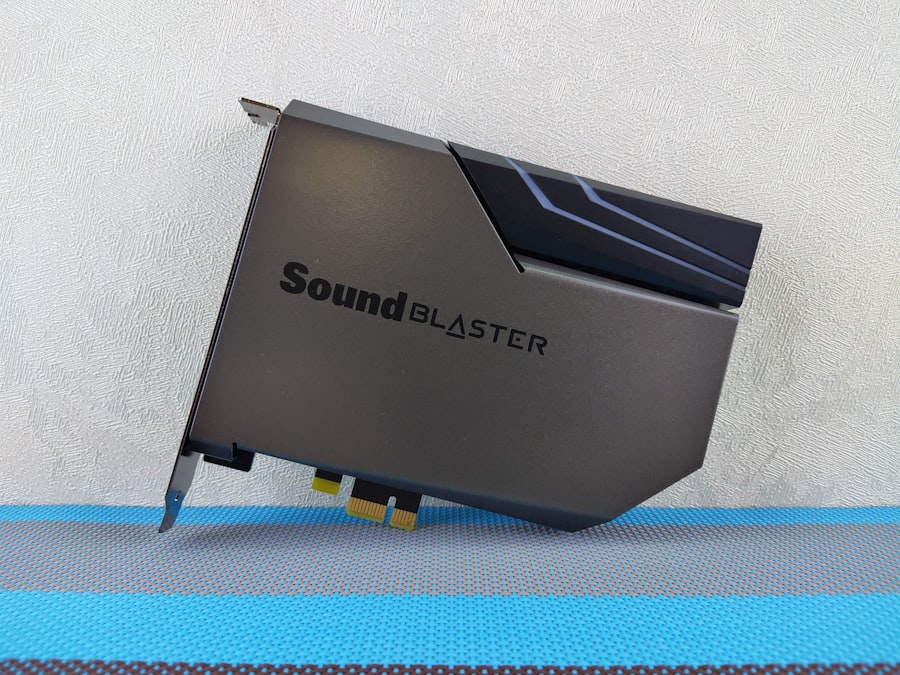
To fully enjoy high resolution audio, you’ll need specific equipment designed to handle the increased data rates and deliver superior sound quality. At a minimum, you’ll require a digital-to-analog converter (DAC) capable of processing high resolution files. Many modern devices come equipped with built-in DACs that support higher sampling rates, but investing in a dedicated external DAC can significantly enhance your listening experience.
This component is essential for translating digital audio signals into analog signals that your speakers or headphones can reproduce.
Look for models that are known for their clarity and detail across a wide frequency range.
High-end headphones often provide a more intimate listening experience, while premium speakers can fill a room with rich sound. Furthermore, consider using a high-resolution audio player or streaming service that supports lossless formats to ensure you’re getting the most out of your investment. By equipping yourself with the right tools, you’ll be well on your way to enjoying the full benefits of high resolution audio.
The Cost of High Resolution Audio
| Metric | Standard Audio (CD Quality) | High Resolution Audio | Notes |
|---|---|---|---|
| Sample Rate | 44.1 kHz | 96 kHz – 192 kHz | Higher sample rates capture more audio detail |
| Bit Depth | 16-bit | 24-bit | Higher bit depth allows greater dynamic range |
| File Size (per minute) | ~10 MB | ~30-60 MB | High resolution files are significantly larger |
| Audible Difference | Baseline | Varies by listener and equipment | Many listeners report minimal or no difference |
| Equipment Required | Standard headphones/speakers | High-end DACs, headphones, or speakers | High resolution benefits require quality playback gear |
| Streaming Availability | Widely available | Limited, niche services | High resolution streaming less common |
| Price | Lower | Higher | High resolution audio often costs more |
| Use Case | Casual listening | Professional audio, audiophiles | High resolution preferred for critical listening |
Investing in high resolution audio can vary significantly in terms of cost, depending on your preferences and existing equipment. While some may view it as an expensive endeavor, it’s essential to consider it as an investment in your listening experience. High-quality DACs can range from affordable options to premium models costing several thousand dollars.
Similarly, headphones and speakers come in various price ranges, allowing you to find something that fits your budget while still delivering excellent sound quality. Additionally, there are costs associated with acquiring high resolution audio content itself. Many online platforms offer high-resolution tracks for purchase or streaming subscriptions that provide access to extensive libraries of lossless music.
While these services may come at a premium compared to standard streaming options, many listeners find the investment worthwhile for the enhanced listening experience they provide. As you weigh the costs against the benefits, consider how much value you place on sound quality and whether it aligns with your passion for music.
The Availability of High Resolution Audio Content
As high resolution audio gains popularity, the availability of content has expanded significantly. Numerous platforms now offer extensive libraries of high-resolution tracks across various genres, making it easier than ever for you to find music that suits your tastes. Services like Tidal, Qobuz, and Amazon Music HD provide access to thousands of albums in lossless formats, allowing you to explore new artists and rediscover old favorites with fresh ears.
However, it’s worth noting that not all music is available in high resolution formats. While many popular albums have been remastered for HRA, some older recordings may not have been updated due to technical limitations or licensing issues. As you navigate this landscape, keep an eye out for labels and artists who prioritize high-resolution releases; they often take great care in ensuring their music is presented in the best possible quality.
With time and patience, you’ll likely find an impressive collection of high-resolution content that enhances your listening library.
The Impact of High Resolution Audio on Listening Experience
The impact of high resolution audio on your listening experience can be profound. When you switch from standard audio formats to high resolution tracks, you may find yourself hearing details you’ve never noticed before. The clarity and depth provided by HRA can make familiar songs feel new again, revealing layers of instrumentation and vocal harmonies that were previously obscured by compression artifacts in lower-quality formats.
Moreover, high resolution audio can create a more immersive environment for your listening sessions. You might feel as though you’re sitting front row at a concert or standing in the studio with the musicians themselves. This heightened sense of presence can transform passive listening into an active experience where you’re fully engaged with the music.
As you explore different genres and recordings in high resolution, you’ll likely discover how this format enhances not only your enjoyment but also your appreciation for the artistry behind each piece.
The Debate Surrounding High Resolution Audio
Despite its growing popularity, high resolution audio is not without controversy. Some critics argue that the differences between standard and high resolution formats are negligible for most listeners, especially when considering factors like playback equipment and listening environments. They contend that many people simply do not have the trained ears or optimal setups necessary to appreciate the nuances offered by HRA fully.
On the other hand, proponents of high resolution audio maintain that even subtle differences can significantly impact the overall listening experience. They argue that as technology advances and more people invest in quality equipment, the demand for higher fidelity will only continue to grow. This debate often centers around personal preferences and subjective experiences; what resonates with one listener may not hold true for another.
As you navigate this discussion, consider your own experiences with music and how they align with either perspective.
The Importance of High Resolution Audio for Audiophiles
For audiophiles—those who are passionate about achieving the highest possible sound quality—high resolution audio represents a crucial aspect of their musical journey. These individuals often invest considerable time and resources into curating their listening environments and equipment to ensure they can experience music at its finest. For them, high resolution audio is not just about numbers; it’s about connecting deeply with their favorite recordings and discovering new dimensions within them.
Audiophiles often seek out rare vinyl records or limited-edition releases in addition to digital formats because they understand that each medium offers unique qualities that contribute to their overall experience. High resolution audio provides them with an opportunity to explore music in ways they may not have thought possible before—whether through intricate details in orchestral arrangements or subtle variations in vocal performances. As you engage with this community or explore their interests further, you’ll likely gain insight into why high resolution audio holds such significance for those who prioritize sound quality above all else.
The Future of High Resolution Audio
Looking ahead, the future of high resolution audio appears promising as technology continues to evolve and consumer demand grows. With advancements in streaming services and digital playback devices, accessing high-resolution content is becoming increasingly convenient for listeners around the world. As more artists embrace HRA as part of their release strategies, you’ll likely see an expanding catalog of music available in these formats.
Moreover, innovations in headphone and speaker technology are making it easier than ever for everyday listeners to enjoy high-resolution audio without breaking the bank. As manufacturers continue to develop affordable yet high-quality equipment designed specifically for HRA playback, you’ll find yourself with more options than ever before when it comes to enhancing your listening experience. The future holds exciting possibilities for those who appreciate music at its highest fidelity.
Is High Resolution Audio Worth It?
Ultimately, whether high resolution audio is worth it depends on your personal preferences and priorities as a listener. If you value sound quality and seek an immersive musical experience that captures every nuance of a performance, investing in HRA may be well worth your time and resources. The benefits—ranging from enhanced clarity to emotional engagement—can significantly elevate your enjoyment of music.
However, if you’re content with standard audio formats or primarily listen casually without investing much thought into sound quality, you might find that traditional options suffice for your needs. As you weigh these considerations against your own experiences with music, you’ll be better equipped to determine if high resolution audio aligns with your passion for sound and artistry. Regardless of your choice, exploring this realm can deepen your appreciation for music and its transformative power.
If you’re curious about the benefits and drawbacks of high-resolution audio, you might find the article on Freaky Science insightful. It delves into the nuances of audio quality and whether the investment in high-resolution formats is justified for the average listener. For more information, check out the article [here](https://www.freakyscience.com/sample-page/).
WATCH THIS! Can You Really Hear High-Res Audio? 🎶
FAQs
What is high resolution audio?
High resolution audio refers to audio files that have a higher sampling rate and bit depth than standard CD-quality audio (44.1 kHz/16-bit). Common high resolution formats include 96 kHz/24-bit and 192 kHz/24-bit, which provide more detailed sound reproduction.
How does high resolution audio differ from standard audio?
High resolution audio offers greater detail and dynamic range compared to standard audio formats like MP3 or CD-quality files. This means it can capture more nuances in the music, potentially resulting in clearer and more immersive sound.
Do I need special equipment to play high resolution audio?
Yes, to fully benefit from high resolution audio, you typically need compatible playback devices such as high-quality digital-to-analog converters (DACs), headphones or speakers capable of reproducing the extended frequency range, and software or hardware that supports high resolution formats.
Is high resolution audio noticeable to the average listener?
The difference in sound quality between high resolution audio and standard formats can be subtle and may not be easily perceived by all listeners, especially on basic audio equipment or in noisy environments. Audiophiles and those with high-end audio setups are more likely to notice the improvements.
Are high resolution audio files larger than standard audio files?
Yes, high resolution audio files are significantly larger than standard audio files due to their higher sampling rates and bit depths. This means they require more storage space and bandwidth for streaming or downloading.
Can all music be found in high resolution audio formats?
Not all music is available in high resolution formats. Availability depends on the recording and distribution choices made by artists, record labels, and streaming services.
Is high resolution audio worth the extra cost?
Whether high resolution audio is worth the extra cost depends on individual preferences, listening habits, and audio equipment. For casual listeners, standard quality may be sufficient, while audiophiles and professionals may find the investment worthwhile for enhanced sound quality.
Does streaming high resolution audio require a faster internet connection?
Yes, streaming high resolution audio requires more bandwidth than standard quality streams. A faster and more stable internet connection is recommended to avoid buffering or interruptions.
Are there any health concerns related to listening to high resolution audio?
No, listening to high resolution audio poses no additional health risks compared to standard audio. However, it is always advisable to listen at safe volume levels to protect hearing.
Can high resolution audio improve the listening experience on smartphones?
While smartphones can play high resolution audio files, the improvement in sound quality depends on the device’s internal DAC and headphone output quality. Many smartphones have limited audio hardware, so the benefits may be less noticeable without external audio equipment.