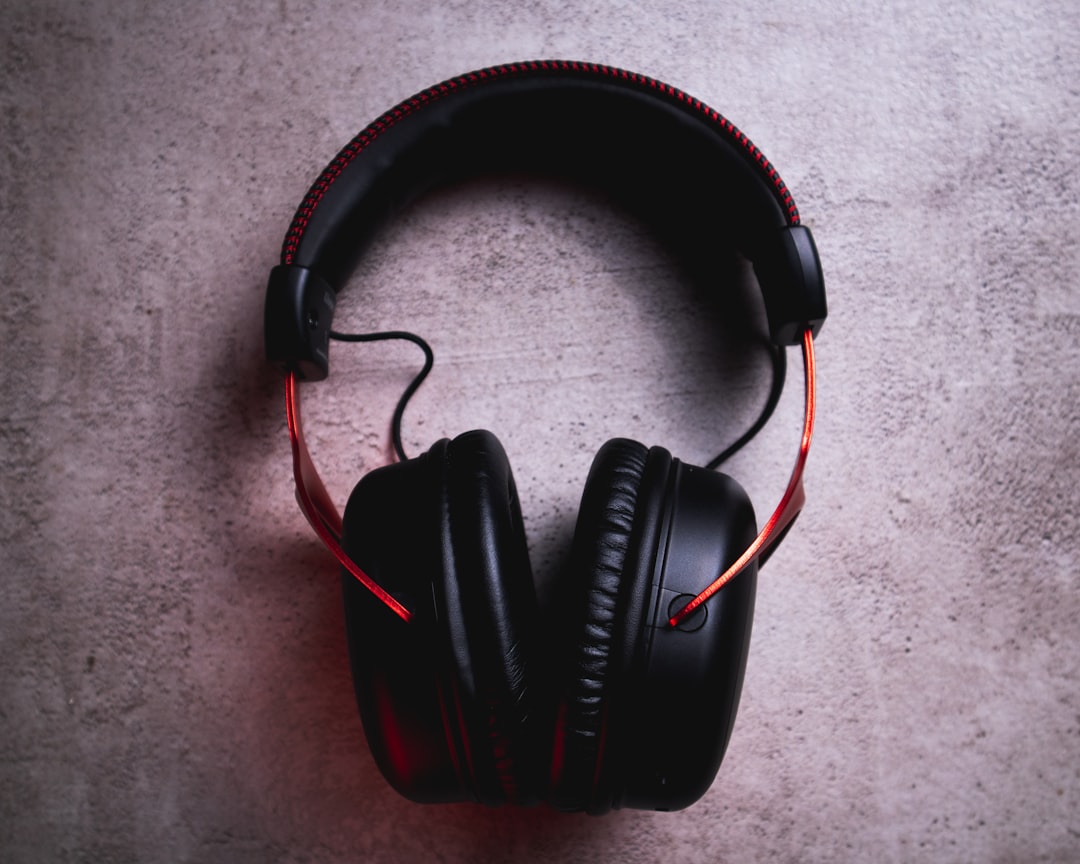
The human ear has specific limitations when it comes to sound perception. Most adults can hear frequencies between approximately 20 Hz and 20 kHz. Sounds above 20 kHz fall outside the range of human hearing, which means many high-frequency components in high-resolution audio formats cannot be detected by the human ear.
This physiological constraint is an important consideration when evaluating high-resolution audio, as these formats are designed to capture frequencies that listeners cannot actually perceive. Hearing sensitivity varies among individuals and changes over time due to several factors. Age is a primary factor affecting hearing capability.
A condition called presbycusis causes a natural decline in the ability to hear higher frequencies as people age. This progressive loss of high-frequency hearing reduces the capacity to detect subtle details in music and audio that high-resolution formats are intended to preserve. When selecting audio equipment and formats, it is important to understand these biological limitations and establish realistic expectations based on individual auditory capabilities.
Experience the clarity and depth of sound like never before with high resolution audio.
Key Takeaways
- Human hearing has natural limitations that affect the perception of high-resolution audio.
- Playback equipment quality significantly influences the listening experience.
- Compression and file formats can alter audio fidelity and impact sound quality.
- Listening environment and background noise play crucial roles in audio perception.
- Individual preferences, age, and psychological factors shape how high-res audio is experienced.
The Quality of Playback Equipment
The equipment you use to listen to audio plays a pivotal role in your overall experience. High-quality playback devices can significantly enhance your listening experience, allowing you to hear details and subtleties that might otherwise go unnoticed. Investing in good headphones or speakers can make a world of difference, as they are designed to reproduce sound accurately across a wide frequency range.
When you choose quality equipment, you are not just buying a product; you are investing in an experience that can elevate your enjoyment of music and sound. However, it’s not just about the headphones or speakers; the source device also matters. Whether you’re using a smartphone, a dedicated digital audio player, or a high-end audio system, the quality of the digital-to-analog converter (DAC) and amplification can greatly influence sound fidelity.
If your playback equipment is subpar, even the highest quality audio files may not deliver the intended experience. Therefore, as you explore high-resolution audio, consider the entire chain of equipment involved in playback to ensure that each component is capable of delivering the best possible sound.
Compression and File Formats

In today’s digital age, audio compression and file formats are critical factors that can affect your listening experience. Compressed audio files, such as MP3s, are designed to reduce file size by eliminating certain audio data. While this makes music more accessible and easier to store, it often comes at the cost of sound quality.
As you listen to compressed formats, you may notice a loss of detail and richness in the music, which can detract from your overall enjoyment. On the other hand, lossless formats like FLAC or ALAC retain all the original audio data, providing a more faithful reproduction of the sound as it was intended by the artist. When you choose lossless formats for your music library, you allow yourself to experience the full depth and clarity of recordings.
However, it’s essential to ensure that your playback equipment is capable of handling these higher-quality files; otherwise, you may not fully appreciate the benefits they offer. By understanding compression and file formats, you can make informed choices that enhance your listening experience.
The Environment and Listening Conditions
The environment in which you listen to music can significantly impact your auditory experience. Factors such as room acoustics, background noise, and even furniture placement can alter how sound waves travel and how you perceive them. For instance, a room with hard surfaces may create echoes and reflections that distort sound quality, while a space with soft furnishings can help absorb excess noise and improve clarity.
As you set up your listening area, consider how these elements interact with your audio equipment to create an optimal listening environment. Additionally, external noise can intrude upon your listening experience. Whether it’s traffic sounds from outside or chatter from other people in your home, background noise can distract you from fully immersing yourself in the music.
To combat this, you might consider using noise-canceling headphones or creating a dedicated listening space where distractions are minimized. By being mindful of your environment and making adjustments as needed, you can enhance your ability to appreciate the nuances of high-resolution audio.
Individual Listener Preferences
| Factor | Description | Impact on Hearing High-Res Audio | Typical Frequency Range |
|---|---|---|---|
| Human Hearing Range | Range of frequencies audible to the average human ear | Limits perception of frequencies above ~20 kHz, where high-res audio extends | 20 Hz – 20,000 Hz |
| Age-Related Hearing Loss | Natural decline in hearing sensitivity, especially at high frequencies | Reduces ability to hear frequencies above 15-17 kHz in adults | Varies; often < 17,000 Hz in adults |
| Audio Equipment Limitations | Speakers, headphones, and DACs may not reproduce ultra-high frequencies accurately | Prevents faithful playback of high-res audio frequencies above 20 kHz | Depends on device; often < 40,000 Hz |
| Source Material Quality | Original recording and mastering quality affects high-frequency content | Low-quality sources may lack true high-res audio data | N/A |
| Listening Environment | Room acoustics and background noise can mask subtle high-frequency sounds | Reduces ability to perceive high-res audio details | N/A |
| Compression and Encoding | Lossy formats remove frequencies above certain thresholds to reduce file size | High-res audio benefits lost if compressed improperly | Varies by codec; often cuts above 16-20 kHz |
Your personal preferences play a significant role in how you perceive and enjoy music. Each listener has unique tastes shaped by various factors such as cultural background, musical exposure, and emotional connections to certain genres or artists. As you explore different types of audio, it’s essential to recognize that what sounds good to one person may not resonate with another.
This subjectivity is part of what makes music such a rich and diverse art form. Moreover, individual preferences extend beyond genre; they also encompass aspects like tonal balance and dynamic range. Some listeners may prefer a bass-heavy sound profile that emphasizes low frequencies, while others might favor a more balanced approach that highlights midrange clarity and treble detail.
Understanding your own preferences can help guide your choices when selecting music or equipment, allowing you to curate an audio experience that truly resonates with you.
The Role of Age in Hearing High Res Audio

Age is an undeniable factor in how well you can appreciate high-resolution audio. As mentioned earlier, presbycusis affects many individuals as they grow older, leading to a gradual decline in their ability to hear higher frequencies. This natural aging process means that even if you invest in high-res audio formats and top-tier playback equipment, your ability to perceive those subtle details may diminish over time.
Older listeners may have nostalgic ties to specific genres or artists that shape their appreciation for music. Understanding how age impacts both hearing ability and personal taste can help you navigate your audio journey more effectively.
Embracing these changes allows you to adapt your listening habits and continue enjoying music throughout different stages of life.
The Impact of Background Noise
Background noise is an ever-present challenge in our daily lives and can significantly affect how you perceive audio quality. Whether it’s the hum of appliances, traffic sounds outside your window, or conversations happening nearby, these distractions can detract from your ability to focus on the music itself. When background noise competes with the sounds you want to hear, it can create a frustrating listening experience that diminishes your enjoyment.
To mitigate the impact of background noise, consider creating a dedicated listening environment where distractions are minimized. This could involve using soundproofing materials or simply choosing a quieter time of day for your listening sessions. Additionally, investing in high-quality headphones with noise-canceling features can help isolate you from external sounds, allowing you to immerse yourself fully in the music without interference.
By taking steps to reduce background noise, you enhance your ability to appreciate the intricacies of high-resolution audio.
The Influence of Audio Source Material
The source material from which you derive your music plays a crucial role in determining sound quality. Not all recordings are created equal; some may be produced with meticulous attention to detail while others might suffer from poor mixing or mastering techniques. As you explore high-resolution audio formats, it’s essential to consider the quality of the original recordings themselves.
When selecting music for high-res playback, look for albums that have been specifically mastered for high-resolution formats or those known for their exceptional production quality. Listening to well-produced recordings allows you to fully appreciate the benefits of high-resolution audio without being hindered by subpar source material. By prioritizing quality over quantity in your music library, you set yourself up for a more rewarding listening experience.
The Importance of Proper Audio Conversion
Proper audio conversion is another critical aspect that can influence your listening experience significantly. When converting audio files from one format to another—such as from WAV to MP3—it’s essential to use high-quality software that preserves sound fidelity during the process. Poor conversion methods can introduce artifacts or distortions that compromise audio quality.
If you’re transitioning to high-resolution formats or simply organizing your music library, take care to use reliable tools for conversion. This attention to detail ensures that you’re not inadvertently sacrificing sound quality during file transfers or conversions. By prioritizing proper audio conversion practices, you maintain the integrity of your music collection and enhance your overall listening experience.
The Role of Psychological Factors in Perception
Your perception of sound is not solely based on physical attributes; psychological factors also play a significant role in how you experience music. Your mood, emotional state, and even expectations can influence how you perceive audio quality and enjoyment levels. For instance, if you’re feeling relaxed and content while listening to music, you’re likely to appreciate its nuances more than if you’re distracted or stressed.
Additionally, cognitive biases can affect how you interpret sound quality. For example, if you’ve invested heavily in high-end equipment or high-resolution formats, you might be more inclined to perceive improvements in sound quality due to confirmation bias—wherein your expectations shape your experiences. Being aware of these psychological factors allows you to approach your listening sessions with an open mind and helps cultivate a deeper appreciation for music beyond mere technical specifications.
The Need for Proper Audio Training and Education
Finally, proper training and education in audio perception can significantly enhance your listening experience. Understanding concepts such as frequency response, dynamic range, and spatial awareness equips you with the knowledge needed to appreciate high-resolution audio fully. Engaging with educational resources—whether through online courses or workshops—can deepen your understanding of sound and improve your critical listening skills.
Moreover, developing an ear for detail takes practice; actively listening to various genres and styles helps refine your ability to discern subtle differences in sound quality. By investing time in education and training, you empower yourself to become a more discerning listener who can fully appreciate the richness and complexity of high-resolution audio formats. In conclusion, navigating the world of high-resolution audio involves understanding various factors that influence your listening experience—from human hearing limitations and playback equipment quality to individual preferences and environmental conditions.
If you’ve ever wondered why you can’t hear the difference between high-resolution audio and standard formats, you might find the article on Freaky Science insightful. It delves into the science behind human hearing and the limitations of our auditory perception. For more information, check out the article [here](https://www.freakyscience.com/sample-page/).
WATCH THIS! Can You Really Hear High-Res Audio? 🎶
FAQs
What is high-resolution audio?
High-resolution audio refers to audio files that have a higher sampling rate and bit depth than standard CD-quality audio, typically 24-bit/96kHz or higher. This allows for more detailed sound reproduction and a wider dynamic range.
Why might I not hear a difference with high-resolution audio?
Many people cannot hear a noticeable difference because human hearing has limitations, and standard audio equipment or headphones may not reproduce the extra detail present in high-resolution files. Additionally, the quality of the recording and playback system plays a significant role.
Does the type of headphones or speakers affect hearing high-res audio?
Yes, the quality and capability of headphones or speakers greatly impact the ability to discern high-resolution audio. Low-quality or standard consumer-grade equipment may not reveal the subtle differences found in high-res files.
Is the human ear capable of hearing the frequencies in high-resolution audio?
Human hearing typically ranges from 20 Hz to 20 kHz, and most high-resolution audio extends beyond this range. Since humans cannot hear frequencies above 20 kHz, the extra data in high-res files may not be perceptible.
Can the audio source or recording quality affect the perception of high-res audio?
Absolutely. If the original recording is not of high quality or is heavily compressed, the benefits of high-resolution audio files will be minimal or nonexistent.
Do streaming services offer true high-resolution audio?
Some streaming services provide high-resolution audio options, but many use compressed formats that may not deliver the full benefits of high-res audio. The actual quality depends on the service and subscription plan.
Is it worth investing in high-resolution audio equipment?
It depends on your listening preferences, environment, and equipment. Audiophiles with high-quality gear in quiet settings may appreciate the difference, while casual listeners may not notice significant improvements.
Can room acoustics influence the ability to hear high-resolution audio?
Yes, the listening environment, including room acoustics and background noise, can affect audio perception. Poor acoustics or noisy environments can mask subtle details present in high-resolution audio.
Are there scientific studies supporting the audible benefits of high-resolution audio?
Some studies suggest that under controlled conditions, trained listeners can detect differences between high-resolution and standard audio, but results vary, and many listeners do not perceive a significant difference.
What can I do to better experience high-resolution audio?
Use high-quality headphones or speakers, ensure your playback device supports high-res formats, listen in a quiet environment, and use well-mastered high-resolution recordings to maximize the potential benefits.