
Grid operators have established comprehensive storm response protocols to maintain the stability and reliability of electrical power systems during severe weather events. These protocols are critical for reducing infrastructure damage and preserving service for customers. Since storms frequently cause widespread power outages, operators and communities must understand how these response systems function.
The protocols include preparatory measures before storms arrive and recovery operations afterward, designed to reduce service interruptions and restore normal operations quickly. Storm response protocols have developed through analysis of previous weather events and their impacts on power systems. As climate change increases the frequency and intensity of storms, grid operators must continuously update their strategies to address these changing conditions.
This article examines the key components of storm response protocols, their role in maintaining reliable power delivery during adverse weather, and the coordination required among multiple organizations and agencies involved in storm response efforts.
Key Takeaways
- Grid operators play a critical role in maintaining reliable power supply during storms through established protocols and emergency measures.
- Effective communication and coordination among grid operators, stakeholders, and local authorities are essential for successful storm response.
- Preparing in advance with clear procedures helps minimize power outages and speeds up restoration efforts after storm damage.
- Continuous assessment and improvement of storm response protocols enhance the resilience and adaptability of the power grid.
- Collaboration with emergency services and local authorities ensures a comprehensive approach to managing storm impacts on power infrastructure.
Understanding the Importance of Reliable Power Supply During Storms
Reliable power supply is a cornerstone of modern society, underpinning essential services such as healthcare, communication, and transportation.
Consequently, any disruption in power supply can have dire consequences, particularly for vulnerable populations who may depend on medical equipment or other critical services.
The importance of maintaining a stable power supply during storms cannot be overstated; it is a matter of public safety and well-being. Moreover, the economic implications of power outages during storms can be significant. Businesses may face losses due to halted operations, while local economies can suffer from decreased consumer activity.
The restoration of power not only aids in the recovery of individual households but also plays a vital role in revitalizing communities and ensuring that essential services can resume promptly. Therefore, grid operators must prioritize reliable power supply during storms to safeguard public health and support economic stability. The Earth’s Magnetic Field plays a crucial role in protecting our planet from solar radiation.
The Role of Grid Operators in Ensuring Reliable Power Supply
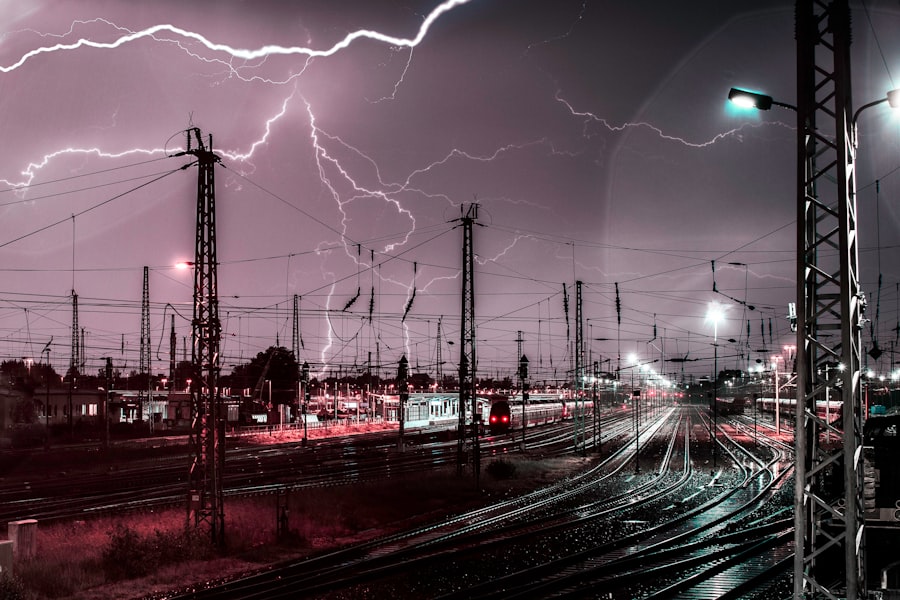
Grid operators serve as the backbone of electrical infrastructure, tasked with managing the generation, transmission, and distribution of electricity. Their role becomes particularly critical during storm events when the risk of outages increases dramatically. These operators are responsible for monitoring weather patterns, assessing potential impacts on the grid, and implementing necessary measures to protect infrastructure and maintain service continuity.
Their expertise in managing complex electrical systems is vital for ensuring that power remains available even in the face of severe weather. In addition to their technical responsibilities, grid operators also play a key role in coordinating with various stakeholders, including government agencies, emergency services, and local communities. This collaboration is essential for effective storm response, as it allows for a unified approach to managing resources and addressing challenges that arise during adverse weather conditions.
By fostering strong relationships with these stakeholders, grid operators can enhance their preparedness and response capabilities, ultimately leading to more resilient power systems.
Preparing for Storms: Protocols and Procedures
Preparation is a critical component of effective storm response protocols. Grid operators employ a variety of strategies to ready their systems for impending storms, including conducting risk assessments and implementing preventive measures. These assessments involve analyzing historical weather data, evaluating infrastructure vulnerabilities, and identifying areas that may be particularly susceptible to outages.
By understanding potential risks, operators can prioritize resources and develop targeted action plans to mitigate impacts. In addition to risk assessments, grid operators often engage in proactive maintenance of infrastructure prior to storm season. This may include trimming trees near power lines, reinforcing poles and substations, and upgrading equipment to withstand extreme weather conditions.
Furthermore, operators may conduct training exercises to ensure that their teams are well-prepared to respond effectively when storms strike. These preparatory measures not only enhance the resilience of the power grid but also instill confidence in communities that their electricity supply will remain stable during challenging weather events.
Communication and Coordination Among Grid Operators and Stakeholders
| Metric | Description | Typical Value/Range | Measurement Frequency | Responsible Team |
|---|---|---|---|---|
| Storm Impact Forecast Accuracy | Accuracy of predicting storm severity and affected areas | 85% – 95% | Per Storm Event | Forecasting & Meteorology |
| Response Time to Outage Reports | Time taken from receiving outage reports to dispatching repair crews | 15 – 30 minutes | Real-time during storm | Operations Control Center |
| Restoration Time | Average time to restore power after storm-related outages | 4 – 12 hours | Per Outage Incident | Field Operations |
| Pre-Storm Grid Reinforcement Completion | Percentage of planned grid reinforcements completed before storm arrival | 90% – 100% | Before Storm | Maintenance & Engineering |
| Communication Updates Frequency | Interval between public and internal updates during storm response | Every 30 minutes | During Storm | Public Relations & Operations |
| Number of Crews Deployed | Total repair crews mobilized during storm response | Varies by storm size (e.g., 50-200 crews) | Per Storm Event | Operations Management |
| Backup Power Activation Rate | Percentage of critical substations with backup power activated | 95%+ | During Storm | Grid Operations |
| Customer Outage Notifications Sent | Percentage of affected customers notified within 1 hour of outage | 90%+ | Per Outage Incident | Customer Service |
Effective communication is paramount during storm events, as it ensures that all stakeholders are informed and aligned in their response efforts. Grid operators utilize various communication channels to disseminate information about storm forecasts, potential impacts on power supply, and ongoing restoration efforts. This information is crucial for keeping the public informed and managing expectations regarding service interruptions.
Coordination among grid operators, government agencies, emergency services, and community organizations is equally important. By establishing clear lines of communication and collaboration before storms occur, stakeholders can work together more efficiently during emergencies. Joint planning sessions and regular updates help ensure that everyone is on the same page regarding resource allocation and response strategies.
This collaborative approach not only enhances operational efficiency but also fosters trust within communities that rely on these services during times of crisis.
Implementing Emergency Response Measures During Storms
When storms strike, grid operators must swiftly implement emergency response measures to address outages and protect infrastructure. This often involves mobilizing crews to assess damage, restore power, and repair any compromised equipment. Operators typically prioritize restoration efforts based on factors such as the number of customers affected, the critical nature of services impacted (e.g., hospitals or emergency shelters), and safety considerations for field crews.
In addition to deploying personnel, grid operators may also utilize technology to enhance their response capabilities.
Drones may be employed to survey damage in hard-to-reach areas, enabling quicker assessments and more efficient repairs.
By leveraging technology alongside human expertise, grid operators can significantly improve their ability to respond effectively during storm events.
Assessing and Addressing Damage to Power Infrastructure
Once the immediate threat of a storm has passed, grid operators must conduct thorough assessments of damage to power infrastructure. This process involves inspecting transmission lines, substations, and distribution networks to identify any compromised components that require repair or replacement. Understanding the extent of damage is crucial for developing an effective restoration plan that prioritizes safety and efficiency.
Addressing damage often requires collaboration with various teams within the organization as well as external contractors who specialize in repair work. Operators must ensure that crews are equipped with the necessary tools and resources to carry out repairs safely while adhering to regulatory standards. Additionally, communication with local authorities is essential during this phase to coordinate road access and ensure public safety around damaged infrastructure.
Restoring Power Supply Safely and Efficiently
Restoring power supply after a storm is a complex process that requires careful planning and execution. Grid operators typically follow a systematic approach to restoration that prioritizes critical infrastructure first before addressing residential areas. This method ensures that essential services are restored quickly while minimizing further disruptions.
Safety remains a top priority throughout the restoration process. Crews must navigate hazardous conditions such as downed power lines or flooded areas while working diligently to restore service. Operators often implement safety protocols that include regular communication with field teams about potential hazards and ensuring that all personnel are equipped with appropriate safety gear.
By prioritizing safety alongside efficiency, grid operators can effectively restore power while protecting both their teams and the public.
Lessons Learned and Continuous Improvement in Storm Response Protocols
The aftermath of each storm provides valuable insights that can inform future storm response protocols. Grid operators conduct post-storm evaluations to assess what worked well and identify areas for improvement. These evaluations often involve gathering feedback from field crews, analyzing response times, and reviewing communication effectiveness with stakeholders.
Continuous improvement is a hallmark of effective storm response strategies. By incorporating lessons learned into future planning efforts, grid operators can enhance their preparedness for subsequent storms. This iterative process not only strengthens operational capabilities but also builds resilience within communities that rely on reliable power supply during adverse weather events.
Collaborating with Local Authorities and Emergency Services
Collaboration with local authorities and emergency services is integral to effective storm response efforts. Grid operators often engage with these entities before storms occur to establish clear communication channels and coordinate response plans. This collaboration ensures that all parties understand their roles during emergencies and can work together seamlessly when storms strike.
During storm events, local authorities may assist grid operators by providing access to affected areas or facilitating communication with residents about ongoing restoration efforts. Emergency services play a crucial role in ensuring public safety by managing evacuations or providing shelter for those displaced by outages or flooding. By fostering strong partnerships with these organizations, grid operators can enhance their overall response capabilities and better serve their communities during times of crisis.
Ensuring Resilience and Adaptability in the Face of Future Storms
As climate change continues to influence weather patterns globally, grid operators must prioritize resilience and adaptability in their storm response protocols. This involves not only enhancing existing infrastructure but also investing in innovative technologies that can withstand extreme weather events. For instance, underground power lines may be considered in areas prone to severe storms as they are less susceptible to wind damage.
Additionally, ongoing training for personnel is essential for ensuring that teams are equipped with the skills needed to adapt to evolving challenges posed by climate change. Regular drills simulating various storm scenarios can help prepare crews for real-world situations they may encounter during emergencies. By fostering a culture of resilience within their organizations, grid operators can better navigate the complexities of future storms while safeguarding the communities they serve.
In conclusion, grid operator storm response protocols are vital for maintaining reliable power supply during severe weather events. Through careful preparation, effective communication, collaboration with stakeholders, and continuous improvement efforts, these protocols help mitigate the impact of storms on electrical infrastructure. As climate change continues to pose challenges for power systems worldwide, it is imperative that grid operators remain adaptable and resilient in their approach to storm response—ensuring that communities can rely on them even in the most challenging circumstances.
In recent discussions about the effectiveness of grid operator storm response protocols, it’s essential to consider the insights provided in related articles. For a deeper understanding of how these protocols are implemented and their impact on power restoration during severe weather events, you can read more in this article: Grid Operator Storm Response Protocols. This resource offers valuable information on best practices and lessons learned from past storms.
WATCH THIS! 💡 NASA KNEW: The Magnetic Field Secret They Didn’t Tell You
FAQs
What is a grid operator?
A grid operator is an organization or entity responsible for managing and controlling the electrical power grid to ensure reliable delivery of electricity to consumers.
What are storm response protocols for grid operators?
Storm response protocols are predefined procedures and actions that grid operators follow to prepare for, respond to, and recover from severe weather events such as storms, hurricanes, or ice storms that may disrupt the power supply.
Why are storm response protocols important for grid operators?
Storm response protocols help minimize power outages, ensure the safety of personnel and the public, expedite restoration efforts, and maintain grid stability during and after severe weather events.
What steps do grid operators take before a storm?
Before a storm, grid operators typically monitor weather forecasts, conduct system inspections, pre-position repair crews and equipment, communicate with stakeholders, and implement preventive measures to protect critical infrastructure.
How do grid operators respond during a storm?
During a storm, grid operators continuously monitor grid conditions, manage load and generation resources, coordinate with emergency services, and deploy repair crews as soon as it is safe to do so.
What happens after a storm passes?
After a storm, grid operators assess damage, prioritize restoration efforts based on critical needs, communicate with customers and authorities, and work to restore power as quickly and safely as possible.
Do grid operators coordinate with other agencies during storm response?
Yes, grid operators often coordinate with local, state, and federal emergency management agencies, utility companies, and first responders to ensure an effective and unified response to storm-related outages.
How can customers stay informed during a storm?
Customers can stay informed by following updates from their utility provider, signing up for outage alerts, checking official websites or social media channels, and following safety instructions issued by authorities.
Are storm response protocols standardized across all grid operators?
While there are industry best practices and regulatory requirements, storm response protocols can vary depending on the region, grid size, and specific utility company policies.
How do grid operators improve their storm response protocols?
Grid operators regularly review and update their protocols based on past storm experiences, technological advancements, regulatory changes, and feedback from stakeholders to enhance resilience and response effectiveness.