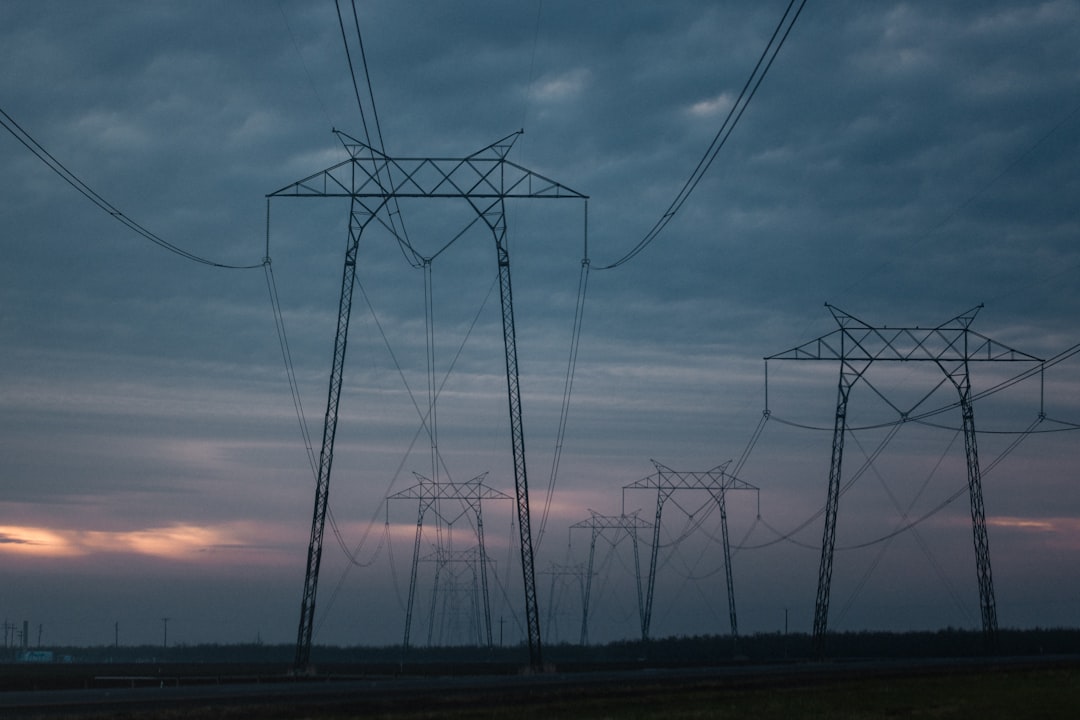
Geomagnetic induced currents (GICs) are electrical currents generated in conductive materials when the Earth’s magnetic field varies. These variations typically occur during geomagnetic storms, which are frequently triggered by solar activity including coronal mass ejections and solar flares. When charged particles from the sun interact with Earth’s magnetosphere, they create fluctuations in the magnetic field that induce currents in extended conductors such as power lines and pipelines.
This phenomenon results from the natural interaction between solar wind and Earth’s magnetic field and has substantial consequences for modern technological systems. The scientific basis of GICs derives from electromagnetic induction, a principle established by Michael Faraday in the nineteenth century. When magnetic fields change over time, they induce electrical currents in nearby conductive materials.
This process can produce unexpected and potentially harmful currents within electrical infrastructure. Comprehending GICs is essential for evaluating their effects on infrastructure, particularly in regions with higher vulnerability to geomagnetic storms. As technological dependence increases globally, understanding and mitigating GIC effects has become increasingly important.
The Earth’s Magnetic Field plays a crucial role in protecting our planet from solar radiation.
Key Takeaways
- Geomagnetic induced currents (GICs) pose significant risks to power grids by disrupting electrical systems and causing outages.
- Historical geomagnetic storms have demonstrated the vulnerability of certain regions and infrastructure to severe impacts.
- Effective monitoring and early warning systems are crucial for timely response and mitigation of GIC effects.
- Strengthening grid resilience through investment, hardening, and coordinated efforts with government and experts enhances protection.
- International collaboration, public education, and ongoing research are essential for improving preparedness and response to geomagnetic threats.
Potential Risks to the Power Grid
The power grid is particularly vulnerable to the effects of geomagnetic induced currents. When GICs flow through transformers and other components of the electrical grid, they can cause overheating, saturation, and even failure of critical equipment. This can lead to widespread power outages, which can have cascading effects on other systems that depend on electricity, such as communication networks, transportation systems, and emergency services.
The potential for disruption is significant, especially during periods of heightened solar activity. Moreover, the risks associated with GICs are not limited to immediate equipment failure. Long-term exposure to these currents can degrade the integrity of electrical infrastructure over time, leading to increased maintenance costs and reduced reliability.
Utilities may face challenges in predicting when geomagnetic storms will occur and how severe their impacts will be. As a result, understanding the risks posed by GICs is essential for developing effective strategies to protect the power grid and ensure its resilience against natural phenomena.
Historical Events and Impacts
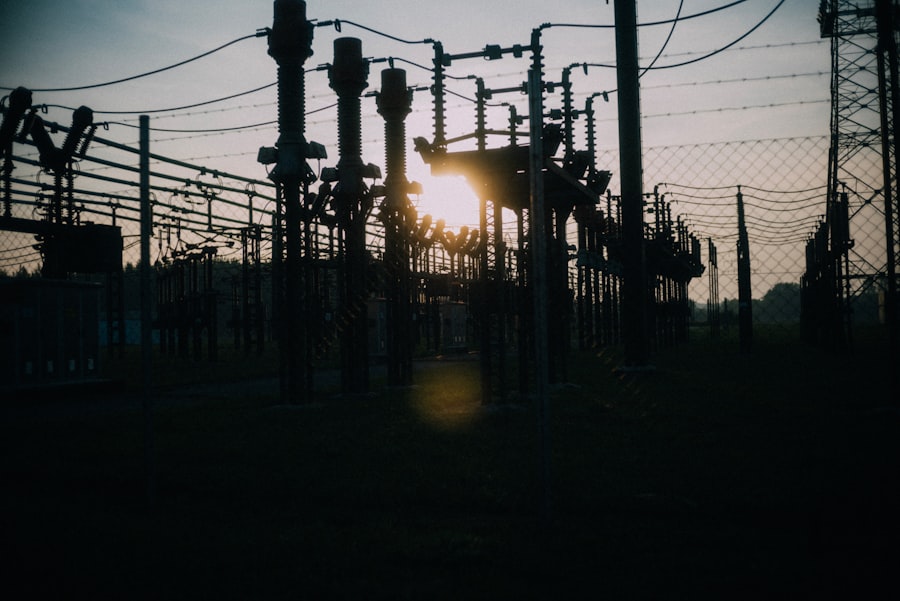
Historically, there have been several notable events that illustrate the impact of geomagnetic storms on electrical systems. One of the most significant incidents occurred in March 1989 when a severe geomagnetic storm caused a nine-hour blackout in Quebec, Canada. The storm induced strong GICs that overwhelmed transformers and led to a cascading failure of the power grid.
This event highlighted the vulnerability of electrical infrastructure to solar activity and served as a wake-up call for utilities worldwide. Another example is the Carrington Event of 1859, which is considered one of the most powerful geomagnetic storms on record. Although it predates modern electrical systems, its effects were felt through telegraph networks, which experienced widespread disruptions.
Operators reported sparks flying from equipment and even fires igniting due to induced currents. The Carrington Event serves as a historical benchmark for understanding the potential severity of geomagnetic storms and their capacity to disrupt technological systems.
Vulnerable Areas and Systems
Certain geographical areas are more susceptible to the effects of geomagnetic induced currents due to their location relative to the Earth’s magnetic poles. Regions at higher latitudes, such as Canada, Scandinavia, and parts of Russia, experience stronger geomagnetic disturbances compared to those closer to the equator. This increased susceptibility means that power grids in these areas must be particularly vigilant in monitoring geomagnetic activity and preparing for potential impacts.
In addition to geographical considerations, specific components of the power grid are more vulnerable to GICs than others. Transformers, especially those that are large and located in high-latitude regions, are at greater risk of damage from induced currents. Furthermore, long transmission lines can act as antennas that capture geomagnetic fluctuations, amplifying their effects on the grid.
Understanding which areas and systems are most vulnerable is crucial for prioritizing protective measures and ensuring that resources are allocated effectively.
Strategies for Monitoring Geomagnetic Activity
| Metric | Description | Typical Range/Value | Impact on Power Grid |
|---|---|---|---|
| Geomagnetically Induced Current (GIC) Magnitude | Current induced in power grid conductors due to geomagnetic disturbances | 0 to 100 Amperes (can exceed 300 A in extreme events) | Transformer saturation, increased reactive power demand, potential damage |
| Geomagnetic Disturbance (GMD) Intensity | Strength of geomagnetic storm measured by indices like Kp or Dst | Kp index: 0 to 9; Dst index: 0 to -500 nT (nanoTesla) | Higher intensity increases risk of large GICs and grid instability |
| Transformer Thermal Heating | Temperature rise in transformers due to GIC-induced losses | Up to 50°C above normal operating temperature | Accelerated aging, insulation damage, potential failure |
| Reactive Power Loss | Additional reactive power demand caused by transformer saturation | Up to 30% increase during severe GIC events | Voltage instability, increased risk of blackouts |
| Duration of GIC Event | Length of time GICs persist during geomagnetic storms | Minutes to several hours | Longer duration increases cumulative damage and operational challenges |
| Vulnerability Index | Composite score assessing grid susceptibility to GICs | Scale from 0 (low) to 10 (high) | Helps prioritize mitigation and hardening efforts |
To effectively manage the risks associated with geomagnetic induced currents, utilities and researchers have developed various strategies for monitoring geomagnetic activity. One key approach involves utilizing ground-based magnetometers that measure fluctuations in the Earth’s magnetic field in real-time. These instruments provide valuable data that can help predict when geomagnetic storms are likely to occur and assess their potential intensity.
In addition to ground-based monitoring, satellite technology plays a vital role in observing solar activity and its impact on the Earth’s magnetosphere. Satellites equipped with specialized instruments can detect solar flares and coronal mass ejections before they reach Earth, providing early warning signals for potential geomagnetic storms.
Mitigation Measures for Power Grid Protection
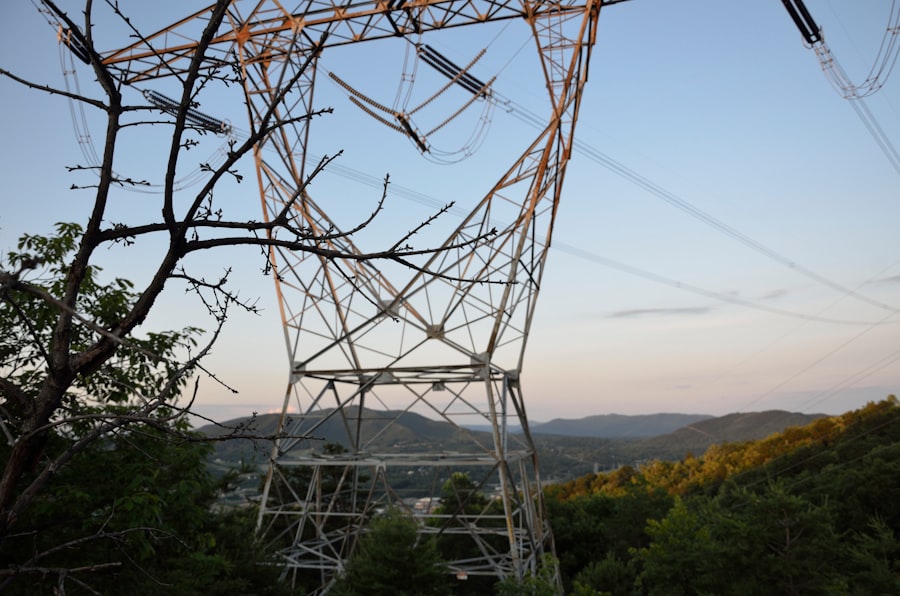
Utilities have implemented various mitigation measures to protect the power grid from the impacts of geomagnetic induced currents. One common strategy involves designing transformers with enhanced resistance to GICs. This may include using materials that can withstand higher levels of induced currents or incorporating protective devices that can divert excess currents away from sensitive equipment.
Another approach is to develop operational protocols that allow utilities to respond quickly during geomagnetic storms. This may involve temporarily reducing load on certain parts of the grid or disconnecting vulnerable components during periods of high geomagnetic activity. By having a well-defined response plan in place, utilities can minimize disruptions and protect critical infrastructure from damage.
Coordination with Government Agencies and Experts
Effective management of geomagnetic induced currents requires collaboration between utilities, government agencies, and scientific experts. Agencies such as the National Oceanic and Atmospheric Administration (NOAA) and the U.S. Geological Survey (USGS) play crucial roles in monitoring space weather and providing forecasts related to geomagnetic storms.
By working closely with these organizations, utilities can access timely information that informs their operational decisions. Furthermore, engaging with academic institutions and research organizations can enhance understanding of GICs and their impacts on electrical systems. Collaborative research initiatives can lead to improved modeling techniques and better predictive capabilities regarding geomagnetic activity.
By fostering partnerships across sectors, stakeholders can develop comprehensive strategies for addressing the challenges posed by GICs.
Investment in Grid Resilience and Hardening
Investing in grid resilience is essential for safeguarding against the impacts of geomagnetic induced currents. Utilities are increasingly recognizing the importance of hardening infrastructure to withstand extreme weather events and natural phenomena like geomagnetic storms. This may involve upgrading existing equipment, reinforcing transmission lines, or implementing advanced technologies that enhance grid stability.
Moreover, financial investment in research and development is critical for advancing technologies that can mitigate GIC impacts. Innovative solutions such as advanced transformer designs or real-time monitoring systems can significantly improve grid resilience. By prioritizing investment in these areas, utilities can better prepare for future challenges posed by geomagnetic activity.
International Collaboration and Information Sharing
Given that geomagnetic storms are a global phenomenon, international collaboration is vital for addressing their impacts on power grids worldwide. Countries can benefit from sharing data related to solar activity and its effects on electrical systems. Collaborative efforts can lead to improved forecasting models and enhanced understanding of regional vulnerabilities.
Organizations such as the International Energy Agency (IEA) facilitate information sharing among member countries regarding best practices for managing GIC risks. By participating in international forums and initiatives, utilities can learn from each other’s experiences and develop more effective strategies for protecting their grids from geomagnetic induced currents.
Public Awareness and Education Initiatives
Raising public awareness about the risks associated with geomagnetic induced currents is essential for fostering a culture of preparedness. Utilities can engage with communities through educational campaigns that inform residents about potential impacts on power supply during geomagnetic storms. By providing information on how individuals can prepare for outages or disruptions, utilities empower citizens to take proactive measures.
Additionally, educational initiatives targeting schools and local organizations can help cultivate a broader understanding of space weather phenomena among younger generations. By integrating topics related to geomagnetic activity into science curricula or community workshops, stakeholders can promote interest in STEM fields while also enhancing public knowledge about critical infrastructure resilience.
Future Research and Development Efforts
As technology continues to evolve, ongoing research into geomagnetic induced currents remains essential for improving grid resilience.
Additionally, exploring innovative solutions such as decentralized energy systems could enhance overall grid stability during periods of heightened solar activity.
Collaboration between academia, industry, and government agencies will be crucial in driving future research initiatives forward. By fostering an environment conducive to innovation and knowledge sharing, stakeholders can work together to address emerging challenges related to geomagnetic storms and ensure a more resilient power grid for generations to come. In conclusion, understanding geomagnetic induced currents is vital for safeguarding modern electrical infrastructure against natural phenomena that pose significant risks.
Through effective monitoring strategies, mitigation measures, international collaboration, public awareness initiatives, and ongoing research efforts, stakeholders can work together to enhance grid resilience and protect against the impacts of geomagnetic storms.
Geomagnetically induced currents (GICs) pose a significant threat to the stability of power grids, particularly during geomagnetic storms. Understanding the vulnerabilities associated with these currents is crucial for enhancing grid resilience. For a deeper exploration of this topic, you can refer to a related article that discusses the implications of GICs on power infrastructure. Check it out here: Freaky Science.
WATCH THIS! 💡 NASA KNEW: The Magnetic Field Secret They Didn’t Tell You
FAQs
What are geomagnetically induced currents (GICs)?
Geomagnetically induced currents (GICs) are electrical currents induced in power grids and other long conductors by variations in the Earth’s magnetic field, typically caused by solar storms or geomagnetic disturbances.
How do geomagnetic storms affect power grids?
Geomagnetic storms can cause fluctuations in the Earth’s magnetic field, inducing currents in power grid infrastructure. These currents can overload transformers, cause voltage instability, and potentially lead to widespread power outages.
Why are power grids vulnerable to GICs?
Power grids are vulnerable because long transmission lines and transformers can act as conductors for GICs. These quasi-DC currents can saturate transformer cores, leading to overheating, damage, and operational disruptions.
Which components of the power grid are most at risk from GICs?
Transformers, especially high-voltage transformers, are most at risk. GICs can cause transformer saturation, increased reactive power demand, heating, and in severe cases, permanent damage.
What regions are most susceptible to GIC-related power grid issues?
Regions at higher geomagnetic latitudes, such as northern parts of North America, Europe, and Asia, are generally more susceptible due to stronger geomagnetic disturbances. However, mid-latitude regions can also experience significant effects.
How can power grid operators mitigate the risks of GICs?
Operators can implement monitoring systems to detect GICs, use transformer designs less susceptible to saturation, adjust grid operations during geomagnetic storms, and develop response plans to minimize damage.
Are there any historical examples of power outages caused by GICs?
Yes, notable examples include the 1989 Hydro-Québec blackout in Canada, where a geomagnetic storm caused a nine-hour power outage affecting millions of people.
Can geomagnetic storms be predicted to protect power grids?
Space weather forecasting agencies monitor solar activity and provide warnings of geomagnetic storms, allowing grid operators to prepare and take preventive measures to reduce the impact of GICs.
What research is being done to improve power grid resilience against GICs?
Research focuses on better understanding GIC mechanisms, improving forecasting models, developing advanced transformer technologies, and creating grid management strategies to enhance resilience.
Do geomagnetically induced currents affect other infrastructure besides power grids?
Yes, GICs can also impact pipelines, communication cables, and railway signaling systems, but power grids are among the most vulnerable due to their extensive conductive networks.