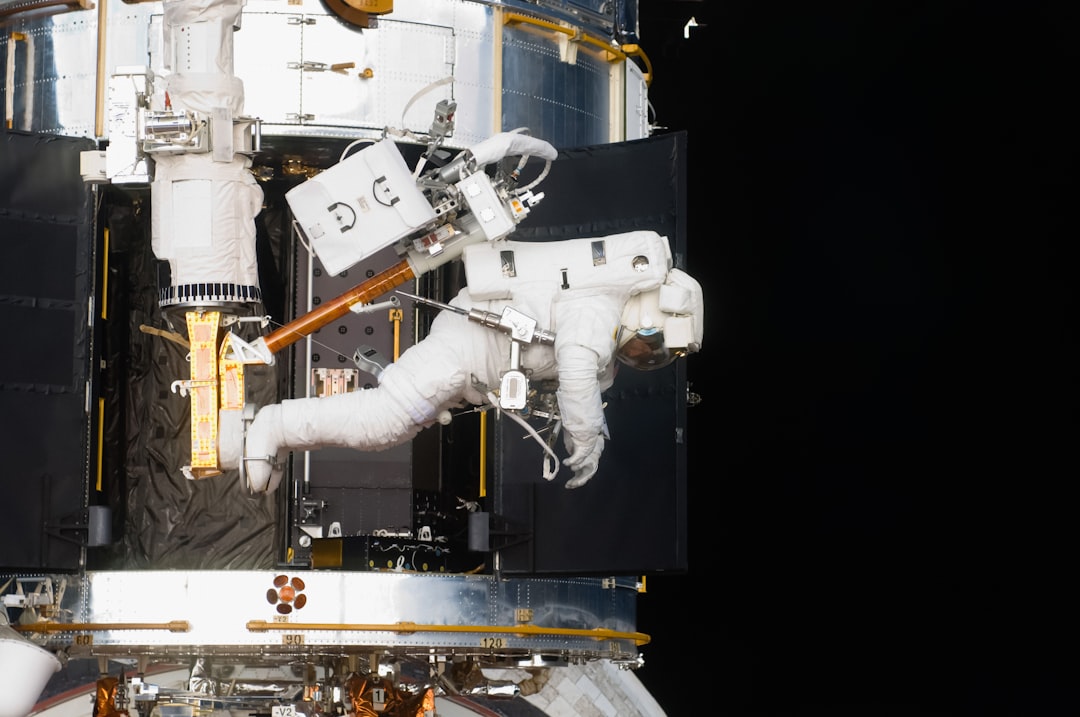
The Hubble Space Telescope, launched in 1990, stands as one of astronomy’s most significant instruments. Named after astronomer Edwin Hubble, this orbital observatory has delivered detailed images and critical scientific data about the cosmos. Operating in low Earth orbit, Hubble functions above Earth’s atmosphere, eliminating atmospheric distortion and enabling sharper observations of celestial objects.
Since its deployment, Hubble has advanced multiple astrophysical disciplines, including measuring the universe’s expansion rate, analyzing distant galaxies, and detecting exoplanets. The telescope features a 2.4-meter primary mirror and specialized instruments designed to observe ultraviolet, visible, and near-infrared wavelengths. Its sustained observation capabilities have produced major scientific breakthroughs, including the discovery of dark energy and the detection of the most distant galaxies known to science.
As a fundamental tool in contemporary astronomy, Hubble has expanded scientific understanding and motivated numerous researchers and science enthusiasts. Nevertheless, the telescope faces operational challenges, particularly from cosmic hazards such as the South Atlantic Anomaly, a region where Earth’s magnetic field is weakened and exposes the instrument to increased radiation.
Key Takeaways
- The South Atlantic Anomaly (SAA) causes periodic blackouts in the Hubble Space Telescope’s operations, posing challenges for space exploration.
- SAA blackouts can disrupt data collection and damage sensitive instruments aboard the Hubble.
- Mitigation strategies, including advanced shielding and operational adjustments, are essential to minimize SAA impacts.
- Continuous monitoring and international collaboration are crucial for managing the risks associated with the SAA.
- Addressing the SAA blackout drives technological innovation and informs the design of future space missions.
The significance of the South Atlantic Anomaly (SAA) for space exploration
The South Atlantic Anomaly is a region where the Earth’s magnetic field is notably weaker than in other areas, resulting in increased exposure to cosmic radiation. This phenomenon occurs due to the tilt and irregularities in the Earth’s magnetic field, which allows charged particles from solar winds and cosmic rays to penetrate deeper into the atmosphere. For space exploration, particularly for satellites and spacecraft operating in low Earth orbit, the SAA presents a unique set of challenges.
The increased radiation levels can interfere with electronic systems, potentially leading to malfunctions or data loss. Understanding the SAA is crucial for mission planning and satellite design. Space agencies must account for this anomaly when launching missions that will traverse or operate within its vicinity.
The SAA’s impact extends beyond immediate operational concerns; it also influences long-term mission viability and data integrity. As more satellites are launched into orbit, awareness of the SAA’s effects becomes increasingly important for ensuring the safety and success of these missions. The implications of the SAA are particularly pronounced for sensitive instruments like those aboard the Hubble Space Telescope, which rely on precise measurements and data collection. The Earth’s Magnetic Field plays a crucial role in protecting our planet from solar radiation.
Understanding the Hubble Space Telescope SAA blackout
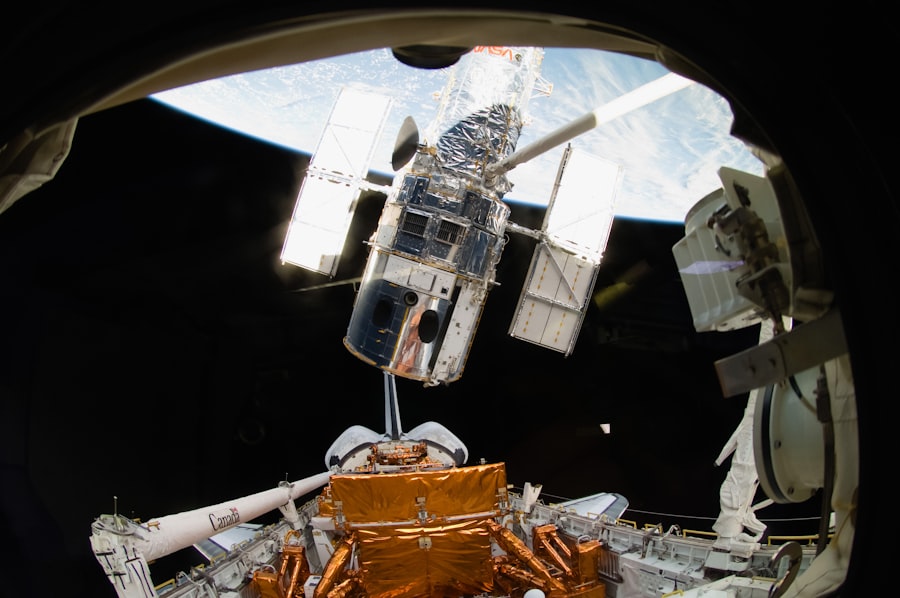
The Hubble Space Telescope experiences periodic blackouts when it passes through the South Atlantic Anomaly. During these intervals, the telescope’s instruments may temporarily shut down or enter a safe mode to protect sensitive components from radiation damage. This precautionary measure is essential for preserving the integrity of Hubble’s scientific instruments and ensuring that they continue to function optimally throughout its mission lifespan.
The blackouts can last from a few minutes to several hours, depending on Hubble’s trajectory and speed. These SAA-induced blackouts can disrupt ongoing observations and data collection efforts. For astronomers relying on Hubble’s data for their research, these interruptions can pose significant challenges.
The telescope’s ability to conduct long-term studies or monitor transient astronomical events may be compromised during these periods. Understanding the frequency and duration of these blackouts is vital for scientists who plan their observations around Hubble’s operational schedule. As such, researchers must remain adaptable and develop strategies to mitigate the impact of these interruptions on their work.
The potential impact of the SAA blackout on the Hubble Space Telescope
The SAA blackout poses several potential impacts on the Hubble Space Telescope’s operations and scientific output. One immediate concern is the interruption of critical observations that may be time-sensitive or require continuous monitoring. For instance, events such as supernovae or gamma-ray bursts demand precise timing for optimal observation.
If Hubble experiences a blackout during such an event, it could result in missed opportunities for capturing valuable data that could enhance understanding of these phenomena. Moreover, repeated exposure to radiation during SAA blackouts can lead to cumulative effects on Hubble’s instruments over time. While protective measures are in place, prolonged exposure may still result in degradation of sensitive components, potentially affecting their performance and accuracy.
This degradation could limit Hubble’s ability to conduct high-resolution observations or lead to increased noise in collected data. As a result, scientists must carefully analyze data collected during or immediately after SAA blackouts to account for any anomalies that may arise from these interruptions.
The risks associated with the SAA blackout for space exploration
| Metric | Value | Description |
|---|---|---|
| Event | SAA Blackout | South Atlantic Anomaly (SAA) causes temporary shutdown of Hubble’s instruments |
| Frequency | ~15 passes per day | Number of times Hubble passes through the SAA daily |
| Duration per pass | ~10 minutes | Average time Hubble spends in the SAA during each orbit |
| Impact on observations | Data blackout | Instruments are powered down to avoid radiation damage, causing data loss |
| Radiation increase | Up to 100x background levels | Radiation levels in SAA are significantly higher than normal space environment |
| Mitigation | Instrument shutdown and data flagging | Hubble powers down sensitive instruments and flags data during SAA passes |
The risks associated with SAA blackouts extend beyond individual missions like that of the Hubble Space Telescope; they encompass broader implications for space exploration as a whole. As more satellites are deployed into low Earth orbit, understanding and mitigating the effects of radiation exposure becomes increasingly critical. The potential for electronic malfunctions or data corruption poses significant risks not only to scientific missions but also to commercial satellites that support global communications and navigation systems.
Additionally, as humanity ventures further into space with plans for missions to Mars and beyond, understanding radiation environments like the SAA will be essential for ensuring astronaut safety. Prolonged exposure to cosmic radiation can have detrimental health effects on crew members, necessitating robust shielding and monitoring strategies during missions. The lessons learned from studying SAA blackouts can inform future spacecraft designs and operational protocols, ultimately enhancing safety and mission success rates.
Mitigation strategies for the Hubble Space Telescope SAA blackout
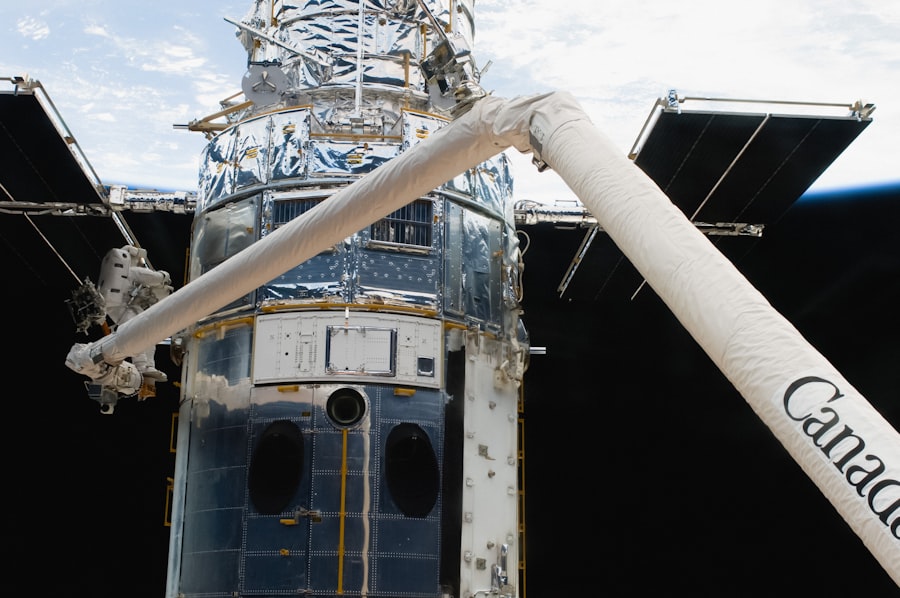
To address the challenges posed by SAA blackouts, engineers and scientists have developed several mitigation strategies for the Hubble Space Telescope. One primary approach involves scheduling observations around known blackout periods, allowing scientists to maximize data collection while minimizing disruptions. By carefully planning observation windows and utilizing predictive models of Hubble’s trajectory through the SAA, researchers can optimize their use of this invaluable resource.
Another strategy involves enhancing Hubble’s onboard systems to better withstand radiation exposure during blackouts. This may include implementing redundant systems or shielding sensitive components more effectively. Additionally, ongoing monitoring of instrument performance during and after SAA blackouts can help identify any potential issues early on, allowing for timely interventions or adjustments to operational protocols.
By continuously refining these strategies, mission planners can ensure that Hubble remains a productive tool for astronomical research despite the challenges posed by its environment.
The role of the SAA blackout in shaping future space exploration missions
The South Atlantic Anomaly serves as a critical case study in understanding how environmental factors influence space exploration missions. As agencies like NASA and ESA plan future missions beyond low Earth orbit, insights gained from Hubble’s experiences with SAA blackouts will inform design considerations for new spacecraft. For instance, missions targeting lunar or Martian environments will need to account for different radiation profiles compared to those encountered in low Earth orbit.
Furthermore, as satellite constellations become more prevalent in commercial space endeavors, awareness of radiation hazards like those presented by the SAA will be essential for ensuring operational reliability. Future spacecraft may incorporate advanced shielding technologies or utilize innovative materials designed to mitigate radiation effects more effectively. By learning from past experiences with phenomena like the SAA blackout, space agencies can enhance mission resilience and ensure successful outcomes in increasingly complex exploration endeavors.
The importance of monitoring and studying the SAA for space agencies
Monitoring and studying the South Atlantic Anomaly is paramount for space agencies aiming to safeguard their missions against radiation-related risks. Continuous observation of changes in Earth’s magnetic field can provide valuable insights into how the SAA evolves over time and how it may impact future missions. By investing in research focused on understanding this anomaly better, agencies can develop more effective strategies for mitigating its effects on spacecraft operations.
Additionally, collaboration between different space agencies can enhance knowledge-sharing regarding best practices for dealing with radiation exposure in low Earth orbit. Joint research initiatives can lead to advancements in technology and operational protocols that benefit all stakeholders involved in space exploration. By prioritizing studies related to the SAA, agencies can ensure that they remain prepared for potential challenges while maximizing their scientific output.
The technological advancements needed to address the SAA blackout
Addressing the challenges posed by SAA blackouts requires ongoing technological advancements across various domains within aerospace engineering and instrumentation design. Innovations in materials science could lead to more effective radiation shielding solutions that protect sensitive components without adding excessive weight to spacecraft. Lightweight yet durable materials capable of absorbing or deflecting radiation could significantly enhance mission resilience.
Moreover, advancements in onboard computing systems may allow spacecraft like Hubble to better manage operations during periods of heightened radiation exposure. Implementing artificial intelligence algorithms could enable real-time decision-making regarding instrument status and observation scheduling based on current environmental conditions. By harnessing cutting-edge technology, space agencies can develop more robust systems capable of adapting dynamically to changing circumstances while ensuring continued scientific productivity.
Collaborative efforts in addressing the SAA blackout and its impact on space exploration
Collaboration among international space agencies is essential for effectively addressing the challenges posed by SAA blackouts and their implications for future missions. Joint research initiatives can facilitate knowledge-sharing regarding best practices for mitigating radiation exposure risks while enhancing overall mission success rates across various programs worldwide. By pooling resources and expertise, agencies can develop comprehensive strategies that benefit all stakeholders involved in space exploration.
Furthermore, partnerships between governmental organizations and private industry can drive innovation in spacecraft design and operational protocols aimed at minimizing risks associated with radiation exposure during SAA blackouts.
the future of the Hubble Space Telescope and space exploration amidst the SAA blackout
As humanity continues its quest to explore the cosmos, understanding phenomena like the South Atlantic Anomaly will play a pivotal role in shaping future missions and ensuring their success. The Hubble Space Telescope stands as a testament to human ingenuity and perseverance in unraveling the mysteries of our universe; however, its operations are not without challenges posed by environmental factors such as SAA blackouts. By prioritizing research focused on monitoring this anomaly while investing in technological advancements aimed at mitigating its effects, space agencies can ensure that instruments like Hubble remain productive tools for scientific discovery well into the future.
Collaborative efforts among international partners will further enhance resilience against radiation-related risks while fostering innovation across various domains within aerospace engineering. Ultimately, as we look ahead toward new frontiers beyond our planet—whether it be Mars exploration or deep-space missions—the lessons learned from studying phenomena like the South Atlantic Anomaly will inform our approach toward safe and successful endeavors in an ever-expanding universe.
The recent blackout of the Hubble Space Telescope’s Science Instrument and Data Processing Unit has raised concerns among astronomers and space enthusiasts alike. For those interested in understanding the implications of this event and the ongoing efforts to restore Hubble’s functionality, a related article can be found at Freaky Science, which delves into the technical challenges and potential solutions being explored by NASA engineers.
WATCH THIS! 💡 NASA KNEW: The Magnetic Field Secret They Didn’t Tell You
FAQs
What is the Hubble Space Telescope SAA blackout?
The Hubble Space Telescope SAA blackout refers to periods when the telescope suspends scientific observations while passing through the South Atlantic Anomaly (SAA), a region where Earth’s inner Van Allen radiation belt comes closest to the surface, exposing satellites to increased radiation.
Why does the Hubble Space Telescope experience blackouts in the South Atlantic Anomaly?
The increased radiation in the South Atlantic Anomaly can interfere with Hubble’s sensitive instruments and electronics. To protect the telescope and ensure data quality, Hubble temporarily halts observations during each pass through this region.
How often does the Hubble Space Telescope pass through the South Atlantic Anomaly?
Hubble orbits Earth approximately every 95 minutes, and it passes through the South Atlantic Anomaly multiple times each day, resulting in several blackout periods daily.
How long do the blackout periods last during the SAA passage?
Each blackout period typically lasts about 10 to 15 minutes, corresponding to the time Hubble spends traversing the high-radiation area of the South Atlantic Anomaly.
Does the SAA blackout affect the overall mission of the Hubble Space Telescope?
While the blackout periods temporarily interrupt observations, mission planners account for these intervals when scheduling observations. The overall impact on Hubble’s scientific output is minimal.
Are other satellites affected by the South Atlantic Anomaly?
Yes, many satellites in low Earth orbit, including the International Space Station and Earth-observing satellites, experience increased radiation exposure when passing through the SAA and may implement protective measures similar to Hubble’s blackout.
What measures does the Hubble Space Telescope take during the SAA blackout?
During the blackout, Hubble powers down or places sensitive instruments in safe modes to prevent damage from radiation and avoid collecting corrupted data.
Can the effects of the South Atlantic Anomaly on satellites be mitigated?
Mitigation strategies include shielding sensitive components, powering down instruments during SAA passage, and designing electronics to tolerate higher radiation levels. However, the anomaly’s effects cannot be completely eliminated.
Has the South Atlantic Anomaly changed over time?
Yes, the South Atlantic Anomaly is dynamic and has been observed to shift and change in intensity over decades due to variations in Earth’s magnetic field.
Where can I find more information about the Hubble Space Telescope and the South Atlantic Anomaly?
Official NASA websites, scientific publications, and space agency resources provide detailed information about Hubble operations and the South Atlantic Anomaly’s impact on satellites.