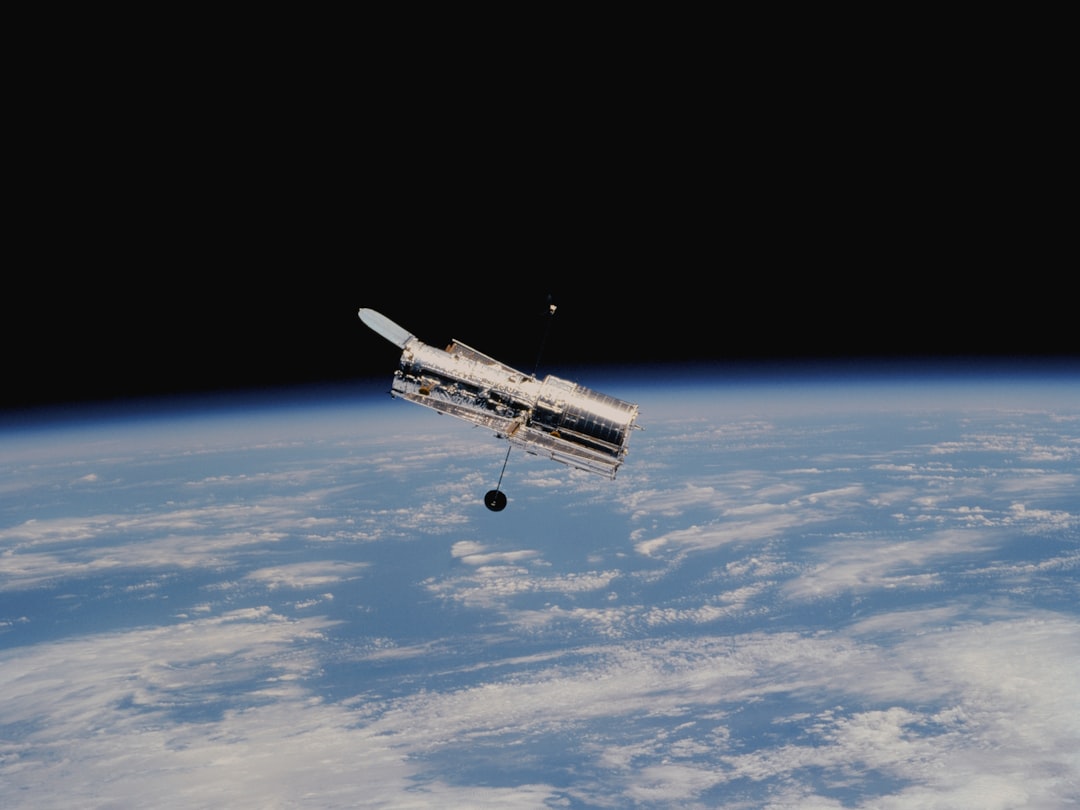
Radiation exposure in space represents a significant hazard for astronauts and space agencies. Earth’s atmosphere and magnetic field shield the planet from cosmic rays and solar radiation, but space lacks these protective barriers. Astronauts in space encounter unshielded radiation, including galactic cosmic rays (GCRs) and solar particle events (SPEs).
GCRs are high-energy particles from outside the solar system, while SPEs are radiation bursts released by the sun during solar flares. The radiation intensity and type vary based on mission duration, spacecraft trajectory, and solar activity levels. Developing protective measures for astronauts requires comprehensive knowledge of space radiation.
The radiation environment in space is both more intense and less predictable than Earth’s. During periods of high solar activity, astronauts experience increased SPE exposure, which creates acute health risks.
The Earth’s Magnetic Field plays a crucial role in protecting our planet from solar radiation.
Key Takeaways
- Space radiation poses significant health risks to astronauts, requiring effective shielding and monitoring.
- The International Space Station uses specialized materials and technology to reduce radiation exposure.
- Continuous measurement of radiation levels onboard helps manage and minimize astronaut exposure.
- Long-term space missions increase the risk of radiation-related health issues, necessitating advanced protection strategies.
- International collaboration and ongoing research are crucial for developing improved radiation shielding for future exploration.
The Effects of Radiation on Astronauts
The effects of radiation on astronauts can be both immediate and long-term, impacting their health in various ways. Acute radiation sickness can occur after high doses of radiation exposure, leading to symptoms such as nausea, vomiting, and fatigue. However, the more insidious effects of radiation exposure manifest over time.
Prolonged exposure to cosmic radiation has been linked to an increased risk of cancer, cardiovascular diseases, and potential damage to the central nervous system. These health risks are particularly concerning for astronauts who spend extended periods aboard the International Space Station (ISS) or embark on deep-space missions. Research has shown that even low levels of radiation can have cumulative effects on human health.
Astronauts may experience changes in their immune systems, alterations in DNA, and increased oxidative stress due to radiation exposure. The psychological impact of these risks cannot be overlooked either; the knowledge that they are exposed to harmful radiation can lead to anxiety and stress among crew members. As space agencies plan for longer missions beyond low Earth orbit, understanding these effects becomes crucial for developing strategies to mitigate risks and ensure the well-being of astronauts.
The International Space Station’s Radiation Shielding

The International Space Station (ISS) serves as a unique laboratory for studying the effects of radiation in space and has been equipped with various shielding technologies to protect its crew. The structure of the ISS itself provides some degree of shielding against radiation; however, it is not sufficient to eliminate all risks. The materials used in the construction of the ISS, such as aluminum and polyethylene, help attenuate some of the radiation but cannot fully protect against high-energy particles.
To enhance protection, additional shielding materials are often employed within specific modules where astronauts spend significant time. For instance, water tanks and specialized shielding panels are strategically placed to absorb or deflect incoming radiation. Furthermore, research is ongoing to explore advanced materials that could offer better protection against cosmic rays.
The ISS serves as a testing ground for these innovations, allowing scientists to evaluate their effectiveness in real-time conditions. As missions extend further into space, such as those planned for Mars, the lessons learned from the ISS will be invaluable in designing future spacecraft with enhanced radiation shielding capabilities.
Measuring Radiation Levels on the International Space Station
Accurate measurement of radiation levels aboard the ISS is essential for assessing astronaut exposure and ensuring their safety. Various instruments are employed to monitor radiation continuously, providing real-time data on the types and intensities of radiation present in the station’s environment. These instruments include dosimeters that measure accumulated doses over time and spectrometers that analyze the energy levels of incoming particles.
The data collected from these measurements are crucial for understanding how different factors—such as solar activity or changes in the ISS’s orbit—affect radiation levels. This information helps mission planners make informed decisions about crew activities during periods of heightened radiation risk. Additionally, it allows researchers to study the long-term effects of space radiation on human health by correlating exposure data with health outcomes observed in astronauts over time.
As technology advances, more sophisticated monitoring systems are being developed to enhance the accuracy and reliability of radiation measurements in space.
How Astronauts Minimize Radiation Exposure
| Metric | Value | Unit | Notes |
|---|---|---|---|
| Average Daily Radiation Dose | 0.3 | mSv/day | Approximately 150 times higher than on Earth |
| Annual Radiation Dose | 110 | mSv/year | Varies with solar activity and orbit altitude |
| Maximum Recorded Dose Rate | 1.2 | mSv/hour | During solar particle events |
| Radiation Type | Galactic Cosmic Rays (GCR), Solar Particle Events (SPE), Trapped Radiation | N/A | Mixed radiation environment |
| Shielding Effectiveness | ~50% | Reduction in dose | Depends on module materials and thickness |
| Typical Mission Duration | 6 | Months | Exposure accumulates over mission length |
| Radiation Exposure Limit for Astronauts | 600 | mSv (career limit) | Set by NASA for career exposure |
Astronauts employ several strategies to minimize their exposure to radiation while aboard the ISS or during spacewalks. One primary method involves scheduling activities based on real-time radiation data; for example, astronauts may limit their time in areas with higher radiation levels during solar events or when cosmic rays are particularly intense. Additionally, they can take advantage of the ISS’s shielding by positioning themselves in modules that offer better protection during periods of elevated risk.
Another approach involves personal protective equipment designed to reduce radiation exposure. While traditional space suits provide some level of shielding, advancements are being made to develop suits with enhanced protective materials that can better absorb or deflect harmful particles. Furthermore, astronauts are trained to recognize signs of increased radiation risk and respond accordingly, ensuring they remain vigilant about their safety throughout their missions.
Long-Term Health Risks of Radiation Exposure in Space
The long-term health risks associated with radiation exposure in space are a significant concern for both astronauts and space agencies.
The risk is particularly pronounced for astronauts who participate in multiple missions over their careers, as cumulative exposure can lead to a higher probability of adverse health outcomes.
Moreover, research suggests that radiation may also affect cognitive function and mental health over time. Astronauts may experience changes in memory, attention span, and overall cognitive performance due to chronic exposure to high-energy particles. Understanding these long-term risks is essential for developing effective countermeasures and ensuring that astronauts can safely undertake extended missions beyond low Earth orbit.
Radiation Exposure Risks for Future Space Missions
As humanity sets its sights on ambitious future space missions—such as crewed missions to Mars—the risks associated with radiation exposure become even more pronounced. The journey to Mars would expose astronauts to significantly higher levels of cosmic radiation than those experienced aboard the ISS due to the longer duration and distance from Earth’s protective atmosphere. This raises critical questions about how best to protect crew members during such missions.
Space agencies must consider not only the immediate risks but also the long-term health implications for astronauts returning from deep-space missions. Developing effective shielding technologies and strategies will be paramount in mitigating these risks. Additionally, understanding how different individuals respond to radiation exposure will be crucial for tailoring protective measures based on individual susceptibility.
Research on Radiation Protection in Space
Ongoing research into radiation protection in space is vital for safeguarding astronauts’ health during current and future missions. Scientists are exploring various approaches to enhance shielding effectiveness, including advanced materials that can better absorb or deflect harmful particles. For instance, research into hydrogen-rich materials has shown promise due to their ability to attenuate high-energy cosmic rays effectively.
Moreover, studies are being conducted on pharmacological interventions that could help mitigate the biological effects of radiation exposure. These include exploring compounds that may enhance DNA repair mechanisms or reduce oxidative stress caused by radiation damage. By combining advanced materials with potential medical countermeasures, researchers aim to develop comprehensive strategies for protecting astronauts from the harmful effects of space radiation.
The Role of NASA in Monitoring Radiation Exposure
NASA plays a pivotal role in monitoring radiation exposure among astronauts and developing strategies to mitigate associated risks. Through its extensive research programs and partnerships with academic institutions and private industry, NASA continuously seeks innovative solutions for protecting crew members during space missions. The agency employs sophisticated monitoring systems aboard the ISS to track real-time radiation levels and assess potential risks.
Additionally, NASA collaborates with other space agencies and organizations worldwide to share data and best practices related to radiation protection. This collaborative approach enhances understanding of space radiation’s effects on human health and fosters advancements in shielding technologies and monitoring systems. As NASA prepares for future missions beyond low Earth orbit, its commitment to monitoring and addressing radiation exposure remains a top priority.
Collaboration with International Space Agencies on Radiation Protection
Collaboration among international space agencies is essential for addressing the challenges posed by radiation exposure in space exploration. Agencies such as ESA (European Space Agency), Roscosmos (Russian Federal Space Agency), and JAXA (Japan Aerospace Exploration Agency) work together with NASA to share knowledge, resources, and research findings related to radiation protection. This cooperative effort allows for a more comprehensive understanding of space radiation’s effects on human health and facilitates the development of effective countermeasures.
Joint research initiatives often focus on testing new shielding materials or monitoring technologies that can be applied across different missions and spacecraft designs. By pooling expertise and resources, international partners can accelerate advancements in radiation protection strategies while ensuring that astronauts’ safety remains a shared priority across global space exploration efforts.
Future Developments in Radiation Shielding for Space Exploration
The future of radiation shielding for space exploration holds great promise as researchers continue to innovate and develop new technologies aimed at protecting astronauts from harmful cosmic rays and solar particles. One area of focus is the exploration of advanced materials that can provide superior shielding capabilities compared to traditional options like aluminum or polyethylene. For instance, researchers are investigating nanomaterials and composites that could offer lightweight yet effective protection against high-energy particles.
Additionally, concepts such as active shielding—where electromagnetic fields are used to deflect charged particles—are being explored as potential solutions for future spacecraft design. These advancements could revolutionize how astronauts are protected during long-duration missions beyond low Earth orbit. As technology evolves and our understanding of space radiation deepens, future developments in shielding will play a crucial role in ensuring safe exploration of our solar system and beyond.
Recent studies have highlighted the significant concerns regarding radiation exposure for astronauts aboard the International Space Station (ISS). Understanding the effects of this exposure is crucial for long-term space missions, especially as we look towards Mars exploration. For more in-depth information on this topic, you can read the article on radiation exposure in space missions at Freaky Science.
WATCH THIS! 💡 NASA KNEW: The Magnetic Field Secret They Didn’t Tell You
FAQs
What is radiation exposure on the International Space Station (ISS)?
Radiation exposure on the ISS refers to the amount of ionizing radiation astronauts receive while living and working in low Earth orbit. This radiation comes primarily from cosmic rays and solar particle events, which are more intense outside Earth’s protective atmosphere and magnetic field.
Why is radiation exposure a concern for astronauts on the ISS?
Radiation exposure is a concern because it can increase the risk of cancer, damage tissues and organs, and cause acute radiation sickness in high doses. Long-term exposure may also affect the central nervous system and lead to other health issues.
How much radiation do astronauts typically receive on the ISS?
Astronauts on the ISS receive about 150 to 200 millisieverts (mSv) of radiation per year, which is roughly 10 times higher than the average annual exposure on Earth. This level varies depending on solar activity and the spacecraft’s orbit.
What types of radiation are present on the ISS?
The main types of radiation on the ISS include galactic cosmic rays (GCRs), solar particle events (SPEs), and trapped radiation belts. These consist of high-energy protons, heavy ions, and secondary particles generated when cosmic rays interact with the spacecraft.
How does the ISS protect astronauts from radiation?
The ISS uses shielding materials such as aluminum and polyethylene to reduce radiation exposure. Additionally, mission planners monitor solar activity and can move astronauts to more shielded areas during solar storms. Research is ongoing to develop better protective measures.
Are there limits to how much radiation astronauts can be exposed to on the ISS?
Yes, space agencies like NASA set career radiation dose limits for astronauts based on age and sex to minimize health risks. These limits help determine mission duration and frequency to keep cumulative exposure within safe bounds.
How is radiation exposure monitored on the ISS?
Radiation exposure is monitored using dosimeters worn by astronauts and instruments installed throughout the ISS. These devices measure the type and amount of radiation in real-time to assess exposure levels and inform safety protocols.
Can radiation exposure on the ISS affect future space missions?
Yes, understanding radiation exposure on the ISS helps inform safety standards and protective strategies for longer missions, such as those to the Moon or Mars, where radiation levels are even higher and protection is more challenging.
What research is being done to better understand radiation exposure on the ISS?
Scientists conduct experiments on the ISS to study the biological effects of space radiation on human cells, animals, and plants. This research aims to develop improved shielding, medical countermeasures, and risk assessment models for astronaut health.