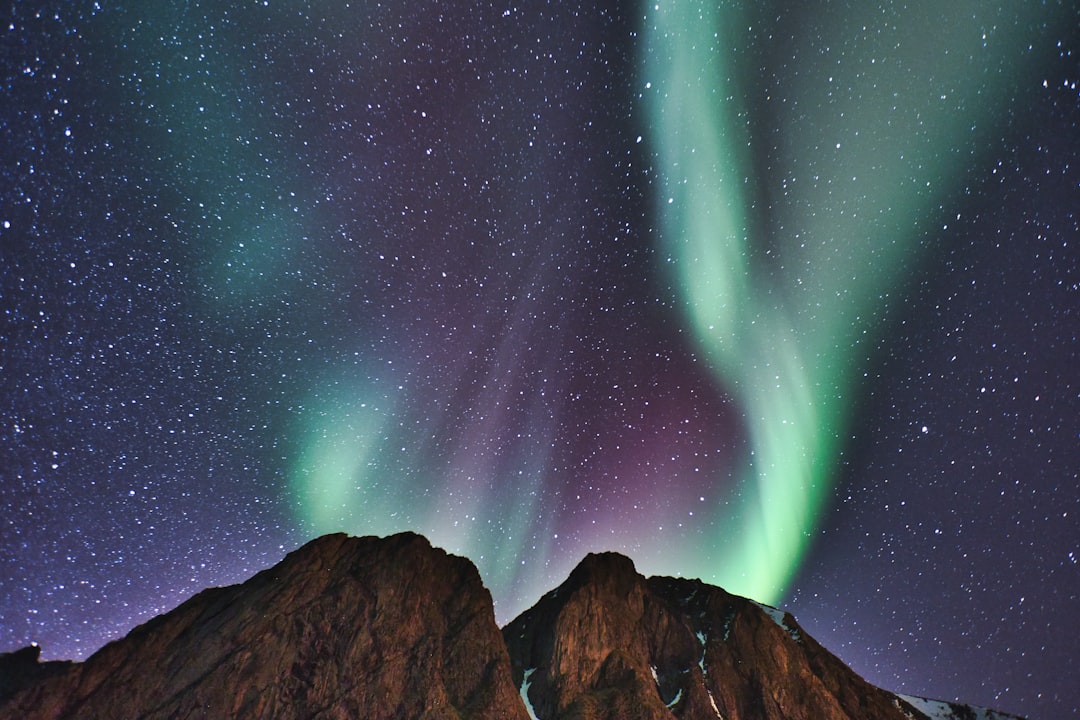
Aurora drifting equatorward is a phenomenon where auroras (Northern and Southern Lights) appear closer to the Earth’s equator than their typical polar locations. These luminous displays normally occur in high-latitude regions where solar particles interact with Earth’s magnetic field and atmospheric gases. During intense solar activity events, such as solar storms or coronal mass ejections, the auroral oval expands toward mid-latitudes.
This equatorward expansion happens when the sun releases larger amounts of charged particles that compress Earth’s magnetosphere, allowing the aurora to form at lower latitudes. The intensity and reach of these expanded auroras correlate directly with the strength of solar disturbances. Scientists measure this activity using the Kp index, with higher values indicating greater potential for auroras to be visible farther from the poles.
Tracking and predicting aurora movements has scientific significance for understanding space weather patterns and their effects on Earth’s geomagnetic systems. These unusual equatorward auroral displays also provide valuable research opportunities regarding the interaction between solar wind and our planet’s protective magnetic field.
Key Takeaways
- Aurora drifting equatorward occurs when auroras extend beyond their usual polar regions due to increased solar activity.
- The phenomenon is driven by interactions between solar wind and Earth’s magnetic field, causing charged particles to collide with the atmosphere.
- Optimal viewing times and locations vary, with higher chances during strong solar storms and in regions closer to the equator than typical aurora zones.
- Capturing the aurora requires specific camera settings, including long exposures and high ISO, to highlight the vivid colors and movement.
- Conservation and monitoring efforts are important to preserve dark skies and study the effects of solar activity on auroral displays.
The Science Behind the Phenomenon
The science behind auroras drifting equatorward is rooted in the complex interactions between solar wind, the Earth’s magnetic field, and its atmosphere. Solar wind consists of charged particles emitted by the sun, which travel through space and can collide with the Earth’s magnetic field. When these particles reach the Earth, they are funneled towards the poles by the planet’s magnetic lines of force.
As they enter the atmosphere, they collide with gas molecules, primarily oxygen and nitrogen, resulting in the release of energy in the form of light—this is what creates the stunning visual display known as an aurora. During periods of intense solar activity, such as during a solar storm, the influx of charged particles can overwhelm the Earth’s magnetic field. This can lead to a phenomenon known as magnetic reconnection, where the magnetic field lines rearrange themselves and allow more particles to penetrate deeper into the atmosphere.
As a result, auroras can be seen at lower latitudes than usual, drifting equatorward and providing a unique opportunity for those living in regions that typically do not experience them.
Where and When to See the Aurora Drifting Equatorward
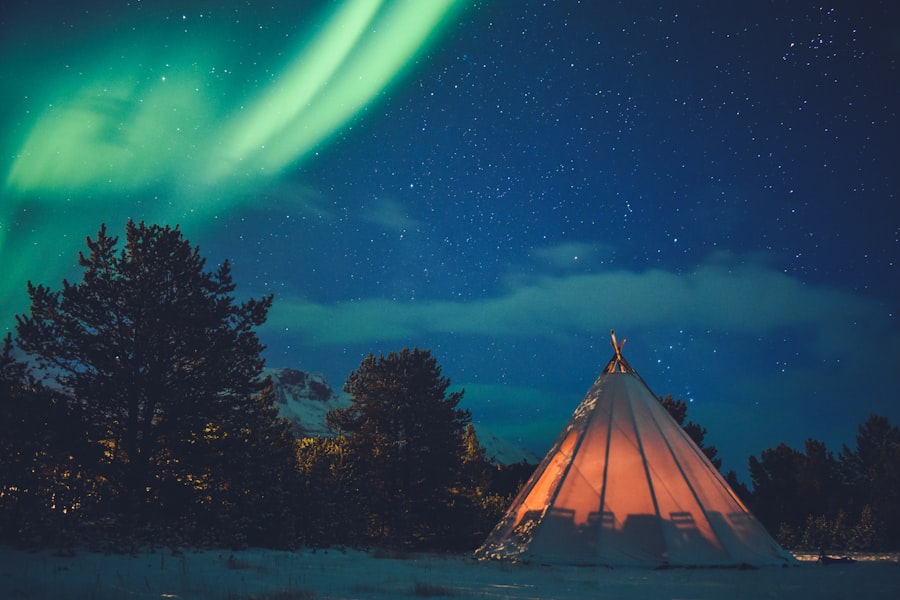
The best time to witness auroras drifting equatorward is during periods of heightened solar activity, which often coincide with the 11-year solar cycle. During solar maximum, when sunspots and solar flares are most prevalent, the chances of seeing auroras in lower latitudes increase significantly. Typically, these events occur during the fall and winter months when nights are longer and skies are darker, providing optimal conditions for viewing.
Regions that are usually outside the auroral oval may experience these lights during significant solar events. For instance, areas in northern Europe, parts of Canada, and even northern states in the United States like Minnesota and Michigan have reported sightings during strong geomagnetic storms. Similarly, southern regions such as parts of Australia and New Zealand may also experience auroras drifting equatorward during these times.
Observers should keep an eye on space weather forecasts to increase their chances of witnessing this extraordinary phenomenon.
How to Capture the Spectacle on Camera
Capturing the beauty of auroras drifting equatorward on camera requires some preparation and knowledge of photography techniques.
A DSLR or mirrorless camera with a wide-angle lens will provide the best results.
Photographers should also consider using a tripod to stabilize their shots during long exposure times, which are necessary to capture the faint light of the auroras. When photographing auroras, it is crucial to adjust settings such as ISO, aperture, and shutter speed. A higher ISO setting will help capture more light but may introduce noise into the image.
A wide aperture (low f-stop number) allows more light to enter the lens, while longer shutter speeds (several seconds) can create stunning effects by capturing the movement of the lights. Additionally, using a remote shutter release or timer can prevent camera shake during exposure. With patience and practice, photographers can create breathtaking images that encapsulate the magic of auroras drifting equatorward.
Historical Significance of Aurora Drifting Equatorward
| Metric | Description | Typical Range | Units | Notes |
|---|---|---|---|---|
| Auroral Latitude | Geographic latitude where aurora is observed | 50° to 65° | Degrees | Equatorward drifting auroras move towards lower latitudes |
| Drift Speed | Rate at which aurora moves equatorward | 0.1 to 1.5 | Degrees per hour | Varies with geomagnetic activity |
| Geomagnetic Activity Index (Kp) | Measure of geomagnetic storm intensity | 0 to 9 | Index | Higher values correlate with stronger equatorward drift |
| Electron Precipitation Energy | Energy of electrons causing aurora | 1 to 10 | keV | Higher energies often produce brighter auroras |
| Magnetic Local Time (MLT) | Time relative to magnetic noon | 0 to 24 | Hours | Aurora drifting equatorward often observed near midnight MLT |
Throughout history, auroras have held significant cultural and scientific importance. Ancient civilizations often interpreted these celestial displays as omens or messages from deities. For example, in Norse mythology, auroras were believed to be reflections of the Valkyries guiding fallen warriors to Valhalla.
Similarly, Indigenous peoples in North America viewed them as spiritual signs or manifestations of ancestors watching over them. From a scientific perspective, studying auroras has contributed to advancements in understanding Earth’s magnetosphere and atmospheric physics. Early explorers documented their observations of auroras drifting equatorward, which helped map out magnetic fields and understand solar influences on Earth’s environment.
As technology has advanced, scientists have been able to study these phenomena in greater detail, leading to improved predictions of solar activity and its effects on Earth.
Cultural and Mythological Interpretations of the Aurora
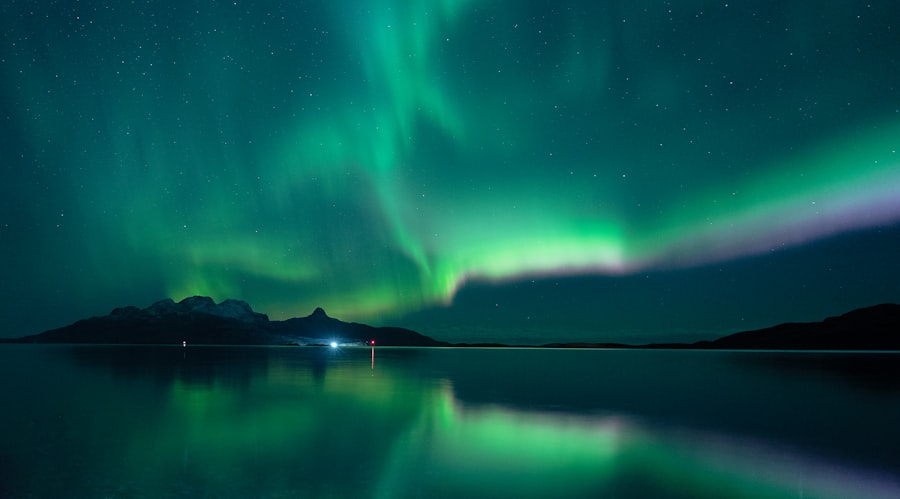
Cultural interpretations of auroras vary widely across different societies and historical contexts. In many Indigenous cultures in North America, for instance, auroras are seen as spiritual entities or manifestations of ancestors. The Inuit people refer to them as “the spirits of their ancestors,” believing that they are dancing in the sky.
This deep connection to nature reflects a broader understanding of how celestial phenomena can influence cultural narratives and beliefs. In contrast, European interpretations have often been tied to folklore and mythology. The ancient Greeks associated auroras with Eos, the goddess of dawn, while Norse mythology linked them to Valkyries guiding warriors to their afterlife.
These stories illustrate how human beings have historically sought to explain natural phenomena through mythological frameworks, imbuing them with meaning that transcends mere observation.
The Best Locations for Viewing the Aurora Drifting Equatorward
For those eager to witness auroras drifting equatorward, certain locations stand out as prime viewing spots. In North America, Alaska is renowned for its spectacular displays due to its proximity to the Arctic Circle. Fairbanks is particularly famous for its clear skies and frequent auroral activity.
Similarly, Canada’s Yukon Territory offers breathtaking views against stunning natural backdrops. In Europe, Norway’s Tromsø is often referred to as one of the best places on Earth for aurora viewing due to its location within the auroral oval. The city provides numerous tours and activities centered around experiencing this natural wonder.
Additionally, Iceland’s unique landscapes offer an enchanting setting for observing auroras drifting equatorward. For those in the Southern Hemisphere, Tasmania and parts of New Zealand provide excellent opportunities for witnessing this celestial phenomenon.
Tips for Planning a Trip to See the Aurora Drifting Equatorward
Planning a trip to see auroras drifting equatorward requires careful consideration of several factors to maximize chances of success. First and foremost, travelers should choose their destination based on historical data regarding auroral activity during specific times of year. Researching local weather patterns is also crucial; clear skies are essential for optimal viewing conditions.
Travelers should also consider joining guided tours led by experienced local guides who understand where to find the best viewing spots away from light pollution. Additionally, bringing appropriate clothing for cold weather is vital since many prime viewing locations are in frigid climates during winter months.
The Impact of Solar Activity on Aurora Drifting Equatorward
Solar activity plays a pivotal role in determining when and where auroras drift equatorward. The sun goes through an approximately 11-year cycle characterized by varying levels of solar activity—solar maximums are marked by increased sunspots and solar flares that release vast amounts of charged particles into space. During these peak periods, geomagnetic storms become more frequent and intense, leading to enhanced auroral displays that can extend further from polar regions.
Understanding this relationship between solar activity and auroral behavior is crucial for both scientists studying space weather and enthusiasts hoping to catch a glimpse of these lights. Monitoring space weather forecasts can provide valuable insights into upcoming solar events that may lead to increased chances of seeing auroras drifting equatorward.
Conservation Efforts to Protect the Aurora Drifting Equatorward
As interest in witnessing auroras grows among tourists and enthusiasts alike, conservation efforts have become increasingly important to protect these natural wonders from human impact. Light pollution poses a significant threat to visibility; thus, many organizations advocate for dark sky initiatives that promote responsible lighting practices in areas near prime viewing locations. Additionally, preserving natural habitats around popular viewing sites is essential for maintaining ecological balance while allowing visitors to enjoy these phenomena responsibly.
Local governments and conservation groups often collaborate on initiatives aimed at educating visitors about minimizing their environmental footprint while enjoying nature’s beauty.
Future Predictions for the Aurora Drifting Equatorward
Looking ahead, predictions regarding auroras drifting equatorward are closely tied to ongoing research into solar cycles and climate change impacts on Earth’s atmosphere. As scientists continue to study solar activity patterns through advanced technology such as satellites and ground-based observatories, they hope to refine their ability to forecast when these spectacular displays will occur. Moreover, understanding how climate change may alter atmospheric conditions could provide insights into future auroral behavior.
As global temperatures rise and weather patterns shift, it remains uncertain how these changes might affect visibility or frequency of auroras drifting equatorward in various regions around the world. In conclusion, aurora drifting equatorward represents a captivating intersection between science, culture, history, and natural beauty. As humanity continues to explore this phenomenon through various lenses—scientific inquiry or cultural interpretation—the allure remains timeless; it serves as a reminder of our connection with nature’s wonders above us.
Auroras, often seen in polar regions, can occasionally drift equatorward due to various geomagnetic conditions. This phenomenon is not only a stunning visual display but also a subject of scientific interest. For more insights into the science behind auroras and related phenomena, you can check out this article on Freaky Science.
FAQs
What is an aurora?
An aurora is a natural light display predominantly seen in high-latitude regions around the Arctic and Antarctic. It occurs when charged particles from the solar wind interact with the Earth’s magnetic field and atmosphere, causing the gases to emit light.
What does “aurora drifting equatorward” mean?
“Aurora drifting equatorward” refers to the phenomenon where the auroral oval, typically located near the polar regions, shifts towards lower latitudes closer to the equator. This usually happens during periods of intense geomagnetic activity.
What causes the aurora to drift equatorward?
The equatorward drift of the aurora is caused by strong geomagnetic storms, which result from increased solar wind pressure and enhanced interactions between the solar wind and Earth’s magnetosphere. These disturbances expand the auroral oval towards the equator.
When can auroras be seen drifting equatorward?
Auroras can drift equatorward during major geomagnetic storms, often associated with solar events such as coronal mass ejections (CMEs) or high-speed solar wind streams. These events increase the energy input into Earth’s magnetosphere, causing the auroral oval to expand.
Can auroras be seen at lower latitudes during equatorward drift?
Yes, during strong geomagnetic storms, auroras can be visible at much lower latitudes than usual, sometimes as far south as the mid-latitudes, making them observable in regions that typically do not experience auroral displays.
How can one predict when auroras will drift equatorward?
Aurora forecasts rely on monitoring solar activity, solar wind conditions, and geomagnetic indices such as the Kp index. Space weather prediction centers provide alerts and forecasts indicating the likelihood of auroral activity and potential equatorward drift.
Are there any risks associated with auroras drifting equatorward?
While auroras themselves are harmless visual phenomena, the geomagnetic storms causing equatorward drift can disrupt satellite operations, communication systems, navigation, and power grids.
Where can I find more information about aurora drifting equatorward?
Information can be found through space weather organizations such as NOAA’s Space Weather Prediction Center, NASA, and various scientific publications focused on geomagnetism and space weather phenomena.