
Neural plasticity, also known as brain plasticity or neuroplasticity, is the brain’s ability to adapt and reorganize itself throughout life. This fundamental property enables learning, memory formation, and recovery from brain injuries. As individuals experience new situations, the brain forms new neural connections and pathways that enhance cognitive functions.
Neural plasticity is a central concept in both psychology and neuroscience research, with significant implications for understanding how memory and learning processes operate. Research has demonstrated that the brain remains changeable throughout life, contradicting earlier theories that brain structure becomes fixed after childhood. This ongoing malleability allows the brain to respond to new learning experiences, environmental changes, and various stimuli.
The brain’s adaptability enables continuous skill acquisition and knowledge development across the lifespan. The mechanisms of neural plasticity are essential to understanding how humans develop cognitively and maintain mental flexibility over time.
Key Takeaways
- Neural plasticity is the brain’s ability to reorganize and form new neural connections, crucial for memory formation.
- Memory traces are physical changes in the brain that encode and store memories through neural plasticity mechanisms.
- Enhancing neural plasticity can improve learning and memory, offering potential treatments for neurological disorders.
- Practical applications of neural plasticity include educational strategies and therapeutic interventions to boost cognitive function.
- Ethical considerations are essential when manipulating neural plasticity for memory enhancement to ensure responsible use.
The Mechanisms of Memory Formation
Memory formation is a complex process that involves several stages, including encoding, storage, and retrieval. When you encounter new information, your brain encodes it by creating neural representations. This initial stage is crucial because it determines how well you will remember the information later.
The hippocampus, a critical region in your brain, plays a significant role in this encoding process. It helps to consolidate memories by transferring them from short-term to long-term storage. Once information is encoded, it is stored in various regions of your brain, depending on the type of memory being formed.
For instance, declarative memories—those related to facts and events—are primarily stored in the hippocampus and surrounding areas. In contrast, procedural memories, which involve skills and tasks, are stored in the basal ganglia and cerebellum. This intricate network of storage locations highlights the complexity of memory formation and emphasizes the importance of neural plasticity in creating and maintaining these connections.
Understanding Memory Traces

Memory traces, also known as engrams, are the physical representations of memories within your brain. These traces are formed through changes in synaptic strength and connectivity between neurons. When you learn something new, specific neurons become activated, leading to the formation of new synapses or the strengthening of existing ones.
This process is known as synaptic plasticity and is a key component of how memories are created and maintained. As you engage with information repeatedly or in different contexts, these memory traces become more robust. The more you practice or recall a memory, the stronger the connections between the involved neurons become.
This phenomenon illustrates the importance of repetition and reinforcement in solidifying your memories. Understanding how memory traces work can provide valuable insights into effective learning strategies and techniques for enhancing your memory retention.
Uncovering the Role of Neural Plasticity in Memory
Neural plasticity plays a pivotal role in memory formation and retention. It allows your brain to adapt to new experiences by modifying existing neural pathways or creating new ones.
However, neural plasticity does not diminish with age; rather, it continues to function throughout your life, albeit at different rates depending on various factors such as environment and lifestyle. Research has shown that engaging in mentally stimulating activities can enhance neural plasticity, leading to improved memory performance. Activities such as learning a new language, playing a musical instrument, or even solving puzzles can promote the growth of new synapses and strengthen existing connections.
By understanding the relationship between neural plasticity and memory, you can take proactive steps to enhance your cognitive abilities and maintain mental agility as you age.
The Impact of Neural Plasticity on Learning and Memory
| Metric | Description | Typical Measurement Method | Relevance to Memory Traces |
|---|---|---|---|
| Long-Term Potentiation (LTP) | Strengthening of synapses based on recent patterns of activity | Electrophysiological recordings (e.g., field EPSPs) | Represents synaptic changes underlying memory formation |
| Long-Term Depression (LTD) | Activity-dependent weakening of synapses | Electrophysiological recordings | Involved in synaptic pruning and memory erasure/modification |
| Synaptic Spine Density | Number of dendritic spines per unit length of dendrite | Microscopy (e.g., confocal, two-photon imaging) | Correlates with synaptic connectivity and plasticity |
| Neurotransmitter Release Probability | Likelihood of neurotransmitter release upon presynaptic action potential | Paired-pulse ratio, electrophysiology | Modulates synaptic strength and plasticity |
| Immediate Early Gene Expression (e.g., c-Fos, Arc) | Genes rapidly activated by neuronal activity | Immunohistochemistry, in situ hybridization | Markers of active neurons during memory encoding |
| Calcium Influx | Intracellular calcium concentration changes during synaptic activity | Calcium imaging with fluorescent indicators | Triggers signaling cascades for synaptic plasticity |
| Protein Synthesis Rate | Rate of new protein production in neurons | Metabolic labeling, Western blot | Essential for consolidation of long-term memory traces |
The impact of neural plasticity on learning and memory is profound. It not only influences how you acquire new information but also affects how you retain and recall it over time. When you engage in learning activities that challenge your brain, you stimulate neural plasticity, which can lead to improved cognitive function.
This means that by actively seeking out new experiences and knowledge, you can enhance your ability to learn and remember. Moreover, the effects of neural plasticity extend beyond individual learning experiences. They can also influence broader educational practices and approaches to teaching.
For instance, understanding that students’ brains are capable of change encourages educators to adopt teaching methods that promote active engagement and critical thinking. By fostering an environment that supports neural plasticity, educators can help students develop stronger memory skills and a deeper understanding of the material.
Neurological Disorders and Neural Plasticity
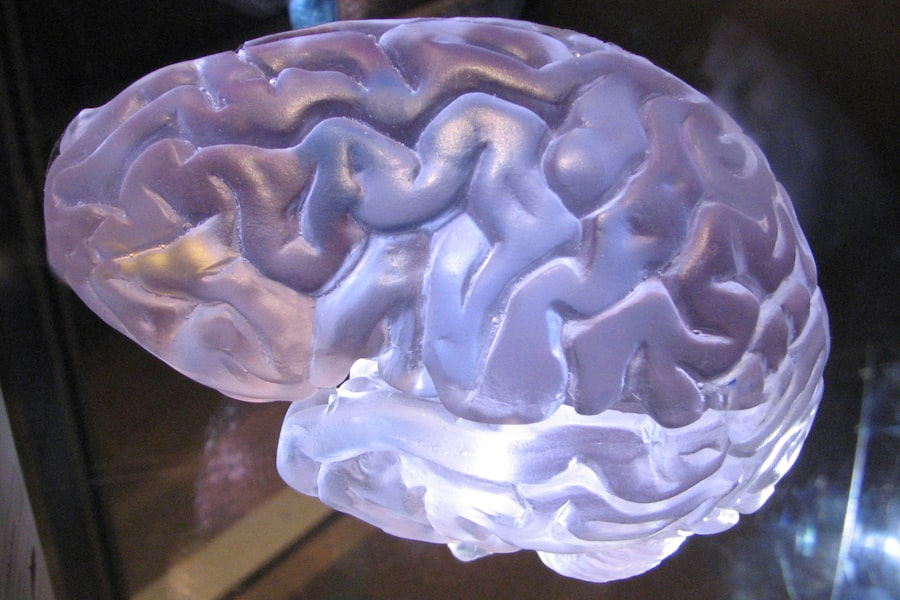
Neurological disorders often disrupt normal brain function and can significantly impact memory and learning capabilities. Conditions such as Alzheimer’s disease, stroke, and traumatic brain injury can lead to cognitive decline and memory loss. However, research into neural plasticity has revealed that the brain has an incredible capacity for recovery even in the face of such challenges.
In many cases, rehabilitation programs designed to harness neural plasticity have shown promise in helping individuals regain lost cognitive functions. For example, therapies that involve repetitive practice or cognitive training can stimulate the brain’s ability to reorganize itself and form new connections. By understanding how neural plasticity operates in the context of neurological disorders, researchers are developing innovative strategies for treatment that focus on enhancing recovery through targeted interventions.
Enhancing Memory through Neural Plasticity
You have the power to enhance your memory through various techniques that leverage neural plasticity. One effective method is engaging in regular physical exercise, which has been shown to promote neurogenesis—the growth of new neurons—in areas of the brain associated with memory. Exercise increases blood flow to the brain and stimulates the release of growth factors that support synaptic plasticity.
Additionally, mindfulness practices such as meditation can also enhance neural plasticity by improving focus and attention. When you practice mindfulness, you train your brain to be more present and aware, which can lead to better encoding of memories. Incorporating these practices into your daily routine can create an environment conducive to memory enhancement by fostering a more adaptable brain.
The Future of Memory Research and Neural Plasticity
The future of memory research is poised for exciting developments as scientists continue to explore the intricacies of neural plasticity. Advances in neuroimaging techniques are allowing researchers to visualize changes in brain structure and function associated with learning and memory in real-time. This progress will enable a deeper understanding of how different experiences shape neural pathways over time.
Moreover, ongoing studies are investigating potential interventions that could harness neural plasticity for therapeutic purposes. For instance, researchers are exploring the use of non-invasive brain stimulation techniques to enhance cognitive function in individuals with memory impairments. As our understanding of neural plasticity expands, so too will our ability to develop innovative approaches for improving memory across various populations.
Practical Applications of Neural Plasticity in Education and Therapy
The practical applications of neural plasticity extend into both educational settings and therapeutic practices. In education, understanding how students learn can inform teaching strategies that promote engagement and retention. For example, incorporating hands-on activities or collaborative learning experiences can stimulate neural plasticity by encouraging active participation.
In therapeutic contexts, professionals are increasingly recognizing the importance of tailoring interventions to leverage neural plasticity for cognitive rehabilitation.
By applying principles of neural plasticity in therapy, practitioners can facilitate meaningful change in their clients’ lives.
Ethical Considerations in Manipulating Neural Plasticity for Memory Enhancement
As research into neural plasticity progresses, ethical considerations surrounding its manipulation for memory enhancement become increasingly important. While the potential benefits are significant—such as improved cognitive function or recovery from injury—there are concerns about the implications of artificially altering brain processes. Questions arise regarding consent, equity in access to enhancement technologies, and potential long-term effects on individual identity.
It is essential to approach these ethical dilemmas with caution and consideration for individual rights and societal impacts. As you engage with advancements in neuroscience, it is crucial to advocate for responsible practices that prioritize well-being while exploring the possibilities offered by neural plasticity.
Harnessing the Power of Neural Plasticity for Improved Memory
In conclusion, neural plasticity represents a powerful mechanism through which your brain adapts and evolves over time. By understanding its role in memory formation and retention, you can take proactive steps to enhance your cognitive abilities throughout life. Engaging in activities that promote neuroplastic changes—such as physical exercise, mindfulness practices, and continuous learning—can significantly improve your memory.
As research continues to uncover the complexities of neural plasticity, we stand on the brink of exciting advancements that could revolutionize education and therapeutic practices. By harnessing this remarkable capability responsibly, you have the potential not only to improve your own memory but also to contribute positively to society’s understanding of cognitive health and well-being. Embracing the power of neural plasticity may ultimately lead to a brighter future for individuals seeking to enhance their cognitive abilities and navigate life’s challenges with greater ease.
Recent research has shed light on the intricate relationship between memory traces and neural plasticity, revealing how our brains adapt and reorganize in response to new information. For a deeper understanding of these concepts, you can explore the article on neural plasticity and its implications for memory at this link. This resource provides valuable insights into how our neural pathways are shaped and reshaped, influencing our ability to learn and retain information.
FAQs
What are memory traces in the brain?
Memory traces, also known as engrams, are the physical and biochemical changes in the brain that represent stored information from past experiences. They are the neural substrates that encode, store, and retrieve memories.
How does neural plasticity relate to memory traces?
Neural plasticity refers to the brain’s ability to change and adapt in response to experience. It underlies the formation and modification of memory traces by altering synaptic strength, creating new connections, or reorganizing neural circuits.
What types of neural plasticity are involved in memory formation?
The main types of neural plasticity involved in memory include synaptic plasticity (such as long-term potentiation and long-term depression), structural plasticity (growth or retraction of dendrites and axons), and neurogenesis (generation of new neurons in certain brain regions).
Where in the brain are memory traces primarily formed?
Memory traces are primarily formed in the hippocampus for declarative memories, as well as in the cortex for long-term storage. Other brain areas like the amygdala and cerebellum are involved in emotional and procedural memories, respectively.
Can memory traces change over time?
Yes, memory traces are dynamic and can be strengthened, weakened, or altered through processes such as reconsolidation, forgetting, or new learning. Neural plasticity allows these changes to occur throughout life.
How do scientists study memory traces and neural plasticity?
Researchers use techniques like electrophysiology, brain imaging, optogenetics, and molecular biology to observe changes in neural activity, synaptic strength, and structural modifications associated with memory formation and plasticity.
Is neural plasticity limited to early development?
No, neural plasticity occurs throughout life, although it is generally more pronounced during early development. Adult brains retain the capacity for plastic changes, which supports learning, memory, and recovery from injury.
What role do neurotransmitters play in memory traces and plasticity?
Neurotransmitters such as glutamate, GABA, dopamine, and acetylcholine modulate synaptic activity and plasticity. For example, glutamate is critical for long-term potentiation, a key mechanism in forming memory traces.
Can enhancing neural plasticity improve memory?
Enhancing neural plasticity through activities like learning, physical exercise, and certain pharmacological agents may improve memory function. However, the relationship is complex and depends on multiple factors including age and brain health.
What is the difference between short-term and long-term memory traces?
Short-term memory traces involve transient changes in neural activity and synaptic function, while long-term memory traces require more stable structural and molecular changes, such as protein synthesis and synaptic remodeling.