
When you think of the ocean, your mind might conjure images of majestic whales, vibrant coral reefs, or schools of shimmering fish. However, beneath the surface lies a hidden world teeming with life that is often overlooked: marine microbes. These microscopic organisms, which include bacteria, archaea, viruses, and protists, play a crucial role in the health and functioning of marine ecosystems.
Despite their small size, they are among the most abundant and diverse life forms on Earth, with estimates suggesting that a single milliliter of seawater can contain millions of these tiny entities. Marine microbes are not just passive inhabitants of the ocean; they are active participants in various biological processes that sustain life in the sea. They contribute to nutrient cycling, energy flow, and even the regulation of climate through their interactions with other organisms and the environment.
As you delve deeper into the world of marine microbes, you will discover their remarkable capabilities and the vital roles they play in maintaining the balance of marine ecosystems.
Key Takeaways
- Marine microbes play a crucial role in the marine ecosystem, contributing to biogeochemical cycles and interacting with larger organisms.
- Marine microbes exhibit a high level of diversity, with different species adapted to thrive in extreme environments.
- The role of marine microbes in biogeochemical cycles is essential for nutrient cycling and the overall health of the oceans.
- Human activities, such as pollution and climate change, have a significant impact on marine microbes and their ecosystems.
- Marine microbes have potential applications in biotechnology, including the production of biofuels and pharmaceuticals.
The Importance of Marine Microbes in the Ecosystem
Understanding the importance of marine microbes requires you to appreciate their foundational role in oceanic food webs. These microorganisms serve as primary producers, converting sunlight and inorganic compounds into organic matter through processes like photosynthesis and chemosynthesis. This organic matter forms the base of the food chain, supporting a diverse array of marine life, from tiny zooplankton to massive whales.
Without marine microbes, the entire oceanic food web would collapse, leading to dire consequences for all marine organisms. Moreover, marine microbes are essential for nutrient cycling within the ocean. They break down organic matter, releasing nutrients such as nitrogen and phosphorus back into the water column, where they can be utilized by other organisms.
This recycling process is vital for maintaining the productivity of marine ecosystems. As you explore further, you will find that these tiny organisms are not just important for marine life; they also have significant implications for global biogeochemical cycles, including carbon cycling and climate regulation.
Diversity of Marine Microbes
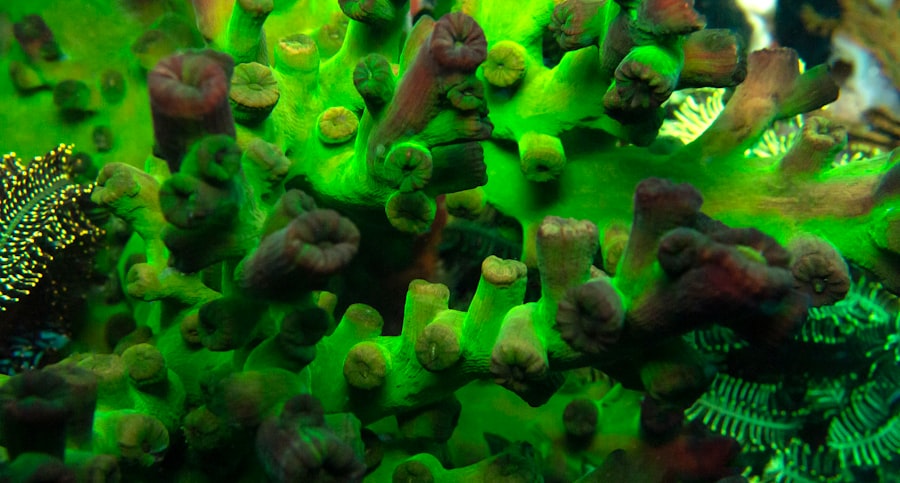
The diversity of marine microbes is staggering and reflects the complexity of oceanic environments. You may be surprised to learn that there are thousands of different species of bacteria and archaea alone, each adapted to specific niches within the ocean.
This diversity is not only fascinating but also crucial for ecosystem resilience; different species can perform various functions that contribute to overall ecosystem health. In addition to bacteria and archaea, marine viruses play a significant role in shaping microbial communities. These viruses can infect and kill specific microbial populations, influencing community dynamics and nutrient cycling.
The interactions between different microbial species create a complex web of relationships that underpins marine ecosystems. As you learn more about this diversity, you will come to appreciate how each microbe contributes uniquely to the overall functioning of the ocean.
Role of Marine Microbes in Biogeochemical Cycles
| Biogeochemical Cycle | Role of Marine Microbes |
|---|---|
| Carbon Cycle | Marine microbes play a crucial role in carbon fixation and remineralization, contributing to the balance of carbon in the ocean. |
| Nitrogen Cycle | Marine microbes are involved in nitrogen fixation, nitrification, and denitrification, which are essential processes in the nitrogen cycle. |
| Sulfur Cycle | Marine microbes participate in sulfur oxidation and reduction, influencing the cycling of sulfur compounds in marine environments. |
| Phosphorus Cycle | Marine microbes are involved in the transformation of organic and inorganic phosphorus, impacting the availability of phosphorus in marine ecosystems. |
Marine microbes are key players in biogeochemical cycles, particularly in carbon and nitrogen cycling. In the carbon cycle, phytoplankton—microscopic photosynthetic organisms—absorb carbon dioxide from the atmosphere during photosynthesis. When these organisms die or are consumed by larger animals, carbon is transferred through the food web or sequestered in deep ocean sediments.
This process is essential for regulating atmospheric carbon levels and mitigating climate change. Similarly, marine microbes are integral to nitrogen cycling. Nitrogen-fixing bacteria convert atmospheric nitrogen into forms that can be utilized by other organisms, while other microbes decompose organic matter, releasing nitrogen back into the water column.
This cycling ensures that essential nutrients remain available for primary producers and supports overall marine productivity. As you explore these cycles further, you will see how interconnected they are and how marine microbes serve as linchpins in maintaining ecological balance.
Interactions of Marine Microbes with Larger Organisms
The interactions between marine microbes and larger organisms are both intricate and essential for ecosystem health. For instance, many fish and corals rely on beneficial microbial communities for their survival. These microbes can aid in digestion, enhance nutrient absorption, and even provide protection against pathogens.
In return, larger organisms create habitats that support microbial growth, forming a symbiotic relationship that benefits both parties.
For example, corals have a symbiotic relationship with zooxanthellae—photosynthetic algae that live within their tissues.
These algae provide energy through photosynthesis while benefiting from the nutrients produced by corals. Such interactions highlight the importance of marine microbes not only as individual entities but also as integral components of larger biological systems.
Adaptations of Marine Microbes to Extreme Environments
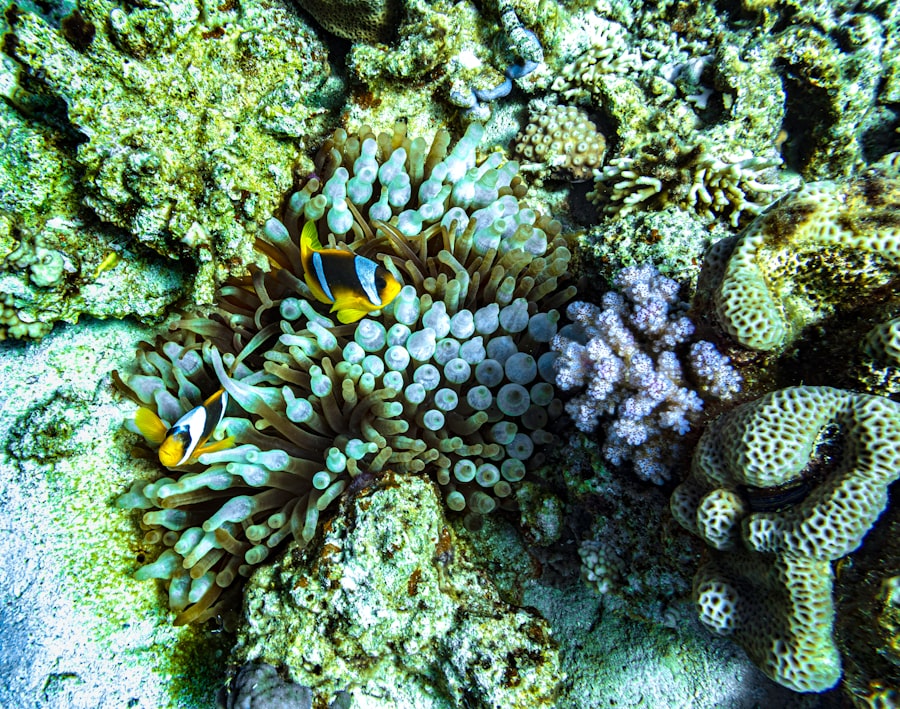
Marine microbes exhibit remarkable adaptations that allow them to thrive in extreme environments where few other organisms can survive. For instance, some bacteria can withstand high temperatures found near hydrothermal vents, where they utilize chemical energy from minerals to produce organic matter through chemosynthesis. Others have adapted to high salinity levels in hypersaline environments or extreme pressure in deep-sea trenches.
These adaptations are not just fascinating; they also provide insights into the limits of life on Earth and potentially other planets. By studying extremophiles—microbes that thrive in extreme conditions—you can gain a better understanding of how life can exist in harsh environments and what it takes for organisms to adapt to such challenges. This knowledge could have implications for astrobiology and our search for extraterrestrial life.
Impact of Human Activities on Marine Microbes
Human activities have a profound impact on marine microbes and their ecosystems. Pollution from agricultural runoff introduces excess nutrients into coastal waters, leading to harmful algal blooms that can disrupt microbial communities and deplete oxygen levels in the water. Overfishing alters food webs and can lead to imbalances in microbial populations that affect nutrient cycling.
Climate change is another significant threat to marine microbes. Rising ocean temperatures can affect microbial metabolism and community composition, potentially disrupting essential biogeochemical cycles. As you consider these impacts, it becomes clear that protecting marine ecosystems is vital not only for larger organisms but also for maintaining the health and diversity of microbial communities that underpin oceanic life.
Potential Applications of Marine Microbes in Biotechnology
The unique properties of marine microbes have sparked interest in their potential applications in biotechnology. For instance, certain bacteria produce enzymes that can be used in industrial processes or bioremediation efforts to clean up oil spills and other pollutants. Additionally, some marine microorganisms produce bioactive compounds with pharmaceutical potential, offering new avenues for drug discovery.
As you explore this field further, you will find that researchers are investigating how these microorganisms can be harnessed for sustainable practices in agriculture, energy production, and environmental management. The potential applications are vast and could lead to innovative solutions for some of the pressing challenges facing humanity today.
Challenges in Studying Marine Microbes
Despite their importance, studying marine microbes presents several challenges. One major hurdle is their small size and complexity; traditional methods of observation often fall short when it comes to capturing their diversity and interactions accurately. Advances in molecular techniques have improved our ability to study these microorganisms at a genetic level, but many species remain uncultured and poorly understood.
Additionally, the vastness of the ocean poses logistical challenges for researchers seeking to collect samples from different environments. The dynamic nature of marine ecosystems means that microbial communities can change rapidly in response to environmental conditions, making it difficult to obtain representative samples. As you consider these challenges, it becomes evident that ongoing research is crucial for unlocking the mysteries of marine microbes.
Future Directions in Marine Microbe Research
The future of marine microbe research holds exciting possibilities as scientists continue to uncover new insights into these tiny organisms. Advances in technology, such as metagenomics and high-throughput sequencing, are enabling researchers to explore microbial diversity at unprecedented scales. These tools will help identify previously unknown species and elucidate their roles within ecosystems.
Moreover, interdisciplinary approaches that combine microbiology with oceanography, ecology, and climate science will be essential for understanding how marine microbes respond to environmental changes. As you look ahead, it is clear that continued investment in research will be vital for addressing global challenges related to climate change, biodiversity loss, and sustainable resource management.
The Fascinating World of Marine Microbes
In conclusion, the world of marine microbes is a captivating realm filled with complexity and significance. These tiny organisms play indispensable roles in maintaining the health of our oceans and supporting life on Earth. From their contributions to biogeochemical cycles to their interactions with larger organisms and potential applications in biotechnology, marine microbes are integral to our understanding of marine ecosystems.
As you reflect on this fascinating world, consider how much remains to be discovered about these microorganisms and their impact on our planet’s future. By fostering awareness and supporting research efforts focused on marine microbes, you can contribute to a greater understanding of their importance and help protect the delicate balance of our oceans for generations to come.
In the fascinating exploration of the hidden world of marine microbes, one cannot overlook the intricate relationships and ecosystems these microscopic organisms form beneath the ocean’s surface. For those interested in delving deeper into the mysteries of marine life, an article on Freaky Science provides an intriguing perspective on how these tiny yet mighty creatures contribute to the ocean’s health and the planet’s overall ecosystem. This article offers insights into the latest research and discoveries, shedding light on the crucial roles marine microbes play in nutrient cycling, carbon sequestration, and supporting marine food webs.
WATCH THIS! Meet the Ocean Virus Rewiring Your Brain — New Science Reveals Its Shocking Influence
FAQs
What are marine microbes?
Marine microbes are tiny organisms that live in the ocean, including bacteria, archaea, viruses, and single-celled eukaryotes. They play a crucial role in marine ecosystems and global biogeochemical cycles.
Why are marine microbes important?
Marine microbes are important because they are the foundation of the marine food web, they recycle nutrients, and they play a key role in regulating the Earth’s climate. They also produce a significant portion of the oxygen we breathe.
Where can marine microbes be found?
Marine microbes can be found throughout the ocean, from the surface waters to the deep sea, and from coastal areas to the open ocean. They can also be found in extreme environments such as hydrothermal vents and polar regions.
How do marine microbes impact the environment?
Marine microbes impact the environment by influencing nutrient cycling, carbon sequestration, and the production of greenhouse gases. They also play a role in the degradation of pollutants and the formation of marine snow.
What are some examples of marine microbes?
Examples of marine microbes include Prochlorococcus and Synechococcus (photosynthetic bacteria), SAR11 (heterotrophic bacteria), Thaumarchaeota (ammonia-oxidizing archaea), and various types of marine viruses.
How do scientists study marine microbes?
Scientists study marine microbes using a variety of techniques, including DNA sequencing, microscopy, culturing, and environmental monitoring. They also use remote sensing and autonomous underwater vehicles to study marine microbial communities.