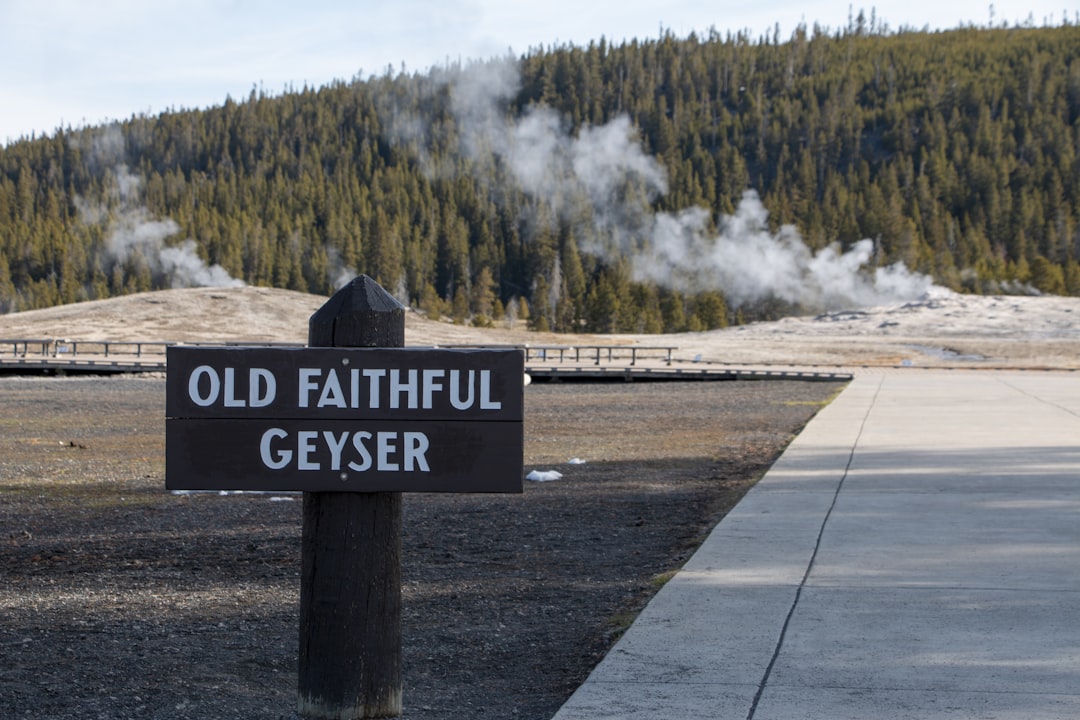
Yellowstone National Park is located above the Yellowstone Caldera, a large volcanic system that has produced three major eruptions over the past 2.1 million years. The park’s position atop this supervolcano creates a geologically active environment characterized by measurable crustal deformation and stress patterns. Crustal stress encompasses the mechanical forces within the Earth’s crust that result from tectonic processes, thermal expansion, and magma chamber dynamics.
The Yellowstone region experiences ongoing crustal stress due to several interconnected factors. The underlying magma chamber exerts upward pressure on the overlying rock formations, while regional tectonic forces associated with the North American Plate’s movement contribute to horizontal stress components. Additionally, the Yellowstone hotspot, a stationary mantle plume beneath the moving North American Plate, generates thermal stress through heating and cooling cycles of crustal rocks.
Scientific monitoring of crustal stress at Yellowstone employs multiple measurement techniques, including GPS networks, seismometers, and satellite interferometry. These instruments detect ground deformation, earthquake activity, and changes in surface elevation that indicate stress variations within the crust. Data collected from these monitoring systems provides essential information for understanding the volcanic system’s current state and potential future activity, supporting both scientific research and hazard assessment protocols for the region.
Key Takeaways
- Crustal stress at Yellowstone influences geological activity and potential hazards in the region.
- Monitoring techniques are essential for detecting changes in stress and predicting volcanic or seismic events.
- Recent shifts in crustal stress highlight the dynamic nature of Yellowstone’s underground processes.
- Understanding stress redistribution helps in assessing risks like earthquakes and hydrothermal explosions.
- Ongoing research and management strategies aim to mitigate hazards and improve safety around Yellowstone.
Understanding Crustal Stress and its Impacts
Crustal stress is a fundamental concept in geology that describes the forces exerted on the Earth’s crust due to various natural processes. These stresses can be categorized into three primary types: compressive, tensile, and shear stresses. Compressive stress occurs when forces push together, while tensile stress arises from forces pulling apart.
Shear stress involves forces acting parallel to a surface, causing deformation. In the context of Yellowstone, these stresses are influenced by the movement of tectonic plates and the presence of magma beneath the surface. The impacts of crustal stress are profound and can manifest in several ways.
For instance, when stress exceeds the strength of rocks, it can lead to fracturing and faulting, resulting in earthquakes. In Yellowstone, seismic activity is closely monitored as it serves as an indicator of underlying crustal stress changes. Additionally, variations in crustal stress can affect hydrothermal systems, leading to changes in geyser activity and hot spring behavior.
Geological Processes at Yellowstone National Park
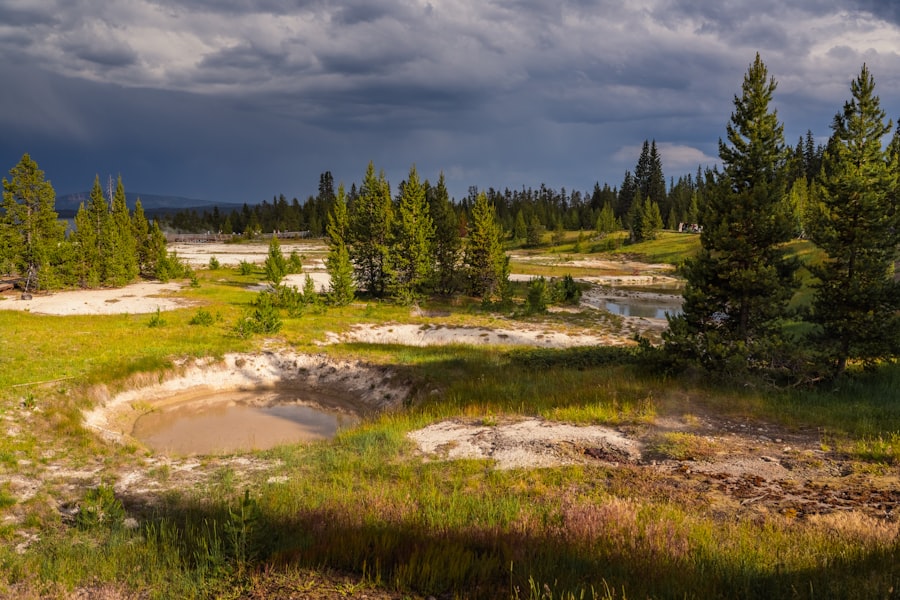
The geological processes at Yellowstone are intricately linked to its status as a supervolcano. The park is situated over a hotspot in the Earth’s mantle, where molten rock, or magma, rises toward the surface. This process generates significant heat and pressure, contributing to the unique geothermal features that attract millions of visitors each year.
The interaction between magma and the overlying crust creates a complex system of stresses that can lead to volcanic eruptions or seismic events. In addition to volcanic activity, Yellowstone’s geology is shaped by tectonic forces that result in faulting and folding of rock layers. The region experiences both extensional and compressional forces due to the movement of the North American tectonic plate over the hotspot.
These geological processes not only contribute to the park’s stunning landscapes but also play a critical role in the ongoing evolution of crustal stress patterns. As scientists study these processes, they gain valuable insights into the history of volcanic activity and the potential for future eruptions.
Monitoring Crustal Stress at Yellowstone
Monitoring crustal stress at Yellowstone is a vital aspect of understanding its geological behavior and potential hazards. Various techniques are employed to assess changes in stress levels, including seismic monitoring, GPS measurements, and satellite imagery. Seismographs are strategically placed throughout the park to detect and record earthquakes, providing real-time data on seismic activity.
This information helps researchers identify patterns and trends in crustal stress that may indicate impending geological events. In addition to seismic monitoring, GPS technology plays a crucial role in tracking ground deformation caused by changes in crustal stress. By measuring minute shifts in the Earth’s surface, scientists can gain insights into how stress is redistributed over time.
Satellite imagery further enhances monitoring efforts by allowing researchers to visualize large-scale changes in the landscape. Together, these methods create a comprehensive monitoring network that aids in understanding the complex dynamics of crustal stress at Yellowstone.
Recent Changes in Crustal Stress at Yellowstone
| Metric | Value | Units | Description |
|---|---|---|---|
| Maximum Shear Stress Change | 0.5 | MPa | Estimated maximum change in shear stress in the Yellowstone crust due to redistribution |
| Normal Stress Change | 0.3 | MPa | Change in normal stress affecting fault stability in the Yellowstone region |
| Depth of Stress Redistribution | 5-15 | km | Depth range over which significant stress redistribution occurs in the crust |
| Time Scale of Redistribution | Years to Decades | – | Estimated time period over which crustal stress redistribution evolves |
| Seismicity Rate Change | +10% | Percentage | Increase in local seismicity rate attributed to stress changes |
| Volcanic Inflation Rate | 2-4 | cm/year | Rate of ground uplift related to magma chamber pressurization affecting stress |
Recent studies have indicated notable changes in crustal stress patterns at Yellowstone, raising concerns among scientists and park management. Increased seismic activity has been observed in certain areas, suggesting that underlying stresses may be shifting due to magma movement or tectonic interactions.
In particular, researchers have noted an uptick in small earthquakes that may be linked to the reactivation of existing faults or the formation of new ones. Such seismic events serve as indicators of changing crustal stress conditions and highlight the need for ongoing monitoring efforts. Understanding these recent changes is essential for predicting future geological behavior and ensuring public safety in this geologically active region.
Impacts of Crustal Stress Redistribution
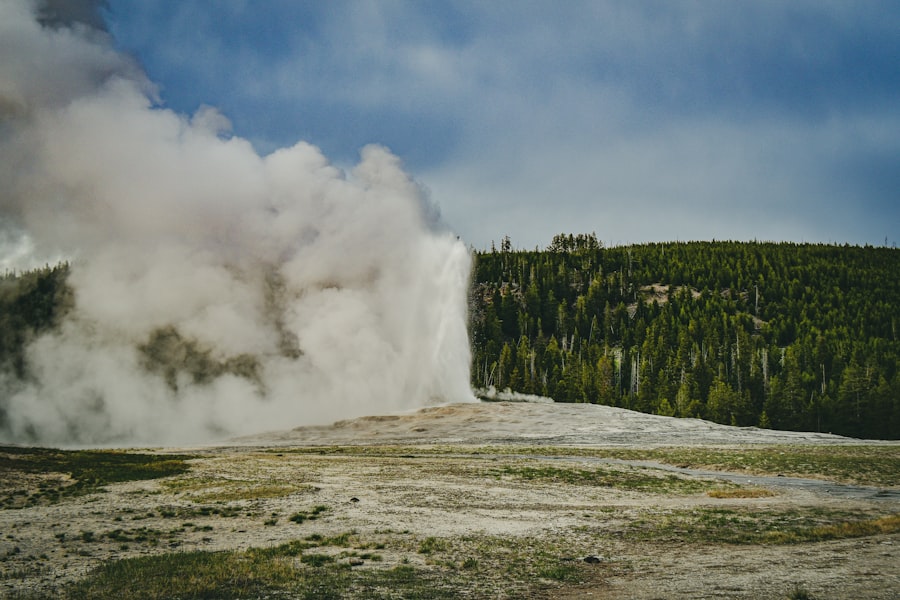
The redistribution of crustal stress can have far-reaching impacts on both geological processes and human activities within Yellowstone National Park. As stress levels change, they can influence volcanic activity, potentially leading to eruptions or changes in geothermal features such as geysers and hot springs. For instance, increased pressure from rising magma can result in explosive eruptions if it reaches a critical threshold.
Moreover, crustal stress redistribution can also affect the stability of existing faults, increasing the likelihood of earthquakes. These seismic events can pose risks not only to park infrastructure but also to visitors exploring its natural wonders. Understanding how stress is redistributed within Yellowstone is crucial for developing effective risk assessment strategies and ensuring that appropriate measures are in place to protect both people and the environment.
Potential Hazards Associated with Crustal Stress Redistribution
The potential hazards associated with crustal stress redistribution at Yellowstone are significant and warrant careful consideration by scientists and park management alike. One of the most pressing concerns is volcanic eruptions, which could occur if magma pressure builds up sufficiently due to changing stress conditions. Such eruptions could have devastating effects on both local ecosystems and human populations.
In addition to volcanic hazards, increased seismic activity poses risks related to earthquakes. The potential for ground shaking can lead to damage to infrastructure within the park, including roads, visitor centers, and geothermal features. Furthermore, secondary hazards such as landslides or tsunamis could arise from significant seismic events, compounding the risks faced by both residents and visitors.
As such, understanding these potential hazards is essential for developing effective emergency response plans and ensuring public safety.
Mitigation and Management of Crustal Stress Impacts
Mitigating the impacts of crustal stress at Yellowstone requires a multifaceted approach that combines scientific research with effective management strategies. One key aspect involves enhancing monitoring efforts to provide timely data on changes in crustal stress levels. By maintaining a robust network of seismic stations and GPS measurements, scientists can quickly identify shifts in stress patterns and assess their implications for volcanic activity and earthquake risk.
In addition to monitoring, public education plays a crucial role in managing potential hazards associated with crustal stress redistribution. Informing visitors about safety protocols during seismic events or volcanic activity can help minimize risks during their time in the park. Furthermore, collaboration between scientists, park management, and emergency response teams is essential for developing comprehensive risk assessment strategies that prioritize public safety while preserving Yellowstone’s unique geological features.
Research and Studies on Yellowstone Crustal Stress
Ongoing research into crustal stress at Yellowstone has yielded valuable insights into its geological behavior and potential hazards. Scientists employ a variety of methods to study stress patterns, including numerical modeling simulations that help predict how stresses may evolve over time. These models take into account factors such as magma movement, tectonic forces, and historical seismic data to provide a comprehensive understanding of crustal dynamics.
Additionally, interdisciplinary studies involving geophysics, geology, and volcanology contribute to a more holistic view of Yellowstone’s geological processes. Collaborative efforts among researchers from various institutions enhance data collection and analysis capabilities, leading to more accurate assessments of crustal stress conditions. As research continues to advance, it holds promise for improving hazard prediction models and informing effective management strategies for this iconic national park.
Future Outlook for Yellowstone Crustal Stress
The future outlook for crustal stress at Yellowstone remains uncertain but is an area of active research interest. As scientists continue to monitor changes in stress levels and associated geological phenomena, they aim to refine their understanding of how these dynamics may evolve over time. Factors such as climate change may also play a role in influencing geothermal systems and crustal behavior, adding another layer of complexity to future predictions.
Moreover, advancements in technology will likely enhance monitoring capabilities further, allowing for more precise measurements of ground deformation and seismic activity. As researchers gain deeper insights into the interactions between magma movement, tectonic forces, and crustal stress redistribution, they will be better equipped to assess potential hazards and develop effective mitigation strategies for Yellowstone National Park.
The Importance of Understanding and Monitoring Crustal Stress at Yellowstone
Understanding and monitoring crustal stress at Yellowstone National Park is essential for safeguarding both its unique geological features and the safety of its visitors. The interplay between tectonic forces and volcanic activity creates a dynamic environment where changes in crustal stress can have significant implications for geological phenomena such as earthquakes and eruptions. By employing advanced monitoring techniques and fostering collaborative research efforts, scientists can gain valuable insights into these processes.
As ongoing research continues to shed light on crustal dynamics at Yellowstone, it becomes increasingly clear that proactive measures are necessary to mitigate potential hazards associated with crustal stress redistribution. Public education and effective management strategies will play crucial roles in ensuring that both residents and visitors remain safe while enjoying the natural wonders of this iconic national park. Ultimately, a comprehensive understanding of crustal stress not only enhances scientific knowledge but also contributes to informed decision-making regarding public safety in this geologically active region.
Recent studies on Yellowstone’s crustal stress redistribution have highlighted the complex interactions between tectonic forces and volcanic activity in the region. For a deeper understanding of these geological processes, you can explore a related article on the topic at Freaky Science. This resource provides valuable insights into the mechanisms driving stress changes in the Earth’s crust and their implications for volcanic behavior.
WATCH THIS 🌋 YELLOWSTONE’S CLOCK IS BROKEN: What Scientists Are Hiding
FAQs
What is crustal stress redistribution in Yellowstone?
Crustal stress redistribution in Yellowstone refers to the changes in the stress and strain within the Earth’s crust beneath the Yellowstone region. These changes can result from volcanic activity, tectonic movements, or the movement of magma and hydrothermal fluids.
Why is crustal stress redistribution important in Yellowstone?
Understanding crustal stress redistribution is crucial because it helps scientists monitor volcanic hazards, predict potential eruptions, and assess earthquake risks in the Yellowstone area, which is a supervolcano with significant geothermal activity.
How do scientists measure crustal stress changes in Yellowstone?
Scientists use a combination of GPS measurements, seismic monitoring, ground deformation studies, and satellite data to detect and analyze changes in crustal stress and deformation beneath Yellowstone.
What causes crustal stress redistribution in Yellowstone?
The primary causes include magma movement beneath the surface, hydrothermal fluid circulation, tectonic forces, and the inflation or deflation of the volcanic caldera.
Can crustal stress redistribution trigger earthquakes in Yellowstone?
Yes, changes in crustal stress can lead to the activation of faults and fractures, potentially triggering earthquakes in the Yellowstone region.
Does crustal stress redistribution indicate an imminent volcanic eruption at Yellowstone?
Not necessarily. While stress changes can be associated with volcanic activity, they do not always signal an imminent eruption. Continuous monitoring and analysis are required to assess volcanic hazards accurately.
How often does crustal stress redistribution occur in Yellowstone?
Crustal stress redistribution is an ongoing process influenced by various geological factors. It can occur over days, months, or years, depending on the underlying causes such as magma movement or tectonic shifts.
What role does crustal stress redistribution play in Yellowstone’s geothermal features?
Stress changes can affect the flow of hydrothermal fluids, influencing geysers, hot springs, and other geothermal features by altering pressure and permeability in the crust.
Is crustal stress redistribution unique to Yellowstone?
No, crustal stress redistribution occurs in many volcanic and tectonically active regions worldwide. However, Yellowstone’s supervolcano status makes its stress changes particularly significant for scientific study.
Where can I find more information about crustal stress redistribution in Yellowstone?
More information can be found through the United States Geological Survey (USGS), academic research papers, and institutions specializing in volcanology and geophysics.