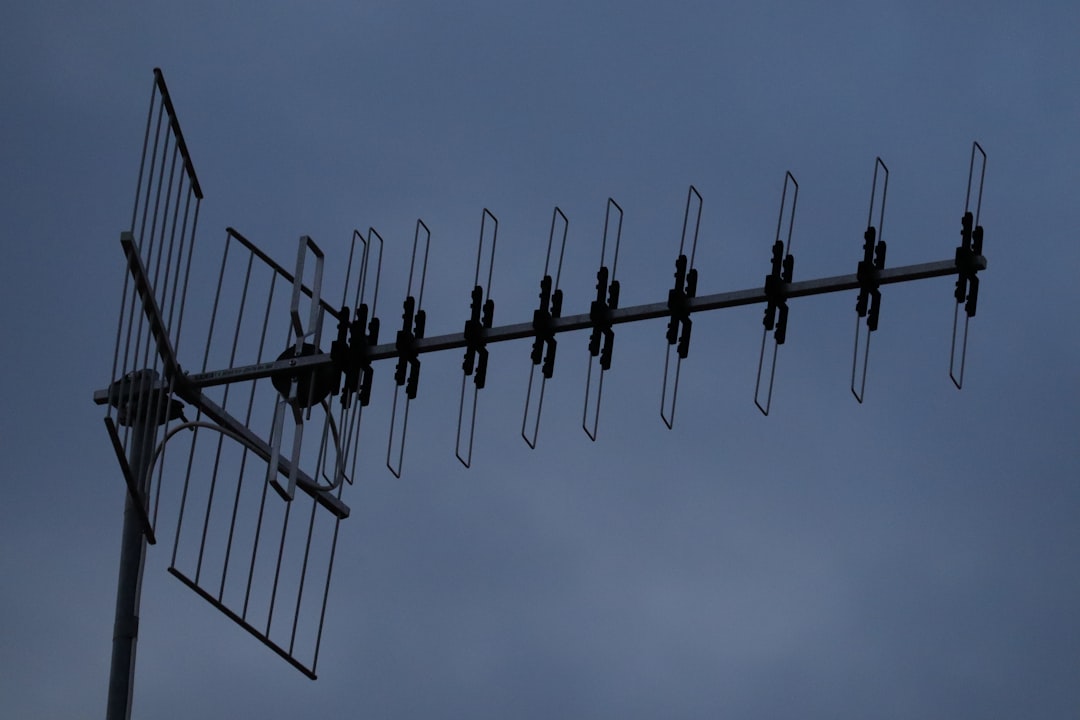
Narrowband radio signals have emerged as a pivotal component in the landscape of modern communication technologies. These signals, characterized by their limited bandwidth, are designed to transmit information over specific frequency ranges, making them particularly effective for various applications. As the world becomes increasingly interconnected, the significance of narrowband radio signals continues to grow, facilitating communication in diverse fields such as telecommunications, the Internet of Things (IoT), military operations, and public safety.
Understanding the fundamentals of narrowband radio signals is essential for grasping their role in contemporary communication systems. The evolution of narrowband radio signals can be traced back to the early days of wireless communication. Initially, these signals were primarily used for basic voice transmissions.
However, advancements in technology have expanded their applications, allowing for more complex data transmission and improved efficiency. As society’s reliance on wireless communication increases, narrowband radio signals have become indispensable, providing a reliable means of transmitting information across various platforms and devices.
Key Takeaways
- Narrowband radio signals use a narrow frequency range, enabling efficient and reliable communication.
- They offer advantages such as reduced interference, lower power consumption, and improved signal clarity.
- These signals play a crucial role in various sectors including telecommunications, IoT devices, military, and public safety.
- Narrowband technology supports critical applications in industrial, commercial, and emergency communication systems.
- The future of narrowband radio signals promises enhanced efficiency and expanded use in emerging communication technologies.
The Basics of Narrowband Radio Signals
At its core, narrowband radio signals operate within a specific frequency range, typically less than 25 kHz. This limited bandwidth allows for efficient use of the radio spectrum, enabling multiple channels to coexist without significant interference. The design of narrowband signals is particularly advantageous for applications that require long-range communication with minimal power consumption.
By focusing on a narrower frequency range, these signals can penetrate obstacles more effectively and maintain a stable connection over greater distances. Narrowband radio signals utilize various modulation techniques to encode information for transmission. Common methods include Frequency Shift Keying (FSK) and Amplitude Shift Keying (ASK), which allow for the efficient encoding of digital data.
These modulation techniques ensure that the transmitted signals can be accurately decoded by receiving devices, maintaining the integrity of the information being communicated. The simplicity and reliability of narrowband modulation make it an ideal choice for many applications, particularly those that prioritize energy efficiency and long-range capabilities.
The Advantages of Narrowband Radio Signals

One of the primary advantages of narrowband radio signals is their ability to operate effectively in environments with limited bandwidth availability. In densely populated areas or regions with high levels of radio frequency interference, narrowband signals can provide a clear and reliable means of communication.
Another significant benefit of narrowband radio signals is their energy efficiency. Devices utilizing narrowband technology often require less power to transmit and receive signals compared to their wideband counterparts. This characteristic is especially important for battery-operated devices, such as those used in IoT applications.
By consuming less energy, narrowband devices can extend their operational lifespan, reducing maintenance costs and enhancing overall system reliability. This energy efficiency also contributes to a lower environmental impact, aligning with global efforts to promote sustainable technology solutions.
The Role of Narrowband Radio Signals in Communication
Narrowband radio signals play a crucial role in facilitating communication across various sectors. In telecommunications, they enable voice calls and data transmission over long distances while maintaining high levels of clarity and reliability. The ability to transmit information efficiently makes narrowband signals an essential component of mobile networks, ensuring that users can stay connected regardless of their location.
In addition to traditional telecommunications, narrowband radio signals are increasingly being integrated into emerging technologies such as IoT devices. These devices often require constant communication with central servers or other devices to function effectively. Narrowband signals provide a robust solution for these applications, allowing for seamless data exchange while minimizing power consumption.
As the demand for connected devices continues to rise, the importance of narrowband radio signals in facilitating communication will only increase.
Narrowband Radio Signals in Telecommunication
| Parameter | Description | Typical Value | Unit |
|---|---|---|---|
| Bandwidth | Frequency range occupied by the signal | 1 – 10 | kHz |
| Center Frequency | Central frequency of the narrowband signal | 100 – 3000 | MHz |
| Signal-to-Noise Ratio (SNR) | Ratio of signal power to noise power | 20 – 40 | dB |
| Modulation Type | Type of modulation used | AM, FM, PSK | N/A |
| Data Rate | Information transmission rate | 1 – 100 | kbps |
| Transmission Power | Power of the transmitted signal | 0.1 – 10 | W |
| Range | Maximum effective communication distance | 1 – 50 | km |
In the realm of telecommunications, narrowband radio signals have established themselves as a foundational technology. They are integral to various communication systems, including landline telephony and mobile networks. By utilizing narrowband frequencies, telecommunication providers can offer reliable voice services while accommodating a growing number of users on their networks.
This capability is particularly vital in urban areas where network congestion can lead to dropped calls and poor service quality. Moreover, narrowband radio signals are essential for enabling data services in telecommunications. As users increasingly rely on mobile devices for internet access and data transmission, the need for efficient communication channels has become paramount.
Narrowband technology allows for effective data transfer even in challenging conditions, ensuring that users can access information quickly and reliably. This adaptability has made narrowband radio signals a preferred choice for many telecommunication providers seeking to enhance their service offerings.
Narrowband Radio Signals in IoT (Internet of Things) Devices

The rise of the Internet of Things (IoT) has transformed how devices communicate with one another and with central systems. Narrowband radio signals are particularly well-suited for IoT applications due to their low power requirements and long-range capabilities. Many IoT devices operate in remote or hard-to-reach locations where traditional communication methods may be impractical.
Narrowband technology enables these devices to transmit data efficiently over significant distances without draining their batteries. Furthermore, the integration of narrowband radio signals into IoT ecosystems enhances the overall functionality and reliability of connected devices. For instance, smart meters used in utility management can leverage narrowband technology to send usage data back to central servers without requiring frequent battery replacements or maintenance interventions.
This capability not only improves operational efficiency but also contributes to more sustainable practices by reducing waste associated with battery disposal.
Narrowband Radio Signals in Military and Defense Communication
In military and defense contexts, reliable communication is paramount for operational success. Narrowband radio signals have proven invaluable in this regard, providing secure and efficient channels for transmitting critical information between personnel and command centers. The ability to maintain clear communication over long distances is essential in military operations, where timely information can significantly impact mission outcomes.
Moreover, narrowband technology offers enhanced security features that are crucial for defense communications.
This level of security is vital in maintaining operational integrity and safeguarding national interests during missions.
Narrowband Radio Signals in Public Safety and Emergency Communication
Public safety agencies rely heavily on effective communication systems to respond promptly to emergencies and ensure community safety. Narrowband radio signals play a critical role in this domain by providing reliable channels for first responders to communicate during crises. Whether coordinating rescue efforts during natural disasters or managing public safety during large events, narrowband technology ensures that vital information is transmitted quickly and accurately.
Additionally, the use of narrowband radio signals in public safety communications enhances interoperability among different agencies. Various organizations—such as police departments, fire services, and emergency medical teams—often need to collaborate during emergencies. Narrowband systems facilitate seamless communication between these entities, allowing them to share information and coordinate responses effectively.
This interoperability is essential for improving overall emergency response efforts and ensuring public safety.
Narrowband Radio Signals in Industrial and Commercial Applications
In industrial settings, narrowband radio signals have become increasingly important for facilitating communication between machines and systems. Many industries rely on automated processes that require constant monitoring and data exchange between equipment. Narrowband technology enables these systems to communicate efficiently while minimizing power consumption, making it an ideal choice for industrial applications.
For instance, manufacturing facilities often utilize narrowband radio signals to monitor equipment performance and detect potential issues before they escalate into costly failures. By transmitting data on machine health and operational status in real-time, companies can implement predictive maintenance strategies that enhance productivity and reduce downtime. This proactive approach not only improves operational efficiency but also contributes to cost savings in the long run.
The Future of Narrowband Radio Signals
As technology continues to evolve, the future of narrowband radio signals appears promising. With the increasing demand for connected devices and efficient communication solutions, narrowband technology is likely to play an even more significant role across various sectors. Innovations such as 5G networks are expected to further enhance the capabilities of narrowband systems, allowing for faster data transmission rates while maintaining energy efficiency.
Moreover, advancements in modulation techniques and signal processing are likely to improve the performance of narrowband radio signals even further. These developments could lead to enhanced reliability and reduced latency in communications, making narrowband technology an even more attractive option for industries ranging from telecommunications to IoT applications.
The Importance of Narrowband Radio Signals in Efficient Communication
In conclusion, narrowband radio signals are integral to modern communication systems across multiple sectors. Their ability to operate efficiently within limited bandwidths while providing reliable long-range communication makes them indispensable in telecommunications, IoT applications, military operations, public safety communications, and industrial settings. As technology continues to advance, the significance of narrowband radio signals will only grow, ensuring that they remain a vital component of efficient communication strategies worldwide.
The ongoing development of narrowband technology promises exciting possibilities for the future of communication. As industries seek innovative solutions to meet the demands of an increasingly connected world, narrowband radio signals will undoubtedly play a crucial role in shaping the landscape of efficient communication for years to come.
Recent advancements in the study of narrowband radio signals have opened new avenues for understanding cosmic phenomena. For a deeper dive into this topic, you can explore the article on Freaky Science that discusses the implications of these signals in astrophysics. Check it out here: