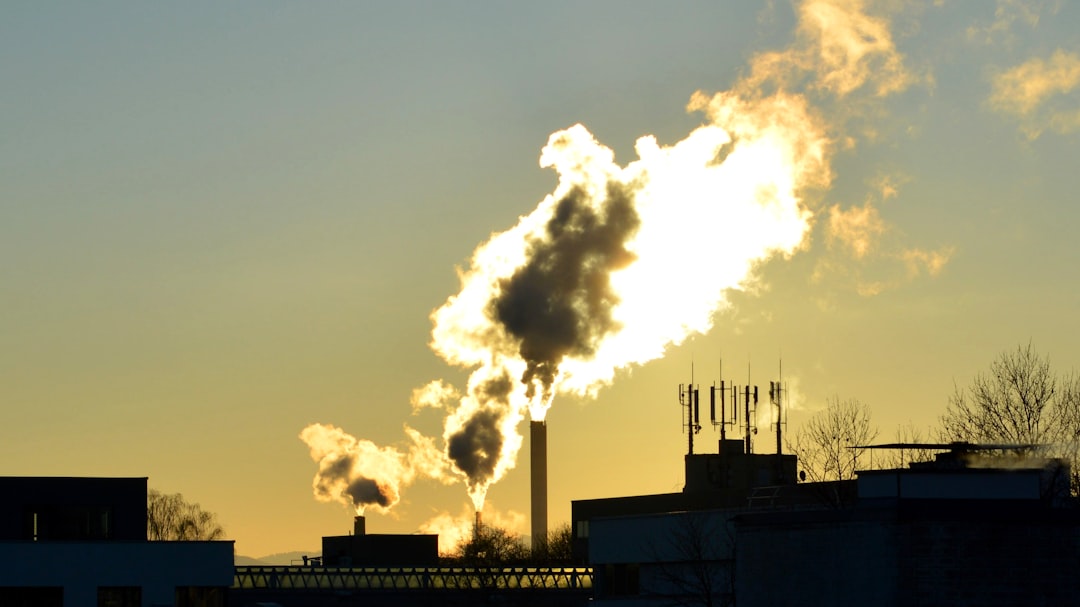
Detecting industrial pollutants is a critical aspect of environmental management and public health. As industries continue to expand and evolve, the potential for harmful emissions and waste products increases, necessitating robust detection methods. The ability to identify pollutants early can significantly mitigate their impact on ecosystems and human health.
By monitoring emissions and effluents, authorities can enforce regulations and ensure compliance with environmental standards, ultimately fostering a healthier planet. Moreover, the detection of industrial pollutants serves as a proactive measure in preventing environmental degradation. It allows for timely interventions that can prevent pollutants from entering water bodies, soil, and the atmosphere.
This proactive approach not only protects natural resources but also preserves biodiversity. The importance of detecting these pollutants cannot be overstated, as it lays the groundwork for sustainable industrial practices and responsible resource management.
Key Takeaways
- Detecting industrial pollutants is crucial for protecting the environment and public health.
- Current detection methods have limitations, highlighting the need for more advanced technologies.
- Government regulations and industry responsibility play key roles in monitoring and reducing pollution.
- Public awareness and education are essential for supporting pollution prevention efforts.
- Early detection and prevention offer significant benefits for sustainable environmental management.
The Impact of Industrial Pollutants on the Environment
Industrial pollutants have far-reaching consequences for the environment, affecting air quality, water sources, and soil health. Emissions from factories often contain harmful substances such as heavy metals, volatile organic compounds, and particulate matter, which can lead to acid rain and contribute to climate change. These pollutants can disrupt ecosystems, leading to the decline of plant and animal species and altering habitats.
The cumulative effect of these pollutants can result in long-term environmental damage that is difficult to reverse. In addition to direct ecological impacts, industrial pollutants can also affect the quality of natural resources that communities rely on for their livelihoods. Contaminated water sources can lead to the loss of aquatic life and affect agriculture by rendering soil unfit for cultivation.
The degradation of these resources can have economic repercussions, particularly for communities that depend on fishing or farming. Thus, the environmental impact of industrial pollutants extends beyond immediate ecological concerns, influencing social and economic stability as well.
The Health Risks Associated with Industrial Pollutants
The health risks posed by industrial pollutants are significant and varied, affecting populations in numerous ways. Exposure to toxic substances can lead to acute health issues such as respiratory problems, skin irritations, and neurological disorders. Long-term exposure is even more concerning, as it has been linked to chronic conditions such as cancer, cardiovascular diseases, and developmental disorders in children.
Vulnerable populations, including children, the elderly, and those with pre-existing health conditions, are particularly at risk. Furthermore, the psychological impact of living in polluted environments cannot be overlooked. Communities that are aware of nearby industrial activities often experience heightened anxiety and stress related to potential health risks.
This psychological burden can lead to a decline in overall well-being and quality of life. Therefore, understanding the health risks associated with industrial pollutants is essential for developing effective public health strategies and ensuring that communities are protected from harmful exposures.
Current Methods for Detecting Industrial Pollutants
Current methods for detecting industrial pollutants encompass a range of technologies and approaches designed to monitor emissions and assess environmental quality. Traditional methods include sampling air, water, and soil for laboratory analysis, which can provide detailed information about pollutant concentrations. Techniques such as gas chromatography and mass spectrometry are commonly employed to identify specific compounds present in samples.
These methods are reliable but often time-consuming and require specialized equipment and expertise. In addition to laboratory analysis, real-time monitoring technologies have emerged as valuable tools for detecting industrial pollutants. Sensors equipped with advanced detection capabilities can provide continuous data on air quality and water contamination levels.
These sensors can be deployed in various environments, allowing for immediate responses to pollution events. While these current methods have their strengths, they also highlight the need for ongoing innovation in detection technologies to keep pace with evolving industrial practices.
The Limitations of Current Detection Methods
| Pollutant | Detection Method | Detection Limit | Units | Typical Industrial Source | Health Impact |
|---|---|---|---|---|---|
| Particulate Matter (PM2.5) | Optical Particle Counter | 1 | µg/m³ | Combustion processes, manufacturing | Respiratory issues, cardiovascular diseases |
| Volatile Organic Compounds (VOCs) | Gas Chromatography-Mass Spectrometry (GC-MS) | 0.1 | ppb | Paints, solvents, chemical manufacturing | Neurological effects, cancer risk |
| Sulfur Dioxide (SO2) | Fluorescence Analyzer | 0.5 | ppb | Fossil fuel combustion, smelting | Respiratory irritation, asthma exacerbation |
| Nitrogen Oxides (NOx) | Chemiluminescence Analyzer | 1 | ppb | Vehicle emissions, power plants | Respiratory problems, ozone formation |
| Heavy Metals (e.g., Lead, Mercury) | Atomic Absorption Spectroscopy (AAS) | 0.01 | mg/L (water), µg/m³ (air) | Mining, battery manufacturing | Neurological damage, organ toxicity |
| Carbon Monoxide (CO) | Non-dispersive Infrared Sensor (NDIR) | 0.1 | ppm | Incomplete combustion, industrial furnaces | Headaches, dizziness, fatal at high levels |
Despite the advancements in detection technologies, current methods for identifying industrial pollutants have notable limitations. One significant challenge is the inability to detect certain pollutants at low concentrations or in complex mixtures. Many traditional analytical techniques require extensive sample preparation and may not be sensitive enough to identify emerging contaminants or trace levels of hazardous substances.
This limitation can result in undetected pollution that poses risks to both human health and the environment. Additionally, the reliance on laboratory analysis can lead to delays in response times when pollution events occur. In situations where immediate action is necessary to mitigate harm, waiting for laboratory results can be detrimental.
Furthermore, the costs associated with sophisticated detection equipment and laboratory services can be prohibitive for smaller industries or developing regions. These limitations underscore the urgent need for more accessible and efficient detection methods that can provide timely information about industrial pollutants.
The Need for More Advanced Detection Technologies
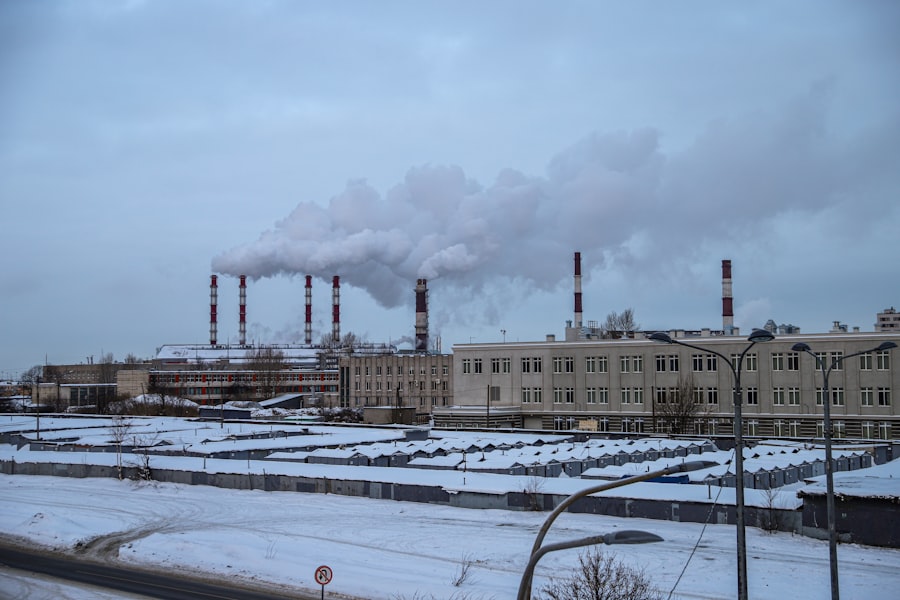
The pressing challenges associated with current detection methods highlight the need for more advanced technologies capable of addressing the complexities of industrial pollution. Innovations in sensor technology, such as miniaturized devices and portable analyzers, hold promise for enhancing real-time monitoring capabilities. These advancements could enable industries and regulatory bodies to detect pollutants more efficiently and accurately, facilitating quicker responses to pollution incidents.
Moreover, integrating artificial intelligence (AI) and machine learning into detection systems could revolutionize how pollutants are monitored. By analyzing vast amounts of data from various sources, AI algorithms could identify patterns and predict pollution events before they occur. This proactive approach would not only improve detection rates but also enhance overall environmental management strategies.
Investing in research and development for advanced detection technologies is essential for creating a sustainable future where industrial activities do not compromise environmental integrity.
The Role of Government Regulations in Monitoring Industrial Pollutants
Government regulations play a crucial role in monitoring industrial pollutants and ensuring compliance with environmental standards. Regulatory frameworks establish limits on emissions and set guidelines for monitoring practices, providing a structured approach to pollution control. Agencies such as the Environmental Protection Agency (EPA) in the United States are tasked with enforcing these regulations, conducting inspections, and imposing penalties on non-compliant industries.
Effective regulation requires collaboration between government agencies, industries, and communities. Engaging stakeholders in the regulatory process fosters transparency and accountability while ensuring that regulations reflect current scientific understanding of pollution impacts. Additionally, governments must adapt regulations to keep pace with technological advancements in detection methods, ensuring that monitoring practices remain effective in addressing emerging pollution challenges.
The Responsibility of Industries in Monitoring and Reducing Pollutants
Industries bear a significant responsibility in monitoring and reducing their pollutant emissions. As key contributors to environmental degradation, they must adopt sustainable practices that minimize their ecological footprint. This includes investing in cleaner technologies, implementing waste reduction strategies, and conducting regular environmental assessments to identify areas for improvement.
Moreover, industries should prioritize transparency by publicly reporting their emissions data and engaging with local communities about their environmental practices. By fostering open communication and accountability, industries can build trust with stakeholders while demonstrating their commitment to environmental stewardship. Ultimately, proactive measures taken by industries not only benefit the environment but also enhance their reputation and long-term viability.
The Importance of Public Awareness and Education
Public awareness and education are vital components in addressing industrial pollution effectively. Communities must be informed about the potential risks associated with nearby industrial activities and empowered to advocate for their health and environment. Educational initiatives can help individuals understand the importance of monitoring pollutants and encourage them to participate in local environmental efforts.
Furthermore, raising awareness about sustainable practices can inspire individuals to make informed choices that contribute to pollution reduction at both personal and community levels. By fostering a culture of environmental responsibility, society can collectively work towards minimizing industrial pollution’s impact on health and ecosystems. Public engagement is essential for driving change and holding industries accountable for their environmental practices.
The Benefits of Early Detection and Prevention of Industrial Pollution
Early detection of industrial pollution offers numerous benefits that extend beyond immediate health concerns.
This proactive approach not only protects public health but also reduces remediation costs associated with cleaning up polluted sites.
When companies prioritize monitoring their emissions and waste products, they contribute to a healthier environment while enhancing their operational efficiency. Ultimately, early detection serves as a cornerstone for effective pollution management strategies that benefit both industries and communities alike.
The Future of Industrial Pollution Detection and Prevention
The future of industrial pollution detection and prevention is poised for transformation through technological advancements and collaborative efforts among stakeholders. As research continues to unveil new methods for detecting pollutants more efficiently, industries will have access to tools that enable them to monitor their emissions proactively. Innovations such as remote sensing technologies and smart sensors will likely become commonplace in pollution management strategies.
Moreover, fostering partnerships between governments, industries, researchers, and communities will be essential for creating comprehensive approaches to pollution prevention. By sharing knowledge and resources, stakeholders can develop effective policies that address both current challenges and future threats posed by industrial activities. As society moves towards a more sustainable future, prioritizing the detection and prevention of industrial pollution will be crucial for safeguarding public health and preserving the environment for generations to come.
In recent years, the detection of industrial pollutants has become increasingly important for environmental protection and public health. A related article that delves into innovative methods for monitoring these pollutants can be found at Freaky Science. This resource provides valuable insights into the latest technologies and strategies being employed to identify and mitigate the impact of industrial emissions on our ecosystems.
WATCH THIS! 🌌 Where Is Everybody? The Discovery That Would End Civilization 🌌
FAQs
What are industrial pollutants?
Industrial pollutants are harmful substances released into the environment as a result of industrial activities. These can include chemicals, heavy metals, particulate matter, and gases that contaminate air, water, and soil.
Why is detecting industrial pollutants important?
Detecting industrial pollutants is crucial for protecting human health, preserving ecosystems, complying with environmental regulations, and preventing long-term environmental damage.
What methods are commonly used to detect industrial pollutants?
Common detection methods include chemical analysis, spectroscopy, chromatography, sensor technologies, remote sensing, and biological monitoring techniques.
What types of pollutants are typically monitored in industrial settings?
Typical pollutants monitored include volatile organic compounds (VOCs), heavy metals like lead and mercury, particulate matter, sulfur dioxide (SO2), nitrogen oxides (NOx), and other toxic chemicals.
How do sensors help in detecting industrial pollutants?
Sensors can provide real-time monitoring of pollutant levels by detecting specific chemical or physical properties, enabling quick response to pollution events and continuous environmental assessment.
Are there regulations governing industrial pollutant detection?
Yes, many countries have environmental regulations that require industries to monitor and report pollutant emissions to ensure compliance with air and water quality standards.
Can industrial pollutant detection prevent environmental damage?
While detection itself does not prevent pollution, it enables early identification of pollutant releases, allowing for timely mitigation measures to reduce environmental impact.
What challenges exist in detecting industrial pollutants?
Challenges include the complexity of pollutant mixtures, low concentration levels, interference from other substances, and the need for sensitive, accurate, and cost-effective detection technologies.
How has technology improved industrial pollutant detection?
Advancements in sensor technology, data analytics, remote sensing, and automation have enhanced the accuracy, speed, and scope of pollutant detection in industrial environments.
Can industrial pollutant detection be automated?
Yes, many modern detection systems are automated, allowing continuous monitoring and real-time data transmission to facilitate rapid decision-making and regulatory compliance.