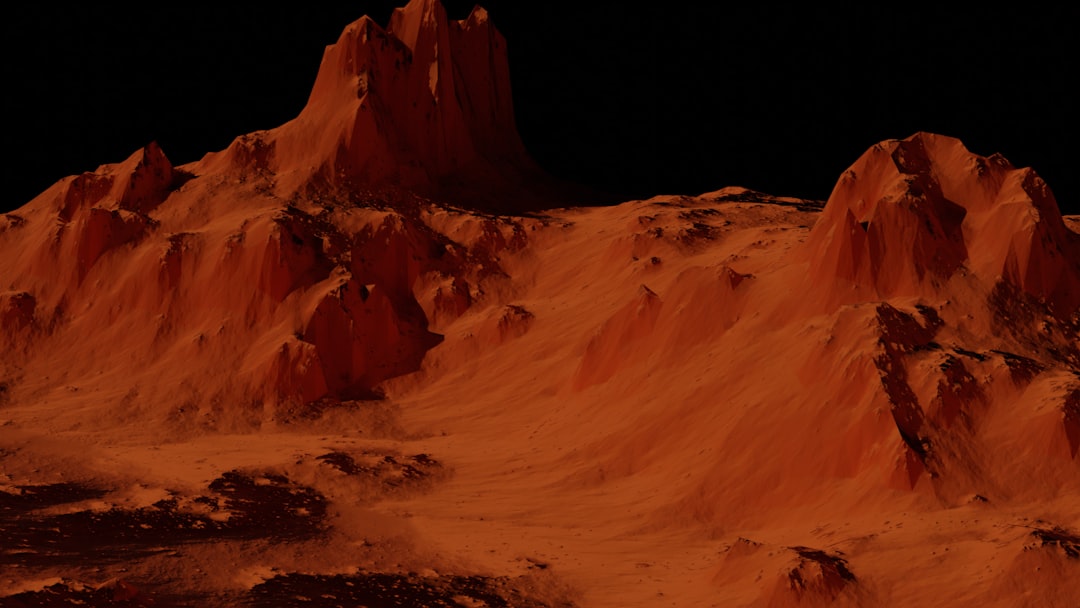
The quest to uncover the mysteries of life beyond Earth has captivated humanity for centuries, and Mars stands as one of the most intriguing candidates in this search. The Red Planet, with its striking landscapes and complex geological history, has long been a focal point for scientists and enthusiasts alike. Recent discoveries suggest that Mars may have once harbored conditions suitable for life, particularly microbial life.
This possibility raises profound questions about the nature of life itself and humanity’s place in the universe. As researchers delve deeper into the Martian environment, they are not only exploring the potential for past life but also considering the implications of finding living organisms today. Mars, with its thin atmosphere and harsh conditions, presents a unique challenge for astrobiologists.
The study of Martian microbial life is not merely an academic pursuit; it holds the promise of answering fundamental questions about life’s resilience and adaptability. As scientists continue to investigate the planet’s surface and subsurface, they are piecing together a narrative that could redefine our understanding of life in the cosmos.
Key Takeaways
- Mars exploration focuses on finding microbial life by studying potential habitats and water sources.
- Advanced tools and technology are essential for detecting and analyzing Martian microbes.
- Understanding the characteristics of possible Martian microbes helps guide research and mission design.
- Discovering microbial life on Mars would have profound scientific and ethical implications.
- Future missions aim to overcome challenges and expand our knowledge of life beyond Earth.
The Search for Life on Mars
The search for life on Mars has evolved significantly over the decades, transitioning from mere speculation to rigorous scientific inquiry. Early missions focused primarily on mapping the planet’s surface and analyzing its geology, but as technology advanced, so did the methods employed to detect signs of life. The Viking missions in the 1970s were among the first to conduct experiments aimed at identifying biological activity, albeit with inconclusive results.
In recent years, missions such as NASA’s Perseverance rover and the European Space Agency’s ExoMars program have intensified efforts to find microbial life. These missions are equipped with sophisticated instruments designed to analyze soil samples, search for organic compounds, and assess environmental conditions.
The focus has shifted from merely searching for life to understanding the potential for life to exist in various forms. This paradigm shift reflects a growing recognition that if life ever existed on Mars, it may have adapted to extreme conditions, making it more resilient than previously thought.
Characteristics of Potential Martian Microbes
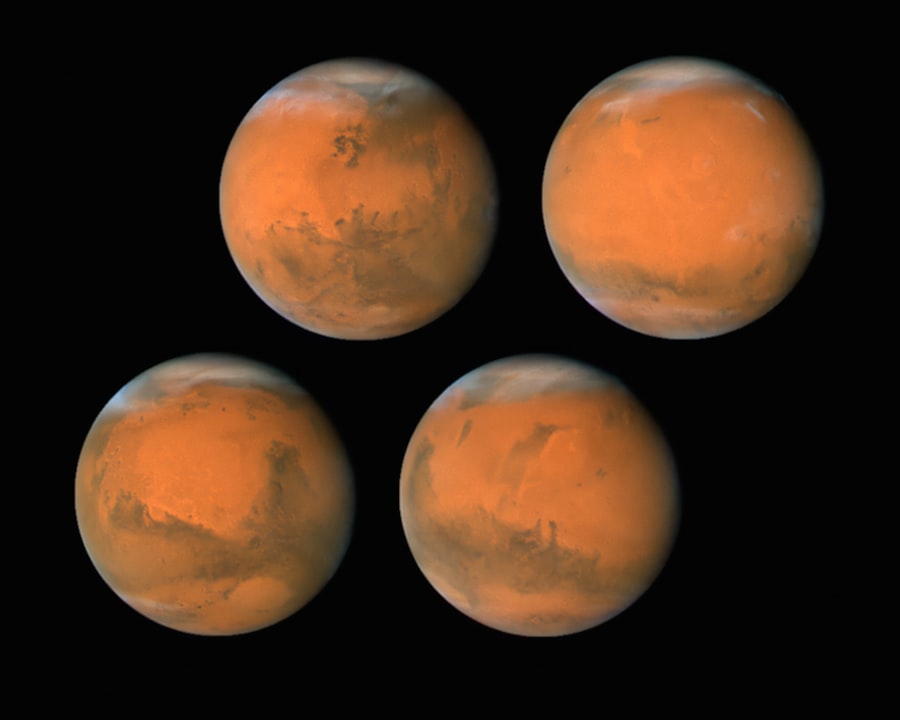
Understanding the characteristics of potential Martian microbes is crucial for guiding exploration efforts. Scientists hypothesize that if life exists or existed on Mars, it would likely be microbial due to the planet’s size and environmental conditions. These hypothetical Martian microbes may exhibit unique adaptations that allow them to thrive in extreme environments characterized by high radiation levels, low temperatures, and limited water availability.
For instance, extremophiles on Earth—organisms that can survive in extreme conditions—provide valuable insights into what Martian microbes might look like. Potential Martian microbes could possess metabolic pathways that enable them to utilize available resources efficiently. They may rely on chemosynthesis rather than photosynthesis, drawing energy from chemical reactions rather than sunlight.
Additionally, these microbes might have developed protective mechanisms against radiation and desiccation, allowing them to endure the harsh Martian climate. By studying extremophiles on Earth and simulating Martian conditions in laboratories, scientists aim to identify specific traits that could indicate the presence of life on Mars.
Tools and Technology for Detecting Martian Microbial Life
The advancement of technology has revolutionized the search for microbial life on Mars. Modern rovers and landers are equipped with an array of sophisticated instruments designed to analyze soil samples, measure atmospheric composition, and detect organic molecules. For instance, Perseverance carries a suite of scientific tools, including the Scanning Habitable Environments with Raman & Luminescence for Organics & Chemicals (SHERLOC) instrument, which uses laser-induced fluorescence to identify organic compounds and potential biosignatures.
In addition to rovers, orbiters play a crucial role in detecting signs of microbial life from above. Instruments aboard spacecraft like the Mars Reconnaissance Orbiter provide high-resolution images of the Martian surface, revealing features that may indicate past water activity or potential habitats for life. Furthermore, advancements in remote sensing technology allow scientists to analyze mineral compositions and identify areas where liquid water may have existed in the past.
Together, these tools create a comprehensive approach to exploring Mars and searching for microbial life.
The Role of Water in Sustaining Martian Microbes
| Metric | Value | Notes |
|---|---|---|
| Potential Microbial Habitability Zones | Subsurface ice and brine pockets | Regions where liquid water may exist temporarily |
| Detected Organic Molecules | Varied (e.g., chlorobenzene, thiophenes) | Found by Curiosity rover in Gale Crater |
| Estimated Microbial Biomass | Unknown, hypothesized low density | No direct evidence yet |
| Radiation Levels on Surface | ~0.67 millisieverts/day | High radiation may limit surface life |
| Temperature Range | -125°C to 20°C | Extreme cold limits microbial activity |
| Water Activity (aw) | Below 0.6 on surface | Too low for most Earth microbes |
| Presence of Methane | 0.24 ppbv (parts per billion by volume) | Seasonal variations detected, possible biological or geological origin |
Water is often considered a fundamental requirement for life as we know it, and its presence on Mars is a key factor in assessing the planet’s habitability. Evidence suggests that liquid water once flowed on the Martian surface, creating rivers and lakes that could have supported microbial ecosystems. Today, while surface water is scarce due to the planet’s thin atmosphere and cold temperatures, there are indications that briny liquid water may still exist beneath the surface or in transient forms.
The discovery of recurring slope lineae—dark streaks that appear during warmer months—has sparked interest among scientists as they may indicate the presence of liquid water seeping through Martian soil. If such water exists, it could provide a vital resource for any microbial life that may still be present. Understanding how water interacts with Martian soil and rocks is essential for determining whether conditions are suitable for sustaining microbial organisms.
Potential Habitats for Martian Microbial Life
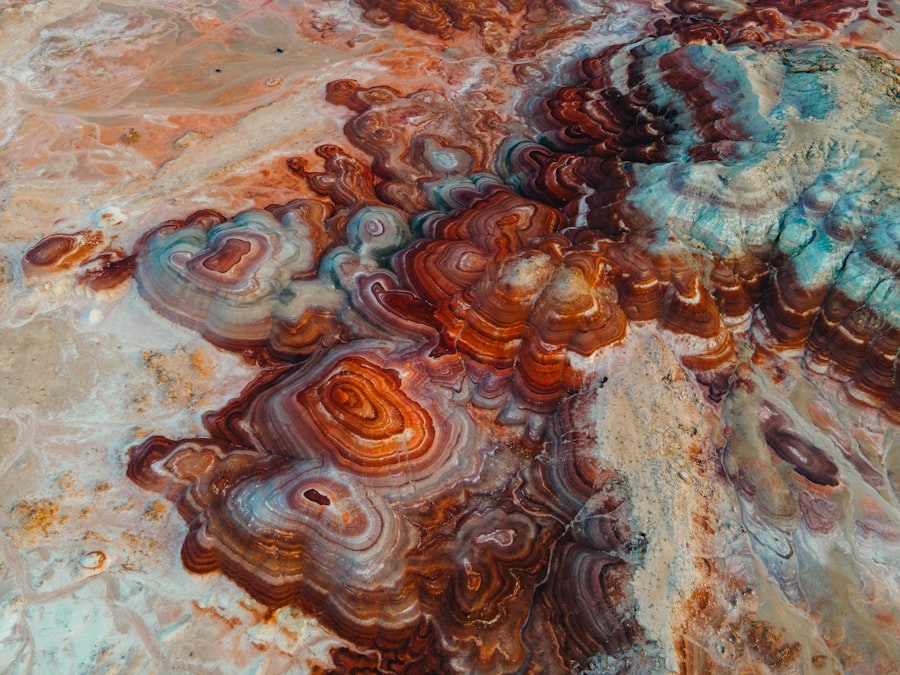
Identifying potential habitats for Martian microbial life involves examining various geological features that may have provided suitable environments in the past or present. Subsurface environments are particularly intriguing because they offer protection from harsh surface conditions such as radiation and extreme temperatures. Scientists speculate that ancient hydrothermal systems or subsurface aquifers could have created niches where microbial life thrived.
Additionally, areas near ancient riverbeds or lakebeds are prime candidates for exploration. These locations may contain sedimentary deposits rich in organic material and minerals that could support microbial activity. Furthermore, polar ice caps and regions with recurring slope lineae are also being investigated as potential habitats where liquid water might exist intermittently.
By targeting these diverse environments, researchers hope to uncover evidence of past or present microbial life on Mars.
Challenges of Studying Microbial Life on Mars
Despite significant advancements in technology and knowledge about Mars, studying microbial life on the planet presents numerous challenges. One of the primary obstacles is the harsh environment itself; extreme temperatures, high radiation levels, and dust storms can hinder both robotic missions and future human exploration efforts. Additionally, the thin atmosphere makes it difficult to protect instruments from contamination or damage during landings.
Another challenge lies in distinguishing between biological and non-biological signatures in Martian samples. The presence of organic molecules does not necessarily indicate life; they can also result from abiotic processes. Therefore, developing reliable methods to identify biosignatures is crucial for interpreting data collected from Mars missions accurately.
Furthermore, researchers must consider planetary protection protocols to prevent contamination of Mars with Earth microbes during exploration.
Implications of Finding Microbial Life on Mars
The discovery of microbial life on Mars would have profound implications for science and humanity as a whole. It would not only confirm that life can exist beyond Earth but also challenge existing theories about life’s origins and evolution. Such a finding could reshape our understanding of biology and ecology by revealing new forms of life adapted to extreme environments.
Moreover, finding extraterrestrial microbes could ignite discussions about ethical considerations regarding planetary protection and stewardship. If life exists on Mars, questions arise about how humanity should interact with it—whether to study it or preserve it from contamination by Earth organisms. The implications extend beyond science; they touch upon philosophical inquiries about humanity’s role in the universe and our responsibility toward other forms of life.
Ethical Considerations in Exploring Martian Microbial Life
As scientists embark on missions to explore potential microbial life on Mars, ethical considerations come to the forefront of discussions surrounding planetary exploration. The principle of planetary protection emphasizes the need to prevent contamination of other celestial bodies with Earth organisms during space missions. This principle is crucial not only for preserving potential extraterrestrial ecosystems but also for ensuring that scientific investigations yield accurate results.
Furthermore, ethical dilemmas arise when considering how humanity should approach any discovered Martian microbes. Should they be studied extensively or left undisturbed? The potential consequences of interacting with extraterrestrial life raise questions about responsibility and respect for other forms of existence.
As exploration efforts continue, establishing ethical frameworks will be essential to guide decision-making processes regarding interactions with Martian microbial life.
Future Missions and Research in the Search for Martian Microbes
Looking ahead, future missions aimed at uncovering microbial life on Mars promise exciting possibilities for scientific discovery. NASA’s Artemis program aims to return humans to the Moon as a stepping stone toward crewed missions to Mars within the next decade. These missions will not only enhance our understanding of human space travel but also pave the way for more advanced exploration techniques on Mars.
Additionally, international collaborations are emerging as key players in future research endeavors. The European Space Agency’s ExoMars mission is set to launch a rover equipped with advanced instruments designed specifically for detecting signs of past or present life on Mars. As technology continues to evolve and our understanding deepens, researchers remain optimistic about uncovering evidence of microbial life on the Red Planet.
The Exciting Potential of Discovering Life on Mars
The search for microbial life on Mars represents one of humanity’s most ambitious scientific endeavors—a quest that intertwines curiosity with existential questions about our place in the universe. As researchers continue to explore this enigmatic planet through advanced technology and innovative methodologies, they inch closer to answering whether we are alone in the cosmos or if life exists beyond our home planet. The implications of discovering microbial life on Mars extend far beyond scientific curiosity; they challenge humanity’s understanding of biology, ethics, and our responsibility toward other forms of existence.
As future missions unfold and new discoveries emerge, the excitement surrounding the potential for finding life on Mars remains palpable—a testament to humanity’s enduring quest for knowledge and connection with the universe at large.
Recent studies have sparked interest in the possibility of microbial life on Mars, with researchers exploring the planet’s surface and subsurface for signs of past or present organisms. For a deeper understanding of the ongoing research and discoveries related to this topic, you can read more in the article available at Freaky Science. This article delves into the methods scientists are using to search for microbial life and the implications of their findings for our understanding of life beyond Earth.
WATCH THIS! 🌌 Where Is Everybody? The Discovery That Would End Civilization 🌌
FAQs
What evidence suggests that microbial life could have existed on Mars?
Scientists have found signs such as ancient riverbeds, minerals that form in the presence of water, and organic molecules in Martian soil, all of which suggest that Mars once had conditions suitable for microbial life.
Has any microbial life been discovered on Mars so far?
No direct evidence of microbial life has been found on Mars to date. Current missions are focused on searching for biosignatures or chemical indicators that could imply past or present life.
Why is Mars considered a good candidate for finding microbial life?
Mars is considered a good candidate because it has a history of liquid water, a variety of minerals, and environmental conditions that may have supported microbial life in the past.
What types of microbes could potentially survive on Mars?
Extremophiles, microbes that can survive in harsh conditions such as extreme cold, radiation, and low water availability, are considered the most likely candidates to survive on Mars.
How do scientists search for microbial life on Mars?
Scientists use rovers and landers equipped with instruments to analyze soil, rocks, and the atmosphere for organic compounds, chemical signatures, and microscopic fossils that could indicate microbial life.
What role does water play in the search for microbial life on Mars?
Water is essential for life as we know it, so finding evidence of past or present water on Mars is crucial for identifying environments where microbial life could have existed.
Can microbes from Earth survive on Mars?
Some hardy microbes from Earth, known as extremophiles, have been shown in experiments to survive simulated Martian conditions, raising concerns about contamination and the possibility of Earth microbes surviving on Mars.
What missions are currently exploring Mars for signs of microbial life?
Missions such as NASA’s Perseverance rover and the European Space Agency’s ExoMars rover are actively searching for signs of past or present microbial life on Mars.
Why is it important to study microbial life on Mars?
Studying microbial life on Mars can help us understand the potential for life elsewhere in the universe, the history of Mars, and the conditions necessary for life to exist.
What challenges do scientists face in detecting microbial life on Mars?
Challenges include the harsh surface conditions, potential contamination from Earth, the difficulty of distinguishing biological signatures from non-biological ones, and the limitations of current technology.