Civilization radiators, often referred to simply as radiators, are essential components of heating systems in residential and commercial buildings. Their primary function is to transfer heat from hot water or steam to the air in a room, thereby providing warmth during colder months. These devices operate on the principle of convection, where heated air rises and circulates throughout the space, creating a comfortable environment.
The design of civilization radiators can vary significantly, ranging from traditional cast iron models to modern, sleek designs that blend seamlessly with contemporary interiors. The mechanics behind civilization radiators are relatively straightforward. When hot water or steam enters the radiator, it heats the metal surface, which in turn warms the air surrounding it.
As the air heats up, it becomes less dense and rises, allowing cooler air to flow in from below. This cycle continues, creating a consistent and efficient heating process. Additionally, many modern radiators are designed with fins or other features that increase their surface area, enhancing their ability to transfer heat and improve overall efficiency.
Key Takeaways
- Civilization radiators are essential heating devices that transfer heat efficiently to maintain comfortable environments.
- Selecting the right radiator depends on factors like size, energy source, and specific heating needs.
- Regular maintenance and cleaning are crucial for optimal radiator performance and longevity.
- Smart and technologically advanced radiators offer improved energy efficiency and user control.
- Innovations in radiator design focus on reducing environmental impact and enhancing sustainable heating solutions.
The Importance of Efficient Civilization Radiators in Modern Society
In today’s world, where energy conservation and sustainability are paramount, the efficiency of civilization radiators plays a crucial role in reducing energy consumption and lowering utility bills.
As buildings account for a significant portion of global energy use, optimizing heating systems through efficient radiators can lead to substantial reductions in greenhouse gas emissions.
Moreover, the importance of efficient civilization radiators extends beyond individual households. In commercial settings, businesses can benefit from lower operational costs and improved employee comfort. A well-heated workspace can enhance productivity and morale, making it vital for organizations to invest in high-quality heating solutions.
As society continues to prioritize energy efficiency and sustainability, the role of civilization radiators in achieving these goals cannot be overstated.
Choosing the Right Civilization Radiator for Your Needs
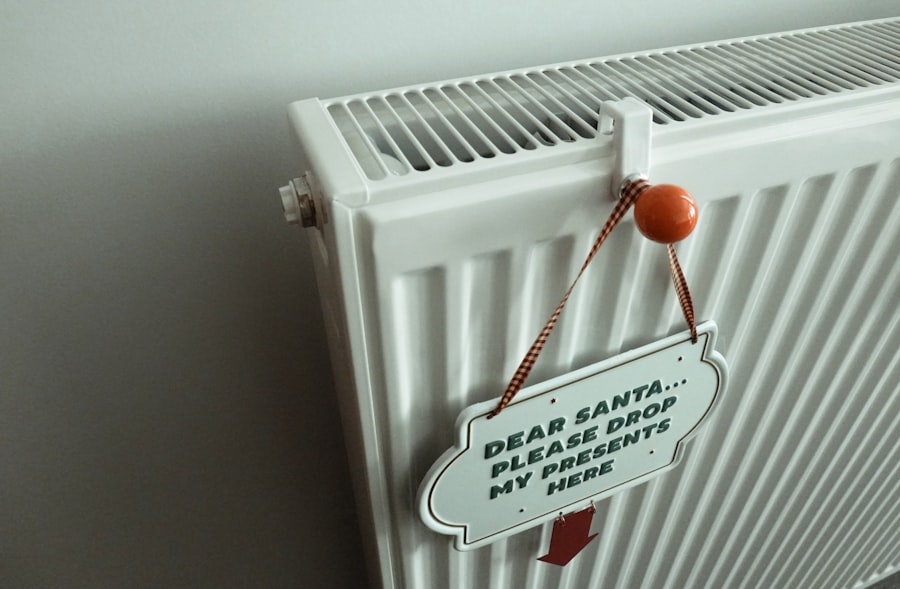
Selecting the appropriate civilization radiator involves considering several factors that align with individual heating requirements and preferences. One of the primary considerations is the size of the space that needs heating. Radiators come in various sizes and output capacities, so it is essential to calculate the heat loss of a room to determine the necessary radiator size.
This calculation takes into account factors such as insulation quality, window size, and room dimensions. Another critical aspect to consider is the type of radiator that best suits one’s needs. Options include panel radiators, column radiators, and towel warmers, each offering unique benefits.
For instance, panel radiators are often favored for their sleek design and efficient heat distribution, while column radiators can add a touch of vintage charm to a space. Additionally, individuals should consider their heating system compatibility—whether it operates on hot water or steam—as this will influence the type of radiator that can be installed.
Tips for Maintaining and Cleaning Your Civilization Radiator
Proper maintenance and cleaning of civilization radiators are essential for ensuring their longevity and efficiency. Regularly checking for leaks or corrosion can prevent more significant issues down the line. Homeowners should inspect their radiators at least once a year, looking for any signs of wear or damage that could affect performance.
If any issues are detected, addressing them promptly can save time and money in repairs. Cleaning is another vital aspect of radiator maintenance. Dust and debris can accumulate on the surface and within the fins of a radiator, hindering its ability to transfer heat effectively.
To clean a radiator, one should first turn off the heating system and allow it to cool down. Using a vacuum cleaner with a brush attachment can help remove dust from hard-to-reach areas. For deeper cleaning, a damp cloth can be used to wipe down the exterior surfaces.
Regular cleaning not only enhances efficiency but also contributes to better indoor air quality.
Energy-Saving Strategies for Civilization Radiators
| Metric | Description | Typical Value | Unit |
|---|---|---|---|
| Thermal Efficiency | Percentage of heat output relative to energy input | 85-95 | % |
| Heat Output | Amount of heat emitted by the radiator | 1500-3000 | Watts |
| Energy Consumption | Energy used to operate the radiator | 1000-2500 | Watts |
| Response Time | Time taken to reach optimal heat output | 5-15 | Minutes |
| Material Durability | Expected lifespan of radiator materials | 15-25 | Years |
| Surface Area | Effective area for heat radiation | 1.2-2.5 | Square meters |
| Operating Temperature | Temperature range for efficient operation | 60-90 | °C |
Implementing energy-saving strategies for civilization radiators can significantly reduce heating costs while maintaining comfort levels in a home or office. One effective approach is to install thermostatic radiator valves (TRVs), which allow users to control the temperature in individual rooms more precisely. By adjusting the heat output based on occupancy and usage patterns, TRVs can help avoid unnecessary heating in unoccupied spaces.
Another strategy involves optimizing insulation around radiators. Ensuring that walls and windows are well-insulated can prevent heat loss and improve overall efficiency. Additionally, placing reflective panels behind radiators can direct heat back into the room rather than allowing it to escape through walls.
These simple adjustments can lead to noticeable energy savings over time while enhancing the effectiveness of civilization radiators.
Maximizing Efficiency Through Proper Placement of Civilization Radiators

The placement of civilization radiators within a room is crucial for maximizing their efficiency and effectiveness. Ideally, radiators should be positioned beneath windows or along exterior walls where heat loss is most significant. This strategic placement helps counteract cold drafts and ensures that warm air circulates effectively throughout the space.
Furthermore, avoiding obstructions around radiators is essential for optimal performance. Furniture, curtains, or other items placed too close to a radiator can impede airflow and reduce its heating capacity. Homeowners should aim to maintain a clear space around their radiators to allow for proper circulation of warm air.
By considering placement carefully, individuals can enhance the overall efficiency of their heating systems.
The Role of Technology in Advancing Civilization Radiator Efficiency
Advancements in technology have significantly impacted the efficiency of civilization radiators in recent years. Smart thermostats and home automation systems allow users to monitor and control their heating systems remotely, providing greater flexibility and convenience. These technologies enable homeowners to adjust settings based on their schedules or preferences, ensuring that energy is not wasted when spaces are unoccupied.
Additionally, innovations such as hydronic heating systems have emerged as more efficient alternatives to traditional radiator setups. These systems utilize heated water circulated through pipes embedded in floors or walls, providing even heat distribution without relying solely on conventional radiators. As technology continues to evolve, it is likely that new solutions will emerge that further enhance the efficiency and effectiveness of civilization radiators.
Investing in Smart Civilization Radiators: What You Need to Know
Investing in smart civilization radiators offers numerous benefits for those looking to enhance their heating systems’ efficiency and convenience. Smart radiators often come equipped with features such as programmable settings, remote control capabilities, and integration with home automation systems. This allows users to tailor their heating preferences according to their lifestyles while optimizing energy consumption.
When considering smart civilization radiators, individuals should evaluate compatibility with existing heating systems and assess any additional installation requirements. While these advanced models may come with a higher upfront cost compared to traditional options, the long-term savings on energy bills can make them a worthwhile investment. Furthermore, many smart radiator systems offer data tracking features that provide insights into energy usage patterns, enabling users to make informed decisions about their heating habits.
The Environmental Impact of Civilization Radiators and How to Minimize It
The environmental impact of civilization radiators is an important consideration in today’s eco-conscious society. Traditional heating methods often rely on fossil fuels, contributing to greenhouse gas emissions and climate change. However, by opting for more efficient radiator systems and integrating renewable energy sources such as solar or geothermal heating, individuals can significantly reduce their carbon footprint.
To minimize environmental impact further, homeowners can adopt practices such as regular maintenance and energy-efficient upgrades. Ensuring that radiators operate at peak performance not only conserves energy but also extends their lifespan, reducing waste associated with replacements. By making informed choices about heating systems and practices, individuals can contribute positively to environmental sustainability while enjoying comfortable living spaces.
The Future of Civilization Radiators: Innovations and Trends to Watch
As technology continues to advance at a rapid pace, the future of civilization radiators looks promising with numerous innovations on the horizon. One trend gaining traction is the development of hybrid heating systems that combine traditional radiator technology with renewable energy sources. These systems aim to provide efficient heating while minimizing reliance on fossil fuels.
Additionally, advancements in materials science may lead to the creation of more efficient radiator designs that enhance heat transfer capabilities while reducing energy consumption. Innovations such as phase change materials (PCMs) could revolutionize how heat is stored and released within radiator systems, offering even greater efficiency than current models. As these trends evolve, they will likely shape the landscape of heating solutions for years to come.
Case Studies: How Businesses and Organizations Have Maximized Efficiency with Civilization Radiators
Numerous businesses and organizations have successfully implemented strategies to maximize efficiency through civilization radiators. For instance, a large office building in an urban area upgraded its outdated heating system by installing modern panel radiators equipped with TRVs. This change allowed individual departments to control their heating needs more effectively, resulting in a 20% reduction in energy costs within the first year.
Another case study involves a school district that invested in smart radiator technology across its facilities. By integrating these systems with existing building management software, administrators could monitor energy usage patterns in real-time and adjust settings accordingly. This initiative not only improved comfort levels for students but also led to significant cost savings that could be redirected toward educational resources.
In conclusion, civilization radiators play an integral role in modern heating solutions, impacting both individual comfort and broader environmental concerns. By understanding their functionality, choosing appropriate models, maintaining them properly, and leveraging technological advancements, individuals and organizations alike can maximize efficiency while contributing positively to sustainability efforts.
In exploring the concept of efficient civilization radiators, it’s fascinating to consider how advanced technologies can help manage energy consumption and distribution. A related article that delves into innovative energy solutions can be found on Freaky Science, which discusses various methods for optimizing energy use in modern societies. For more insights, you can read the article [here](https://www.freakyscience.com/).
WATCH THIS! 🌌 Where Is Everybody? The Discovery That Would End Civilization 🌌
FAQs
What are efficient civilization radiators?
Efficient civilization radiators are heating devices designed to provide effective warmth while minimizing energy consumption and environmental impact. They are commonly used in residential, commercial, and industrial settings to improve heating efficiency.
How do efficient civilization radiators work?
These radiators work by converting energy, typically electricity or hot water, into heat and distributing it evenly throughout a space. They often incorporate advanced materials and design features to maximize heat transfer and reduce energy loss.
What are the benefits of using efficient civilization radiators?
Benefits include lower energy bills, reduced carbon footprint, improved indoor comfort, and longer lifespan compared to traditional radiators. They also contribute to sustainable living by using energy more effectively.
What types of efficient civilization radiators are available?
Common types include electric panel radiators, hydronic (water-based) radiators, infrared radiators, and convector radiators. Each type has specific applications depending on the heating requirements and building design.
Are efficient civilization radiators environmentally friendly?
Yes, they are designed to use less energy and often incorporate eco-friendly materials, which helps reduce greenhouse gas emissions and environmental impact compared to conventional heating systems.
Can efficient civilization radiators be integrated with renewable energy sources?
Yes, many efficient radiators can be powered by renewable energy sources such as solar panels or heat pumps, further enhancing their sustainability and reducing reliance on fossil fuels.
How do I maintain efficient civilization radiators?
Regular maintenance includes cleaning the radiator surfaces, checking for leaks or corrosion (in hydronic systems), and ensuring proper system pressure. Periodic professional servicing can help maintain optimal performance.
Are efficient civilization radiators cost-effective?
While the initial investment may be higher than traditional radiators, the energy savings and reduced maintenance costs typically result in long-term cost-effectiveness.
Can efficient civilization radiators be used in all climates?
Yes, they can be adapted for use in various climates by selecting appropriate models and integrating them with other heating or cooling systems as needed.
Where can I purchase efficient civilization radiators?
They are available through specialized heating and HVAC suppliers, home improvement stores, and online retailers. It is advisable to consult with a heating professional to select the best option for your needs.