The origin of multicellularity is a fascinating chapter in the story of life on Earth, marking a significant transition from single-celled organisms to complex life forms. This evolutionary leap is believed to have occurred over a billion years ago, during a time when the planet was dominated by simple prokaryotic cells. The transition to multicellularity likely began with the aggregation of individual cells, which formed colonies that could cooperate and share resources.
These early multicellular organisms were not yet differentiated into specialized cells but represented a crucial step toward more complex life forms. Researchers propose that environmental pressures, such as competition for resources and predation, played a pivotal role in this transition. Cells that could work together to form larger structures had a distinct advantage, as they could better exploit their surroundings and defend against threats.
Genetic mutations that favored cooperation and communication among cells would have been selected for, leading to the gradual evolution of multicellular organisms. This process was not instantaneous; rather, it unfolded over millions of years, resulting in a diverse array of life forms that would eventually populate the planet.
Key Takeaways
- Multicellularity originated as single cells began cooperating, leading to more complex life forms.
- Early multicellular organisms laid the foundation for the development of specialized tissues and organs.
- The Cambrian Explosion marked a significant increase in the diversity and complexity of multicellular life.
- Symbiotic relationships played a crucial role in the evolution and success of multicellular organisms.
- Future multicellular life will continue to evolve, influenced by environmental changes and genetic innovation.
Early Multicellular Organisms
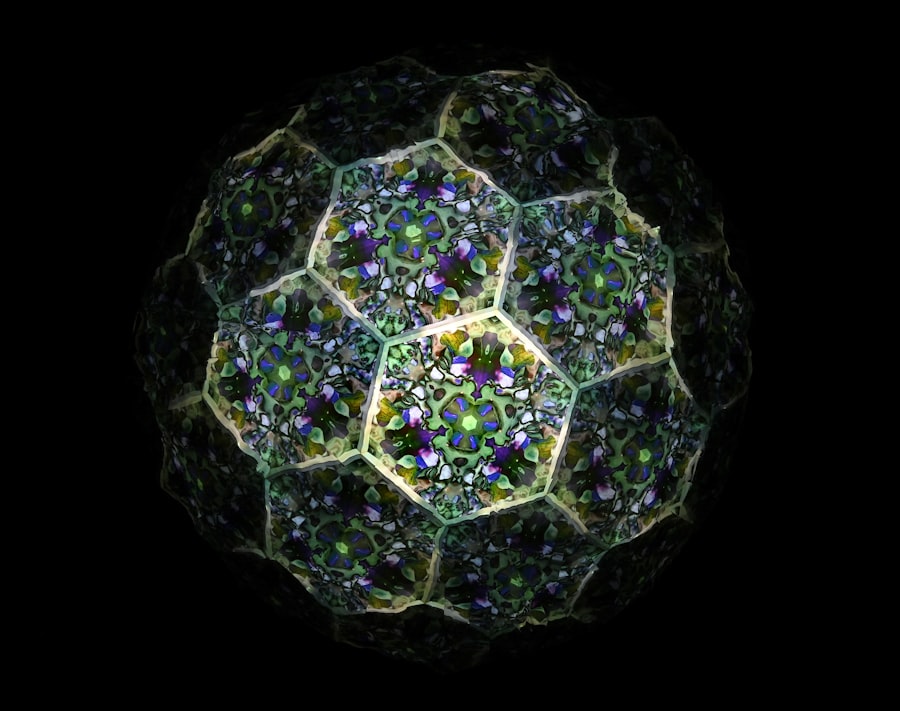
The earliest multicellular organisms were simple and often resembled modern-day algae or slime molds. These organisms, such as the genus *Volvox*, showcased the potential of multicellularity by forming spherical colonies composed of thousands of individual cells. Each cell in these colonies retained its autonomy while contributing to the overall function and survival of the group.
This cooperative behavior laid the groundwork for more complex forms of multicellularity, where cells began to specialize for specific functions. Another significant group of early multicellular organisms includes the *Dasycladales*, a type of green algae that emerged around 700 million years ago. These organisms exhibited a greater degree of structural complexity, with differentiated cells performing various roles within the colony.
The evolution of multicellularity allowed these organisms to thrive in diverse environments, from freshwater to marine ecosystems. As they adapted to their surroundings, they paved the way for the eventual emergence of more complex life forms, setting the stage for the rich tapestry of biodiversity that would follow.
The Role of Multicellularity in Evolution
Multicellularity has played a transformative role in the evolutionary history of life on Earth. By allowing cells to specialize and cooperate, it enabled organisms to develop new strategies for survival and reproduction. This specialization led to the emergence of various biological functions, such as nutrient absorption, locomotion, and reproduction, which were not possible in single-celled organisms.
The evolutionary advantages conferred by multicellularity also facilitated the development of complex behaviors and social structures. For instance, in some species, cells began to communicate through chemical signals, leading to coordinated responses to environmental stimuli.
This communication allowed for more sophisticated interactions among individuals within a species, fostering social behaviors that would later be observed in higher animals. Thus, multicellularity not only enhanced individual survival but also laid the foundation for the evolution of complex ecosystems.
The Development of Tissues and Organs
As multicellular organisms continued to evolve, they began to develop specialized tissues and organs that further enhanced their functionality and adaptability. This process involved the differentiation of cells into distinct types, each with specific roles within the organism. For example, in plants, cells evolved into tissues such as xylem and phloem, which are responsible for transporting water and nutrients.
In animals, tissues developed into organs like hearts and lungs, enabling more efficient circulation and respiration. The emergence of tissues and organs marked a significant milestone in the evolution of life. It allowed organisms to perform complex physiological processes that were previously unattainable.
The specialization of cells into tissues also facilitated greater efficiency in resource utilization, enabling organisms to grow larger and more complex. This development was crucial for the rise of larger animals and plants, which could exploit new ecological niches and compete more effectively for resources.
The Cambrian Explosion and the Rise of Complex Life
| Metric | Description | Typical Range/Value | Significance in Multicellular Life Development |
|---|---|---|---|
| Number of Cell Types | Distinct specialized cells within an organism | From 2 (simple multicellular organisms) to over 200 (humans) | Indicates complexity and differentiation in multicellular organisms |
| Cell Adhesion Molecules (CAMs) Expression Level | Proteins facilitating cell-to-cell adhesion | Varies by organism; e.g., cadherin expression high in animals | Essential for tissue formation and structural integrity |
| Developmental Timeframe | Duration from zygote to mature multicellular organism | Hours to years depending on species | Reflects complexity and growth rate of multicellular life |
| Gene Regulatory Network Complexity | Number of genes and interactions controlling development | Hundreds to thousands of genes involved | Controls differentiation and morphogenesis processes |
| Apoptosis Rate | Frequency of programmed cell death during development | Varies; critical in shaping tissues and removing cells | Ensures proper tissue formation and homeostasis |
| Extracellular Matrix (ECM) Composition | Types and amounts of proteins and polysaccharides outside cells | Collagen, elastin, proteoglycans predominant in animals | Provides structural support and signaling cues |
| Cell Division Rate | Speed at which cells proliferate during development | Varies widely; e.g., embryonic cells divide every 12-24 hours | Drives growth and tissue formation |
The Cambrian Explosion, which occurred approximately 541 million years ago, represents one of the most significant events in the history of life on Earth. During this period, there was a rapid diversification of multicellular organisms, leading to the emergence of many major animal phyla that still exist today. Fossil evidence from this time reveals an astonishing variety of body plans and adaptations, indicating that multicellularity had reached new heights of complexity.
Several factors contributed to this explosion of life. Increased oxygen levels in the atmosphere may have provided the necessary energy for larger and more active organisms. Additionally, changes in ocean chemistry and the availability of ecological niches allowed for experimentation with new body forms and lifestyles.
The Cambrian Explosion not only showcased the potential of multicellularity but also set the stage for the intricate web of life that would follow, influencing evolutionary trajectories for millions of years.
Adaptive Radiation and Diversification of Multicellular Life
Following the Cambrian Explosion, adaptive radiation became a driving force behind the diversification of multicellular life. This phenomenon occurs when organisms rapidly evolve into a wide variety of forms to exploit different ecological niches. The aftermath of mass extinction events often triggers adaptive radiation, as surviving species adapt to fill vacant roles in ecosystems.
This process has been observed multiple times throughout Earth’s history, leading to remarkable bursts of biodiversity. One notable example is the diversification of mammals after the extinction of dinosaurs around 66 million years ago. With their primary competitors gone, mammals rapidly evolved into various forms, from tiny rodents to massive whales.
This adaptive radiation allowed them to occupy diverse habitats and develop unique adaptations suited to their environments. Such evolutionary flexibility highlights the resilience and potential inherent in multicellular life forms.
Extinction Events and the Impact on Multicellular Organisms
Throughout Earth’s history, extinction events have profoundly impacted multicellular organisms, shaping their evolution and diversity. These events can be triggered by various factors, including climate change, volcanic eruptions, asteroid impacts, and changes in sea levels. The most famous extinction event is the Permian-Triassic extinction around 252 million years ago, which wiped out approximately 90% of marine species and 70% of terrestrial species.
While extinction events can be devastating for existing life forms, they also create opportunities for new species to emerge and thrive in previously occupied niches. After each mass extinction, ecosystems gradually recover and diversify as surviving species adapt to changing conditions. This cyclical pattern underscores the resilience of multicellular life; despite facing significant challenges throughout history, it has continually evolved and adapted to survive.
The Evolution of Plant Multicellularity
The evolution of plant multicellularity is a remarkable journey that began with simple green algae transitioning to complex terrestrial plants. This transition involved several key adaptations that allowed plants to thrive on land.
This adaptation was crucial for supporting larger structures and facilitating photosynthesis in diverse environments. Another important aspect of plant multicellularity is the development of reproductive strategies that enhance survival in terrestrial habitats. Plants evolved various mechanisms for reproduction, including seeds and flowers, which increased their chances of successful reproduction in changing environments.
The ability to produce seeds allowed plants to disperse their offspring over long distances, colonizing new areas and ensuring their survival through adverse conditions. This evolutionary journey has resulted in an incredible diversity of plant life that continues to shape ecosystems around the world.
The Evolution of Animal Multicellularity
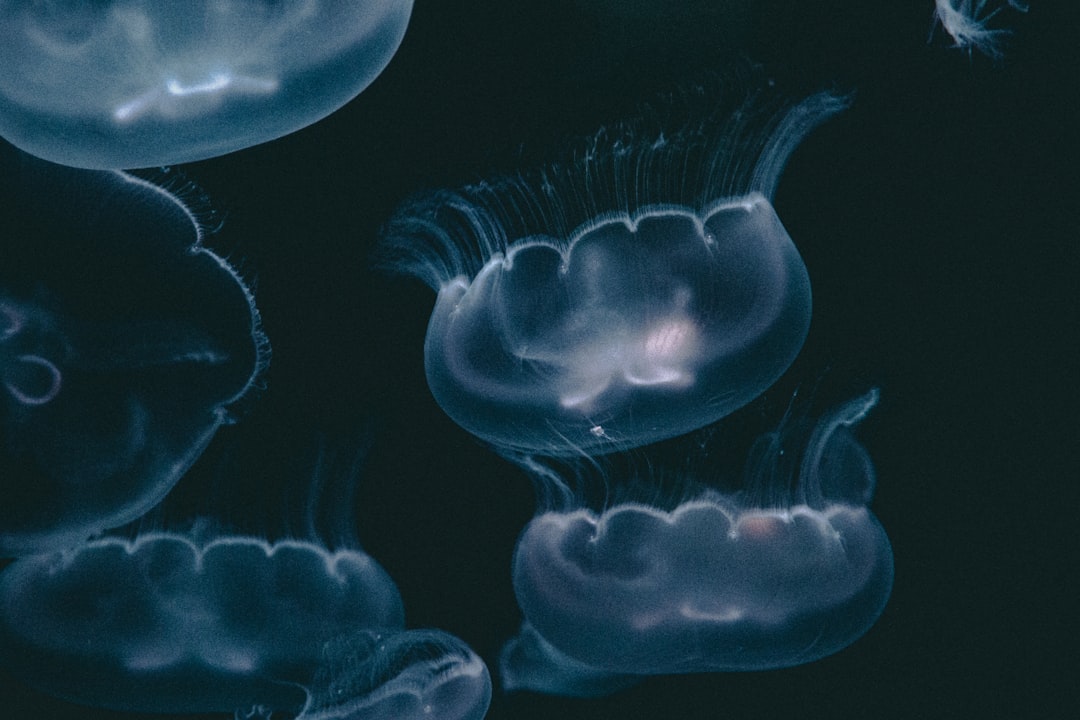
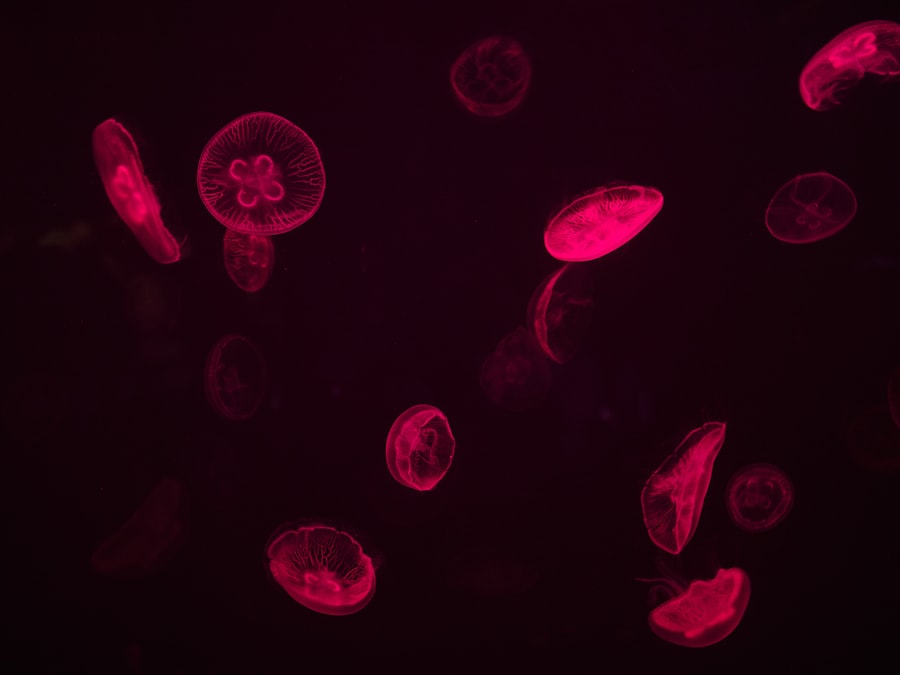
The evolution of animal multicellularity is characterized by increasing complexity and specialization among cells. Early animals likely resembled simple sponges or jellyfish, with bodies composed of loosely organized cells capable of basic functions like feeding and reproduction. Over time, these simple forms evolved into more complex organisms with specialized tissues and organs that allowed for greater efficiency in movement, digestion, and reproduction.
One key development in animal multicellularity was the emergence of bilateral symmetry, which facilitated more efficient movement and coordination among body parts. This adaptation paved the way for more advanced nervous systems and sensory organs, enabling animals to interact with their environments more effectively. As animals continued to evolve, they developed diverse body plans and lifestyles that allowed them to occupy various ecological niches—from deep-sea creatures to terrestrial mammals—demonstrating the remarkable adaptability inherent in multicellular life.
The Role of Symbiosis in Multicellular Evolution
Symbiosis has played a crucial role in shaping the evolution of multicellular organisms throughout history. This phenomenon occurs when two or more species interact closely over time, often resulting in mutual benefits for both parties involved. One well-known example is the relationship between corals and zooxanthellae algae; corals provide a habitat for algae while benefiting from their photosynthetic products.
The significance of symbiosis extends beyond individual relationships; it has driven major evolutionary innovations across various lineages. For instance, endosymbiotic theory suggests that mitochondria and chloroplasts—organelles found in eukaryotic cells—originated from free-living bacteria that entered into symbiotic relationships with ancestral eukaryotic cells. This event was pivotal in the evolution of complex life forms by providing them with enhanced energy production capabilities.
The Future of Multicellular Life
As humanity continues to impact Earth’s ecosystems through climate change, habitat destruction, and pollution, questions arise about the future trajectory of multicellular life on our planet. While some species may face extinction due to these pressures, others may adapt or evolve new strategies for survival in changing environments. The resilience demonstrated by multicellular organisms throughout history suggests that life will find a way to persist even amid adversity.
Moreover, advancements in biotechnology offer exciting possibilities for understanding and potentially enhancing multicellular life forms. Genetic engineering techniques could enable scientists to create new plant varieties capable of thriving under extreme conditions or develop animal species with improved resilience against diseases. However, ethical considerations surrounding these technologies must be carefully navigated as humanity seeks to shape its relationship with nature.
In conclusion, multicellularity has been a defining feature in the evolution of life on Earth. From its origins over a billion years ago to its role in shaping complex ecosystems today, multicellularity has enabled remarkable diversity and adaptability among living organisms. As challenges arise in an ever-changing world, understanding this evolutionary journey will be crucial for ensuring a sustainable future for all forms of life on our planet.
The development of multicellular life has fascinated scientists for decades, shedding light on the complex evolutionary processes that led to the emergence of diverse organisms. A related article that delves into this topic is available at