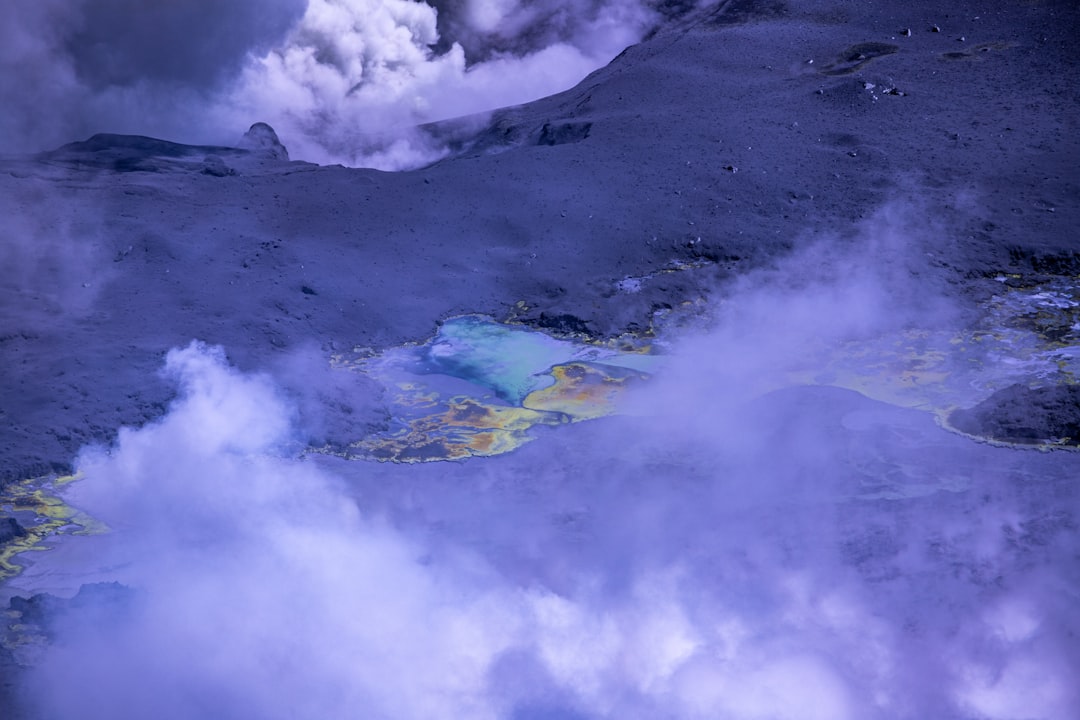
Hydrothermal eruptions are fascinating geological phenomena that occur when superheated water trapped beneath the Earth’s surface rapidly expands and escapes, often resulting in explosive releases of steam, gas, and volcanic material. These eruptions can be triggered by various factors, including tectonic activity, volcanic processes, and the presence of water in the subsurface. The energy released during a hydrothermal eruption can be immense, leading to significant geological changes and posing risks to nearby ecosystems and human settlements.
The mechanisms behind hydrothermal eruptions are complex and involve a delicate interplay between temperature, pressure, and the physical properties of water. As water is heated by magma or geothermal activity, it can reach temperatures well above its boiling point while remaining in a liquid state due to the high pressure exerted by the surrounding rock. When this pressure is suddenly released, the water rapidly vaporizes, resulting in a violent eruption that can propel steam and debris high into the atmosphere.
Understanding these processes is crucial for predicting and mitigating the impacts of hydrothermal eruptions.
Key Takeaways
- Hydrothermal eruptions occur when underground water interacts explosively with magma or hot rocks.
- Phreatomagmatic blasts result from the rapid expansion of steam during magma-water contact.
- Water plays a critical role in triggering and intensifying these explosive volcanic events.
- Understanding past hydrothermal eruptions helps improve risk mitigation and preparedness strategies.
- Ongoing research aims to better predict and harness the energy from these powerful natural phenomena.
The Science Behind Phreatomagmatic Blast
Phreatomagmatic blasts represent a specific type of volcanic eruption that occurs when magma interacts with water, leading to explosive outcomes. This interaction can happen in various environments, such as underwater volcanic eruptions or when magma intrudes into groundwater systems. The science behind these blasts involves the rapid conversion of water into steam, which expands explosively and fragments the surrounding rock and magma.
This process is characterized by its ability to produce fine ash and pyroclastic materials that can be dispersed over large areas. The dynamics of phreatomagmatic blasts are influenced by several factors, including the temperature of the magma, the amount of water present, and the pressure conditions at the eruption site. When magma rises to the surface, it can encounter groundwater or surface water, leading to a rapid increase in pressure as steam forms.
This pressure buildup can result in a catastrophic release of energy, producing a powerful explosion that can reshape landscapes and create new geological features. The study of phreatomagmatic blasts is essential for understanding volcanic hazards and developing effective monitoring strategies.
Identifying the Causes of Hydrothermal Eruption
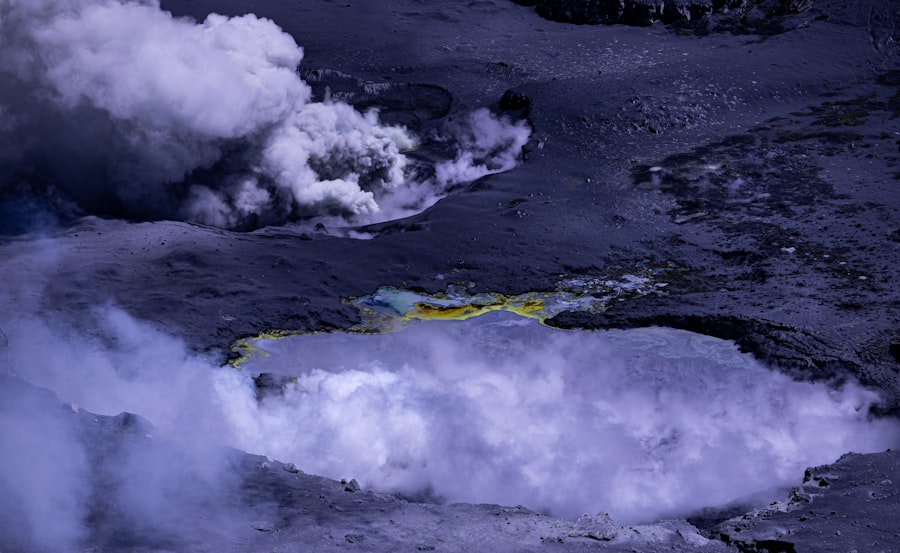
Identifying the causes of hydrothermal eruptions requires a multidisciplinary approach that combines geology, hydrology, and volcanology. One primary factor contributing to these eruptions is tectonic activity, which can create fractures in the Earth’s crust that allow water to infiltrate deeper layers. As tectonic plates shift and interact, they can generate heat through friction and deformation, further heating the trapped water and increasing the likelihood of an eruption.
Another significant cause of hydrothermal eruptions is volcanic activity itself. When magma rises toward the surface, it can heat surrounding groundwater, leading to increased pressure and temperature conditions conducive to an eruption. Additionally, changes in external factors such as rainfall or snowmelt can influence groundwater levels and pressure dynamics within hydrothermal systems.
Understanding these causes is vital for predicting potential eruptions and assessing their risks to nearby communities.
The Role of Water in Phreatomagmatic Blast
| Parameter | Description | Impact on Phreatomagmatic Blast | Typical Values/Range |
|---|---|---|---|
| Water Volume | Amount of water interacting with magma | Controls explosion intensity and fragmentation | 0.1 to 10 cubic meters per second |
| Water Temperature | Initial temperature of water before interaction | Affects steam generation rate and pressure buildup | 0°C to 100°C (ambient to boiling) |
| Water Pressure | Pressure of water at magma contact point | Influences explosivity and fragmentation scale | 1 to 100 MPa |
| Steam Generation Rate | Rate at which water converts to steam upon heating | Drives blast energy and expansion velocity | Variable; up to several kg/s per m² |
| Fragmentation Efficiency | Effectiveness of water in breaking magma into ash | Determines ash particle size and distribution | 50% to 90% |
| Explosion Energy | Total energy released during phreatomagmatic blast | Correlates with water-magma interaction intensity | 10^9 to 10^12 Joules |
Water plays a crucial role in phreatomagmatic blasts, acting as both a catalyst for explosive reactions and a medium for energy transfer. When magma comes into contact with water, it triggers a rapid phase change from liquid to gas, resulting in an explosive release of steam. This process generates immense pressure that can fragment both the magma and surrounding rock, creating a variety of volcanic products such as ash clouds and pyroclastic flows.
The amount of water present at the eruption site significantly influences the intensity and nature of phreatomagmatic blasts. In environments where abundant groundwater exists, such as near lakes or rivers, the potential for explosive interactions increases dramatically. Conversely, in arid regions with limited water availability, phreatomagmatic activity may be less frequent or less intense.
Understanding the role of water in these processes is essential for assessing volcanic hazards and developing effective monitoring strategies.
Unleashing the Power: Effects of Hydrothermal Eruption
The effects of hydrothermal eruptions can be profound and far-reaching, impacting both natural environments and human communities.
The ash produced during an eruption can blanket surrounding areas, disrupting ecosystems and posing health risks to humans and animals alike.
In addition to immediate environmental impacts, hydrothermal eruptions can also lead to long-term geological changes. The explosive nature of these events can reshape landscapes, create new landforms, and alter local hydrology. For instance, craters formed by hydrothermal eruptions may become lakes or geothermal features that attract tourism but also require careful management to mitigate risks associated with future eruptions.
Understanding these effects is crucial for developing effective response strategies and ensuring community safety.
Exploring the Impact of Phreatomagmatic Blast
Phreatomagmatic blasts have significant impacts on both local environments and broader geological processes. The explosive nature of these eruptions can lead to widespread dispersal of ash and volcanic materials over large distances, affecting air travel and local ecosystems. The fine ash produced during these blasts can travel far from the eruption site, impacting air quality and posing health risks to populations downwind.
Moreover, phreatomagmatic blasts can trigger secondary hazards such as landslides or tsunamis if they occur near bodies of water. The sudden release of energy can displace large volumes of water, leading to dangerous waves that threaten coastal communities. Understanding these impacts is essential for developing effective risk assessment models and emergency response plans that prioritize public safety in areas prone to volcanic activity.
Mitigating the Risks of Hydrothermal Eruption
Mitigating the risks associated with hydrothermal eruptions requires a comprehensive approach that includes monitoring geological activity, assessing potential hazards, and implementing community preparedness plans. Advanced technologies such as remote sensing and seismic monitoring play a crucial role in detecting early signs of hydrothermal activity, allowing scientists to issue timely warnings to nearby populations. Community engagement is also vital in risk mitigation efforts.
Educating residents about the potential dangers of hydrothermal eruptions and establishing clear evacuation routes can significantly reduce risks during an emergency. Additionally, land-use planning that considers volcanic hazards can help minimize exposure to potential eruption sites. By combining scientific research with community preparedness initiatives, it is possible to enhance resilience against hydrothermal eruptions.
Preparedness for Phreatomagmatic Blast
Preparedness for phreatomagmatic blasts involves proactive measures aimed at reducing vulnerability to volcanic hazards. This includes establishing monitoring systems that track changes in volcanic activity and provide real-time data on potential threats. Local authorities must collaborate with scientists to develop effective communication strategies that keep communities informed about risks associated with phreatomagmatic activity.
Public education campaigns are also essential for fostering awareness about phreatomagmatic blasts and their potential impacts. Residents living near active volcanic regions should be trained in emergency response procedures, including evacuation plans and safety protocols during an eruption. By promoting a culture of preparedness, communities can enhance their resilience against phreatomagmatic blasts and minimize loss of life and property during such events.
Studying the History of Hydrothermal Eruption
Studying the history of hydrothermal eruptions provides valuable insights into their frequency, intensity, and long-term impacts on landscapes and ecosystems. Geological records reveal patterns of past eruptions that help scientists understand how these events have shaped regions over time. By analyzing sediment cores, ash deposits, and other geological features, researchers can reconstruct past hydrothermal activity and assess its implications for future eruptions.
Historical accounts also play a crucial role in understanding human interactions with hydrothermal systems. Documented eruptions provide context for assessing risks faced by communities living near active geothermal areas. By examining past events through both scientific analysis and historical records, researchers can develop more accurate models for predicting future hydrothermal eruptions and their potential impacts on society.
The Future of Phreatomagmatic Blast Research
The future of phreatomagmatic blast research holds great promise as scientists continue to explore new methodologies for understanding these complex phenomena. Advances in technology are enabling researchers to gather more precise data on volcanic activity, including real-time monitoring systems that provide critical information during eruptive events. Additionally, interdisciplinary collaborations between volcanologists, geologists, hydrologists, and atmospheric scientists are enhancing our understanding of how phreatomagmatic blasts interact with various environmental factors.
As climate change continues to influence geological processes worldwide, understanding how it may affect hydrothermal systems becomes increasingly important. Future research will likely focus on assessing how changing precipitation patterns or rising temperatures could impact groundwater levels and subsequently influence volcanic activity. By addressing these questions through innovative research approaches, scientists aim to improve hazard assessments and develop more effective strategies for managing risks associated with phreatomagmatic blasts.
Harnessing the Power of Hydrothermal Eruption and Phreatomagmatic Blast
In conclusion, hydrothermal eruptions and phreatomagmatic blasts represent powerful geological processes with significant implications for both natural environments and human societies. Understanding their mechanisms, causes, effects, and risks is essential for developing effective monitoring systems and preparedness strategies that prioritize public safety. As research continues to advance our knowledge of these phenomena, it becomes increasingly possible to harness their power while minimizing associated hazards.
By fostering collaboration between scientists, policymakers, and communities living near active geothermal areas, society can better prepare for future eruptions while also appreciating the unique geological features created by these dynamic processes. Ultimately, harnessing the power of hydrothermal eruptions and phreatomagmatic blasts requires a commitment to ongoing research, education, and proactive risk management strategies that ensure resilience in the face of nature’s formidable forces.
Hydrothermal eruptions can lead to phreatomagmatic blasts, which occur when magma interacts explosively with water. This phenomenon is crucial for understanding volcanic activity and its potential hazards. For more in-depth information on related geological processes, you can check out this article on Freaky Science, which explores various aspects of volcanic eruptions and their impacts on the environment.
WATCH THIS! The Earth Has a Secret Ocean 400 Miles Down (And It’s About to Break Loose)
FAQs
What is a hydrothermal eruption?
A hydrothermal eruption is a volcanic event caused by the rapid expansion of steam and hot water within the Earth’s crust. It occurs when groundwater is heated by underlying magma or hot rocks, leading to a sudden release of pressure and explosive ejection of steam, water, mud, and rock fragments.
What does phreatomagmatic blast mean?
A phreatomagmatic blast refers to an explosive volcanic eruption that results from the interaction between magma and water. When magma comes into contact with groundwater or surface water, the rapid conversion of water to steam causes violent explosions, fragmenting both magma and surrounding rock.
How are hydrothermal eruptions and phreatomagmatic blasts related?
Hydrothermal eruptions are a type of phreatomagmatic blast. Both involve the explosive interaction of water and heat or magma. Hydrothermal eruptions specifically involve steam and hot water heated by geothermal activity, while phreatomagmatic blasts emphasize the direct contact between magma and water.
What are the typical hazards associated with hydrothermal eruptions?
Hazards include sudden explosions that can eject hot steam, water, mud, and rock debris, posing risks to nearby people and infrastructure. These eruptions can cause ground collapse, generate ash clouds, and trigger secondary hazards like landslides or flooding.
Where do hydrothermal eruptions commonly occur?
Hydrothermal eruptions typically occur in volcanic regions with active geothermal systems, such as geyser fields, hot springs, and volcanic craters. Examples include Yellowstone National Park in the USA and various volcanic areas in Iceland and New Zealand.
Can hydrothermal eruptions be predicted?
Predicting hydrothermal eruptions is challenging due to their sudden nature and the complex underground processes involved. However, monitoring changes in seismic activity, ground deformation, gas emissions, and temperature can provide some warning signs.
What distinguishes a hydrothermal eruption from a magmatic eruption?
A hydrothermal eruption is driven primarily by steam and hot water pressure without the direct eruption of fresh magma. In contrast, a magmatic eruption involves the ascent and eruption of molten rock (magma) from beneath the Earth’s surface.
What safety measures should be taken near areas prone to hydrothermal eruptions?
Visitors and residents should heed local warnings and avoid restricted zones around geothermal features. It is important to stay on designated paths, avoid disturbing hot springs or fumaroles, and be prepared to evacuate if authorities issue alerts.
How does a hydrothermal eruption impact the environment?
Hydrothermal eruptions can alter landscapes by creating new craters, depositing mineral-rich sediments, and changing local water chemistry. They may also temporarily disrupt ecosystems but can contribute to geothermal energy resources over time.