Why Are My LED Streetlights Failing, and What Can I Do About It?
When an LED streetlight goes dark, it’s more than just an inconvenience; it’s a potential safety hazard and a drain on resources. Understanding why these failures happen is the first step to preventing them and keeping our streets illuminated. While LEDs are known for their longevity, they aren’t invincible. A combination of environmental factors, manufacturing quirks, and installation issues can lead to premature failure. The good news is that most common causes have practical solutions.
In recent studies, the analysis of LED streetlight failures has gained significant attention due to the increasing reliance on this technology for urban lighting solutions. A related article that delves into the intricacies of LED streetlight performance and the common factors contributing to their failures can be found at Freaky Science. This resource provides valuable insights into the engineering challenges and maintenance strategies that can enhance the longevity and reliability of LED streetlights in various environmental conditions.
Understanding the Anatomy of an LED Streetlight
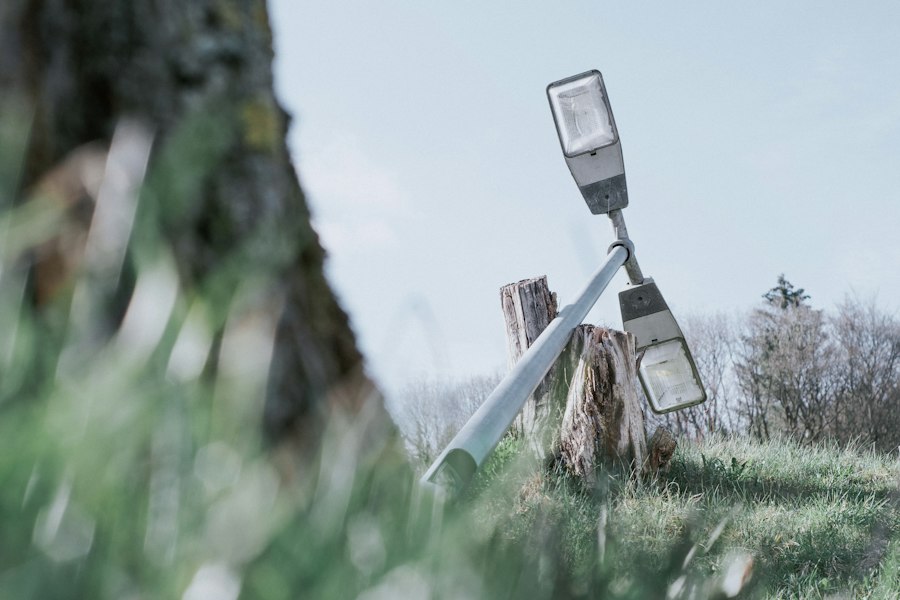
Before diving into what can go wrong, it’s helpful to know what’s inside. An LED streetlight isn’t just a bulb; it’s a system. It typically comprises an array of Light Emitting Diodes (LEDs) that produce the light, a driver that converts the incoming power to the correct voltage and current for the LEDs, a power supply unit, and the luminaire housing itself, which protects everything from the elements. Many also include sophisticated optics to direct light precisely where it’s needed, and sometimes, smart control modules for remote monitoring and dimming. Each of these components has its own vulnerabilities.
Common Culprits Behind LED Streetlight Malfunctions
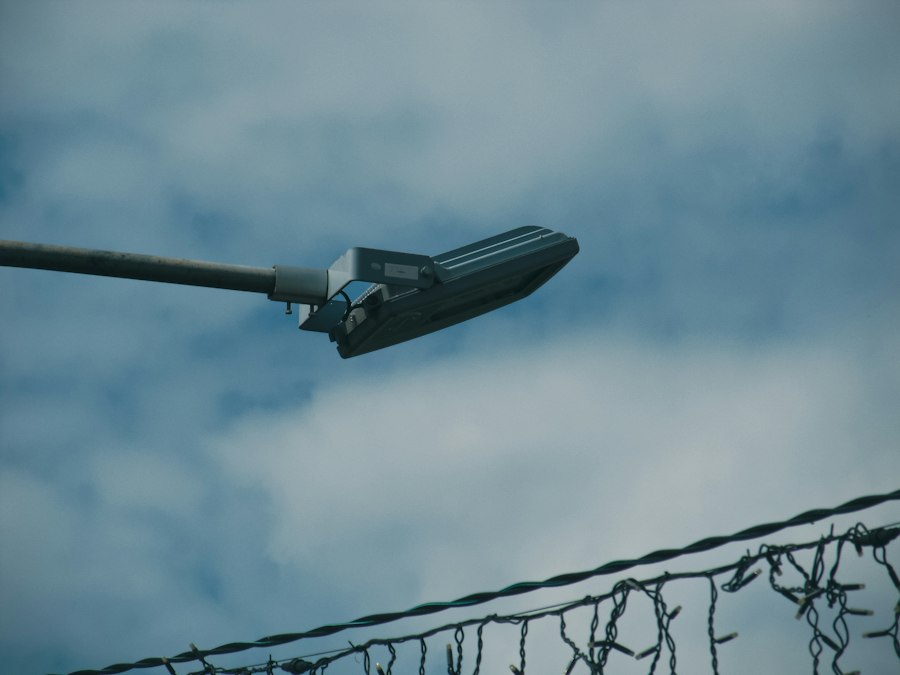
Failures in LED streetlights rarely stem from a single isolated incident. Instead, they are often the result of a cascade of events or a combination of contributing factors. Identifying these root causes is crucial for effective maintenance and proactive prevention.
Heat: The Silent Killer of LEDs
One of the most significant adversaries of LED performance and lifespan is heat. LEDs generate heat as a byproduct of their operation, and if this heat isn’t managed effectively, it can drastically shorten their lifespan.
Thermal Management Issues
LEDs are rated for a certain operating temperature. When this temperature is exceeded, the semiconductor material degrades faster, leading to reduced light output (lumen depreciation) and eventual failure. Poor thermal management can be due to several factors:
- Inadequate Heatsink Design: The heatsink is designed to draw heat away from the LED chips and dissipate it into the surrounding air. If the heatsink is too small, made of an inefficient material, or has poor contact with the LEDs, it can’t do its job effectively.
- Poor Thermal Interface Material (TIM): TIM, often a thermal paste or pad, ensures efficient heat transfer between the LED module and the heatsink. If this material is of low quality, dries out, or is improperly applied, it creates a bottleneck for heat dissipation.
- Accumulation of Debris: Dust, dirt, leaves, and other environmental debris can build up on the heatsink fins. This buildup acts as an insulator, trapping heat and preventing it from escaping.
- Internal Overheating: Even with a good external heatsink, the internal components, especially the driver, can overheat if not properly ventilated or if they are failing.
Environmental Stressors Amplifying Heat
Extreme ambient temperatures, especially in hot climates, put additional strain on the luminaire’s thermal management system. A heatsink that works perfectly in a mild climate might struggle during a heatwave. Sunlight directly hitting the luminaire can also contribute to internal temperatures beyond what the ambient air alone would cause.
Electrical Stressors and Power Supply Issues
The electrical components, particularly the driver, are critical to the proper functioning of an LED streetlight. When these components are stressed or fail, the entire light can go dark.
Driver Failure
The LED driver is responsible for regulating the current and voltage supplied to the LEDs. It’s a complex electronic component that can be susceptible to:
- Overvoltage or Undervoltage: Fluctuations in the main power supply, such as surges or sags, can stress the driver’s internal circuitry. Frequent or severe fluctuations are particularly damaging.
- Overcurrent: While drivers are meant to regulate current, a fault within the driver or in the LED array itself can lead to excessive current flow, overheating, and premature failure.
- Component Degradation: Like any electronic device, the capacitors, transistors, and other components within a driver have a finite lifespan. They can degrade over time, especially when subjected to heat and electrical stress, eventually leading to failure.
- Poor Quality Drivers: Not all drivers are created equal. Lower-quality components or designs can be inherently less reliable and more prone to failure, even under normal operating conditions.
Power Surges and Lightning Strikes
Sudden, intense electrical events like lightning strikes or power surges can overwhelm the protection circuitry within the luminaire and the driver itself, causing catastrophic failure. Even indirect lightning strikes can induce damaging currents.
Environmental and External Factors
The harsh outdoor environment presents numerous challenges to the longevity of LED streetlights. Protection against these elements is paramount, and when this protection fails, so too does the light.
Moisture Intrusion and Corrosion
Water is a significant enemy of electronics. If the luminaire’s housing is not properly sealed, moisture can penetrate the enclosure.
- Corrosion of Connections: Once inside, water can corrode electrical connections, leading to intermittent faults or complete failure. This is particularly problematic for electrical contacts and solder joints.
- Short Circuits: Water can create pathways for electricity where they shouldn’t exist, leading to short circuits that can damage components or trigger protective shutdowns.
- Damage to Optics: Moisture can also fog or damage the optical lenses, reducing light output and distribution.
- Corrosion of the Housing: In areas with salt spray (coastal regions) or high pollution, the metal housing itself can corrode, compromising its structural integrity and sealing capabilities.
Vibration and Mechanical Stress
Streetlights are constantly exposed to vibrations, whether from traffic, wind, or nearby construction.
- Loose Connections: Persistent vibration can cause electrical connections to loosen over time, leading to intermittent operation or complete failure.
- Component Fatigue: Solder joints and other delicate components can experience fatigue and crack under prolonged vibration, interrupting electrical pathways.
- Mounting Issues: If the luminaire is not securely mounted, it can sway excessively in the wind, putting stress on its connections and housing.
Contamination and Soiling
The accumulation of dirt, dust, insects, and other debris on the luminaire’s exterior, especially on the optics and heatsink, can have several negative effects.
- Reduced Light Output: A dirty lens can block a significant portion of the light, making the fixture appear dimmer or effectively failed even if the LEDs are still working.
- Thermal Management Impairment: As mentioned earlier, dirt accumulation on the heatsink prevents efficient heat dissipation.
- Aesthetic Degradation: While not a functional failure, a soiled luminaire can look neglected and detract from the overall appearance of the streetscape.
Manufacturing Defects and Quality Control
While less common than environmental factors, inherent flaws in the manufacturing process can lead to early failures.
Substandard Components
The use of lower-quality LEDs, drivers, or other electronic components by manufacturers can significantly reduce the expected lifespan of the streetlight. These components may not meet the rigorous demands of outdoor operation.
Poor Soldering and Assembly
Inadequate soldering of electrical connections, improper sealing of the housing, or incorrect assembly can create vulnerabilities that manifest as failures over time, often appearing after a period of seemingly normal operation.
Design Flaws
Sometimes, the design of the luminaire itself might have inherent weaknesses that make it susceptible to specific environmental conditions or operational stresses, leading to premature failure.
Proactive Strategies for Preventing LED Streetlight Failures
Addressing LED streetlight failures isn’t just about fixing what’s broken; it’s about implementing robust strategies to prevent them from happening in the first place. A comprehensive approach combines careful selection, proper installation, and ongoing maintenance.
Intelligent Selection and Specification
The foundation of a reliable LED streetlight system lies in choosing the right product for the job. This means looking beyond just the initial price tag.
Rigorous Component Standards
- High-Quality LEDs: Opt for luminaires that utilize reputable LED brands known for their reliability and consistent performance metrics, such as lumen maintenance and color stability. Check for lumen depreciation data at specific operating temperatures.
- Durable Drivers: Select drivers from established manufacturers with proven track records. Look for drivers with features like surge protection, overcurrent protection, and a wide operating temperature range. Certifications like UL or ETL can indicate adherence to safety and performance standards.
- Robust Housing and Sealing: The luminaire housing should be made of durable materials (e.g., die-cast aluminum with appropriate coatings) and have a high ingress protection (IP) rating (e.g., IP65 or higher) to ensure effective resistance against dust and water.
Thermal Management Considerations
- Adequate Heatsink Design: Examine the heatsink’s size, fin density, and material. A larger surface area generally means better heat dissipation. Manufacturers should provide thermal data or design justifications.
- Quality Thermal Interface Materials (TIMs): Ensure that the luminaire uses high-performance TIMs that are resistant to drying out and degradation over time.
Smart Controls and Monitoring
- Integrated Surge Protection: Select luminaires with built-in surge protection devices (SPDs) designed to handle transient voltage spikes, especially in areas prone to lightning or frequent power fluctuations.
- Monitoring Capabilities: Consider luminaires with integrated smart controls and communication modules. These systems can provide real-time data on operating parameters like voltage, current, temperature, and power consumption. This allows for early detection of potential issues before they lead to a full failure.
Meticulous Installation Practices
Even the highest quality luminaire can fail if installed incorrectly. Proper installation is critical for ensuring long-term reliability.
Ensuring Proper Sealing and Mounting
- Adherence to Manufacturer Guidelines: Follow the manufacturer’s installation instructions precisely. This includes torque specifications for fasteners, proper wiring procedures, and the correct mounting angles.
- Secure and Stable Mounting: The pole and mounting bracket must be strong enough to support the luminaire and resist vibration and wind loading. Loose mounting can lead to mechanical stress on the fixture.
- Correct Wiring and Connections: Ensure all electrical connections are made securely and according to electrical codes. Use appropriate connectors and ensure they are protected from moisture and corrosion. This is where professional electricians play a vital role.
Protecting Against Environmental Factors
- Sealing Integrity: Verify that all gaskets and seals are properly seated and undamaged during installation. Any nicks or tears can compromise the luminaire’s IP rating.
- Wiring Entry Points: Ensure that wiring entry points are properly sealed to prevent moisture ingress.
- Grounding: Proper grounding is essential for protecting the luminaire and its internal components from electrical surges and lightning.
Ongoing Maintenance and Monitoring
Regular maintenance, even for seemingly robust LED systems, is key to maximizing their lifespan and preventing unexpected failures.
Scheduled Inspections and Cleaning
- Visual Inspections: Conduct periodic visual inspections of the luminaires. Look for signs of corrosion, damage to the housing or optics, loose connections, or debris accumulation on heatsinks.
- Cleaning: Clean the lenses and heatsinks regularly, especially in dusty or polluted environments. This removes light-blocking buildup and improves thermal dissipation. Frequency will depend on local conditions.
- Checking for Loose Fasteners: Periodically check that all mounting hardware is tight and secure.
Proactive Monitoring and Diagnostics
- Leveraging Smart Systems: If smart controls are in place, actively monitor the data they provide. Look for deviations in temperature, voltage, or current that could indicate an impending problem. Set up alerts for critical parameter changes.
- Testing Surge Protection: Periodically test the functionality of surge protection devices to ensure they are still providing adequate protection.
Prompt Repair and Replacement
- Address Minor Issues Quickly: Don’t wait for a small problem to become a major one. If a loose connection is found, tighten it. If a seal is compromised, repair or replace it.
- Component-Level Repair vs. Full Replacement: For driver failures, consider if a driver replacement is feasible and cost-effective, or if the entire luminaire needs to be replaced, especially if other components are showing signs of wear.
- Documenting Failures: Keep detailed records of all failures, including the cause, the components replaced, and the date. This data is invaluable for identifying recurring issues and refining selection and maintenance strategies.
In the realm of urban infrastructure, understanding the factors contributing to LED streetlight failure is crucial for enhancing their longevity and efficiency. A related article that delves into this topic can be found at Freaky Science, where it explores various case studies and offers insights into the common issues faced by municipalities. By examining these failures, cities can implement better maintenance strategies and improve their lighting systems for the benefit of all residents.
Troubleshooting Common LED Streetlight Issues
| Failure Mode | Failure Rate (%) | Common Causes | Average Time to Failure (hours) | Mitigation Strategies |
|---|---|---|---|---|
| LED Chip Degradation | 35 | Thermal stress, high current | 25,000 | Improved heat sinks, current regulation |
| Driver Circuit Failure | 30 | Voltage spikes, component aging | 20,000 | Surge protection, quality components |
| Lens/Enclosure Damage | 15 | Physical impact, UV exposure | 30,000 | Durable materials, protective coatings |
| Connector/ Wiring Issues | 10 | Corrosion, loose connections | 18,000 | Sealed connectors, regular maintenance |
| Power Supply Failure | 10 | Overvoltage, overheating | 22,000 | Thermal management, voltage regulation |
When a streetlight does fail, a systematic approach to troubleshooting can help pinpoint the problem and guide repair efforts. It’s about gathering information and testing systematically.
Initial Assessment: What Are the Symptoms?
The first step is to observe the failure closely. What exactly is happening?
- Complete Darkness: The most obvious sign, but it could be anything from a blown fuse to a failed driver or a complete luminaire failure.
- Intermittent Flickering or Dimming: This often points to electrical issues, loose connections, or thermal problems where the light is shutting down due to overheating and then coming back on as it cools.
- Color Shift: LEDs can change color over time as they age, but a sudden or significant shift can indicate a problem with the LED module itself or its power supply.
- Partial Failure: If only some of the LEDs in a fixture are out, it suggests an issue within the LED module or its associated circuitry, rather than a complete system failure.
Diagnostic Steps
Once the symptoms are understood, a series of diagnostic steps can be taken. Safety is paramount here; always ensure power is disconnected before touching any electrical components.
Checking Power Supply and Circuit Protection
- Verify Power to the Pole: The most basic check is to ensure that power is actually reaching the streetlight pole. This involves checking breakers, fuses, and the main power feed.
- Inspect Fuses and Breakers: If there are fuses or circuit breakers for the individual luminaire, check if they have tripped or blown. This could indicate a short circuit or an overload somewhere in the system.
- Voltage Readings: With power safely disconnected, a qualified technician can check for continuity and potential short circuits within the wiring leading to the luminaire. Once power is restored (and with appropriate safety precautions), voltage readings at the luminaire’s input can confirm if the correct voltage is being supplied.
Examining the Luminaire and its Components
- Visual Inspection of the Housing: Open the luminaire (if safe to do so and authorized). Look for any obvious signs of damage, water ingress, corrosion, or burnt components.
- Driver Inspection: The driver is a common point of failure. Look for signs of overheating, bulging capacitors, or discoloration.
- LED Module Check: Inspect the LED array for any visible damage, such as cracked chips or burnt spots.
- Connection Integrity: Check all internal wiring connections, ensuring they are tight, free from corrosion, and properly insulated.
Testing Individual Components (Where Possible)
- Driver Testing: If a spare driver is available and the technician has the expertise, the existing driver can be swapped out to see if the problem is resolved. Some advanced diagnostic tools can also test driver functionality.
- LED Module Testing: In some cases, it might be possible to test the LED module separately, although this often requires specialized equipment.
When to Call in the Experts
Many of these troubleshooting steps require specific electrical knowledge and safety equipment.
- High-Voltage Work: Any work involving high-voltage electricity should only be performed by certified electricians or trained personnel.
- Complex Diagnostics: If the issue is not immediately obvious after basic checks, or if specialized tools are required, it’s best to involve experienced lighting technicians or the luminaire manufacturer’s support.
- Recurring Issues: If the same streetlights are failing repeatedly, it might indicate a systemic problem with the product, the installation, or the local electrical infrastructure that requires a more in-depth investigation.
The Future of LED Streetlight Reliability
The journey of LED technology in street lighting is one of continuous improvement. As the technology matures and manufacturers gain more experience, we’re seeing increasingly robust and reliable products emerge.
Advancements in LED Chip Technology
Newer generations of LED chips are being developed with improved thermal properties, higher luminous efficacy (more light for less energy), and greater resistance to lumen depreciation. This means they can produce more light for longer periods before showing signs of aging.
Smarter and More Resilient Drivers
Driver technology is also evolving. Manufacturers are incorporating more sophisticated protection circuits, using higher-quality components that withstand heat and electrical stress better, and developing more efficient designs that generate less heat themselves. Features like built-in diagnostics that can report on their own health are becoming more common.
Enhanced Luminaire Designs
Luminaire housings are being designed with improved thermal management in mind, often featuring larger heatsinks with better airflow. Advanced sealing techniques and materials are also being employed to offer superior protection against moisture and environmental contaminants. The use of self-cleaning coatings on lenses is another area of development to combat soiling.
The Rise of IoT and Predictive Maintenance
The integration of the Internet of Things (IoT) into street lighting is a significant trend. Smart streetlight systems can collect vast amounts of data on individual fixture performance.
- Predictive Analytics: This data can be fed into algorithms to predict potential failures before they happen. For example, a gradual increase in operating temperature or a slight drop in light output might trigger a maintenance alert for a specific fixture, allowing for proactive repair.
- Remote Management: IoT platforms allow for remote monitoring, control, and even troubleshooting of streetlights. This can reduce the need for physical inspections and speed up response times for issues.
Focus on Sustainability and Circularity
There’s a growing emphasis on designing streetlights for a longer lifespan and for easier repair and recycling. This includes modular designs where individual components like drivers or LED modules can be replaced without having to discard the entire fixture. This not only reduces waste but also lowers long-term operational costs.
Ultimately, the goal is to move towards a system where LED streetlights are not just reliable, but also intelligent, adaptable, and sustainable, ensuring our communities remain safely lit with minimal disruption and environmental impact.
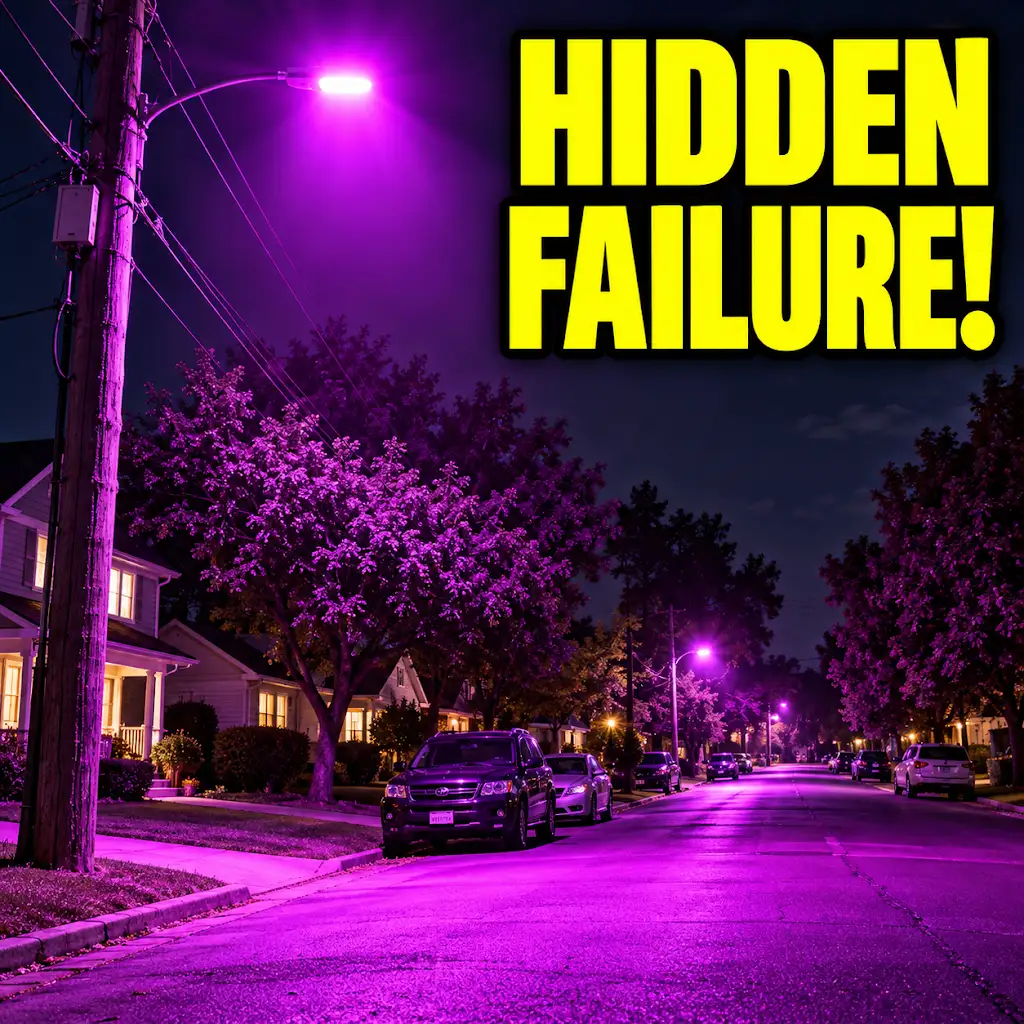
Why The Streetlights Are Turning Purple
FAQs
What are some common reasons for LED streetlight failures?
Common reasons for LED streetlight failures include power surges, overheating, poor quality components, water damage, and manufacturing defects.
How can power surges affect the performance of LED streetlights?
Power surges can cause LED streetlights to flicker, dim, or completely fail. They can damage the internal circuitry and components, leading to malfunctions.
What role does overheating play in the failure of LED streetlights?
Overheating can significantly reduce the lifespan of LED streetlights by causing the components to degrade faster. It can also lead to thermal runaway and complete failure of the light.
How does water damage impact the functionality of LED streetlights?
Water damage can corrode the internal components of LED streetlights, leading to short circuits and malfunctions. It can also cause the light to flicker or stop working altogether.
What steps can be taken to prevent LED streetlight failures?
To prevent LED streetlight failures, regular maintenance, proper installation, using high-quality components, and protecting the lights from power surges and water damage are essential. Additionally, ensuring proper ventilation to prevent overheating is crucial for the longevity of LED streetlights.