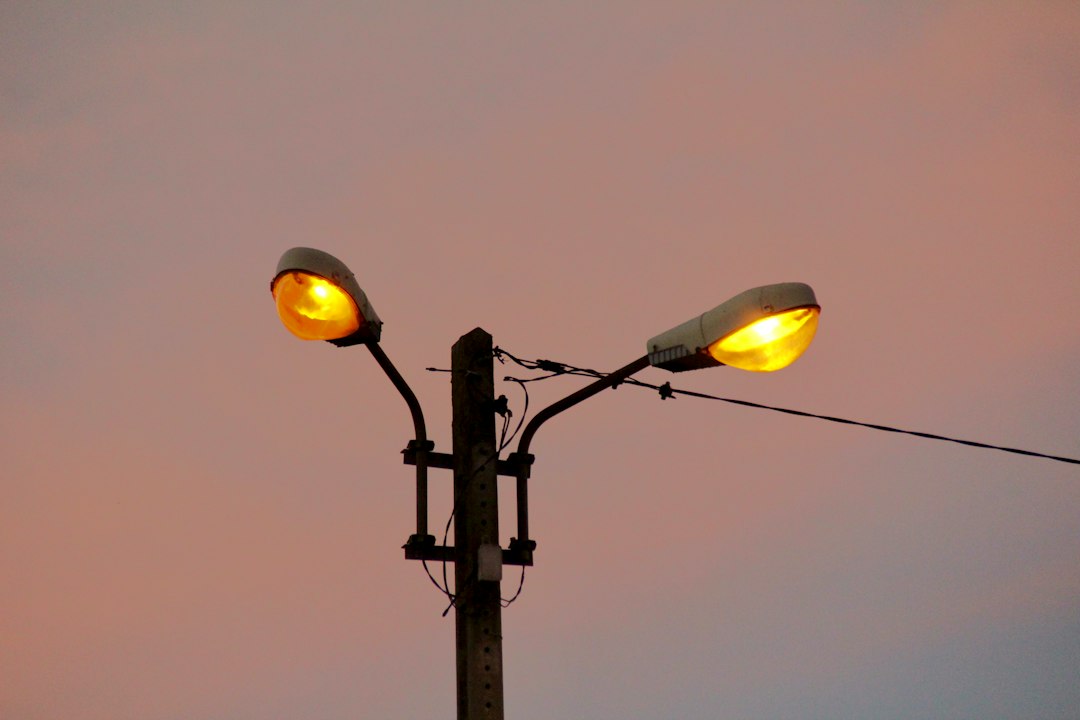
So, you’ve probably noticed it too. Those streetlights that used to cast a warm, yellowish glow are now looking a bit… blueish. It’s not just you; it’s a real thing, and the Department of Energy (DOE) is finally taking notice and launching an investigation. This isn’t some minor cosmetic change; it’s got practical implications for how we see our neighborhoods and even how energy-efficient our lighting truly is. Let’s break down what’s happening and why it matters.
The Mystery of the Shifting Streetlight Hue
For decades, the standard for streetlights was high-pressure sodium (HPS) lamps. These are the ones that give off that familiar amber or orange light. They were chosen for a few key reasons: good efficiency for their time and a light spectrum that was generally perceived as pleasant and didn’t distort colors too much. Think of the classic “golden hour” look of many older city streets.
The Rise of LED Technology
Then came the LED revolution. LEDs (light-emitting diodes) offered significant advantages: much higher energy efficiency, longer lifespans, and greater design flexibility. Governments and municipalities, keen to save money on electricity bills and reduce their carbon footprint, started a massive switch-over from HPS to LED streetlights. It seemed like a win-win.
The Unexpected Color Change
The problem is, not all LEDs are created equal, especially when it comes to the color of the light they produce. Many of the early and even some current LED streetlights were designed to emit a “cool white” light, which has a distinct bluish tint. This cool white light is often measured on the Kelvin scale, typically at 4000K or even 5000K. While this might be great for some industrial or office settings where bright, clear light is prioritized, it’s a different story on our streets.
Why the Color Shift is Happening
The shift from warm yellow to cool blue isn’t usually a sign of a failing bulb (though that can happen too). Instead, it’s often a deliberate choice in the LED’s design. Manufacturers might opt for cooler color temperatures because:
- Perceived Brightness: Cooler light can sometimes appear brighter to the human eye, even if the actual lumen output is the same. This can lead to a feeling of increased security in some areas.
- Cost and Availability: Early LED technology, especially high-efficiency options, might have been more readily available or cheaper to produce in cooler color temperatures.
- Driver Compatibility: The electronics that power LED bulbs (the drivers) can influence the light output, and sometimes specific drivers are paired with certain LED chipsets that favor cooler tones.
- Focus on Efficiency Metrics: In the rush to meet energy efficiency targets, the color quality of the light sometimes took a backseat to raw lumen output and wattage.
In recent investigations into the color shift of streetlights, the Department of Energy (DOE) has highlighted the importance of understanding how different light spectra can affect visibility and safety in urban environments. A related article that delves deeper into the implications of streetlight color on public perception and energy efficiency can be found at Freaky Science. This resource provides valuable insights into the ongoing discussions surrounding streetlight technology and its impact on city planning.
The Impact on Our Environment and Well-being

This change in streetlight color isn’t just an aesthetic quibble; it has tangible consequences that the DOE’s investigation will likely explore.
How We See the World (and Our Neighborhoods)
The warm, yellow light of HPS lamps rendered colors relatively faithfully. Reds looked red, greens looked green, and skin tones looked natural. The shift to cool white LEDs drastically alters this. Blues and greens can appear more vibrant, while reds can look muted or even brownish. This can make it harder to accurately identify objects, people, and even hazards in our environment. Imagine trying to distinguish the color of a car, a traffic sign, or someone’s clothing under this altered light.
Wildlife Concerns
This is a big one. Many nocturnal animals have evolved to navigate and thrive under natural light conditions, which generally have warmer color temperatures. The intense, bluish light from some LEDs can be disruptive in several ways:
- Disorientation: Insects, birds, and other creatures can become disoriented by the artificial light, leading them to fly into buildings, get exhausted, or become easy prey.
- Disruption of Migration and Foraging: Natural light cycles are crucial for many species’ biological clocks. Artificial, blue-heavy light can interfere with their feeding patterns, mating rituals, and migration routes. For example, sea turtle hatchlings are guided by moonlight to the ocean; bright, blue streetlights can draw them inland instead.
- Habitat Fragmentation: In areas with extensive and bright LED lighting, the natural darkness is severely diminished, effectively fragmenting habitats and reducing usable space for light-sensitive species.
Human Health and Sleep Cycles
While more research is always needed, there’s a growing body of evidence suggesting that prolonged exposure to blue-rich light, especially at night, can interfere with our circadian rhythms. Our bodies produce melatonin, a hormone that regulates sleep, in response to darkness. Blue light, particularly from LEDs, can suppress melatonin production, making it harder to fall asleep and potentially leading to disrupted sleep patterns. This is why many sleep experts recommend avoiding screens emitting blue light before bed. Applying this to our outdoor environment, especially for people living close to brightly lit streets, could have cumulative effects.
The DOE’s Role and What the Investigation Entails
The Department of Energy, as a federal agency focused on energy policy, research, and development, has a vested interest in ensuring that energy-efficient technologies are deployed effectively and responsibly. Their investigation into streetlight color shift issues is a crucial step in addressing the unintended consequences of a rapid transition to LED technology.
Understanding the Scope of the Problem
The DOE will likely be looking at several aspects:
- Data Collection: They’ll need to gather information on the types of LEDs being deployed across the country, their color temperatures, and the extent of the shift. This might involve surveying municipalities, manufacturers, and lighting experts.
- Technical Analysis: The investigation will delve into the technical reasons behind the color shifts. This includes examining the LED chips themselves, the phosphor coatings used to create white light, and the drivers that control the electrical current. They’ll want to understand why certain color temperatures became prevalent.
- Performance Metrics: The DOE will be evaluating how these different color temperatures perform in real-world conditions. This includes looking at visual acuity, color rendering capabilities, and their impact on energy savings.
- Best Practices and Recommendations: Ultimately, the goal is to develop and disseminate best practices for streetlight selection and deployment. This could lead to updated guidelines or standards for municipalities.
Collaboration with Stakeholders
The DOE won’t be working in a vacuum. Their investigation will likely involve extensive collaboration with:
- Lighting Manufacturers: To understand their design choices, production processes, and the availability of different color temperature options.
- Municipalities and Utilities: These are the end-users, making decisions about purchasing and installing streetlights. Their experiences and feedback are invaluable.
- Environmental Scientists and Ecologists: To understand and quantify the impacts on wildlife.
- Public Health Experts: To assess the potential effects on human sleep and well-being.
- Research Institutions: To leverage ongoing studies and potentially commission new research.
The Goal: Balancing Efficiency with Quality
The overarching objective of the DOE’s investigation is to find a balance. The energy savings and environmental benefits of LEDs are undeniable, and the move away from less efficient technologies like HPS lamps is generally a good thing. However, this transition shouldn’t come at the expense of public safety, ecological health, or human well-being. The investigation aims to ensure that the energy future is also a well-lit and healthy one.
Moving Towards Better Lighting Solutions
The DOE’s investigation is a positive development, but it’s also a call to action for everyone involved in lighting decisions. The good news is that solutions exist, and the industry is beginning to adapt.
The Advantage of “Warmer” LEDs
The market is increasingly offering “warmer” white LED options, typically in the 2700K to 3000K range. These are closer to the color temperature of incandescent bulbs or natural moonlight and are much more suitable for outdoor illumination. They offer:
- Better Color Rendering: Colors appear more natural and true to life.
- Reduced Glare: Warmer light can feel less harsh and create less distracting glare.
- Less Disruption to Wildlife: Studies suggest that warmer spectrums are less disruptive to nocturnal animals.
- Improved Human Comfort: Many people find warmer light more aesthetically pleasing and less disruptive to their natural sleep cycles.
The Importance of Procurement Policies
Municipalities and utilities play a critical role in driving the market. When they prioritize lighting solutions that consider color quality, not just initial cost and lumen output, manufacturers will respond. This means:
- Specifying Color Temperature: Actively requesting and specifying warmer color temperatures (e.g., 3000K or less) in procurement documents.
- Considering Color Rendering Index (CRI): Looking for LEDs with a high CRI, which indicates how accurately they render colors.
- Evaluating Wildlife Impact: Incorporating environmental impact assessments into lighting plans, especially in sensitive areas.
- Pilot Programs: Testing different LED options in pilot projects to gauge their effectiveness and public reception before large-scale deployment.
The Future of Streetlight Color
The future of streetlight color likely involves a more nuanced approach. Instead of a one-size-fits-all cool white, we may see a spectrum of choices tailored to specific environments. Parks, residential streets, and historical districts might benefit from warmer, more natural light, while certain high-traffic areas might still warrant slightly cooler, but carefully chosen, options. The DOE’s investigation will hopefully provide the data and guidance needed to make these informed decisions.
Recent investigations into the color shift of streetlights have raised important questions about their impact on urban environments and public safety. A related article discusses the implications of these findings and explores how different light colors can affect visibility and human behavior. For more insights, you can read the full article here. Understanding these dynamics is crucial for cities looking to optimize their street lighting for both aesthetics and functionality.
What This Means for You and Your Community
| Parameter | Initial Color Temperature (K) | Shifted Color Temperature (K) | Shift Duration (hours) | Voltage (V) | Current (mA) | Observed Color Shift (%) | Notes |
|---|---|---|---|---|---|---|---|
| Sample A | 4000 | 3800 | 500 | 120 | 350 | 5 | Minor warm shift after prolonged use |
| Sample B | 3500 | 3200 | 600 | 120 | 360 | 8.5 | Noticeable yellowing effect |
| Sample C | 3000 | 2800 | 450 | 120 | 340 | 6.7 | Stable performance with slight shift |
| Sample D | 2700 | 2500 | 700 | 120 | 355 | 7.4 | Gradual color shift observed |
As a resident, you can play a part in this evolving landscape.
Your Voice Matters
- Observe and Report: Notice the color of your local streetlights. Are they a harsh blue-white, or do they have a more natural hue? If you’re concerned about the color, especially if it seems overly bright or disruptive, reach out to your local city council, public works department, or utility provider.
- Ask Questions: When new lighting is being installed or replaced in your neighborhood, ask about the color temperature and why it was chosen.
- Support Local Initiatives: If your community is exploring options for more environmentally friendly or human-centric lighting, voice your support.
Understanding the Trade-offs
It’s important to acknowledge that the transition to LEDs was driven by legitimate goals of energy efficiency and cost savings. The goal isn’t necessarily to revert to old technology but to refine the new. The DOE’s investigation is about ensuring that the pursuit of energy efficiency doesn’t create new problems.
A Gradual Shift
The replacement of streetlights is a long-term process. Entire cities don’t get re-lit overnight. This means that the shift in streetlight color will also be gradual. However, with increased awareness and the DOE’s investigation, the decisions being made today and in the coming years will shape the look and feel of our streets for decades to come. The aim is to achieve lighting that is not only energy-efficient but also beneficial for our communities, our health, and the natural world around us.
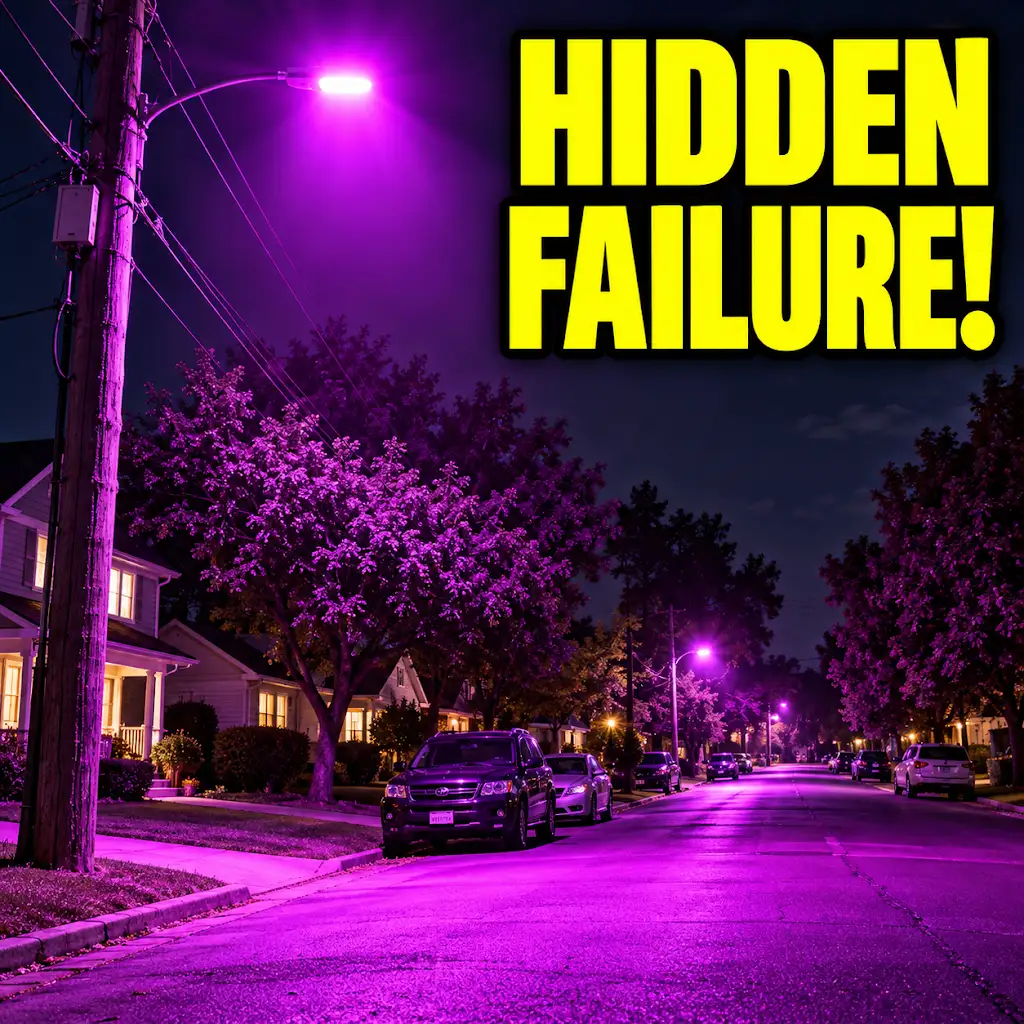
Why The Streetlights Are Turning Purple
FAQs
What is the purpose of the streetlight color shift investigation by the DOE?
The Department of Energy (DOE) is conducting the investigation to study the impact of different streetlight colors on energy consumption, visibility, and overall safety in urban areas.
How does the color of streetlights affect energy consumption?
Studies have shown that the color temperature of streetlights can impact energy consumption, with cooler color temperatures typically requiring more energy to operate compared to warmer color temperatures.
What are the potential effects of streetlight color shift on visibility?
The color of streetlights can affect visibility for drivers, pedestrians, and cyclists. Warmer color temperatures tend to provide better visibility and color rendering, which can improve overall safety on the streets.
Are there any health concerns associated with streetlight color shift?
Some research suggests that exposure to blue-rich light at night, such as that emitted by cooler color temperature streetlights, may disrupt circadian rhythms and have negative health effects. The investigation aims to explore these potential health impacts.
How will the findings of the investigation be used to inform streetlighting policies?
The DOE plans to use the results of the investigation to provide recommendations for streetlighting policies that optimize energy efficiency, visibility, safety, and potential health considerations in urban areas.