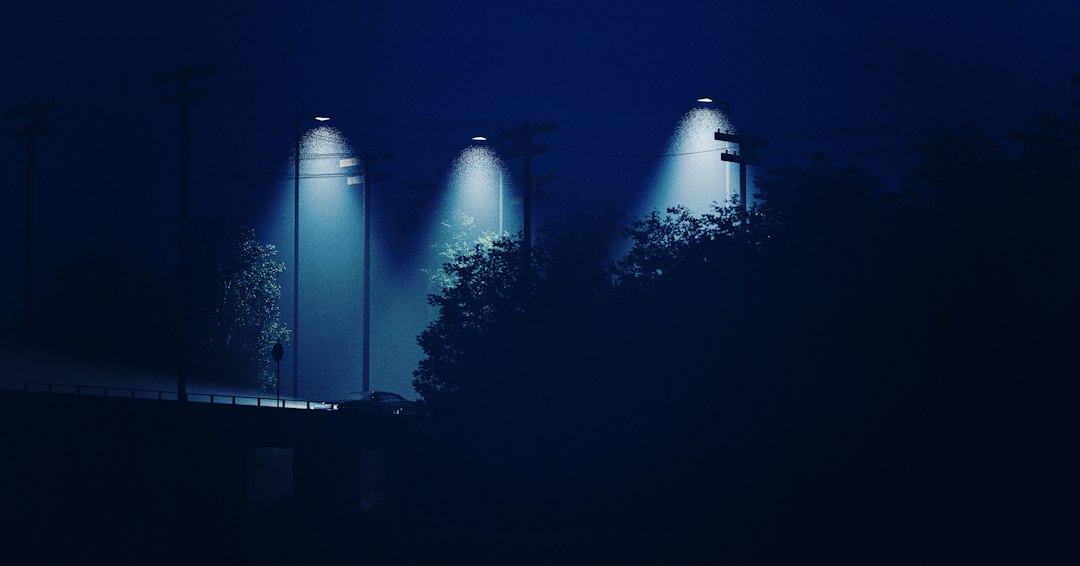
You’ve probably noticed it – that somewhat harsh, bluish tint to a lot of modern streetlights. It’s a common topic of discussion, and for good reason. This “blue light leak” from LED streetlights isn’t just an aesthetic quibble; it can have real impacts. So, what’s causing this blue hue and what can be done about it? Essentially, the issue stems from how white LEDs are made and the specific wavelengths of light they emit, particularly at the bluer end of the spectrum. Solutions involve tweaking the technology and how we deploy it.
Understanding the Blue Light Component
The way we create “white” light with LEDs is a bit of a clever trick. Most LEDs themselves actually produce light in a specific color, usually blue or UV. To get white light, this blue or UV light is then passed through a phosphor coating. This coating absorbs some of the incoming light and re-emits it at different wavelengths, combining with the original blue light to produce what we perceive as white.
The Role of Phosphors and Color Temperature
The specific blend of phosphors used in the coating is what determines the “color temperature” of the LED. Color temperature is measured in Kelvin (K). Lower Kelvin numbers (like 2700K to 3000K) are considered “warm white,” leaning towards a yellowish hue, similar to incandescent bulbs. Higher Kelvin numbers (like 4000K, 5000K, or even 6000K) are “cool white” and have a more pronounced bluish tint.
Why Cooler Whites Became Popular
Initially, cooler white LEDs (higher Kelvin) were favored for street lighting for a few practical reasons. They are often more efficient, meaning they produce more light output for the same amount of energy consumed. They also tend to offer better color rendering, making it easier to distinguish colors at night, which can be important for safety and identification. The brighter, crisper appearance was also seen as a security benefit.
Recent discussions around LED streetlights have highlighted concerns regarding blue light leak and its potential effects on both human health and wildlife. For a deeper understanding of this issue, you can refer to a related article that explores the implications of blue light exposure from street lighting and offers insights into possible solutions. To learn more, visit this article.
The Impact of Blue Light on Our Environment and Wellbeing
The increased presence of blue light, especially at night, has raised concerns for a variety of reasons, ranging from ecological effects to human health. It’s not just about how it looks; it’s about how it interacts with our biology and the natural world.
Disruption of Circadian Rhythms
One of the most significant concerns is the impact on our natural sleep-wake cycles, known as circadian rhythms. Our bodies are finely tuned to the natural light-dark cycle of the sun. Exposure to bright light, particularly the blue wavelengths abundant in cooler LEDs, can trick our brains into thinking it’s still daytime. This can suppress the production of melatonin, a hormone that signals to our body that it’s time to sleep.
Effects on Nocturnal Wildlife
Beyond human health, the pervasive blue light can also disrupt ecosystems. Many nocturnal animals, from insects to birds and mammals, rely on darkness for navigation, foraging, and predator avoidance. Artificial light, especially at higher intensities and with a strong blue component, can disorient them, alter their behavior, and reduce their populations. For instance, insects are drawn to lights, leading to exhaustion and predation, and this can have a ripple effect through the food chain.
Skyglow and Astronomical Observation
The “leakage” of light upwards from streetlights contributes to skyglow, a phenomenon that washes out the stars and makes astronomical observation difficult. The bluer wavelengths scatter more easily in the atmosphere, exacerbating this effect. This is a loss for both scientific research and our general appreciation of the night sky.
Technological Approaches to Reduce Blue Light
Fortunately, the lighting industry is aware of these issues, and there are several technological avenues being explored and implemented to mitigate the blue light problem. It’s not about getting rid of white light, but about making it more appropriate for nighttime use.
Shifting to Warmer Color Temperatures
The most straightforward approach is to simply use LEDs with lower color temperatures. Instead of the very cool whites (5000K and above) that were once common, many municipalities are now opting for warm white LEDs (2700K to 3000K). These emit a more yellowish light with less of the problematic blue component. While this might require slightly more energy for the same lumen output, the environmental and health benefits are often deemed worth the trade-off.
Developing New Phosphor Blends and LED Designs
Manufacturers are also developing new phosphor formulations that can produce a more balanced white light spectrum with reduced blue peaks. This can involve using different combinations of rare-earth phosphors or even exploring alternative LED technologies that achieve white light without relying as heavily on blue chip excitation.
Utilizing Filters and Coatings
In some cases, specialized filters or coatings can be applied to LED luminaires to selectively absorb or block certain wavelengths, specifically the bluer ones, before the light is emitted into the environment. This can be a retrofit solution for existing fixtures or integrated into new designs.
Practical Implementation and Policy Considerations
Addressing the blue light issue isn’t just a technical challenge; it also involves careful planning, policy decisions, and how we actually install and use the lighting. It’s about making smart choices that balance safety, cost, and environmental impact.
Strategic Fixture Design and Shielding
The physical design of the streetlight fixture plays a crucial role. “Dark sky friendly” or “full cut-off” fixtures are designed to direct light downwards, where it’s needed, and prevent it from escaping upwards or sideways. This not only reduces skyglow but also minimizes light trespass into homes and natural habitats. Properly shielded fixtures are paramount.
Smart Lighting Controls and Dimming
Beyond the inherent characteristics of the LED, how we control the lighting also matters. Smart lighting systems allow for dimming of streetlights during periods of low activity, such as late at night. Dimming reduces the overall light output, including the blue component, and can significantly lessen its impact. These systems can be programmed based on time of night, sensor data, or even weather conditions.
Municipal Ordinances and Lighting Standards
Many cities and towns are now enacting ordinances and updating their lighting standards to favor warmer color temperatures and mandate full cut-off fixtures. These policies are essential for driving the adoption of better lighting practices on a large scale and ensuring that new installations comply with best practices. Engaging with lighting professionals and community stakeholders is key to developing effective regulations.
Recent discussions around the impact of LED streetlights have highlighted concerns regarding blue light leak and its potential effects on both human health and wildlife. For those interested in exploring this topic further, a related article can be found at Freaky Science, which delves into the implications of increased blue light exposure in urban environments. This resource provides valuable insights into the ongoing debate about the balance between energy efficiency and the potential risks associated with artificial lighting.
Looking Ahead: The Evolution of Streetlight Technology
| Metric | Value | Unit | Description |
|---|---|---|---|
| Blue Light Wavelength | 450-495 | nm | Range of blue light wavelengths emitted by LED streetlights |
| Blue Light Intensity | 15-30 | lux | Measured intensity of blue light leakage from LED streetlights |
| Percentage of Blue Light Leakage | 20-35 | % | Proportion of total emitted light that is blue light leakage |
| Correlated Color Temperature (CCT) | 4000-6000 | K | Typical CCT range for LED streetlights contributing to blue light emission |
| Impact on Circadian Rhythm | Moderate to High | N/A | Level of disruption caused by blue light leakage on human sleep patterns |
| Recommended Shielding Effectiveness | 85-95 | % | Effectiveness of shielding to reduce blue light leakage from LED streetlights |
| Measurement Distance | 5 | meters | Distance from LED streetlight at which blue light leakage is measured |
The conversation around LED streetlight blue light is ongoing, and the technology continues to evolve. What we’ve learned is that simply switching to LEDs isn’t enough; we need to be mindful of the specific characteristics of the light they emit and how that impacts our world.
Balancing Efficiency with Environmental Concerns
The drive for energy efficiency remains important, but it’s becoming increasingly clear that it needs to be balanced with environmental and health considerations. Newer, more efficient LEDs are being developed that can achieve good light output with warmer color temperatures and more controlled spectral output. The goal is to find the sweet spot where we get the benefits of LED technology without the drawbacks.
The Role of Public Awareness and Engagement
Ultimately, changing how we light our streets is a community effort. Raising public awareness about the issues associated with blue light can create demand for better solutions. Citizen feedback and engagement can influence municipal policy and encourage the adoption of more responsible lighting practices. Understanding the choices available and their implications is the first step.
Continuous Research and Development
The field of solid-state lighting is dynamic. Researchers and engineers are constantly working on improving LED efficacy, color rendering, and spectral characteristics. Future innovations may offer even more tailored lighting solutions that minimize negative impacts while providing the necessary illumination for public safety and functionality. This includes exploring alternatives to traditional phosphor-based white LEDs.
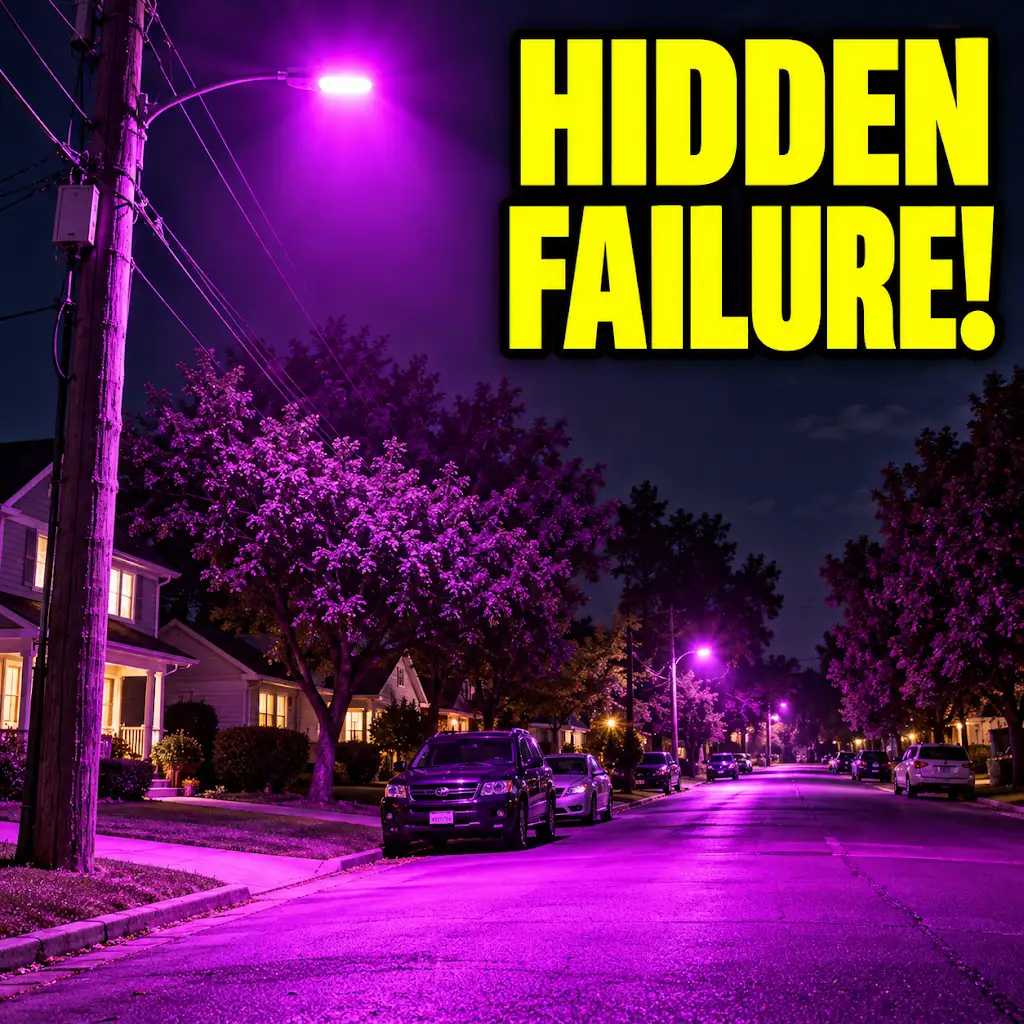
Why The Streetlights Are Turning Purple
FAQs
What is a blue light leak in LED streetlights?
A blue light leak in LED streetlights refers to the emission of blue light wavelengths beyond the intended range, which can cause light pollution and potential health concerns.
How does blue light from LED streetlights affect human health?
Exposure to blue light from LED streetlights at night can disrupt circadian rhythms, leading to sleep disturbances, increased risk of chronic diseases, and potential eye damage.
What are the environmental impacts of blue light leaks from LED streetlights?
Blue light leaks from LED streetlights can disrupt ecosystems by affecting nocturnal animals’ behavior, interfering with plant growth patterns, and contributing to light pollution in urban areas.
How can blue light leaks in LED streetlights be mitigated?
Blue light leaks in LED streetlights can be reduced by using shields or filters to direct light downwards, selecting warmer color temperatures, and implementing smart lighting controls to adjust brightness levels based on time of day.
Are there regulations in place to address blue light leaks from LED streetlights?
Some municipalities have implemented regulations or guidelines to control blue light leaks from LED streetlights, such as specifying maximum light intensity levels, color temperatures, and shielding requirements to minimize light pollution and protect public health.