You’ve probably seen them – those streetlights casting an odd, purplish glow. It’s a bit of a mystery for many, but there’s a straightforward scientific reason behind this violet phenomenon. It boils down to the type of light bulb used and how it ages.
When LEDs Get Old: The Aging Process of Purple Lights
The primary culprit behind purple streetlights is the way certain types of Light Emitting Diodes (LEDs) degrade over time. While LEDs are celebrated for their energy efficiency and long lifespan, they aren’t immune to aging, and this aging process can sometimes manifest in an unexpected color shift.
The Phosphor Coating’s Role
Most white LED lights work by using a blue LED chip that emits light. This blue light then passes through a phosphor coating, which is a substance that absorbs the blue light and re-emits it at longer wavelengths, effectively mixing with the original blue to produce what we perceive as white light. Think of it like mixing paint – a bit of blue with other colors makes white.
Degradation and the Color Shift
Over many years of use, the phosphor coating can degrade. This degradation isn’t usually a sudden event; it happens gradually. As the coating breaks down, it becomes less effective at converting the blue light. Consequently, more of the original blue light from the LED chip starts to escape. When you have a light source that’s predominantly blue, and some of the converted colors are weaker, the overall light output can start to appear more blue, and in some cases, shift towards violet.
Why Not All LEDs Turn Purple
It’s important to note that not all LED streetlights turn purple. The specific composition of the phosphor coating, the manufacturing process, and the operating conditions (like temperature and humidity) all play a role in how an LED ages. Different manufacturers use different formulations, and some are more resistant to this particular type of degradation than others. So, while it’s a common issue, it’s not a universal one.
In recent discussions about the phenomenon of streetlights turning purple, many have been intrigued by the underlying science and potential implications of this occurrence. A related article that delves deeper into the topic can be found at Freaky Science, where experts explore the reasons behind this unusual color change, including the effects of LED technology and environmental factors. This article provides valuable insights for those curious about the intersection of urban infrastructure and scientific principles.
Understanding LED Technology and White Light Production
To really grasp why purple streetlights appear, we need to dive a little deeper into how LEDs create white light in the first place. It’s a clever bit of engineering that relies on physics and chemistry working together.
The Blue LED Core
At the heart of most white LEDs is a semiconductor material that emits blue light when an electric current is passed through it. This is a fundamental property of certain semiconductor junctions. Blue light has a relatively short wavelength, which is crucial for the next step in the process.
The Magic of Phosphors
The phosphor coating is where the magic of white light generation happens. Phosphors are compounds that have the ability to absorb light of one wavelength and re-emit it at a different, usually longer, wavelength. In the case of white LEDs, the phosphor is designed to absorb the energetic blue light and then emit light across a broader spectrum, including green, yellow, and red wavelengths.
The Combination Effect
When the blue light from the LED chip interacts with the phosphor coating, the emitted light is a blend of the original blue light and the re-emitted wavelengths from the phosphor. By carefully selecting the phosphor materials and their concentrations, manufacturers can create a mix that, to our eyes, looks like white light. The specific shade of white – from warm white (more yellowish) to cool white (more bluish) – is determined by the exact spectral output of the phosphor.
Early LEDs and Color Shift Concerns
In the early days of widespread LED adoption for street lighting, color consistency and longevity were significant concerns. Some of the initial formulations of phosphor coatings proved to be less stable over long periods of exposure to heat and light. This led to the phenomenon of color shift, where the emitted light would deviate from its original intended color.
The Impact of Environmental Factors on LED Lifespan
Streetlights operate in a harsh environment. They are exposed to a wide range of temperatures, humidity, dust, and even physical impacts. These environmental factors can significantly influence the lifespan and performance of the LEDs, including their susceptibility to color changes.
Temperature Extremes
LEDs, like most electronic components, are sensitive to temperature. High operating temperatures can accelerate the degradation of both the semiconductor chip and the phosphor coating. Conversely, very low temperatures can also affect performance. Streetlights often experience daily cycles of heating up during the day (even when off, due to ambient heat and direct sunlight) and cooling down at night. Prolonged exposure to extreme heat is a primary driver of phosphor degradation.
Moisture and Humidity
Water and humidity can be insidious enemies of electronic components. While LED fixtures are designed to be weather-resistant, moisture ingress can occur over time. When moisture interacts with the internal components, especially the phosphor coating, it can lead to chemical reactions that break down the coating, contributing to the color shift. This is why proper sealing and ventilation of LED fixtures are so critical for their longevity.
UV Radiation Exposure
While LEDs themselves don’t produce much ultraviolet (UV) radiation in their output light (unlike older technologies like fluorescent lamps), the materials within the LED package can be affected by ambient UV radiation. Over years of exposure to sunlight, UV rays can contribute to the breakdown of organic materials, including some phosphor compounds, further impacting their ability to produce a consistent spectrum of light.
Dust and Dirt Accumulation
The accumulation of dust, dirt, and pollutants on the exterior of the streetlight fixture can not only reduce the amount of light that reaches the ground but also affect the internal temperature of the unit. A layer of dirt can trap heat, leading to higher operating temperatures and accelerating the degradation of the LEDs within.
Why Streetlight Colors Matter: Safety and Aesthetics
The color of streetlights isn’t just about aesthetics; it has practical implications for safety and how we perceive our surroundings. While purple might seem unusual, other color temperatures are chosen for specific reasons.
Visibility and Object Recognition
Different light colors can affect our ability to see and distinguish objects. For instance, warmer white light (more yellow) can sometimes render colors more naturally, making it easier to recognize traffic signs and other visual cues. Cooler white light (more blue) can provide a brighter, sharper appearance, which some find better for general visibility, but it can also lead to increased glare.
Impact on Wildlife
The color of artificial light can also have significant impacts on nocturnal wildlife. Bluish or very cool white light is known to be more disruptive to the natural behaviors of many insects and animals compared to warmer, less intense light. This has led to a shift in some areas towards warmer color temperatures for street lighting to minimize ecological disruption.
Human Perception and Circadian Rhythms
Our eyes and brains are accustomed to natural light. The color temperature of artificial light can influence our mood and even our sleep patterns. Exposure to bluer light at night can suppress melatonin production, making it harder to fall asleep. This is why there’s a growing interest in “circadian-friendly” street lighting that mimics the natural progression of daylight.
The Purple Paradox
The emergence of purple streetlights presents a unique situation. While not an intended outcome, the shift towards bluer tones doesn’t necessarily improve visibility or adhere to modern lighting principles. In some cases, it might even be considered a visual distraction or a sign of aging infrastructure.
Recently, there has been a fascinating phenomenon where streetlights in various cities have been observed turning purple, sparking curiosity and concern among residents. This unusual change in color has led to discussions about the potential causes, including issues related to LED technology and the effects of aging bulbs. For those interested in delving deeper into the science behind such occurrences, you can read more about it in this insightful article on Freaky Science, which explores the implications of streetlight color changes and their impact on urban environments.
Solutions and Future of Streetlight Technology
| Metric | Value | Unit | Description |
|---|---|---|---|
| Wavelength of Purple Light | 380-450 | nm | Range of wavelengths corresponding to purple/violet light emitted by the streetlight |
| Streetlight Power Consumption | 50 | Watts | Typical power usage of a streetlight emitting purple light |
| Color Temperature | 4000 | K | Approximate correlated color temperature for purple LED streetlights |
| Light Intensity | 800 | lumens | Brightness level of the purple streetlight |
| Cause of Purple Color | Phosphor Coating or LED Spectrum Shift | N/A | Scientific explanation for the purple hue in streetlights |
| Impact on Human Vision | Reduced Night Vision | N/A | Effect of purple light on human eye sensitivity and night vision |
| Environmental Impact | Minimal | N/A | Effect of purple streetlight on local wildlife and ecosystems |
Addressing the purple streetlight issue and improving future lighting involves a combination of maintenance, material science advancements, and thoughtful design.
Maintenance and Replacement Cycles
The most direct solution to purple streetlights is simply replacing the aging or degraded bulbs. Municipalities often have planned replacement cycles for their streetlights, and the emergence of purple lights can serve as an indicator that these units are nearing the end of their useful life and require attention. Regular inspection and proactive replacement can prevent widespread purple illumination.
Improved LED Designs and Materials
Manufacturers are continually working to improve LED technology. This includes developing more stable phosphor coatings that are less susceptible to degradation from heat, moisture, and UV radiation. Newer generations of LEDs are designed with longevity and color consistency as key priorities, aiming to maintain their intended white light output for much longer periods.
Smart Lighting and Adaptive Systems
The future of street lighting is increasingly “smart.” This involves LED fixtures equipped with sensors and control systems that allow for remote monitoring and adjustment. Smart lighting systems can detect when a bulb’s performance is degrading and alert maintenance crews. They can also be programmed to adjust brightness and even color temperature based on time of day, traffic conditions, or environmental needs, offering greater efficiency and better light quality.
Color Temperature Standards and Regulations
As awareness of the impact of light color grows, there’s a move towards establishing clearer standards and regulations for streetlight color temperatures. This aims to ensure that new installations use light that is not only energy-efficient but also safe, visually comfortable, and environmentally responsible. The goal is to move away from unintended color shifts and towards a more controlled and beneficial lighting environment.
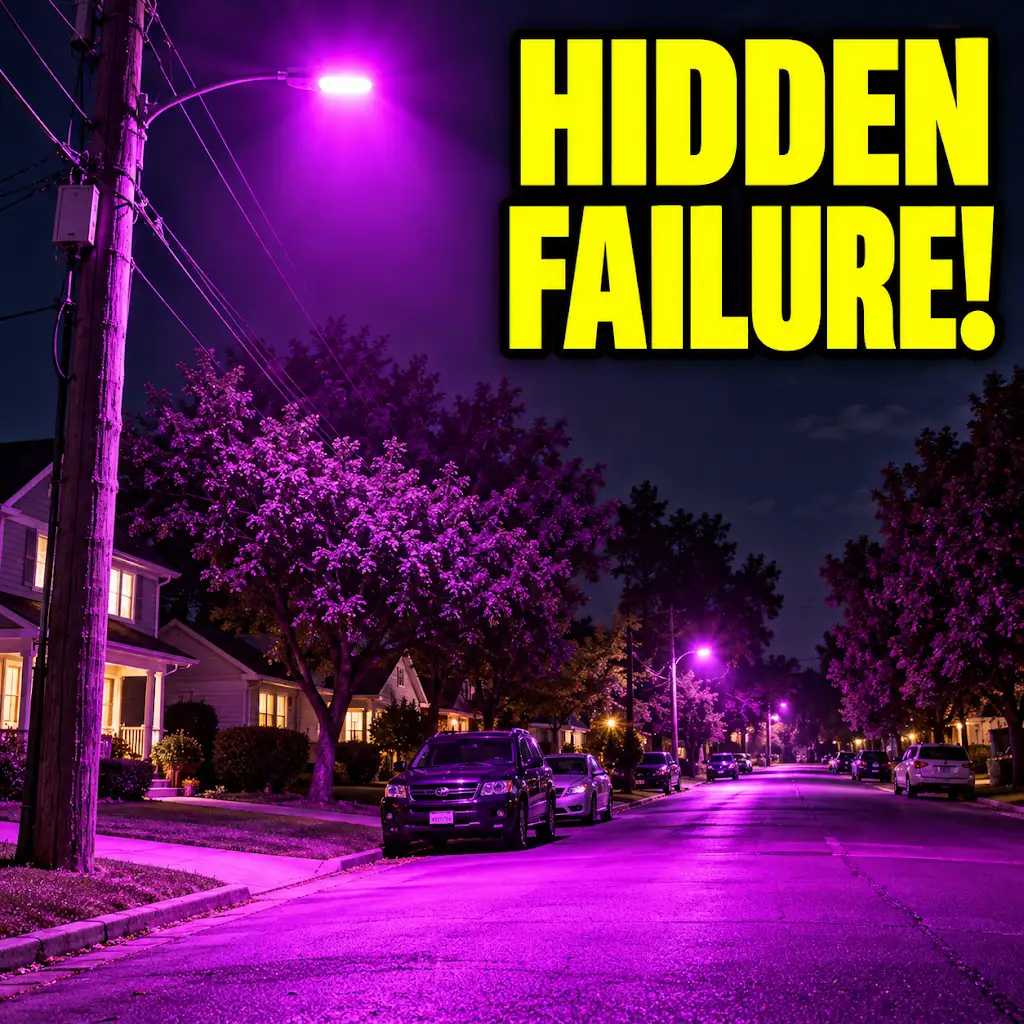
Why The Streetlights Are Turning Purple
FAQs
Why did the streetlight turn purple?
The streetlight turned purple due to a scientific phenomenon called LED lighting, where the light emitted by the streetlight is produced by light-emitting diodes that can be programmed to display different colors, including purple.
Is a purple streetlight common?
No, purple streetlights are not common as most streetlights are designed to emit white or yellow light for better visibility and safety. Purple streetlights are usually used for special events, holidays, or artistic displays.
Does the purple light affect visibility at night?
While purple light may not be as effective as white or yellow light in terms of visibility, it can still provide sufficient illumination for certain areas. However, it is important to ensure that the purple light does not compromise safety or visibility for drivers and pedestrians.
Can purple streetlights have an impact on the environment?
Yes, purple streetlights can have an impact on the environment, especially if they are not energy-efficient. It is important to use LED technology for purple streetlights to reduce energy consumption and minimize light pollution, which can disrupt ecosystems and wildlife.
Are there any benefits to having purple streetlights?
Having purple streetlights can offer aesthetic value and create a unique ambiance in urban areas. They can also be used for artistic purposes, highlighting landmarks or creating a specific atmosphere for events or celebrations.