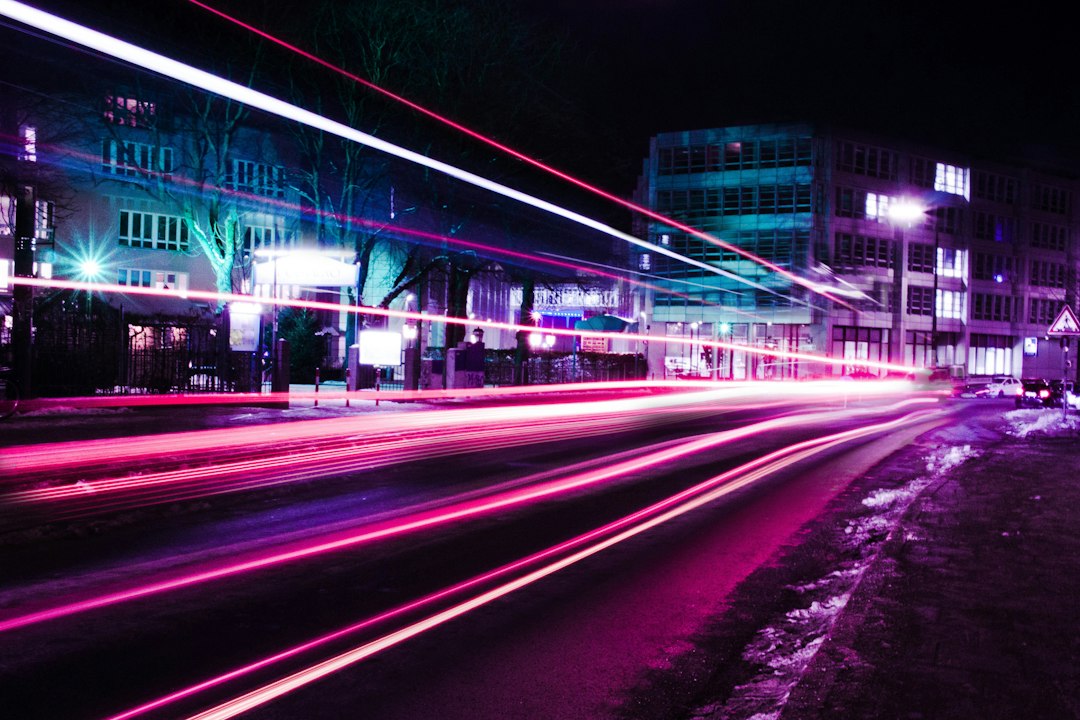
Purple streetlights are more than just a quirky aesthetic; they’re a practical innovation in urban infrastructure that can offer tangible benefits to cities. Primarily, their use is linked to deterring insect activity, particularly mosquitoes, which are attracted to traditional yellow or white light. Beyond this, they can also play a role in improving public safety and subtly influencing urban aesthetics.
The Science Behind the Purple Hue: Why Insects Avoid It
It might sound a bit like science fiction, but there’s a genuine reason why purple lights seem to keep certain insects at bay. It all boils down to how insects perceive light and what wavelengths they’re drawn to.
How Insects See Light
Most insects, especially those that are active at night and can be a nuisance or even a health concern, are particularly sensitive to longer wavelengths of light, like yellow, orange, and white. These wavelengths mimic natural light sources that they might be attracted to for navigation or reproduction. Think about moths fluttering around a porch light – that’s a classic example.
The Purple Light Advantage
Purple light, on the other hand, falls into the shorter wavelength spectrum. This means it’s less visible to many common insect species. When you swap out traditional streetlights for those emitting a purple hue, you’re essentially making the area less appealing to them. It’s not about actively repelling them with a harsh force, but rather about rendering the light source less attractive, leading to a noticeable reduction in insect presence around the illuminated areas. This can make a significant difference in public spaces, parks, and residential streets where insect populations can be a problem.
Specific Insect Targeting
While it’s not a universal repellent for all insects, the purple light spectrum has shown particular effectiveness against mosquitoes and other biting flies. These are often the most problematic insects in urban environments, contributing to discomfort and, in some cases, disease transmission. By reducing their attraction to light sources, cities can create more pleasant outdoor experiences for residents and visitors alike.
The implementation of purple streetlights as part of urban infrastructure has garnered attention for its potential benefits in enhancing safety and aesthetics in city environments. For a deeper understanding of innovative urban lighting solutions, you can explore a related article on this topic at Freaky Science, which discusses various advancements in urban infrastructure and their implications for community well-being.
Practical Applications: More Than Just Pest Control
The benefits of purple streetlights extend beyond just making evenings more comfortable. They represent a smart approach to urban planning, addressing a range of practical concerns.
Reducing Insect-Borne Disease Vectors
This is arguably the most compelling practical application. Mosquitoes, for instance, are not just a nuisance; they can be carriers of diseases like West Nile Virus, Zika, and others. By reducing the number of mosquitoes drawn to public areas, purple lighting can indirectly contribute to public health initiatives. Less attraction to light means fewer opportunities for mosquitoes to bite humans in those areas. It’s a low-impact, passive method of vector control that complements more active measures.
Enhancing Public Space Enjoyment
Imagine an outdoor café, a park walkway, or a community event space. If these areas are swarming with mosquitoes or other biting insects, their appeal diminishes significantly. Purple streetlights can help make these spaces more enjoyable and usable, especially during warmer months when insect activity is highest. This encourages people to spend more time outdoors, fostering community engagement and supporting local businesses that rely on foot traffic.
Aesthetic Considerations and Urban Design
While the primary focus is often on functionality, the visual aspect of purple streetlights is undeniable. They offer a unique and modern aesthetic that can set a city apart. This isn’t just about looking different for the sake of it. A well-considered lighting strategy can contribute to a city’s identity and brand, making it more attractive to residents, tourists, and businesses. The purple light can create a distinctive atmosphere, transforming ordinary streets into more visually engaging environments.
Energy Efficiency and Longevity
Modern LED technology, which is typically used for purple streetlights, is inherently energy-efficient. This translates to lower electricity bills for municipalities. Furthermore, LED lights generally have a much longer lifespan than traditional lighting technologies, meaning fewer replacements and reduced maintenance costs over time. While the color itself doesn’t directly impact energy consumption, the underlying technology does, making it a cost-effective solution in the long run.
Implementation Challenges and Solutions
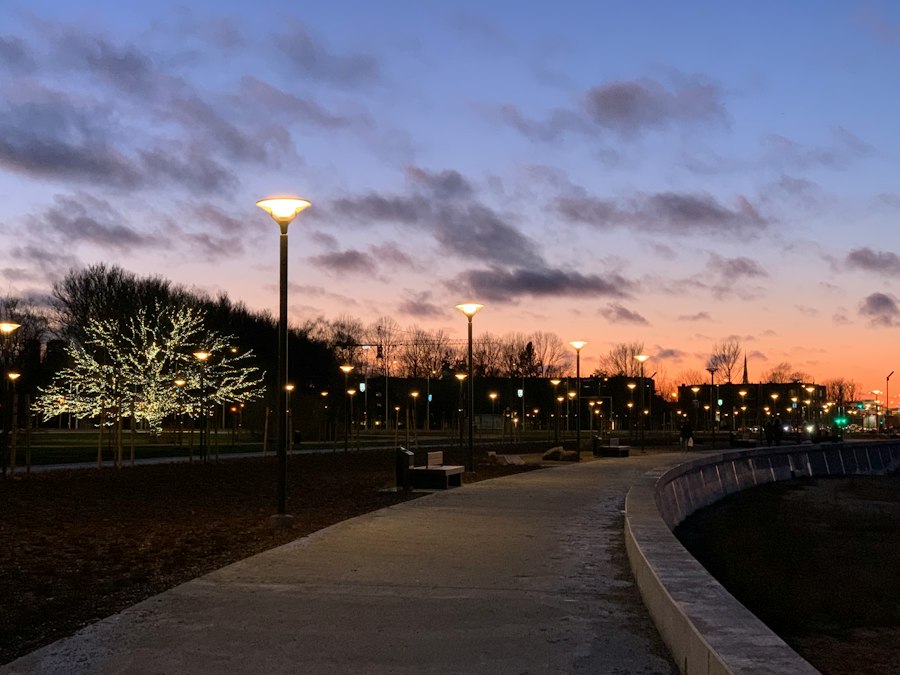
Introducing any new urban infrastructure comes with its own set of hurdles. Purple streetlights are no different, but these challenges are generally surmountable with thoughtful planning and execution.
Initial Cost and Investment
The upfront cost of replacing existing streetlights with new purple LED fixtures can be a significant investment for a city. This is a common barrier to adopting new technologies, especially for municipalities with tight budgets.
Phased Rollouts
A practical solution is to implement purple lighting in phases. Cities can start with areas that have the most significant insect problems or those that are high-traffic public spaces. This allows for a gradual financial commitment and provides an opportunity to assess the impact and gather data before a wider rollout.
Grant Funding and Partnerships
Exploring government grants for infrastructure improvements or public health initiatives can help offset the initial costs. Partnerships with lighting manufacturers or technology providers might also offer more favorable purchasing agreements or pilot programs.
Public Perception and Acceptance
While many might find the purple hue visually appealing or be appreciative of the reduced insect activity, some residents might have concerns or simply be unfamiliar with the change. Resistance to change is natural, and proactive communication is key.
Public Awareness Campaigns
Educating the public about the benefits of purple streetlights, particularly the health and comfort aspects, can foster acceptance. This can be done through local media, community meetings, and informational materials distributed online and in public spaces. Highlighting the scientific basis for the insect deterrence can add credibility.
Pilot Projects and Feedback
Implementing a pilot project in a specific neighborhood and actively soliciting feedback from residents can be very effective. This allows for addressing concerns directly and demonstrating the positive outcomes of the change in a tangible way.
Technical Integration and Maintenance
Ensuring that the new lighting systems integrate seamlessly with existing electrical grids and maintenance schedules is crucial. This involves working with utility companies and ensuring that maintenance crews are trained on the new technology.
Standardized Specifications
Adopting standardized specifications for the purple LED lights can simplify procurement and maintenance. This ensures compatibility across different fixtures and makes it easier to source replacement parts or find qualified technicians.
Smart City Integration
Many modern purple lighting systems can be integrated with smart city technology for remote monitoring, control, and data collection. This can optimize energy usage, identify maintenance needs proactively, and provide valuable data on the performance of the lighting.
Beyond the Obvious: Less Discussed Benefits and Considerations
While the primary drivers for purple streetlights are often clear, there are other, perhaps less immediately obvious, advantages and considerations that urban planners should keep in mind.
Impact on Nocturnal Wildlife
This is an area that warrants careful consideration and ongoing research. While purple light may deter certain insects, its impact on other nocturnal wildlife, such as bats or migrating birds, needs to be understood.
Wavelength Specificity
The key here is that not all light wavelengths affect all organisms in the same way. While mosquitoes are drawn to yellow/white light, other creatures might be less sensitive to purple. Research suggests that shorter wavelengths might have less impact on some nocturnal animals compared to broader spectrum lights.
Targeted Lighting Strategies
Cities can employ targeted lighting strategies to minimize any potential negative impacts on wildlife. This could involve using purple lights only in specific areas where insect control is paramount and using different, perhaps lower-intensity or differently filtered lighting in sensitive natural habitats adjacent to urban areas. Careful study and monitoring of local ecosystems are vital.
Contribution to Road Safety (Under Specific Conditions)
While not its primary function, there are some arguments to be made for how purple light might subtly influence road safety, though this is a more nuanced point.
Contrast and Visibility
The unique color can create a distinct contrast, potentially making road edges or obstacles more noticeable to drivers under certain conditions. However, this is highly dependent on the specific shade of purple, the intensity of the light, and the surrounding environment. It’s crucial that the light still provides adequate visibility for pedestrians and drivers.
Reduced Glare
Some studies suggest that certain types of purple LEDs might produce less glare than traditional sodium-vapor or mercury-vapor lamps, which can be a significant safety hazard for drivers. However, this is highly dependent on the specific LED technology used and the fixture design.
Public Art and Cultural Significance
The introduction of a unique lighting color can also have a subtle cultural impact. It can become a recognizable feature of a city, contributing to its unique character and even inspiring local art or events.
Branding and Identity
Cities are increasingly looking for ways to differentiate themselves. A distinctive urban lighting scheme can become part of a city’s brand, making it more memorable and engaging for visitors. This can lead to unique photography opportunities and a sense of place.
Creative Expression
The purple light can inspire artists, designers, and community groups to create installations or events that interact with the new urban palette, fostering a more vibrant and creative cityscape.
The introduction of purple streetlights in urban infrastructure has sparked interest due to their potential benefits for both aesthetics and safety. These lights, which are often associated with reducing crime rates and enhancing community engagement, have been the subject of various studies and articles. For instance, a related article discusses the impact of innovative lighting solutions on urban environments and can be found at this link. As cities continue to evolve, the adoption of such technologies may play a crucial role in shaping the future of urban living.
The Future of Urban Lighting: A Purple Horizon?
| Metric | Description | Value | Unit | Notes |
|---|---|---|---|---|
| Light Wavelength | Dominant wavelength emitted by purple streetlights | 400-450 | nm (nanometers) | Near ultraviolet to violet spectrum |
| Energy Consumption | Average power usage per streetlight | 30-50 | Watts | Depends on LED technology used |
| Installation Density | Number of purple streetlights per square kilometer | 20-40 | Units/km² | Varies by urban area and lighting needs |
| Light Intensity | Illuminance level at ground level | 10-20 | Lux | Lower than traditional white streetlights |
| Maintenance Interval | Average time between maintenance checks | 12 | Months | LEDs typically require less frequent maintenance |
| Impact on Insects | Effect on nocturnal insect activity | Reduced attraction | N/A | Purple light less attractive to many insects |
| Cost per Unit | Average cost to install one purple streetlight | 150-250 | Units (currency excluded) | Includes fixture and installation |
Purple streetlights are a clear indicator of how urban infrastructure is evolving. They represent a move towards more intelligent, multi-functional, and aesthetically considered solutions for city living.
Integration with Smart City Ecosystems
The trend towards smart cities means that streetlights are becoming more than just sources of illumination. They are nodes in a network, capable of collecting data, communicating with other devices, and being controlled remotely.
Data-Driven Optimization
Purple lighting systems, integrated with smart city platforms, can provide valuable data on insect populations, pedestrian traffic patterns, and energy consumption. This information can be used to further optimize lighting schedules, identify areas needing intervention, and improve overall city management.
Responsive Lighting
Future systems could be designed to be responsive, adjusting their intensity or even color based on real-time conditions – perhaps dimming in areas with low pedestrian activity or increasing illumination during specific events, all while maintaining the core benefits of the purple hue.
Sustainability and Environmental Consciousness
As cities increasingly prioritize sustainability, innovations like purple streetlights that offer environmental benefits, such as reduced insect-borne disease vectors and energy efficiency, will become more attractive.
Circular Economy Principles
The development of longer-lasting, more energy-efficient lighting solutions aligns with circular economy principles, reducing waste and resource consumption over the lifespan of the infrastructure.
Healthier Urban Environments
By contributing to cleaner public spaces and potentially reducing reliance on chemical pest control, purple lighting can play a small but significant part in creating healthier urban environments for residents.
Evolving Aesthetics and Urban Identity
The visual impact of purple streetlights is likely to continue influencing urban design. What might start as a practical solution can evolve into a defining characteristic of a city’s aesthetic.
Urban Artistry and Experience
Cities may deliberately incorporate purple lighting into their urban design master plans, not just for function but to craft a unique visual experience for residents and visitors. This could lead to a more artistic and engaging urban landscape, moving beyond purely utilitarian infrastructure.
The adoption of purple streetlights is not a universally mandated solution, but it represents a forward-thinking approach to urban infrastructure that balances practical needs with innovative design. As technology advances and our understanding of urban ecosystems deepens, we can expect to see more such thoughtful integrations of light and infrastructure shaping the cities of tomorrow.
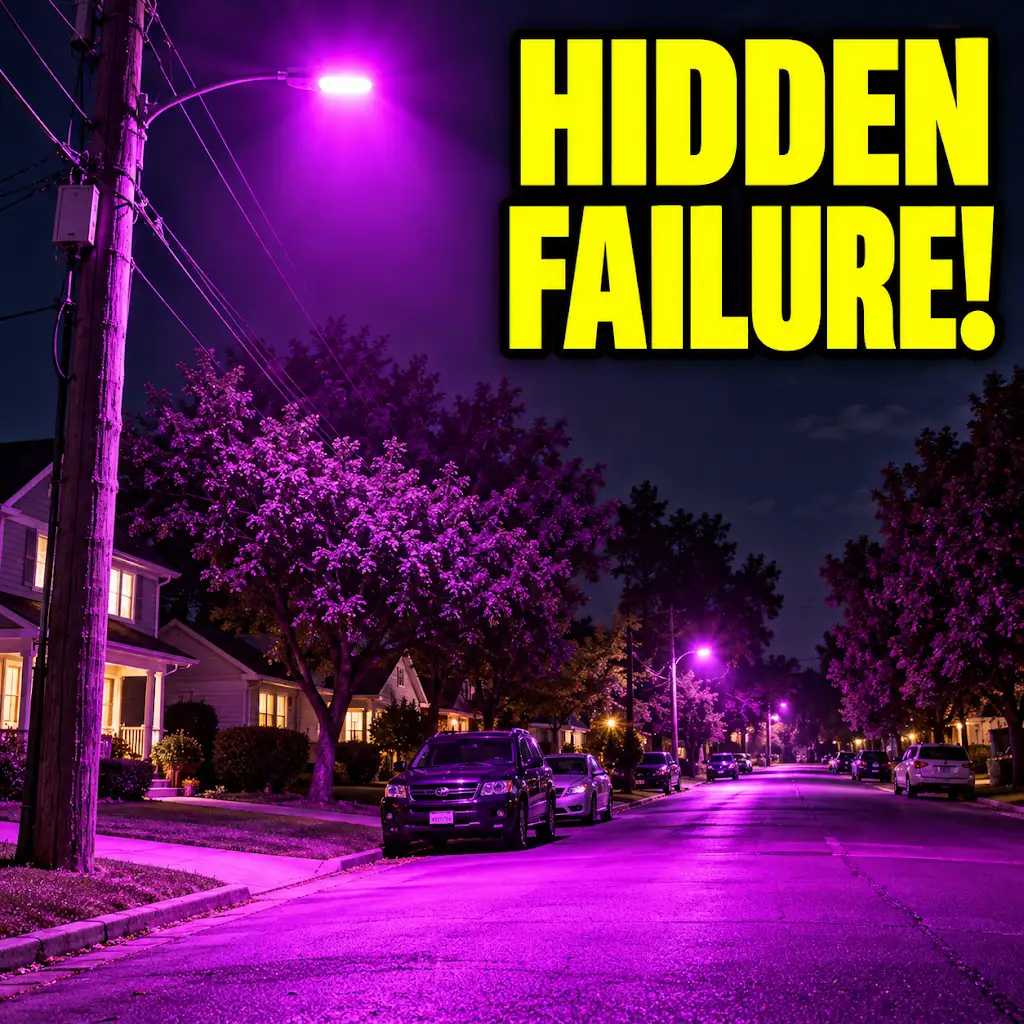
Why The Streetlights Are Turning Purple
FAQs
What is a purple streetlight?
A purple streetlight is a type of urban infrastructure that emits a purple-colored light instead of the traditional white or yellow light commonly used in street lighting.
Why are purple streetlights used in urban areas?
Purple streetlights are sometimes used in urban areas for aesthetic purposes, to create a unique and visually appealing atmosphere in certain neighborhoods or districts.
Do purple streetlights have any practical benefits?
While primarily used for aesthetics, purple streetlights can also have practical benefits such as helping to reduce light pollution and glare compared to traditional white or yellow streetlights.
Are there any concerns or drawbacks associated with purple streetlights?
Some concerns associated with purple streetlights include potential impacts on visibility and color perception, as well as the possibility of affecting wildlife behavior due to the different light spectrum emitted.
How are purple streetlights powered and maintained?
Purple streetlights are typically powered by electricity and require regular maintenance to ensure proper functioning, including bulb replacement, cleaning, and repairs as needed.