You’re probably wondering why those once-bright LED streetlights seem a little dimmer after a few years. It’s a common observation, and there’s a good reason for it: LED streetlights, like most technologies, experience a gradual decline in light output over time. This isn’t usually a sign of a faulty product, but rather a natural part of their lifespan. Understanding what causes this degradation and what can be done about it is key to maintaining effective street lighting.
The Natural Aging Process: Why LEDs Dim
It’s not magic, and it’s not a conspiracy. The primary reason LED streetlights lose some of their brilliance is due to the inherent nature of the semiconductor materials they use and the conditions they operate under. Think of it like any electronic component that gets used a lot – over time, its performance can change. For LEDs, this change primarily manifests as a reduction in the amount of light they produce.
Internal Chemical and Physical Changes
At its core, an LED is a semiconductor device. When electricity passes through it, electrons recombine with “holes” in the semiconductor material, releasing energy in the form of photons – light. This process, while efficient, isn’t perfectly stable forever. Over thousands of hours of operation, the crystal structure within the LED can undergo subtle shifts. These changes can affect how efficiently electrons and holes recombine, leading to fewer photons being emitted for the same amount of electrical input.
This isn’t a sudden breakdown; it’s a gradual alteration. Imagine a very, very tiny crack forming internally, or a slight alteration in the chemical makeup that makes the light-emitting process a bit less productive. These micro-level changes accumulate over time, and the cumulative effect is a measurable decrease in light output.
Heat: The Silent Killer
Heat is a major enemy of LEDs. While LEDs are generally more efficient and produce less heat than older lighting technologies like High-Pressure Sodium (HPS) lamps, they still generate heat as a byproduct of their operation. This heat is generated at the LED chip itself and needs to be managed effectively.
If the heat isn’t dissipated properly, it can build up within the fixture. Elevated temperatures accelerate the degradation processes we just talked about. The delicate semiconductor materials are more susceptible to damage and faster chemical changes when they’re consistently running hot. This is why effective thermal management is such a critical design aspect of LED streetlight fixtures.
External Environmental Factors
The world outside the sealed LED fixture can also play a role. While fixtures are designed to be weather-resistant, prolonged exposure to the elements can contribute to degradation in various ways.
- UV Radiation: While the LEDs themselves are protected, the housing and some internal components can be affected by prolonged exposure to ultraviolet (UV) radiation from the sun. This can lead to discoloration or embrittlement of plastic parts, which in turn could compromise the fixture’s integrity or light distribution over a very long time.
- Moisture and Corrosion: Even with good seals, persistent humidity or occasional water ingress can lead to corrosion on electrical contacts or internal circuitry. This can disrupt the flow of electricity and, in severe cases, lead to premature failure or reduced performance.
- Dust and Dirt Accumulation: Over years, dust, dirt, and even bird droppings can accumulate on the lens or diffuser of the streetlight. This physically blocks the light, making the fixture appear dimmer, even if the LEDs themselves are still performing well.
LED streetlights are known for their energy efficiency and longevity; however, concerns about output degradation over time have emerged as a significant issue for municipalities. A related article discusses the factors influencing the performance and lifespan of LED streetlights, providing insights into how environmental conditions and usage patterns can affect their brightness and overall effectiveness. For more information on this topic, you can read the article here: LED Streetlight Output Degradation.
Quantifying the Dimming: Lumen Depreciation

So, how do we talk about this dimming in a technical sense? The industry uses a term called “lumen depreciation” to describe the reduction in luminous flux (light output) over time. It’s a standard metric used in lighting specifications.
Understanding Lumens and Depreciation Curves
Lumens (lm) are the standard unit of measurement for the total amount of visible light emitted by a source. When a manufacturer specifies the lumen output of an LED streetlight, they’re giving you the initial, brightest output. Lumen depreciation describes how that number decreases over the expected lifespan of the product.
Manufacturers typically provide data on lumen depreciation, often expressed as a percentage of initial output at specific operating hours (e.g., L70, L80, L90). The “L” stands for “lumen,” and the number that follows is the percentage of initial lumen output that the LED is expected to maintain.
- L70: This means that after a certain number of hours, the LED will still be producing at least 70% of its initial light output. This is a very common benchmark for LED streetlights.
- L80: The LED will maintain at least 80% of its initial output.
- L90: The LED will maintain at least 90% of its initial output.
The “hours” associated with these ratings are typically very long, often tens of thousands or even over 100,000 hours. So, while it’s a decrease, it’s a slow and steady one.
Factors Influencing Depreciation Rate
Not all LEDs degrade at the same rate. Several factors can influence how quickly a streetlight experiences lumen depreciation:
- LED Chip Quality and Manufacturer: Higher-quality LED chips from reputable manufacturers generally exhibit slower depreciation rates. Their manufacturing processes and material selection are optimized for longevity and stability.
- Fixture Design and Thermal Management: As mentioned, this is huge. A well-designed fixture with excellent heat sinks and airflow will keep the LED chips cooler, significantly slowing down degradation.
- Operating Current and Temperature: Running LEDs at lower currents generally reduces heat generation and stress on the components, leading to slower lumen depreciation. Conversely, pushing LEDs to their maximum rated current can accelerate degradation. The ambient temperature where the streetlight operates also plays a role.
- Driver Electronics: The power supply unit (driver) that converts mains voltage to the specific DC voltage and current required by the LEDs also has a lifespan. While the LEDs might still be good, a failing driver can impact performance or cause the fixture to shut down. The reliability of the driver directly affects the overall fixture’s performance.
- Environmental Conditions: Harsh environments with extreme temperatures, high humidity, or frequent power surges can put additional stress on the fixture and its components, potentially leading to faster degradation.
Practical Implications for Streetlight Management
Understanding lumen depreciation isn’t just an academic exercise. It has real-world consequences for municipalities and facility managers responsible for street lighting. It directly impacts the effectiveness of the lighting system and influences maintenance and replacement strategies.
Maintaining Adequate Light Levels
The primary goal of street lighting is to provide sufficient illumination for safety and visibility. As lumen output declines, the light levels on the road and sidewalks decrease. This can lead to several issues:
- Reduced Visibility: Drivers and pedestrians may have a harder time seeing hazards, obstacles, or other people, increasing the risk of accidents.
- Increased Crime Perceptions: Darker areas can sometimes be perceived as less safe, potentially encouraging criminal activity.
- Decreased User Satisfaction: The overall experience of using public spaces at night can be diminished if the lighting is poor.
It’s important to remember that lumen depreciation is gradual. It’s not as if a light goes from 100% to 50% overnight. However, over years, the cumulative effect can mean that areas that were once adequately lit might fall below recommended illumination standards.
Strategic Maintenance and Replacement Cycles
Knowing about lumen depreciation allows for proactive planning rather than reactive crisis management. Instead of waiting for lights to fail completely or become obviously dim, managers can use lumen depreciation data to:
- Optimize Replacement Schedules: Instead of waiting for a fixture to die, you can plan replacements based on when its lumen output is projected to fall below acceptable levels. This ensures consistent illumination across the network.
- Budgeting and Capital Planning: Understanding the expected lifespan and depreciation curve helps in budgeting for future replacement projects. You can forecast costs more accurately.
- Performance Monitoring: Regular monitoring of light levels in key areas can help identify potential problems early and confirm that the installed fixtures are performing as expected. This might involve using light meters or relying on smart lighting systems.
- Choosing the Right Fixtures: When procuring new streetlights, understanding lumen depreciation ratings is crucial for selecting fixtures that will meet long-term lighting needs and minimize the frequency of costly replacements.
Solutions and Mitigation Strategies
Fortunately, there are strategies to address and mitigate LED streetlight output degradation, ensuring that your lighting systems remain effective and efficient over their intended lifespan. It’s about smart design, proper installation, and ongoing management.
Advanced Fixture Design and Thermal Management
The most critical factor in slowing down lumen depreciation lies in the initial design of the streetlight fixture.
- Effective Heat Sinks: High-quality fixtures incorporate robust heat sinks made of materials like aluminum with large surface areas. These draw heat away from the LED chips and dissipate it into the surrounding air. Good thermal design is paramount.
- Ventilation and Airflow: Thoughtful design can create natural airflow pathways within the fixture, further aiding in heat dissipation. This prevents heat from building up and exacerbating degradation.
- Component Selection: Using high-quality LED chips, drivers, and other electronic components from reputable manufacturers is essential. These components are engineered for longevity and better resistance to heat and electrical stress.
- Sealing and Environmental Protection: Robust sealing against moisture, dust, and insects is crucial. A well-sealed fixture prevents ingress of contaminants that can cause corrosion or physically block light.
Smart Controls and Operation
Modern lighting systems offer more than just turning lights on and off. Smart controls can significantly impact performance and longevity.
- Dimming Schedules: Instead of running lights at full brightness all night, especially in areas with less traffic after midnight, implementing dimming schedules can reduce the overall energy consumption and, importantly, reduce the heat generated by the LEDs. Lower operating temperatures directly translate to slower lumen depreciation.
- Adaptive Lighting: Some systems can dynamically adjust brightness based on real-time conditions, such as motion detection from vehicles or pedestrians. This ensures light is provided when and where it’s needed, without unnecessary constant full-power operation.
- Remote Monitoring and Diagnostics: Smart lighting networks allow for remote monitoring of individual fixture performance, including lumen output (estimated) and operating temperatures. This provides early warnings of potential issues and helps in proactive maintenance.
Regular Cleaning and Maintenance
It might sound simple, but it’s incredibly effective and often overlooked.
- Lens and Diffuser Cleaning: Over time, dust, grime, and environmental pollutants accumulate on the outside of the fixture, particularly on the lens or diffuser. This buildup can significantly reduce the amount of light reaching the ground, making the fixture appear dimmer. Regular cleaning of these surfaces can restore a substantial portion of the lost light output.
- Inspection for Damage: Routine inspections can identify any physical damage to the fixture, such as cracked lenses, loose seals, or signs of corrosion. Addressing these issues promptly can prevent further degradation or failure.
- Checking Electrical Connections: Periodically checking electrical connections within the fixture can help prevent issues like corrosion or loose contacts, which can lead to performance degradation or intermittent failures.
Recent studies have highlighted the issue of LED streetlight output degradation, which can significantly affect their efficiency and lifespan. For a deeper understanding of this phenomenon, you can explore a related article that discusses various factors influencing LED performance over time. This information can be crucial for municipalities looking to optimize their lighting systems. To learn more about the implications of LED technology, check out this insightful piece on Freaky Science.
Future Trends and Innovations
| Metric | Description | Typical Value / Range | Unit | Notes |
|---|---|---|---|---|
| Lumen Maintenance (L70) | Time until LED output drops to 70% of initial lumen output | 50,000 – 100,000 | Hours | Common industry standard for LED lifetime |
| Lumen Maintenance (L80) | Time until LED output drops to 80% of initial lumen output | 30,000 – 60,000 | Hours | Used for higher performance requirements |
| Degradation Rate | Annual percentage decrease in luminous output | 2% – 5% | % per year | Depends on LED quality and operating conditions |
| Color Shift | Change in color temperature over time | Up to 200 | Kelvin | May affect visual comfort and uniformity |
| Operating Temperature | Junction temperature affecting degradation | 55 – 85 | °C | Higher temps accelerate lumen depreciation |
| Drive Current | Electrical current supplied to LED | 350 – 700 | mA | Higher current can increase degradation rate |
| Maintenance Factor | Ratio of maintained illuminance to initial illuminance | 0.7 – 0.9 | Unitless | Used in lighting design to account for degradation |
The field of LED street lighting is constantly evolving, and ongoing research and development are focused on improving longevity, efficiency, and performance, even in challenging conditions.
Enhanced LED Chip Technology
Manufacturers are continuously working on developing new generations of LED chips that offer:
- Higher Efficacy: This means more lumens produced per watt of energy consumed, leading to brighter light and less heat generation for the same output.
- Improved Lumen Maintenance: New materials and manufacturing techniques are leading to LED chips that naturally degrade at even slower rates, pushing L-values higher (e.g., L90 or even L95 becoming more common).
- Better Thermal Stability: Chips are being designed to be more resilient to heat, allowing them to operate at higher temperatures without significantly compromising lifespan.
Advanced Materials and Coatings
Beyond the LED chip itself, innovation extends to the materials used in the fixture.
- Self-Cleaning Coatings: Research is underway for coatings that can be applied to lenses and diffusers to repel dust, dirt, and water, reducing the need for manual cleaning.
- More Efficient Heat Dissipation Materials: Development of new alloys or composite materials for heat sinks could lead to even more effective and lighter-weight thermal management solutions.
- UV-Resistant Polymers: Improved polymers for housings and diffusers are being developed to better withstand the damaging effects of UV radiation, preventing premature yellowing or embrittlement.
Integrated Systems and AI
The trend towards “smart cities” is driving integration and intelligence in street lighting.
- Predictive Maintenance: Advanced analytics and AI are being used to analyze data from smart lighting networks. This can predict when a fixture is likely to degrade to a certain level or experience a failure, allowing for proactive replacement or repair before it becomes a problem.
- System-Wide Optimization: AI can analyze traffic patterns, weather data, and energy prices to dynamically adjust lighting levels across an entire network for optimal safety, energy savings, and longevity of the lighting assets.
- Integration with Other Smart City Infrastructure: Streetlights are becoming nodes in larger smart city networks, potentially incorporating sensors for environmental monitoring, traffic management, or public Wi-Fi, all while contributing to efficient and long-lasting illumination.
By understanding the causes of LED streetlight output degradation and implementing proactive solutions, cities and municipalities can ensure their public lighting remains effective, safe, and cost-efficient for years to come.
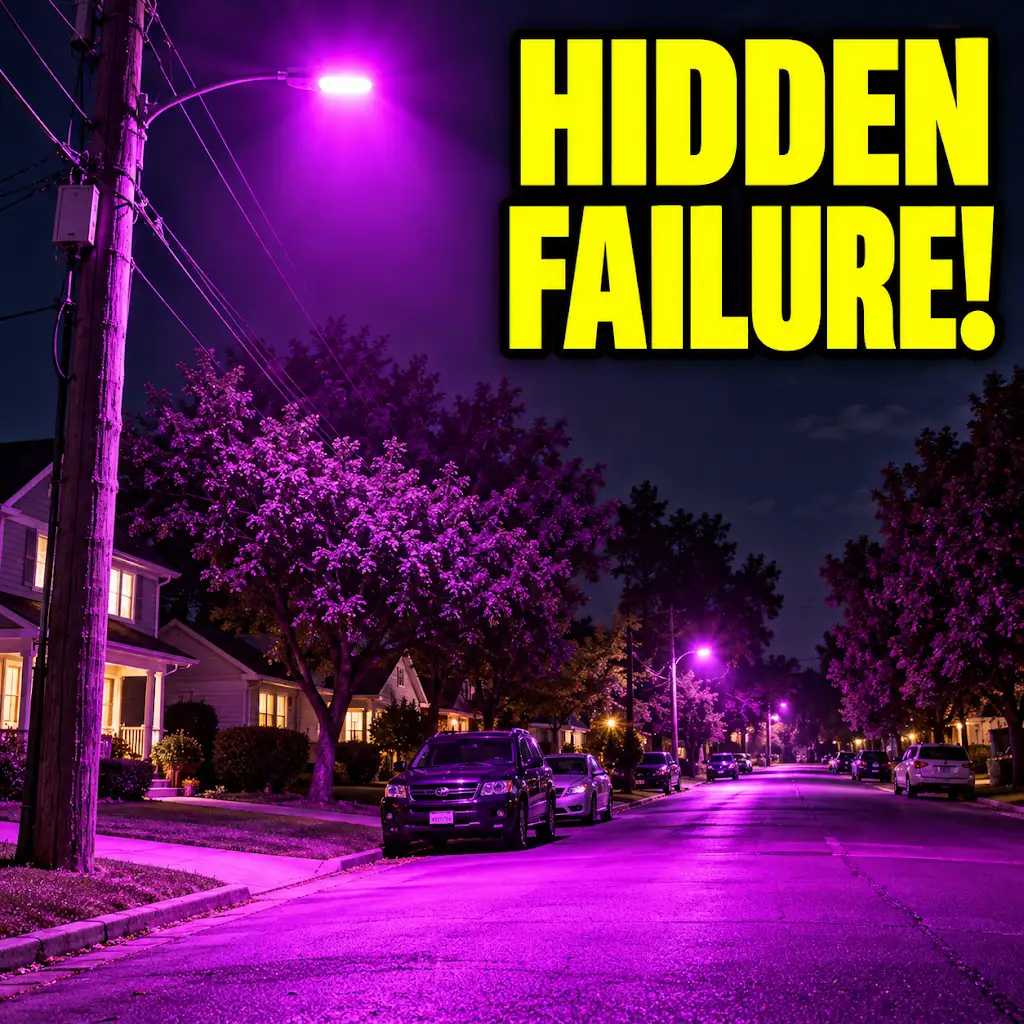
Why The Streetlights Are Turning Purple
FAQs
What causes LED streetlight output degradation?
LED streetlight output degradation can be caused by various factors such as heat, humidity, dust, and electrical stress. Over time, these factors can lead to a decrease in the light output of the LED streetlights.
How does temperature affect LED streetlight output degradation?
High temperatures can accelerate the degradation of LED streetlight output. Excessive heat can cause the LED components to degrade faster, leading to a decrease in light output over time.
Can LED streetlight output degradation be prevented?
While it is difficult to completely prevent LED streetlight output degradation, proper maintenance and cleaning can help slow down the degradation process. Regular inspections and cleaning of the fixtures can help maintain optimal performance.
What is the typical lifespan of LED streetlights before output degradation becomes noticeable?
The lifespan of LED streetlights can vary depending on the quality of the fixtures and the environmental conditions they are exposed to. On average, LED streetlights can maintain their output for 50,000 to 100,000 hours before noticeable degradation occurs.
How can municipalities address LED streetlight output degradation issues?
Municipalities can address LED streetlight output degradation by implementing regular maintenance schedules, monitoring light output levels, and replacing fixtures when necessary. Upgrading to newer, more efficient LED technologies can also help mitigate output degradation issues.