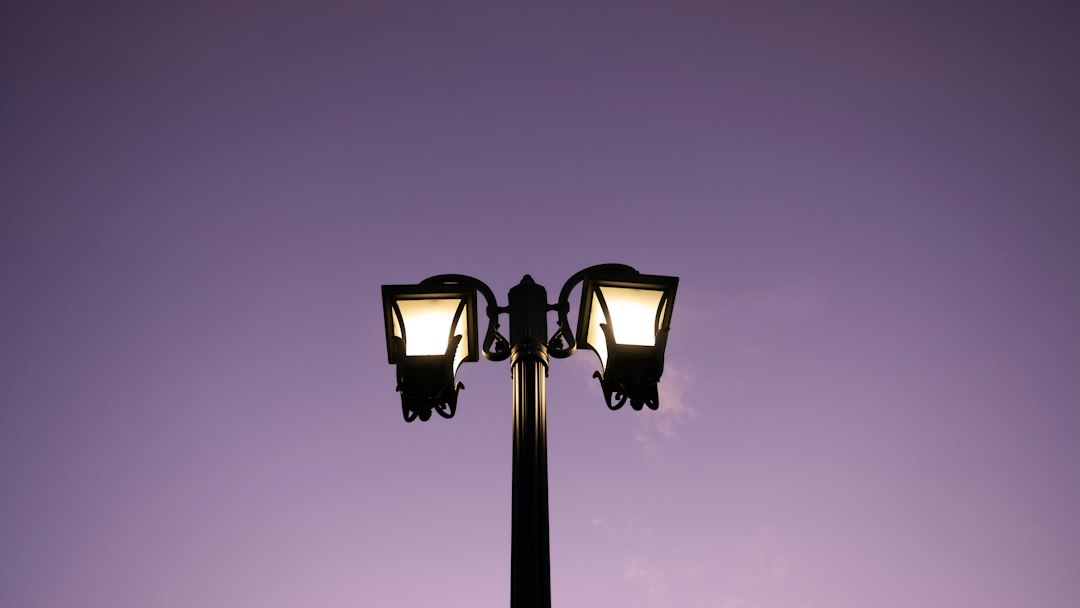
You’ve probably noticed it: that faint, sometimes noticeable, purple hue emanating from certain streetlights. It’s not your imagination, and it’s not a glitch. This purple light is a direct result of the specific wavelengths of light being emitted by the LEDs used in those fixtures.
Why Some Streetlights Turn Purple
The purple hue in some streetlights is an unintended side effect of how certain LED technologies age. Modern streetlights often use LEDs (Light Emitting Diodes) for energy efficiency and longevity. The specific type of LED technology that tends to develop a purple cast is known as “white” LED lighting that uses a blue LED chip coated with a yellow phosphor. Over time, this yellow phosphor can degrade, causing the blue light to become more prominent, and when mixed with the remaining yellow light, it can appear as purple. It’s less about the initial intention and more about the long-term behavior of the materials.
The Science Behind the Color Shift
At its core, this phenomenon is about light emission and material degradation. White light from LEDs isn’t usually a single color. Instead, it’s often created by shining a blue light through a phosphor coating. This coating converts some of the blue light into longer wavelengths, typically yellow, that combine with the blue to trick our eyes into seeing white.
The Role of Phosphor Degradation
The yellow phosphor used in these LEDs is a chemical compound. Like many materials, it’s not immortal. Environmental factors such as heat, moisture, and prolonged exposure to UV radiation (even from the LED itself) can cause this phosphor to break down. As the yellow phosphor degrades, it becomes less effective at converting blue light. This means more of the original blue light escapes the fixture, and less of the yellow is produced. When you have a strong blue component and a reduced yellow component, the resulting color leans towards the violet/purple end of the spectrum.
Recent studies have shown that the purple light emitted by streetlights can have various effects on both human health and the environment. For a deeper understanding of the implications of different light wavelengths, you can explore a related article that discusses the science behind light and its impact on living organisms. Check it out here: Freaky Science.
Understanding Light Wavelengths and Perception

Our perception of color is entirely dependent on the wavelengths of light that reach our eyes. Different colors correspond to different ranges of wavelengths. Understanding this basic principle is key to grasping why those streetlights look the way they do.
The Visible Light Spectrum
The light we see, often called the visible spectrum, is a small portion of the electromagnetic spectrum. It ranges from red light, with longer wavelengths, to violet light, with shorter wavelengths. Think of a rainbow: that’s the visible spectrum laid out for you. Red has wavelengths around 620-750 nanometers (nm), while violet is around 380-450 nm.
How LEDs Produce “White” Light
As mentioned, most “white” LEDs don’t actually produce pure white light. Instead, they use a method called phosphor conversion. The most common approach involves a blue LED chip. This blue light then passes through a special coating, or phosphor, that absorbs some of the blue light and re-emits it at longer wavelengths – typically yellow. When the emitted blue light and the re-emitted yellow light mix, our eyes perceive it as white light. The exact blend of blue and yellow, and any other colors the phosphor might emit, determines the “warmth” or “coolness” of the white light.
The Impact of Wavelength Changes on Color
When the phosphor coating on an LED degrades, the balance of wavelengths changes. If the yellow phosphor breaks down, there’s less yellow light being produced. The blue light from the LED chip, however, remains relatively stable. As the yellow component diminishes, the blue light becomes more dominant. Because violet light is just next to blue on the spectrum, and our eyes can perceive slight shifts, the overall effect can appear as a purple or violet cast. It’s a subtle shift in the spectral distribution of light, but it’s enough for us to notice.
The Degradation Process of LED Phosphors
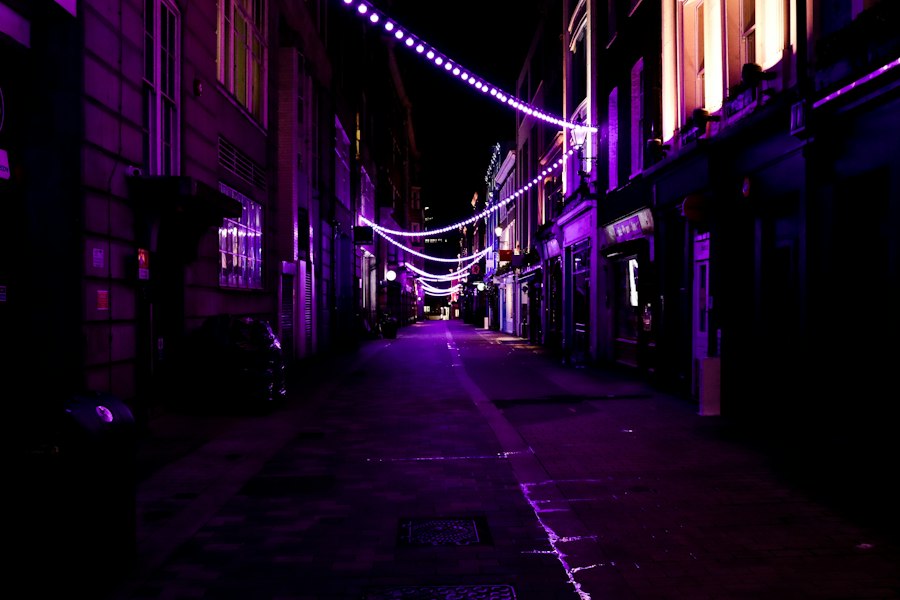
The key to the purple streetlight phenomenon lies in the material science of the LEDs themselves. The phosphors aren’t designed to last forever in their original state, and their breakdown is a natural, albeit sometimes accelerated, process.
Factors Affecting Phosphor Lifespan
Several factors contribute to the rate at which phosphor coatings degrade. Heat is a major culprit. LEDs, while efficient, still generate heat, and this can stress the phosphor materials over time. Moisture ingress into the fixture can also accelerate chemical degradation. Even the intensity and duration of the light itself can play a role, with prolonged exposure causing a kind of photochemical breakdown. Manufacturing variations also exist; some batches of phosphor might be more susceptible to degradation than others.
Visual Indicators of Phosphor Breakdown
The most obvious indicator, of course, is the color shift. What starts as a neutral or slightly warm white can gradually transition through a cooler white, then a bluish hue, and eventually, the distinctive purple. Sometimes, you might also notice a decrease in overall brightness as the phosphor degrades, though the color change is often the most apparent sign. This isn’t a sudden failure; it’s a gradual dimming and color shift that occurs over many thousands of hours of operation.
Not All LEDs Develop This Hue
It’s important to note that not all white LEDs will turn purple. This specific issue is more prevalent in older generations of white LED technology, particularly those using specific formulations of yttrium aluminum garnet (YAG) phosphors. Newer LED technologies, such as those using different phosphor blends or employing a “quantum dot” color conversion method, are less prone to this particular type of degradation and color shift. So, if you see a purple streetlight, it’s likely an indicator of a particular, older type of LED technology.
Potential Effects of Purple Streetlight Wavelengths
While the purple hue is visually striking, the practical effects are generally minimal for most people and most situations. However, there are some considerations, particularly concerning how it interacts with our vision and the environment.
Impact on Human Vision and Color Perception
Our eyes are designed to perceive a wide range of colors under different lighting conditions. Under purple streetlights, color rendering – the ability of a light source to reveal the colors of various objects faithfully – can be somewhat affected. Colors might appear slightly desaturated or shifted. For everyday activities like walking or driving, this effect is usually minor and easily adaptable. However, for tasks requiring precise color identification, such as by emergency responders or certain scientific observations, it could be a slight disadvantage.
Influence on Wildlife and Biological Rhythms
Light pollution is a growing concern for urban and suburban wildlife. The specific wavelengths of light emitted by any artificial source can influence the behavior and biology of nocturnal animals. While red and amber lights are often favored for their perceived lower impact on wildlife, the increased blue and violet light in purple streetlights can be more disruptive. Some studies suggest that shorter wavelengths of light, including blue and violet, can have a stronger impact on the circadian rhythms of insects and other nocturnal creatures, potentially affecting their navigation, feeding, and reproduction.
Comparison to Other LED White Light Colors
Compared to warmer white LEDs (which have more yellow and red wavelengths and less blue) or even the cooler white LEDs that don’t degrade to purple, the purple hue represents a shift towards shorter wavelengths. Cooler white LEDs already have a higher proportion of blue light, which is known to suppress melatonin production more effectively than warmer light. The purple shift exacerbates this by increasing the blue/violet component, potentially having a more pronounced effect on biological rhythms. Amber or red LEDs, often used in areas where light pollution is a major concern, emit light at much longer wavelengths and are generally considered less disruptive to wildlife.
Recent discussions around streetlight purple light wavelength have highlighted its potential effects on both human health and wildlife. A fascinating article explores the implications of this lighting choice and its impact on urban environments. For more insights on this topic, you can read the full piece here: explore the implications. Understanding these effects is crucial as cities continue to adopt new lighting technologies.
Addressing the Purple Light Phenomenon
| Parameter | Value | Unit | Description |
|---|---|---|---|
| Wavelength | 400 – 450 | nm | Range of purple light wavelength typically emitted by streetlights |
| Peak Wavelength | 420 | nm | Approximate peak wavelength for purple streetlight LEDs |
| Color Temperature | 2700 – 3000 | K | Typical correlated color temperature range for purple streetlights |
| Photon Energy | 2.95 – 3.10 | eV | Energy of photons corresponding to purple light wavelength |
| Intensity | Variable | Lux | Illumination intensity depends on streetlight design and power |
The purple hue in streetlights isn’t usually a critical safety hazard, but it’s an indicator of aging technology and can have minor implications. Municipalities and lighting manufacturers are aware of this issue and are taking steps to address it.
Maintenance and Replacement Strategies
When streetlights begin to show a noticeable purple tint, it’s often a signal that the LED modules are nearing the end of their intended lifespan. Public works departments typically have maintenance schedules for replacing light fixtures. When these purple lights are identified, they are often prioritized for replacement during routine maintenance cycles. The goal is to replace them with newer, more stable LED technologies that won’t exhibit this color shift.
Evolution of LED Technology
The lighting industry is constantly innovating. The purple light issue has spurred the development of more robust LED technologies. Newer “white” LEDs often use different phosphor blends or entirely different approaches, like direct combination of different colored LEDs (e.g., red, green, and blue LEDs combined to create white light) or quantum dot technology, which are designed for greater color stability over their operational life. These advancements aim to provide consistent light quality for longer periods.
Considerations for Future Lighting Design
As cities and towns upgrade their street lighting, there’s a growing emphasis on selecting fixtures that are not only energy-efficient but also minimize light pollution and have a stable, predictable light output. This includes choosing LEDs with specific color temperature recommendations, considering the impact on wildlife, and ensuring long-term color consistency. The experience with purple streetlights serves as a lesson learned, guiding future procurement decisions towards more reliable and environmentally conscious lighting solutions.
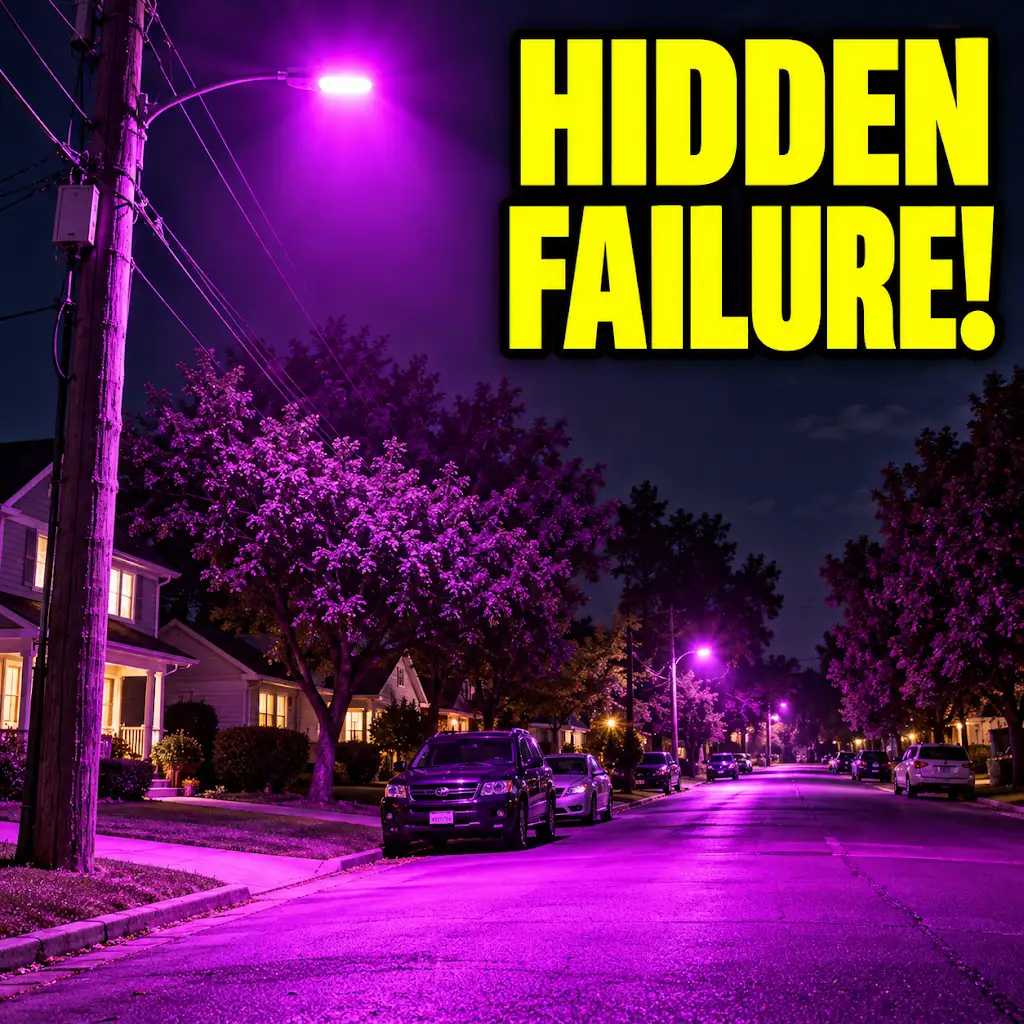
Why The Streetlights Are Turning Purple
FAQs
What is the significance of the purple light wavelength in streetlights?
The purple light wavelength in streetlights is known to have a calming effect on the surroundings, making it ideal for residential areas and parks.
How does the purple light wavelength affect visibility at night?
The purple light wavelength enhances contrast and depth perception, making objects easier to see in the dark compared to traditional white or yellow streetlights.
Are there any potential health benefits associated with the purple light wavelength in streetlights?
Some studies suggest that exposure to purple light wavelengths can help improve mood and reduce stress levels, contributing to overall well-being.
Do purple streetlights have any impact on wildlife or the environment?
Purple light wavelengths are less disruptive to nocturnal animals and insects compared to other types of artificial light, making them a more environmentally friendly option.
How does the energy efficiency of purple streetlights compare to traditional streetlights?
Streetlights emitting purple light wavelengths are often more energy-efficient, consuming less power and having a longer lifespan, which can lead to cost savings and reduced carbon emissions.