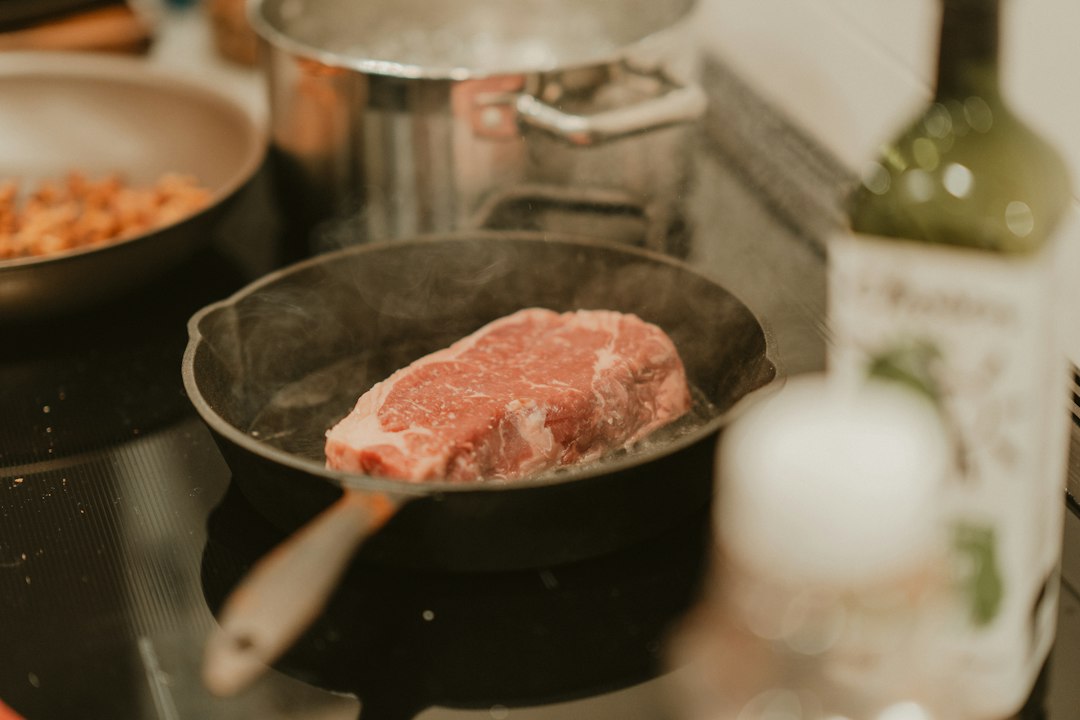
The culinary world often presents a seemingly simple fork in the road when it comes to cooking methods: dry heat or moist heat. While both are fundamental to transforming raw ingredients into palatable dishes, the subtle yet significant differences in their application, effects, and suitability for various foods are crucial for any aspiring or seasoned cook to understand. Grasping these distinctions empowers individuals to make informed choices that unlock the full potential of their ingredients, leading to superior textures, flavors, and overall dining experiences. This exploration delves into the core principles of dry and moist heat cooking, dissecting their mechanisms, highlighting their key differences, and illustrating their diverse applications across a wide spectrum of culinary endeavors.
The Science of Heat Transfer: How Food Responds
The fundamental difference between dry and moist heat cooking lies in the medium through which heat is transferred to the food. This medium dictates how quickly and deeply heat penetrates, and consequently, how the food’s structure, moisture content, and chemical compounds are altered. Understanding these scientific underpinnings is the first step to mastering either technique.
Dry Heat: Fostering Browning and Crispiness
Dry heat cooking methods rely on hot air or fat to cook food. The absence of water means that heat is transferred directly to the food’s surface, leading to characteristic browning and the development of crisp textures. This process is often accelerated by high temperatures, which promote the Maillard reaction – a complex series of chemical reactions between amino acids and reducing sugars that produces a vast array of flavor and aroma compounds. Without moisture to buffer the heat, the surface of the food can reach temperatures well above the boiling point of water, facilitating the rapid transformation of surface starches and proteins.
The Maillard Reaction and Caramelization: Unlocking Flavor
The Maillard reaction, often mistakenly referred to simply as browning, is a cornerstone of dry heat cooking. It begins at around 284°F (140°C) and is responsible for the rich, savory flavors and appealing brown hues found in seared steaks, roasted vegetables, and baked goods. Unlike caramelization, which involves the browning of sugars, the Maillard reaction requires both sugars and amino acids. The intricate dance of these molecules creates hundreds of different flavor compounds, contributing to the complex and desirable taste profiles we associate with expertly cooked food.
Caramelization, on the other hand, is the browning of sugars solely through heat. It occurs at higher temperatures than the initial stages of the Maillard reaction, typically starting around 320°F (160°C) for sucrose. Caramelization produces sweet, nutty, and sometimes slightly bitter flavors, depending on the extent of browning. While distinct, both reactions often occur simultaneously during dry heat cooking, contributing to the overall depth of flavor.
Moist Heat: Preserving Moisture and Tenderness
Moist heat cooking methods involve water or steam as the primary conductor of heat. This presence of moisture creates a gentler cooking environment, as the temperature is limited by the boiling point of water (212°F or 100°C) at standard atmospheric pressure. This lower maximum temperature is particularly beneficial for tenderizing tougher cuts of meat and preserving the natural moisture content of delicate ingredients. The steam or hot liquid envelops the food, ensuring even heat distribution and preventing the rapid drying out that can occur with dry heat.
The Role of Water: Hydration and Gelatinization
Water plays a crucial role in moist heat cooking, not only as a heat transfer medium but also in its interaction with food molecules. During moist heat cooking, water hydrates food, making it more pliable and accessible to heat. For starches, water is essential for gelatinization, a process where starch granules absorb water, swell, and eventually break down, thickening liquids and creating creamy textures. Proteins, too, are affected by water; they absorb it, which can lead to a more tender and succulent outcome, particularly in meats.
Steam, a gaseous form of water, is a particularly effective moist heat medium. It transfers heat efficiently and without dilution, allowing food to cook quickly while remaining remarkably moist. The energy contained within steam molecules is significantly higher than that of liquid water, making it a powerful and versatile cooking tool.
When exploring the differences between dry heat and moist heat cooking methods, it’s essential to understand how each technique affects the texture and flavor of food. For a deeper insight into these cooking methods, you can refer to a related article that discusses the science behind cooking techniques and their impact on various dishes. Check out this informative piece at Freaky Science for more details on how these methods can transform your culinary creations.
Key Differences in Application and Outcome
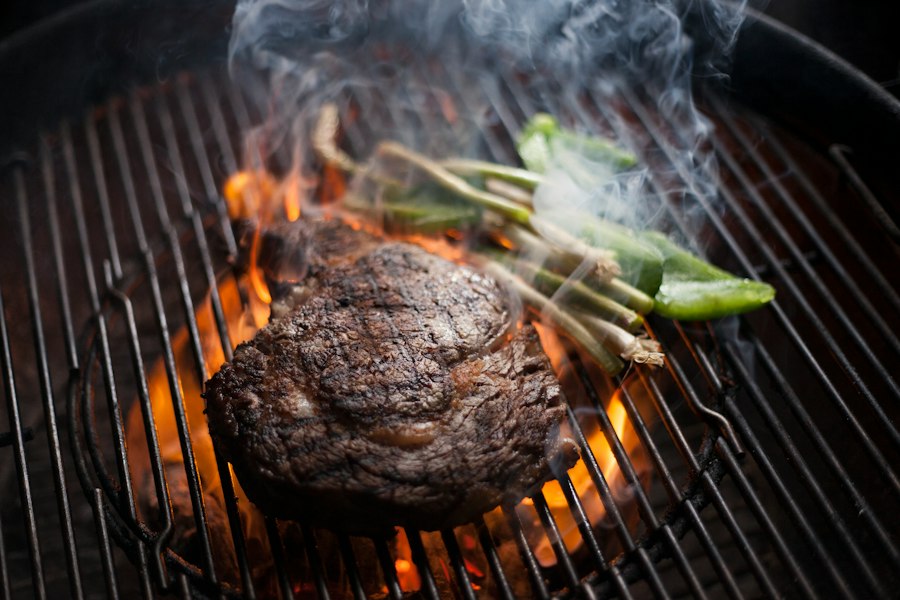
The contrasting mechanisms of dry and moist heat cooking lead to distinct outcomes in terms of texture, flavor development, and suitability for different food types. Recognizing these differences is paramount for selecting the appropriate cooking method to achieve desired results.
Texture Transformations: Crisp vs. Tender
Perhaps the most apparent difference between dry and moist heat cooking lies in the textural transformations they induce. Dry heat, with its high temperatures and direct contact, excels at creating crisp exteriors. Think of the crackling skin on roasted chicken, the golden crust on a baked potato, or the perfectly seared surface of a steak. This crispness is a result of water evaporating from the surface, leaving behind dehydrated starches and proteins that become rigid and brittle.
Conversely, moist heat cooking prioritizes tenderness and succulence. Slow-cooked stews, braised meats, and steamed vegetables are prime examples. The gentle heat and the presence of water prevent rapid dehydration, allowing connective tissues in meats to break down into gelatin, resulting in a melt-in-your-mouth texture. Delicate ingredients like fish and vegetables retain their moisture and pliability, avoiding the toughness that can arise from overexposure to dry heat.
Flavor Profiles: Complex Aromatics vs. Pure Ingredient Essence
The flavor development pathways also diverge significantly between dry and moist heat methods. Dry heat cooking, especially at higher temperatures, is a powerhouse for generating complex flavor compounds through the Maillard reaction and caramelization. The browning of sugars and amino acids creates a symphony of savory, nutty, and sweet notes that are often layered and nuanced. This is why a beautifully roasted piece of meat or a caramelized onion offers such a rich and satisfying taste experience.
Moist heat cooking, while not as adept at creating the complex aromatics of browning, excels at preserving and enhancing the inherent flavors of the ingredients themselves. When food is simmered in broth or steamed, its natural juices are retained, leading to a more concentrated and pure taste of the ingredient. The flavors of vegetables remain vibrant and fresh, and the subtle nuances of a piece of fish are not masked by the intense browning reactions. This method allows the inherent quality of the food to shine through.
When exploring the differences between dry heat and moist heat cooking methods, it’s essential to understand how each technique affects the texture and flavor of food. Dry heat cooking, such as roasting or baking, relies on hot air to cook food, resulting in a crispy exterior and concentrated flavors. In contrast, moist heat cooking methods, like steaming or boiling, use water or steam to transfer heat, often leading to tender and juicy results. For a deeper dive into the science behind these cooking techniques, you can check out this informative article on Freaky Science, which explains the principles that govern how different cooking methods impact the food we prepare.
Suitability for Different Foods: Meat Cuts, Vegetables, and More
The choice between dry and moist heat often hinges on the type and cut of the food being prepared. Tougher, less tender cuts of meat, such as brisket or beef chuck, benefit immensely from moist heat cooking methods like braising or stewing. The slow, gentle heat breaks down the tough collagen and connective tissues, transforming them into tender, gelatinous textures. Leaner, more tender cuts of meat, such as steak or pork tenderloin, are ideally suited for dry heat methods like grilling, searing, or roasting, where high heat quickly cooks the meat while developing a desirable crust.
Vegetables also respond differently to each heat type. Hearty root vegetables like potatoes and carrots can be roasted using dry heat to achieve a tender interior and a slightly caramelized exterior. More delicate vegetables, such as broccoli, asparagus, or leafy greens, are often best cooked with moist heat methods like steaming or blanching to preserve their vibrant color, crisp-tender texture, and nutritional integrity.
Baking, a form of dry heat cooking, is fundamental for creating breads, cakes, and pastries. The dry, circulating air promotes the setting of doughs and batters, leading to structures that are both firm and light. Similarly, frying, another dry heat method, relies on hot oil to rapidly cook the exterior of foods, creating a crispy coating while cooking the interior.
Common Cooking Methods: A Categorical Breakdown
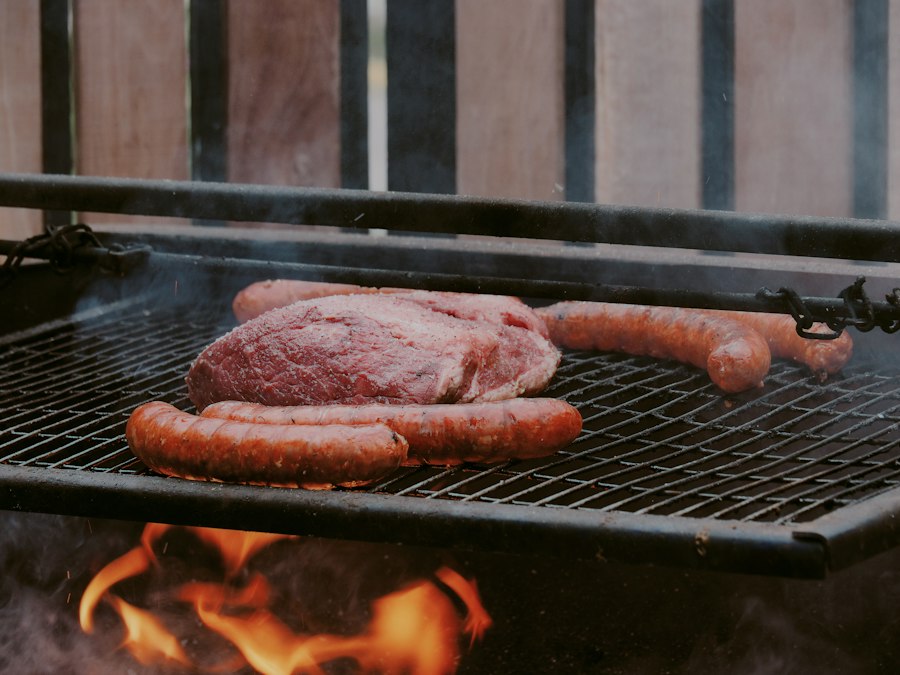
To solidify the understanding of dry versus moist heat, it is beneficial to categorize common cooking techniques under each umbrella. This provides practical examples and clarifies how these principles are applied in everyday cooking.
Dry Heat Techniques: Grilling, Roasting, Searing, and Baking
Grilling: Exposing food to direct heat from below, typically over charcoal, gas, or electric elements. The high, direct heat creates intense browning and smoky flavors, ideal for meats, poultry, fish, and vegetables.
Roasting: Cooking food in an oven with dry, circulating hot air. This method is excellent for larger cuts of meat, poultry, and root vegetables, allowing for even cooking and browning. The temperature can be adjusted to control the rate of browning and tenderness.
Searing: Cooking the surface of food at very high temperatures for a short period. This is often the first step in preparing steaks, chops, or roasts, creating a flavorful crust and sealing in juices before finishing with another cooking method.
Baking: Cooking food in an oven using dry, circulating hot air. This is the primary method for breads, cakes, cookies, pies, and casseroles, where heat transforms batter and dough into solid, often airy structures.
Frying: Submerging food in hot oil or fat. This includes deep-frying and pan-frying. The rapid heat transfer from the oil creates a crispy exterior and cooks the food quickly.
Moist Heat Techniques: Boiling, Simmering, Steaming, and Braising
Boiling: Cooking food in liquid at its boiling point (212°F or 100°C). This is a vigorous method often used for pasta, eggs, and some vegetables. While effective for cooking, it can sometimes lead to nutrient loss if the cooking liquid is discarded.
Simmering: Cooking food in liquid at a temperature just below boiling (typically 185-205°F or 85-96°C). This gentler method is ideal for soups, stews, sauces, and poaching delicate ingredients like fish or eggs. It allows for slower cooking and better flavor infusion.
Steaming: Cooking food with hot steam, usually over boiling water. This method is excellent for preserving nutrients, color, and texture in vegetables, fish, and dumplings. The steam cooks food gently and evenly without direct contact with water.
Braising: A combination cooking method where food is first seared in fat (dry heat) and then slowly cooked in a small amount of liquid (moist heat) in a covered pot or oven. This technique is perfect for tough cuts of meat, rendering them incredibly tender and flavorful.
Poaching: Gently cooking food in a liquid at a low temperature, well below boiling (typically 160-180°F or 71-82°C). This is ideal for delicate items like eggs, fish, and fruit, resulting in a very tender and moist product.
Choosing the Right Method for Optimal Results
The decision of whether to employ dry or moist heat cooking is not arbitrary; it is a strategic choice that directly influences the final outcome of a dish. A chef’s expertise lies in understanding the nuances of each method and applying them judiciously to highlight the best qualities of the ingredients.
Considering Ingredient Characteristics: Fat Content, Cut, and Delicate Nature
The inherent characteristics of an ingredient are primary drivers in selecting the appropriate cooking method. Foods with higher fat content, such as a ribeye steak or pork belly, can withstand the intense heat of dry methods like grilling or roasting, as the fat helps to keep them moist and flavorful. Conversely, lean meats or poultry, which can dry out quickly, might benefit from the more forgiving environment of moist heat cooking or a combination of both (e.g., searing then braising).
The cut of meat is also a critical consideration. Tougher cuts with
Why This Water Doesn’t Boil at 100°C
FAQs
What is dry heat cooking?
Dry heat cooking involves cooking food without the use of any moisture, typically by using methods such as baking, roasting, grilling, or frying.
What is moist heat cooking?
Moist heat cooking involves cooking food with the addition of liquid or steam, such as boiling, steaming, simmering, or braising.
How does dry heat cooking differ from moist heat cooking?
Dry heat cooking methods rely on hot air or direct heat to cook food, resulting in a crispy or caramelized exterior. In contrast, moist heat cooking methods use liquid or steam to cook food, resulting in a more tender and moist texture.
Which cooking methods fall under dry heat cooking?
Cooking methods such as baking, roasting, grilling, broiling, and frying are considered dry heat cooking methods because they do not involve the use of added liquids.
Which cooking methods fall under moist heat cooking?
Cooking methods such as boiling, steaming, simmering, braising, and stewing are considered moist heat cooking methods because they involve the use of liquid or steam to cook food.