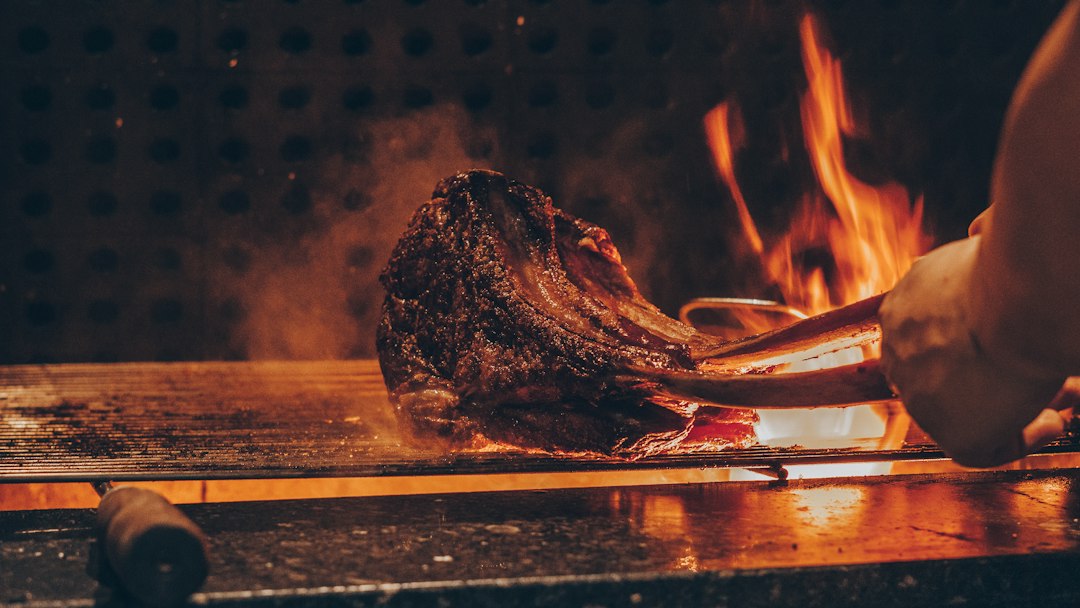
The Science Behind the Sizzle: Why Moist Heat Reigns Supreme for Tenderizing Tough Cuts
The quest for tender, succulent meat is as old as humanity’s mastery of fire. While grilling, broiling, and roasting have their undeniable appeal, seasoned cooks and culinary scientists alike understand a fundamental truth: when it comes to taming the toughness of certain cuts, moist heat methods consistently outperform their dry heat counterparts. This isn’t just a matter of preference; it’s rooted in the complex biochemical and physical transformations that occur within meat tissue when subjected to different forms of heat. Understanding these processes sheds light on why a slow-cooked pot roast or a braised short rib can achieve a level of tenderness unattainable through high-heat, dry cooking.
Toughness in meat primarily stems from connective tissues, particularly collagen, and the structural integrity of muscle fibers themselves. Dry heat, characterized by its direct exposure to air or radiant heat, tends to dehydrate the meat rapidly. This dehydration can cause muscle proteins to contract and toughen further, leading to a dry, chewy final product, especially when applied to cuts that are already lean and packed with connective tissue. Moist heat, on the other hand, involves the presence of water or other liquids during the cooking process, and this aqueous environment plays a pivotal role in breaking down those tough components.
Moist heat cooking methods, such as braising and stewing, are often recommended for tough cuts of meat because they help break down collagen and connective tissues, resulting in a more tender and flavorful dish. For a deeper understanding of the science behind this cooking technique, you can refer to a related article that explores the benefits of moist heat in meat preparation. To learn more, visit this article.
Unraveling the Mysteries of Connective Tissue Transformation
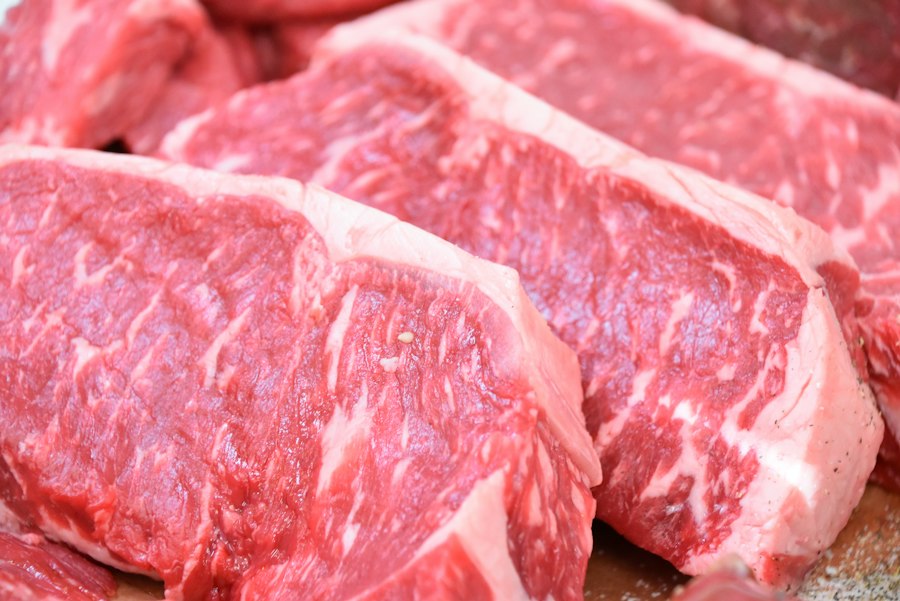
The primary culprit behind tough meat is an abundance of connective tissue, a network of proteins that provides structure and support to muscle fibers. Among these, collagen is the most significant player. Collagen is a strong, fibrous protein that is largely insoluble in water at room temperature. However, its behavior changes dramatically when exposed to heat in the presence of moisture.
The Magical Alchemy of Collagen Hydrolysis
Collagen hydrolysis is the cornerstone of moist heat tenderization. When meat is cooked at temperatures between 160°F (71°C) and 190°F (88°C) in a moist environment for an extended period, collagen undergoes a remarkable transformation. Water molecules, abundant in the cooking liquid, begin to attack the collagen’s triple-helix structure. This process, known as gelatinization, breaks down the tough, unyielding collagen into softer, more pliable gelatin.
Imagine collagen as a tightly woven rope. Dry heat can cause this rope to shrink and become even more rigid. Moist heat, however, acts like a gentle solvent. The water, facilitated by the heat, gradually loosens the bonds within the rope, unraveling it into strands that are no longer a cohesive, tough structure but rather a soft, gelatinous substance. This gelatin then lubricates the muscle fibers, contributing significantly to the perception of tenderness. The longer the meat cooks in this moist environment, the more collagen is converted into gelatin, leading to progressively more tender results. Cuts rich in collagen, such as chuck roast, brisket, and shanks, are prime candidates for moist heat cooking precisely because of this transformative potential.
The Role of Other Connective Tissues
While collagen is the star, other connective tissues also play a role. Elastin, another protein in connective tissue, is far more resistant to heat and acid degradation than collagen. Fortunately, elastin is present in much smaller quantities in most cuts of meat that are typically cooked using moist heat methods. For the most part, the toughness associated with elastin is not significantly reduced by cooking. However, the sheer abundance of collagen in tougher cuts, and its susceptibility to moist heat, often overwhelms the contribution of any resistant elastin, leading to an overall perception of tenderness.
Muscle Fiber Integrity Under Different Heat Regimes
Beyond connective tissue, the muscle fibers themselves contribute to texture. Muscle fibers are bundles of proteins, primarily actin and myosin. When dry heat is applied, particularly at high temperatures, these proteins rapidly denature and coagulate. This process causes the muscle fibers to shrink and contract forcefully, squeezing out moisture and leading to a tougher texture. Think of it like wringing out a sponge – the more you wring, the drier and firmer it becomes.
Moist heat, conversely, offers a gentler approach. While some protein denaturation still occurs, the presence of liquid prevents extreme dehydration and forceful contraction. The muscle fibers are enveloped in a warm, humid environment, allowing them to soften and relax rather than constrict. Furthermore, the gelatin formed from collagen acts as a lubricant between these fibers, further enhancing the feeling of tenderness and allowing the meat to yield easily when bitten.
The Unseen Power of Hydration: Preventing Dehydration and Enhancing Juiciness
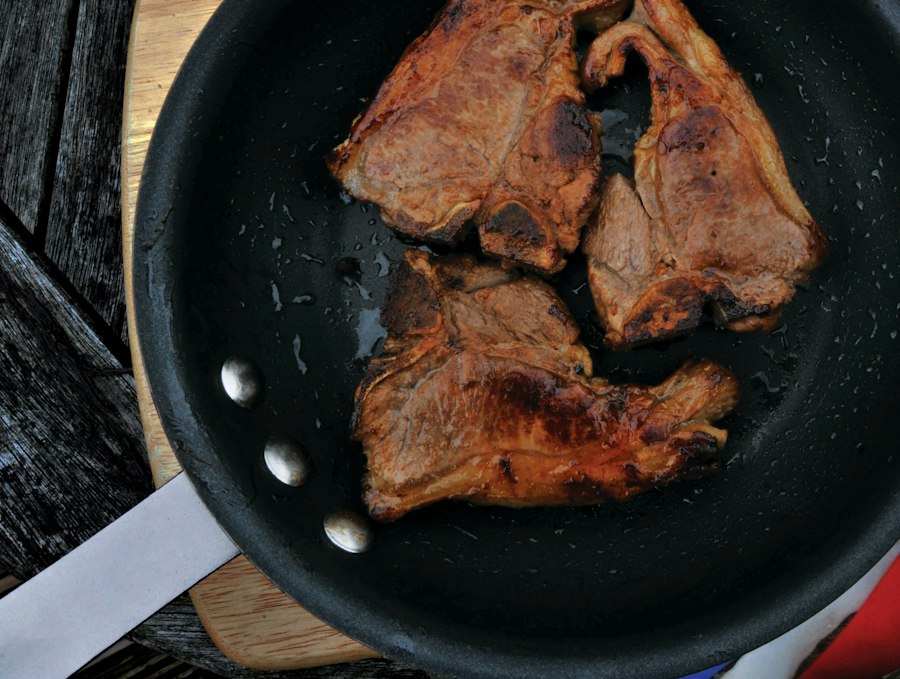
A critical difference between moist and dry heat cooking lies in their impact on the meat’s moisture content. Tough cuts, by their nature, often contain more connective tissue and less intramuscular fat (marbling), making them more prone to drying out during cooking.
Battling the Evaporative Threat of Dry Heat
Dry heat methods, such as grilling, roasting, or pan-searing without added liquid, rely on the evaporation of water from the meat’s surface to cook it. While this evaporation can contribute to desirable browning and flavor development (the Maillard reaction), it also leads to a significant loss of internal moisture. For a cut that already struggles to retain moisture, this rapid dehydration can be catastrophic, rendering the meat tough, dry, and unappetizing. The proteins within the muscle fibers, deprived of their surrounding liquid, become tightly packed and seize up.
The Protective Embrace of the Cooking Liquid
Moist heat cooking, by definition, involves immersing the meat in or exposing it to a liquid – be it water, broth, wine, or stock. This liquid acts as a protective barrier, significantly reducing the rate of evaporation from the meat’s surface. While some moisture loss is inevitable, it is far less pronounced than in dry heat methods. This sustained hydration is crucial for maintaining the integrity of the muscle fibers and preventing them from becoming desiccated.
Moreover, the cooking liquid itself can contribute to the overall juiciness of the finished product. As the meat cooks, it releases its own flavorful juices into the liquid, and conversely, the liquid can permeate the meat, adding moisture and flavor from the outside in. This creates a self-reinforcing cycle of juiciness, particularly important for cuts that might otherwise be lean and dry.
Flavor Infusion: Beyond Just Tenderness
While tenderness is a primary benefit of moist heat, its advantages extend to flavor development and infusion as well. The presence of liquid in moist heat cooking offers a unique canvas for culinary creativity.
The Maillard Reaction and Beyond in Aqueous Environments
The Maillard reaction, responsible for the browning and complex flavor notes in cooked meats, is a chemical reaction between amino acids and reducing sugars that occurs at higher temperatures. While it can occur in moist heat cooking, it is often slower and less intense than in dry heat methods where surfaces reach higher temperatures. However, moist heat methods excel in other flavor-building processes.
Braising and stewing, for instance, involve simmering meat in aromatic liquids for extended periods. This prolonged exposure allows for the gradual infusion of flavors from the liquid – herbs, spices, vegetables, and even the meat’s own rendered juices – deep into the muscle tissue. This is a far more thorough flavor penetration than can be achieved through the surface-level browning of dry heat. The low and slow nature of moist heat allows these flavors to meld and develop, creating a rich, complex taste profile that is characteristic of dishes like a hearty beef stew or a classic coq au vin.
The Synergy of Fat and Flavor in Liquid
Tougher cuts often possess a good amount of intramuscular fat, which contributes to both flavor and moisture. In dry heat cooking, particularly at high temperatures, this fat can render and drip away, leading to a loss of both flavor and juiciness. Moist heat, however, allows this rendered fat to emulsify into the cooking liquid, creating a rich, flavorful sauce or gravy. This not only adds a delectable layer of taste but also contributes to the mouthfeel and overall satisfaction of the dish. The fat, rendered and dispersed within the liquid, contributes to a more luxurious and integrated flavor profile.
When it comes to cooking tough cuts of meat, using moist heat methods can significantly enhance tenderness and flavor. This is because moist heat helps break down the collagen in the meat, resulting in a more palatable texture. For a deeper understanding of the science behind this cooking technique, you can explore a related article that delves into the benefits of moist heat cooking at Freaky Science. By incorporating these methods into your culinary repertoire, you can transform even the toughest cuts into delicious, melt-in-your-mouth dishes.
Practical Applications: When to Choose Moist Heat
| Metric | Moist Heat | Dry Heat | Explanation |
|---|---|---|---|
| Collagen Breakdown | High (due to prolonged moisture and heat) | Low (requires higher temperatures, less effective) | Moist heat converts collagen into gelatin, tenderizing tough meat. |
| Cooking Time | Long (slow cooking) | Shorter (high heat) | Slow cooking allows connective tissues to break down without drying out meat. |
| Moisture Retention | High | Low | Moist heat prevents meat from drying, keeping it juicy and tender. |
| Temperature Range | Low to moderate (160-205°F / 70-96°C) | High (300°F+ / 150°C+) | Lower temperatures in moist heat prevent toughness and dryness. |
| Flavor Development | Rich, deep flavors from slow cooking | Caramelized, roasted flavors | Moist heat enhances savory flavors by breaking down proteins and fats slowly. |
| Best Cooking Methods | Braising, stewing, slow cooking | Grilling, roasting, broiling | Moist heat methods are ideal for tough cuts with lots of connective tissue. |
The principles discussed above have direct implications for everyday cooking. Understanding when to opt for moist heat can transform challenging cuts of meat into culinary triumphs.
Embracing the Slow Cook: Braising and Stewing
Braising and stewing are quintessential moist heat methods that are perfectly suited for tough, collagen-rich cuts. These techniques involve searing the meat first to develop some surface flavor,

Why This Water Doesn’t Boil at 100°C
FAQs
1. Why is moist heat better for tough meat?
Moist heat helps break down the connective tissues in tough meat, making it more tender and easier to chew.
2. What cooking methods use moist heat?
Cooking methods that use moist heat include braising, stewing, and simmering. These techniques involve cooking meat in liquid at low temperatures for an extended period of time.
3. How does moist heat affect the flavor of tough meat?
Moist heat helps infuse the meat with the flavors of the cooking liquid, resulting in a more flavorful end product. It also helps the meat retain its natural juices, preventing it from drying out.
4. Can tough meat be tenderized using other cooking methods?
Tough meat can also be tenderized using dry heat methods such as grilling or roasting, but these methods are more suitable for cuts of meat that are already tender. For tougher cuts, moist heat is generally more effective.
5. Are there any tips for using moist heat to cook tough meat?
For best results, it is recommended to sear the meat before cooking it with moist heat to enhance the flavor and texture. Additionally, using flavorful liquids such as broth, wine, or marinades can further enhance the taste of the meat.