The Alchemy of Heat: Unraveling Connective Tissue’s Transformation in Cooked Meat
The sizzle of a steak on a hot grill, the comforting aroma of a slow-cooked stew, the succulent tenderness of pulled pork – these are sensory experiences deeply ingrained in our culinary traditions. At the heart of these transformations lies the intricate behavior of connective tissue within meat when subjected to heat. It is not merely the muscle fibers themselves that dictate the final texture and palatability of cooked meat; the extracellular matrix, predominantly composed of collagen, plays an equally crucial role. Understanding how heat breaks down this structural scaffolding is key to unlocking the secrets of achieving perfect tenderness and flavor in a wide array of dishes. This article delves into the science behind this remarkable process, exploring the chemical and physical changes that occur within connective tissue during cooking.
Connective tissue plays a crucial role in maintaining the structure and function of various organs and systems in the body, and its breakdown can be influenced by various factors, including heat. When exposed to high temperatures, the proteins within connective tissue can denature, leading to a loss of elasticity and strength. For a deeper understanding of how heat affects connective tissue and the implications for health and fitness, you can read more in this related article on Freaky Science.
The Molecular Architecture of Connective Tissue
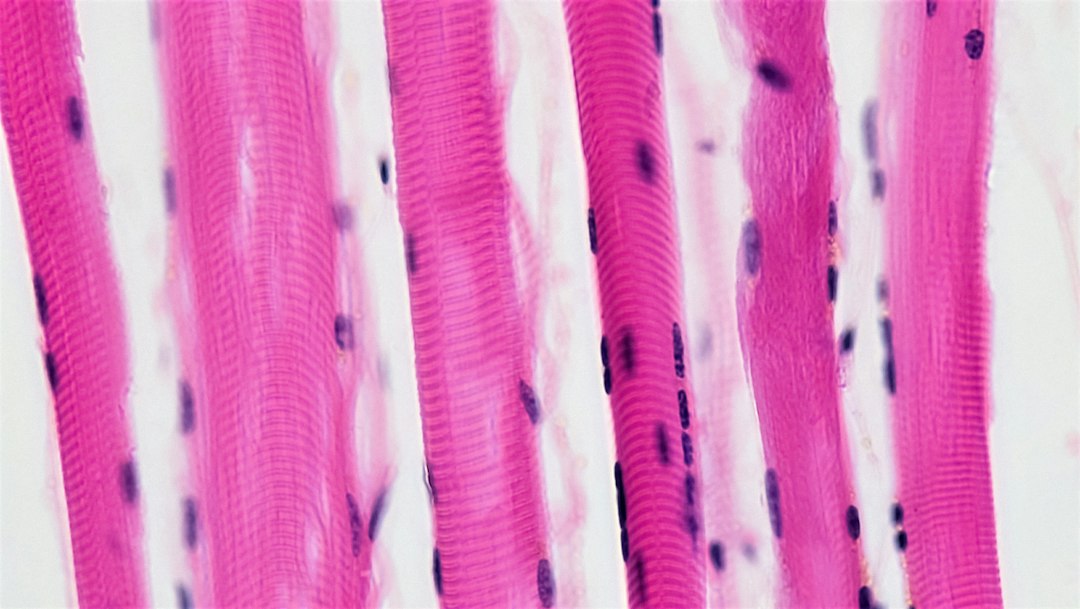
To appreciate the impact of heat, one must first understand the fundamental building blocks of connective tissue in meat. This non-contractile component provides structural integrity to muscles, anchors them to bones, and facilitates communication between cells. It is a complex matrix primarily composed of proteins, with collagen being the most abundant and significant player in determining meat’s texture.
The Dominance of Collagen
Collagen is a fibrous protein, renowned for its strength and resilience. It is synthesized by specialized cells called fibroblasts and secreted as tropocollagen molecules. These tropocollagen units then self-assemble into larger structures called collagen fibrils. These fibrils further aggregate to form even thicker collagen fibers, which are then bundled together to create the robust connective tissue networks found throughout muscle tissue.
Tropocollagen: The Fundamental Unit
At its molecular core, tropocollagen is a triple helix, meaning three polypeptide chains, each rich in the amino acids glycine, proline, and hydroxyproline, are wound around each other. This specific amino acid composition and the resulting helical structure are critical for collagen’s stability and tensile strength. The presence of hydroxyproline, an unusual amino acid derived from proline, is particularly important for the formation of strong hydrogen bonds between the three chains, further reinforcing the triple helix. These molecules are held together by cross-links, covalent bonds that further strengthen the collagen structure and make it resistant to mechanical stress and enzymatic breakdown.
Fibrils and Fibers: Building Strength
The staggered arrangement of tropocollagen molecules within a fibril creates a micro-fibrillar structure. This arrangement, coupled with the aforementioned cross-links, endows the collagen fibril with remarkable tensile strength. Imagine a tightly woven rope; each individual strand is relatively weak, but when twisted and bound together, they form a strong and resilient cord. Collagen fibrils function similarly, their collective strength far exceeding that of individual tropocollagen units. These fibrils then group together to form larger collagen fibers, which are visible even to the naked eye. These fibers are organized into bundles, forming the macroscopic connective tissue that envelops muscle bundles (fascicles) and encloses entire muscles.
Other Key Components of Connective Tissue
While collagen reigns supreme in its impact on meat texture, other components contribute to the overall structure and function of connective tissue. Elastin, another fibrous protein, is more elastic and less abundant than collagen. It allows tissues to stretch and recoil, providing flexibility. However, elastin is far more resistant to heat degradation than collagen and can contribute to toughness in overcooked meat. Ground substance, also known as the extracellular matrix, fills the spaces between fibers. It is a gel-like material composed of proteoglycans and glycosaminoglycans (GAGs), which help to hydrate the tissue and provide lubrication. While these components are affected by heat, their textural impact is secondary to that of collagen.
The Impact of Heat on Collagen’s Structure
The application of heat triggers a cascade of molecular events that fundamentally alter the structure and properties of collagen, ultimately leading to the desirable tenderness observed in well-cooked meat. This process is not instantaneous and depends on several factors, including temperature, time, and the presence of moisture and acids.
Denaturation: The Initial Unraveling
As the temperature of the meat increases, the weak hydrogen bonds that stabilize the collagen triple helix begin to break. This process is known as denaturation. At temperatures typically above 60-70°C (140-158°F), the tropocollagen molecules start to lose their ordered helical structure and begin to unwind into more disordered polypeptide chains. This initial unwinding is analogous to unzipping a zipper. The characteristic triple helix configuration unravels, and the protein structure becomes more amorphous. This is a crucial first step, as it makes the collagen more susceptible to further breakdown.
Temperature Thresholds and Rates of Denaturation
The exact temperature at which collagen denaturation begins and proceeds at a significant rate is influenced by the type of collagen and the surrounding environment. Different types of collagen, such as Type I (predominant in muscle), Type II (found in cartilage), and Type III (found in blood vessel walls), have slightly different amino acid compositions and cross-linking patterns, which can affect their thermal stability. For instance, collagen in older animals or in connective tissues that are more heavily used tends to be more cross-linked and thus more resistant to heat. In general, however, significant denaturation of collagen in meat begins to occur in the range of 60°C to 70°C. The rate of denaturation increases with higher temperatures. A steak cooked to medium-rare (around 57°C or 135°F) will still retain a significant amount of intact collagen, contributing to its firmer texture. As the temperature rises towards medium (around 63°C or 145°F) and well-done (above 71°C or 160°F), more extensive denaturation occurs.
Gelatinization: The Transformation to Gelatin
As the collagen triple helices continue to unravel and break down under sustained heat, the exposed polypeptide chains, particularly those rich in glycine, proline, and hydroxyproline, undergo a further transformation. The hydrogen bonds between the amino acids within the chains, and between the chains themselves, are replaced by interactions with water molecules. This process, known as hydration or solubilization, leads to the formation of gelatin. Gelatin is a colloidal gel that is soft, pliable, and water-soluble. It is essentially a disorganized, partially hydrolyzed form of collagen.
The Role of Water and Acids
The presence of water is absolutely critical for gelatinization. Without sufficient moisture, the unwound collagen chains cannot effectively interact with water molecules, and the formation of gelatin will be hindered. This is why moist-heat cooking methods, such as braising, stewing, and simmering, are so effective at tenderizing tough cuts of meat. These methods keep the meat surrounded by water, facilitating the hydration and solubilization of collagen. Acids, such as those found in vinegar, wine, or citrus juices, can also accelerate the breakdown of collagen. Acids can catalyze the hydrolysis of peptide bonds within the collagen molecule, further assisting in its breakdown and conversion to gelatin. This is why marinades containing acidic ingredients are often used to tenderize meat.
Time as a Critical Factor
While temperature is a primary driver, time also plays a crucial role in the extent of collagen breakdown. Even at temperatures conducive to gelatinization, a certain amount of time is required for the structural changes to occur. Low-and-slow cooking methods, which maintain a moderate temperature for extended periods, allow ample time for the collagen to denature and gelatinize, resulting in exceptionally tender meat. This is the principle behind slow-roasting and braising tough cuts. A short cooking time, even at a higher temperature, may not provide sufficient opportunity for thorough collagen breakdown, leaving the meat tougher.
The Textural Consequences of Connective Tissue Breakdown
The transformation of tough, fibrous collagen into soft, gelatinous strands has a profound and desirable impact on the texture of cooked meat, transforming it from chewy to tender and succulent. This change is not solely about the absence of toughness; it involves the creation of a new textural experience.
From Toughness to Tenderness
The network of strong, cross-linked collagen fibers in raw meat acts as a rigid scaffold, resisting deformation and contributing to toughness. As heat denatures and gelatinizes collagen, this rigid network is dismantled. The tightly bound collagen fibers break apart and become a more pliable, gelatinous matrix. This allows the muscle fibers themselves to slide past each other more easily when the meat is chewed, leading to the sensation of tenderness. Imagine biting into a raw piece of string versus a piece of cooked jelly; the difference in resistance to pressure is stark. The gelatin formed also lubricates the muscle fibers, further enhancing the perception of tenderness and juiciness.
The Role of Muscle Cut and Age
The amount and type of connective tissue vary significantly between different cuts of meat. Cuts that are from muscles that are heavily used, such as the shank or brisket, will have a higher proportion of connective tissue and will be tougher in their raw state. Conversely, cuts from less-used muscles, like the tenderloin, have less connective tissue and are naturally more tender. The age of the animal also plays a role. Older animals tend to have more cross-linking in their collagen, making it more resistant to heat breakdown, and thus their meat is generally tougher. This is why slow-cooking methods are particularly beneficial for tougher, older cuts.
Juiciness and Mouthfeel: The Gelatin Factor
The gelatin that is formed during the cooking process is hydrophilic, meaning it has a strong affinity for water. As collagen breaks down, the trapped moisture within the meat is released. However, the newly formed gelatin acts like a sponge, absorbing and holding onto a significant portion of this released water. This retained moisture contributes directly to the juiciness of the cooked meat. When you bite into a piece of meat where collagen has effectively gelatinized, the moisture is released, creating a sensation of succulence and richness in the mouth. Without this gelatinization, the moisture would simply drip away, leaving the meat dry and less appealing. The smooth, lubricated mouthfeel, a characteristic of well-cooked, tender meat, is a direct result of the gelatin coating the muscle fibers.
Connective tissue plays a crucial role in maintaining the structural integrity of various organs and systems in the body, and understanding how it breaks down with heat can provide valuable insights into health and wellness. For a deeper exploration of this topic, you might find it interesting to read a related article that discusses the effects of temperature on biological tissues. This article delves into the biochemical processes involved and highlights the implications for both physical therapy and athletic performance. To learn more about these fascinating interactions, you can visit this informative page.
Factors Influencing Connective Tissue Breakdown
| Temperature (°C) | Connective Tissue Component | Effect of Heat | Time Required for Breakdown | Resulting Texture |
|---|---|---|---|---|
| 40-50 | Collagen | Beginning of collagen denaturation | Several hours | Minimal softening |
| 55-60 | Collagen | Collagen converts to gelatin | 1-2 hours | Increased tenderness |
| 65-70 | Elastin | Elastin begins to break down (slowly) | Several hours | Moderate softening |
| 70-80 | Collagen & Elastin | Complete collagen gelatinization; partial elastin breakdown | 2-4 hours | Very tender, moist texture |
| Above 80 | Connective Tissue | Elastin remains mostly intact; collagen fully gelatinized | 4+ hours | Soft but some toughness due to elastin |
While heat is the primary catalyst, several other factors can influence the rate and extent of connective tissue breakdown, allowing cooks to fine-tune their results and achieve specific textural outcomes. Understanding these variables empowers the cook to manipulate the cooking process for optimal tenderness.
Moisture: The Essential Solvent
As previously mentioned, moisture is paramount. Cooking methods that employ steam or submerge the meat in liquid, such as braising, stewing, and poaching, provide an ideal environment for collagen breakdown. The water acts as a medium for heat transfer and facilitates the hydration and solubilization of collagen into gelatin. Dry-heat methods, like grilling and roasting, can still lead to collagen breakdown, but it is often a slower and less complete process, especially for tougher cuts, unless extended cooking times are employed. The moisture retained within the meat during these dry-heat methods is also crucial; if the meat dries out too much, collagen breakdown can be inhibited.
The Importance of Covering and Braising Liquids
In moist-heat cooking, ensuring adequate liquid levels is vital. For braising and stewing, the liquid should ideally come up at least halfway to two-thirds of the way up the side of the meat. This ensures that the meat is consistently exposed to moisture and steam, promoting efficient heat transfer and collagen breakdown. Covering the pot tightly is also essential to trap steam and prevent excessive evaporation, maintaining the humid environment needed for gelatinization. Even in roasting, basting the meat periodically with its own juices or a sauce can help to keep the surface moist and aid in the breakdown of any surface connective tissue.
Acidity: The Chemical Accelerator
The presence of acidic ingredients can significantly speed up the breakdown of collagen. Acids, such as vinegar, lemon juice, wine, buttermilk, and yogurt, work by catalyzing the hydrolysis of peptide bonds within the collagen molecule. This effectively breaks down the long collagen chains into smaller, more soluble fragments. This is why marinades often contain acidic components.
Marinades and Acidic Ingredients
When marinating meat, especially tougher cuts, incorporating acidic elements can make a noticeable difference in tenderness. The acid penetrates the meat and begins to break down the collagen even before cooking. However, it is important to note that excessive marination times in highly acidic solutions can lead to an undesirable mushy texture, as the acid can also begin to break down the muscle proteins themselves. Therefore, a balance is key. Similarly, adding acidic liquids to braising or stewing liquids can further enhance the tenderizing effect of the cooking process.
Time and Temperature Interaction: The Cooking Continuum
The interplay between time and temperature is perhaps the most critical factor in achieving optimal connective tissue breakdown. Low temperatures maintained for extended periods are highly effective, as are higher temperatures for shorter durations, provided sufficient time is allowed for the denaturation and gelatinization processes to complete.
Low-and-Slow vs. High-Heat Cooking
Low-and-slow cooking, typically at temperatures between 120-160°C (250-325°F), is ideal for tough cuts like brisket, ribs, or chuck roast. At these lower temperatures, the muscle fibers themselves cook gently, minimizing shrinkage and moisture loss, while the extended time allows for thorough collagen breakdown into gelatin. This results in meat that is exceptionally tender and moist. High-heat cooking, such as searing or grilling at temperatures above 200°C (400°F), can quickly brown the exterior of the meat, creating desirable Maillard reaction flavors. However, for tenderizing connective tissue, these methods often require longer cooking times at a lower internal temperature to allow for adequate collagen breakdown. A quick sear followed by a slow braise, or cooking a roast at a moderate temperature for an extended period after an initial sear, leverages both browning and tenderization.
The Unintended Consequences: When Connective Tissue Becomes Tougher
While the breakdown of collagen is generally desirable for achieving tenderness, there are scenarios where connective tissue can contribute to toughness, particularly when the cooking process is not optimized. Understanding these exceptions helps in avoiding textural pitfalls.
Elastin’s Resilience: The Unyielding Fiber
While collagen is susceptible to heat, elastin, the other major fibrous protein in connective tissue, is remarkably resistant. Elastin’s function is to

Why This Water Doesn’t Boil at 100°C
FAQs
1. Can heat cause connective tissue to break down?
Yes, heat can cause connective tissue to break down. When exposed to high temperatures, the collagen fibers in connective tissue can denature and lose their structure, leading to a breakdown of the tissue.
2. What happens to collagen when connective tissue is heated?
When connective tissue is heated, the collagen molecules undergo a process called denaturation. This causes the collagen fibers to unravel and lose their normal structure, resulting in the breakdown of the tissue.
3. At what temperature does connective tissue start to break down with heat?
Connective tissue can start to break down at temperatures above 140°F (60°C). At this temperature, the collagen fibers in the tissue begin to denature, leading to a weakening and breakdown of the tissue.
4. How does heat affect the elasticity of connective tissue?
Heat can reduce the elasticity of connective tissue by causing the collagen fibers to lose their structure. As the collagen denatures and breaks down, the tissue becomes less flexible and more prone to damage.
5. What are the effects of heat-induced breakdown of connective tissue on the body?
The breakdown of connective tissue due to heat can lead to decreased joint stability, reduced muscle support, and increased risk of injury. It can also affect the overall function and integrity of the tissues in the body.