The culinary world often grapples with balancing efficiency and safety, and few appliances exemplify this dynamic quite like the pressure cooker. While celebrated for its ability to drastically reduce cooking times and tenderize tough ingredients, the pressure cooker demands a precise understanding of its operating principles. Central to its safe and effective function is the concept of minimum liquid. Without sufficient liquid, a pressure cooker cannot build the necessary steam pressure, leading to a cascade of potential problems that compromise both the quality of the food and the integrity of the appliance. This article delves into the science behind why pressure cookers require a minimum amount of liquid for proper cooking and, crucially, for safety.
The Science of Steam and Pressure
At its core, a pressure cooker is a sealed vessel designed to trap steam. When liquid within the cooker is heated, it evaporates and transforms into steam. Because the cooker is sealed, this steam cannot escape. As more steam is generated, it occupies the available space within the pot, increasing the internal pressure. This elevated pressure has a profound effect on the boiling point of water.
Water’s Boiling Point and Pressure Dynamics
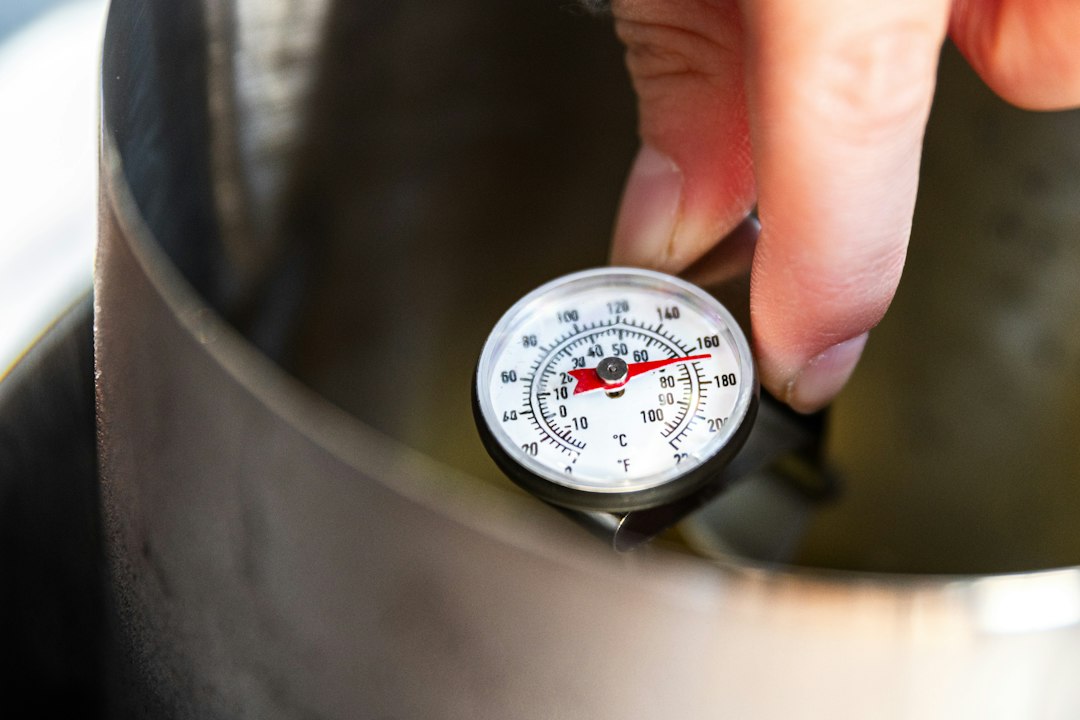
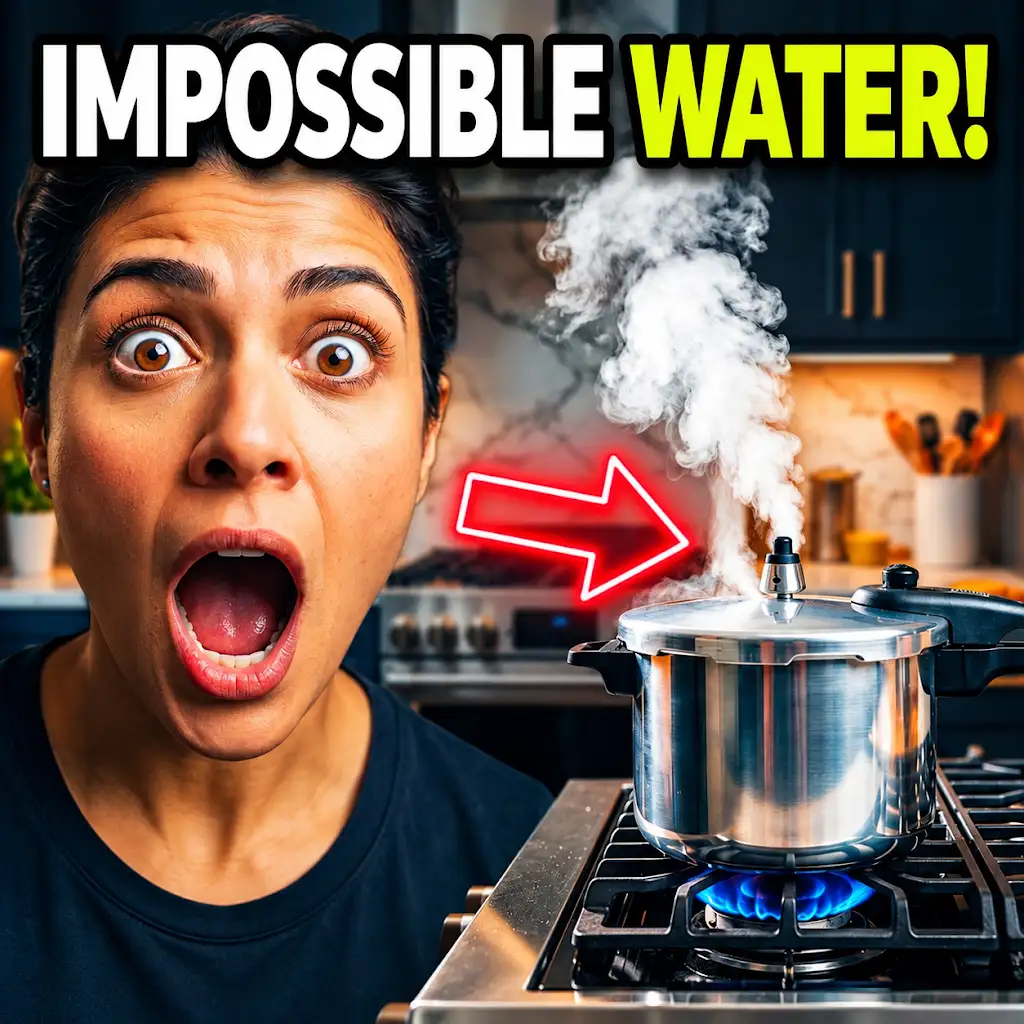
Water boils at 100 degrees Celsius (212 degrees Fahrenheit) at standard atmospheric pressure. However, in a pressure cooker, the increasing steam pressure significantly raises this boiling point. At typical operating pressures for stovetop pressure cookers (around 15 psi above atmospheric pressure), water can reach temperatures of 121 degrees Celsius (250 degrees Fahrenheit) or even higher. This superheated steam is the primary agent of rapid cooking. The intense heat and the pressure combine to force moisture into food, breaking down fibers and cooking ingredients at a rate far exceeding conventional methods.
The Role of Evaporation
The generation of steam is entirely dependent on the presence of liquid that can evaporate. If the amount of liquid is insufficient, the heat applied to the cooker will primarily be absorbed by the solid food and the metal of the pot itself. Without enough liquid to convert into steam, the internal pressure will not rise to the point where the cooker is considered pressurized. This failure to pressurize is not merely an inconvenience; it directly impacts the safety mechanisms designed to operate under pressure.
Pressure Regulation Mechanisms
Modern pressure cookers are equipped with safety valves and pressure regulators. These mechanisms are calibrated to function within a specific pressure range. If the pressure does not reach the minimum threshold, these safety features may not engage correctly, or they might offer a false sense of security. Understanding how these components interact with the internal pressure is key to appreciating the necessity of adequate liquid. The pressure regulator, for example, is designed to vent excess steam once a specific pressure is reached, preventing the cooker from becoming over-pressurized. If there isn’t enough steam to reach this point, the regulator remains inactive, and the cooker simply doesn’t achieve its intended cooking environment.
A pressure cooker requires a minimum amount of liquid to function properly, as it relies on steam to build pressure and cook food efficiently. Without sufficient liquid, the cooker may not generate enough steam, leading to inadequate cooking or even potential damage to the appliance. For a deeper understanding of the science behind pressure cooking and the importance of liquid, you can read a related article on this topic at Freaky Science.
Consequences of Insufficient Liquid
The absence of the minimum required liquid in a pressure cooker doesn’t just mean your food won’t cook properly; it opens the door to a range of safety hazards. These consequences stem from the failure to build pressure and the potential for localized overheating.
Food Burning and Sticking
One of the most immediate consequences of too little liquid is the risk of food burning and sticking to the bottom of the pot. Without a liquid barrier to distribute heat evenly, the intense direct heat can scorch ingredients, particularly those at the bottom. This not only ruins the food but can also create a sticky, difficult-to-clean residue that can damage the cooker’s interior. In severe cases, burnt-on food can even impede the proper functioning of safety valves.
Uneven Cooking and Undercooking
Conversely, while parts of the food might burn, other parts can remain stubbornly undercooked. The high-pressure steam environment is essential for penetrating and cooking food efficiently. If this environment isn’t created, the cooking process reverts to something closer to conventional steaming or stewing, but without the necessary volume of liquid to ensure even heat distribution and moisture penetration. This leads to a frustrating and potentially unappetizing outcome where some components are overdone and others are still raw.
Overheating of the Pot and Components
When there’s insufficient liquid, the metal of the pressure cooker itself can overheat. This can lead to warping of the pot, damage to the gasket, and in extreme cases, could even compromise the structural integrity of the cooker. The gasket, a crucial component for creating a tight seal, is particularly vulnerable to damage from excessive dry heat. A damaged gasket can lead to steam leaks, reducing cooking efficiency and potentially creating a safety hazard.
Damage to the Pressure Regulator and Valves
The pressure regulator and safety valves are designed to operate within a specific pressure range. If the pressure doesn’t build sufficiently due to a lack of liquid, these mechanisms may not function as intended. Furthermore, burnt food particles or residue can clog these vital safety components, preventing them from releasing excess pressure when needed. This is a critical safety concern, as a clogged valve can lead to dangerous pressure buildup.
The Minimum Liquid Requirement: Why It’s Crucial
The minimum liquid requirement is not an arbitrary guideline; it’s a scientifically determined threshold essential for safe and effective operation. This minimum is typically specified by the manufacturer and is usually stated in the user manual. Adhering to this guideline ensures that the cooker can perform its intended function without compromising safety.
Facilitating Steam Generation
The primary role of the minimum liquid is to provide the necessary water molecules that can be converted into steam. Even if the recipe calls for a relatively dry cooking method, such as braising or stewing, the liquid acts as the engine for building pressure. Without this steam, the cooking process is fundamentally altered, and the benefits of pressure cooking are lost. Manufacturers carefully calculate this minimum based on the cooker’s size, material, and design to ensure consistent and safe operation.
Maintaining Optimal Cooking Temperature
As discussed earlier, the pressure generated by steam is what elevates the boiling point of water. This higher temperature is key to the rapid cooking characteristic of pressure cookers. The minimum liquid ensures that enough steam is produced to maintain this elevated temperature throughout the cooking cycle. If the liquid level drops too low, the temperature within the cooker will also decrease, negating the primary advantage of using a pressure cooker in the first place.
Preventing Dry Cooking and Scorching
The presence of liquid also serves as a buffer against dry cooking and scorching. It helps to distribute heat evenly throughout the pot, preventing localized hot spots that can burn food. This is especially important for delicate ingredients or when cooking smaller batches where the ratio of food to liquid might be higher. The liquid acts as a heat transfer medium, ensuring that the energy from the burner is effectively and safely applied to the food.
Ensuring Proper Function of Safety Devices
Perhaps the most critical aspect of the minimum liquid requirement is its role in ensuring the proper functioning of the cooker’s safety mechanisms. The pressure regulator and relief valves are designed to operate when a specific internal pressure is reached. This pressure can only be achieved and maintained if there is sufficient steam, which in turn requires a minimum amount of liquid. Without this, the safety devices may not engage, leaving the cooker in a potentially hazardous state. The manufacturer’s specified minimum liquid amount is therefore a direct reflection of the engineering required for the safety systems to operate as intended.
Understanding Manufacturer Guidelines and Recipes
The best way to ensure safe and effective pressure cooking is to understand and follow the guidelines provided by the appliance’s manufacturer and the specific recipe being used. These guidelines are not suggestions; they are based on rigorous testing and safety protocols.
User Manuals: The Definitive Source
Every pressure cooker comes with a user manual, and this document is the ultimate authority on its operation. The manual will clearly state the minimum liquid requirements for the specific model. It will also detail how to check the liquid level, how to use the safety features, and what to do in various situations. Ignoring the user manual is a common pitfall that can lead to both poor cooking results and safety issues. Always refer to it for any operational questions.
Recipe-Specific Liquid Needs
While there’s a general minimum liquid requirement for the cooker itself, individual recipes can influence the amount of liquid needed. Some recipes, like soups or stews, naturally call for a significant amount of liquid. Others, like braises or dishes involving dried ingredients that will absorb liquid, might require careful attention to ensure the minimum is met and that there’s enough liquid to cook the ingredients without them sticking or burning. It is crucial to assess if the recipe’s liquid content meets or exceeds the cooker’s minimum requirement. If a recipe seems unusually low on liquid, it’s wise to add a small amount of water or broth to ensure the pressure cooker’s minimum is met, even if it slightly alters the final consistency.
Adjusting for Different Cookware Types
It’s important to note that different types of pressure cookers—stovetop versus electric, and even different brands of stovetop cookers—may have slightly different minimum liquid requirements. Electric pressure cookers often have more sophisticated sensors and heating elements, which can influence their liquid needs. Stovetop models rely more directly on the user to manage heat and liquid. Always consult the manual for the specific model being used. Furthermore, the size of the pressure cooker can also play a role; larger cookers might require proportionally more liquid to build adequate pressure.
The Importance of Measuring
Accurate measurement of ingredients, especially liquid, is paramount. Eyeballing the liquid level can be misleading. Use measuring cups and spoons to ensure you are meeting the minimum requirement. Remember that some ingredients, like vegetables, will release their own moisture during cooking, but this should not be relied upon to meet the initial minimum liquid requirement for steam generation. The initial liquid added is what initiates the pressurized cooking environment.
Understanding why a pressure cooker needs a minimum amount of liquid is crucial for safe and effective cooking. The liquid creates steam, which builds pressure and allows food to cook faster. Without enough liquid, the cooker may not reach the necessary pressure, leading to uneven cooking or even damage to the appliance. For a deeper dive into the science behind pressure cooking and its requirements, you can read more in this informative article here.
Practical Tips for Safe Pressure Cooking
| Metric/Aspect | Explanation | Typical Values/Examples |
|---|---|---|
| Minimum Liquid Volume | Required to generate enough steam to build pressure inside the cooker. | At least 1 to 2 cups (250-500 ml) depending on cooker size. |
| Steam Generation | Steam is produced by boiling liquid; it increases pressure and temperature. | Steam pressure typically reaches 15 psi above atmospheric pressure. |
| Pressure Build-up Time | Time taken to reach desired pressure depends on liquid amount and heat source. | Usually 5-10 minutes with minimum liquid. |
| Temperature Inside Cooker | Higher pressure raises boiling point, cooking food faster. | Pressure cooker temperature ~121°C (250°F) at 15 psi. |
| Risk of Burning | Insufficient liquid can cause food to burn or cooker to overheat. | Less than minimum liquid leads to dry heating and damage. |
| Safety Mechanism | Liquid ensures continuous steam flow, preventing pressure fluctuations. | Maintains stable pressure and prevents safety valve release. |
Ensuring safety and optimal results with a pressure cooker involves a combination of understanding the principles and implementing practical habits. By paying attention to the minimum liquid requirement and following best practices, users can enjoy the benefits of this efficient cooking method with confidence.
Always Start with the Minimum Liquid
Before adding any ingredients, ensure that the minimum liquid specified by the manufacturer is in the pot. This forms the foundation for safe and effective pressure cooking. Even if a recipe suggests less, it is prudent to add the minimum amount of water or broth first, then add your ingredients and any additional liquid called for by the recipe. This ensures the pressure-building mechanism is engaged from the outset.
Monitor Liquid Levels During Cooking (When Permitted)
While pressure cookers are sealed during operation, some recipes might involve adding liquid during the cooking process or checking for doneness after pressure is released. In these instances, always ensure sufficient liquid remains. For stovetop models, if you suspect the liquid level is too low, it is safer to depressurize the cooker completely before opening and adding more liquid. Never attempt to open a pressurized cooker.
Regular Inspection of Safety Valves and Gasket
Periodically inspect the pressure cooker’s gasket for signs of wear and tear, such as cracks, brittleness, or distortion. A damaged gasket will prevent the cooker from sealing properly and building pressure. Similarly, check that the steam vent and pressure regulator are clean and free of any debris. Blockages in these safety components can be extremely dangerous. Most manufacturers recommend replacing the gasket annually, or sooner if signs of damage are apparent.
Understanding Pressure Release Methods
Familiarize yourself with the different pressure release methods (natural release, quick release, cold-water release) and when to use them, as outlined in your user manual. Incorrect pressure release can lead to steam burns or food sputtering. The amount of liquid in the cooker can also influence how quickly and safely pressure is released. For example, a cooker with very little liquid might depressurize more erratically.
Never Overfill the Pressure Cooker
While having enough liquid is crucial, overfilling can also be dangerous. Most pressure cookers have a maximum fill line, typically two-thirds full for most foods and one-half full for foods that expand or foam, such as grains, beans, or cereals. Overfilling can prevent the cooker from sealing properly, impede the functioning of the pressure regulator, or lead to food blocking the steam vent. Always respect the maximum fill lines. Adhering to these guidelines will ensure that the pressure cooker remains a safe and efficient tool in the kitchen, delivering perfectly cooked meals time after time.
Why This Water Doesn’t Boil at 100°C
FAQs
1. Why does a pressure cooker need minimum liquid?
A pressure cooker needs minimum liquid to create steam, which builds pressure inside the cooker. This pressure helps cook food faster by raising the boiling point of the liquid.
2. What happens if there is not enough liquid in a pressure cooker?
If there is not enough liquid in a pressure cooker, the cooker may not be able to build enough steam and pressure. This can lead to the food burning or not cooking properly.
3. Can you use any type of liquid in a pressure cooker?
It is recommended to use water or broth in a pressure cooker as they are easily converted to steam. Avoid using thick liquids like tomato sauce or purees, as they can cause burning or scorching.
4. How much liquid is usually required in a pressure cooker?
Most pressure cooker recipes recommend using at least 1 to 1.5 cups of liquid. However, it is essential to follow the specific guidelines provided in the recipe or the pressure cooker manual.
5. What are the dangers of not having enough liquid in a pressure cooker?
If there is not enough liquid in a pressure cooker, it can lead to the pressure cooker not reaching the required pressure levels. This can result in undercooked food, longer cooking times, or even damage to the pressure cooker itself.