The art of pressure cooking lies in harnessing steam’s power to achieve rapid and efficient cooking. However, this power comes with inherent safety considerations, and one of the most critical aspects of safe pressure cooker operation is understanding how full you should fill it. Overfilling a pressure cooker is not merely a culinary misstep; it’s a significant safety hazard that can lead to steam escape, blocked vents, and potentially dangerous pressure buildup. This article will delve into the reasons behind these fill limits, provide clear guidelines, and offer practical advice for maximizing both safety and culinary success when using a pressure cooker.
Understanding the Mechanics of Pressure Cooking
To truly grasp why fill levels are crucial, one must first understand how a pressure cooker functions. A pressure cooker is essentially a sealed pot that traps steam. When liquid inside the pot is heated, it turns into steam. As this steam expands, it increases the pressure within the sealed environment. This increased pressure raises the boiling point of water from 100°C (212°F) to significantly higher temperatures, often around 121°C (250°F) or more, depending on the pressure. This superheated steam then cooks food much faster than conventional methods.
The Role of Steam and Pressure
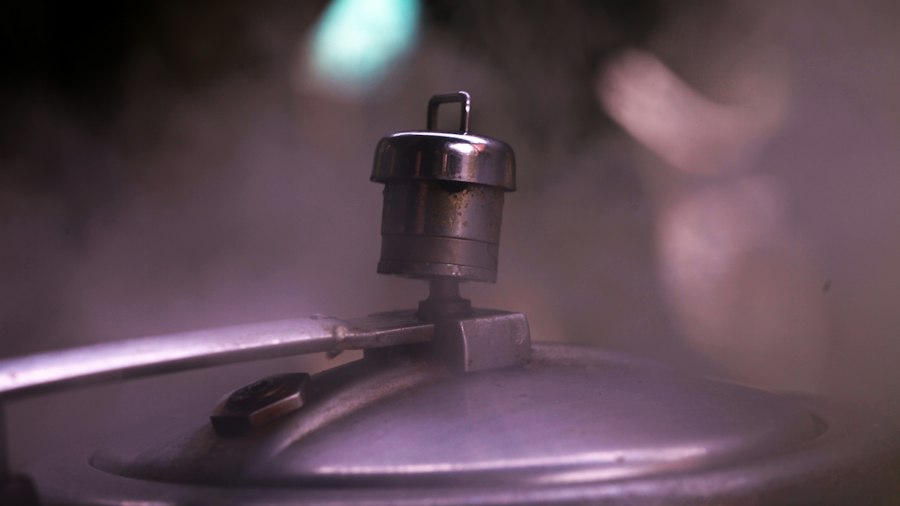
The steam generated is the active agent in pressure cooking. It not only transfers heat efficiently but also penetrates food, tenderizing it and reducing cooking times. The sealing mechanism of the pressure cooker is designed to contain this steam, allowing the pressure to build. Safety valves are integrated into the design to release excess pressure if it exceeds a predetermined safe limit, preventing catastrophic failure. The lid is locked securely to ensure it does not blow open under pressure.
Why Pressure Build-Up Matters
The efficacy of a pressure cooker is directly linked to its ability to build and maintain adequate pressure. This pressure is created by the conversion of liquid into steam. If there isn’t enough liquid or if the pot is overfilled with solid ingredients, there may not be sufficient space for steam to generate and circulate properly. Conversely, overfilling can impede the release of steam, leading to an uncontrolled pressure rise.
When it comes to using a pressure cooker, one important consideration is how full to fill it for optimal cooking results. Overfilling can lead to safety hazards and uneven cooking, while underfilling may not utilize the appliance’s capabilities effectively. For more insights on this topic, you can refer to a related article that discusses the best practices for filling a pressure cooker and other essential tips for safe cooking. Check it out here: Freaky Science.
The Golden Rule: The Two-Thirds Fill Line
The most fundamental principle when filling a pressure cooker is to adhere to the two-thirds full rule. This guideline is not arbitrary; it’s based on established safety engineering principles and the practical realities of steam generation and food expansion during cooking. Most manufacturers explicitly state this in their user manuals, and it is a critical piece of information for anyone using these appliances.
Accommodating Steam Expansion
During the cooking process, water turns into steam, and the volume of the steam is considerably larger than that of the water. The two-thirds fill line ensures that there is ample headspace within the pot for this steam expansion to occur without causing excessive pressure buildup or interfering with the sealing mechanisms. This headspace allows for the circulation of steam around the food, promoting even cooking.
Preventing Food Blockage
Many foods, especially grains, beans, and pasta, tend to expand significantly during cooking. If a pressure cooker is overfilled, these expanding foods can press against the lid, potentially blocking the pressure release valve. A blocked valve is one of the most dangerous scenarios associated with pressure cooker use, as it can lead to uncontrolled pressure accumulation. The two-thirds rule provides sufficient space to accommodate this expansion and keep the valve clear.
The Importance of Liquid
While the two-thirds rule applies to the total contents of the pot, it’s crucial to remember that sufficient liquid is essential for steam generation. The amount of liquid required varies depending on the recipe and the type of food being cooked. However, a general principle is that the liquid should cover the solid ingredients. For recipes that don’t inherently contain much liquid (like dry beans), adding water or broth is necessary. The two-thirds rule ensures there’s enough room for both the initial liquid and the steam it will produce, along with the food.
Specific Guidelines for Different Food Types
While the two-thirds rule is a universal starting point, the exact fill level can be influenced by the nature of the ingredients being cooked. Some foods require more consideration than others due to their expansion properties or their tendency to foam.
Grains, Beans, and Pasta: The Expansion Factor
These starchy staples are notorious for their expansion in liquid. Grains like rice and quinoa, dried beans, and pasta absorb large amounts of water and swell considerably. For these ingredients, it is often recommended to fill the pressure cooker no more than halfway, even below the general two-thirds guideline. This conservative approach is essential to prevent blockages. Always check the specific recipe for recommended quantities and ensure there is enough liquid to cook them thoroughly without exceeding the halfway mark.
Meats and Vegetables: Moderate Expansion
Meats and most vegetables do not expand as dramatically as grains or beans. Therefore, the standard two-thirds fill line is generally appropriate for these items. You can fill the pressure cooker up to two-thirds of its capacity with meat and vegetables, ensuring there is enough liquid to create steam and cook the food effectively. For very watery vegetables, ensure they don’t push the total volume beyond the two-thirds mark.
Soups and Stews: The Simmering Factor
When preparing soups and stews, which are naturally liquid-heavy, the two-thirds rule remains paramount. The increased liquid content in these dishes means that the potential for overfilling is higher. Always ensure that the total volume of the soup or stew, including all ingredients and liquid, does not exceed two-thirds of the pressure cooker’s capacity. This provides adequate space for the liquid to boil and the steam to generate safely.
Assessing Your Pressure Cooker’s Capacity
Understanding your specific pressure cooker’s capacity is a crucial step in safe operation. Many pressure cookers come with internal markings, but their absence does not negate the need to be mindful of the fill limits.
Internal Markings: Your First Indicator
Most modern electric pressure cookers and many stovetop models feature internal markings indicating the maximum fill level. These markings are typically notches or lines etched into the inner pot. Often, you’ll see a “MAX” line, and sometimes there might be a line indicating a slightly lower fill level, especially for foods prone to foaming. Always respect these markings. If you’re unsure, err on the side of caution and fill less than indicated.
The “Eyeball” Method: With Caution
If your pressure cooker lacks clear internal markings, a visual estimation is necessary. The two-thirds rule provides a good benchmark. Imagine the pot divided into three equal sections. You should not fill it beyond the top of the second section from the bottom. However, this method requires some practice and an understanding of your pot’s shape. It’s always better to underfill than to overfill.
Consulting the User Manual: The Ultimate Guide
The most reliable way to determine the correct fill level for your specific pressure cooker is to consult its user manual. Manufacturers provide detailed instructions and safety guidelines tailored to their product. This manual will likely reiterate the two-thirds rule and may offer specific advice for different types of cooking or ingredients. If you have misplaced your manual, many manufacturers offer digital copies on their websites.
When using a pressure cooker, it’s essential to know how full to fill it to ensure safe and effective cooking. Overfilling can lead to safety hazards and improperly cooked meals. For more detailed guidance on this topic, you can check out a related article that discusses the optimal filling levels for pressure cookers. Understanding these guidelines can help you achieve the best results in your cooking endeavors. If you’re interested in learning more, visit this helpful resource for additional tips and insights.
Troubleshooting and Advanced Tips for Safe Filling
| Pressure Cooker Type | Recommended Fill Level | Reason | Notes |
|---|---|---|---|
| General Pressure Cooker | 2/3 full | Allows enough space for steam to build pressure safely | Do not fill beyond this to avoid clogging the pressure valve |
| Pressure Cooker for Foods that Expand (e.g., rice, beans) | 1/2 full | Prevents overflow due to food expansion during cooking | Helps avoid foam and blockage of the pressure release valve |
| Pressure Cooker for Liquids (soups, stews) | Up to 2/3 full | Ensures enough liquid for pressure generation and prevents overflow | Maintain minimum liquid requirements as per manufacturer |
| Pressure Cooker for Canning | Follow manufacturer guidelines (usually not more than 3/4 full) | Ensures safe pressure and heat distribution | Overfilling can cause unsafe pressure build-up |
| Maximum Fill Level | Never exceed 3/4 full | Safety limit to prevent clogging and pressure issues | Always check specific model instructions |
Even with the guidelines in place, certain situations might require additional consideration. Understanding potential issues and having strategies to address them will further enhance safe pressure cooking.
Foaming and Overflow: What to Do
Some ingredients, particularly those high in starch or protein, can produce foam during the pressurizing process. This foam can rise and obstruct the pressure release valve. If you are cooking ingredients known to foam (like certain grains or legumes), consider using slightly less liquid or filling the cooker to a level well below two-thirds, perhaps even halfway. If you notice foam escaping from the pressure valve during cooking, it’s a sign that the cooker is too full or the ingredients are foaming excessively. In such cases, it’s best to depressurize the cooker, remove some of the contents and liquid, and then resume cooking.
The “No-Liquid” Scenario: When to Add
It’s crucial to remember that pressure cookers rely on liquid to generate steam. If a recipe calls for ingredients that don’t release much liquid during cooking and you are not adding any extra liquid, you must ensure you add sufficient water or broth. The general rule of thumb is to have at least one cup of liquid for smaller pressure cookers and 1.5 to 2 cups for larger ones, unless the recipe specifically states otherwise. The liquid needs to be enough to reach the bottom of the food and initiate the steam-building process.
Leftovers and Reheating: A Different Approach
When reheating leftovers or cooking very small portions, the fill level considerations remain the same. Even for reheating, it’s important to ensure there is a small amount of liquid to facilitate steam generation. Do not simply place cold leftovers in a dry pressure cooker. Add a tablespoon or two of water or broth to the bottom. For reheating, you typically won’t be filling the cooker to the two-thirds mark; rather, you’ll be adding just enough contents and liquid to warm the food efficiently. Always ensure the pressure valve is not obstructed by the food or any residual debris.
In conclusion, mastering the art of filling a pressure cooker safely is paramount for enjoying its speed and efficiency. Adhering to the two-thirds fill line, understanding the expansion properties of different foods, consulting your user manual, and being aware of potential issues like foaming are all critical components of safe pressure cooking. By following these guidelines, you can unlock the full potential of your pressure cooker, ensuring delicious meals cooked quickly and, most importantly, safely.

Why This Water Doesn’t Boil at 100°C
FAQs
1. How full should you fill a pressure cooker?
It is recommended to fill a pressure cooker no more than two-thirds full for most foods. For foods that expand during cooking, such as grains and legumes, fill the pressure cooker no more than half full.
2. What happens if you overfill a pressure cooker?
If you overfill a pressure cooker, there may not be enough space for steam to build up properly, which can lead to difficulty in reaching and maintaining pressure. This can result in undercooked food and potentially unsafe cooking conditions.
3. Can you fill a pressure cooker to its maximum capacity?
It is not recommended to fill a pressure cooker to its maximum capacity, as this can impede the proper circulation of steam and heat, affecting the cooking process. It is best to follow the manufacturer’s guidelines for filling capacity.
4. How does the type of food affect how full you should fill a pressure cooker?
The type of food being cooked can affect how full you should fill a pressure cooker. Foods that expand during cooking, such as rice and beans, should be filled to a lower level to prevent them from blocking the steam release valve and causing pressure build-up issues.
5. Are there any safety concerns related to overfilling a pressure cooker?
Overfilling a pressure cooker can pose safety concerns, as it can lead to difficulty in building and maintaining pressure, which may result in undercooked food. Additionally, overfilling can cause hot liquid or food to spurt out of the pressure release valve, posing a burn risk.