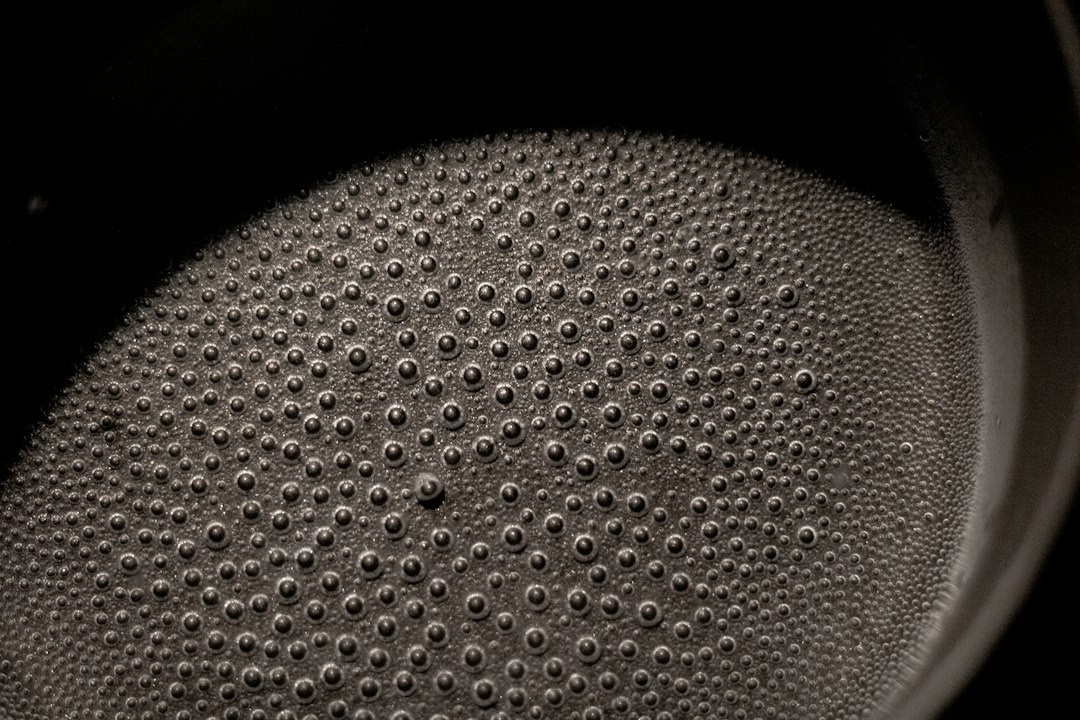
The kitchen is often a place of culinary creation and delicious experimentation. However, the pressure cooker, a staple for quick and efficient cooking, can sometimes present a startling phenomenon: food foaming. This frothy overflow can be messy, potentially dangerous, and might leave home cooks questioning their technique. Understanding why food foams in a pressure cooker is crucial for both safety and successful meal preparation. This article delves into the primary causes of this common issue and offers practical, actionable tips to prevent it from happening again.
The Science Behind Pressure Cooker Foaming
The fundamental principle behind a pressure cooker is its ability to trap steam, thereby increasing the internal pressure and raising the boiling point of water. This higher temperature cooks food faster. However, certain food components, when subjected to this intense, pressurized environment, can undergo reactions that lead to the formation of foam. Foaming occurs when gases, often air or volatile compounds released from the food, become trapped within a liquid, creating a stable network of bubbles. In a pressure cooker, this process is amplified due to the rapid heating and pressure build-up.
Understanding Emulsification and Its Role
Many foods contain fats and water, which, under normal circumstances, would remain separate. However, certain ingredients and cooking conditions can promote emulsification, where tiny droplets of fat are dispersed throughout the water (or vice versa). This emulsification can stabilize air bubbles. For instance, when cooking dishes with dairy products or ingredients that release natural emulsifiers (like lecithin in egg yolks), the high heat and agitation within the pressure cooker can create a stable emulsion. This stable emulsion is then more capable of trapping the released steam and gases, leading to significant foaming. The mechanical action of the pressure cooker, combined with the increased solubility of emulsifiers at higher temperatures, contributes to this effect.
The Impact of Starch and Protein
Starches and proteins are common culprits in pressure cooker foaming. Starches, particularly refined starches found in ingredients like flour, pasta, and grains, absorb water and swell. Under pressure and heat, these starches can break down and release gelatinized material. This gelatinous substance has a high viscosity and can effectively trap steam and air, creating a thick, persistent foam. Similarly, proteins, when heated, undergo denaturation and coagulation. This process can trap air within the protein matrix. For example, when cooking meats, poultry, or legumes, the breakdown of proteins can contribute to foam formation, especially if the food is rich in dissolved solids. The rapid temperature increase in a pressure cooker accelerates these processes, making foaming more likely.
Volatile Compounds and Gas Release
Beyond starch and protein, certain food ingredients release volatile compounds when heated. These compounds can contribute to gas formation within the pressure cooker. For instance, foods high in sulfur compounds, such as some vegetables and legumes, can release gases like hydrogen sulfide when cooked under pressure. These gases, when mixed with the liquid and any other emulsified components, can create bubbles that contribute to foaming. The enclosed environment of the pressure cooker traps these gases, concentrating them and exacerbating the foaming effect. The rapid liberation of these volatile compounds due to the high temperature and pressure is a key factor in this type of foaming.
When using a pressure cooker, you may notice that food often foams, which can be attributed to the rapid cooking process and the release of steam. This phenomenon is explained in detail in the article “Why Does Food Foam in a Pressure Cooker?” on Freaky Science. The article delves into the science behind the formation of bubbles and the factors that contribute to foaming, such as the presence of starches and proteins in the food. For more insights on this topic, you can read the full article here: Why Does Food Foam in a Pressure Cooker?.
Common Food Ingredients That Tend to Foam
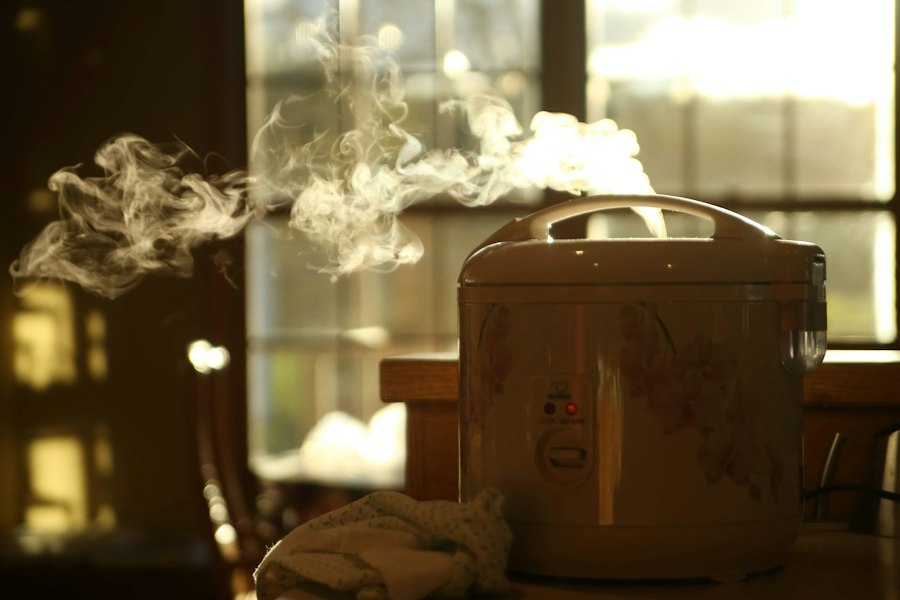
While any food cooked under pressure carries a risk of foaming, some ingredients are more prone to this phenomenon than others. Recognizing these ingredients can help home cooks anticipate and mitigate potential problems. This section will highlight common food types and components that frequently contribute to pressure cooker foaming, explaining why they are particularly susceptible.
Legumes and Grains: The Primary Offenders
Legumes, such as beans (kidney, black, chickpeas, lentils) and peas, are notorious for causing foaming in pressure cookers. These foods are rich in starches and proteins, both of which contribute to the foaming process. When cooked, they absorb a significant amount of water and release complex carbohydrates and amino acids. The rapid heating and pressure cook the legumes, breaking down their cellular structure and releasing these components into the cooking liquid. This creates a viscous broth that is excellent at trapping steam and any dissolved gases. Similarly, grains like rice, quinoa, and barley can also contribute to foaming. Their starchy nature causes them to release gelatinous material as they cook, thickening the liquid and creating a frothy head. Overfilling the pressure cooker with these ingredients, especially without adequate liquid, significantly increases the risk of overflow.
Dairy Products and Emulsifying Agents
Dairy products, such as milk, cream, and cheese, are frequent contributors to pressure cooker foaming. Their fat and protein content, along with natural emulsifying agents like lecithin, create a perfect storm for foam formation. When heated under pressure, the fats can emulsify, and the proteins can denature and trap air. This is particularly true for skim or low-fat dairy products, where the reduced fat content can make the proteins more prominent in foam stabilization. Beyond dairy, other ingredients that act as emulsifiers or contain them can also contribute. These include egg yolks, certain sauces (especially those thickened with flour or cornstarch), and even some processed foods. The pressure cooker’s environment amplifies the emulsifying properties, leading to a more robust and persistent foam.
Sugary Foods and Their Impact
Foods with a high sugar content can also contribute to foaming in a pressure cooker, albeit for slightly different reasons. Sugars, when heated intensely, can caramelize and break down. This process can release volatile compounds and contribute to a sticky, viscous liquid. More importantly, many recipes incorporating sugary elements often also include other ingredients that cause foaming, such as starches or proteins. The combination can be particularly problematic. For instance, recipes for stews or braises that use sugar as a flavor enhancer alongside meats and vegetables can experience increased foaming. The intense heat can also cause some sugars to decompose, releasing gases that contribute to bubble formation.
Other Contributing Ingredients
Beyond the primary offenders, several other ingredients can subtly contribute to pressure cooker foaming. Certain acidic ingredients, when combined with starchy or protein-rich foods, can sometimes affect the stability of foams. Highly processed foods, which often contain emulsifiers, stabilizers, and starches, can also be more prone to foaming. Additionally, the presence of very finely chopped ingredients can increase the surface area exposed to the heat and pressure, potentially leading to faster breakdown and greater foam production. It is the interplay of these various components within the pressurized environment that ultimately dictates the likelihood and severity of foaming.
Strategies for Preventing Pressure Cooker Foaming
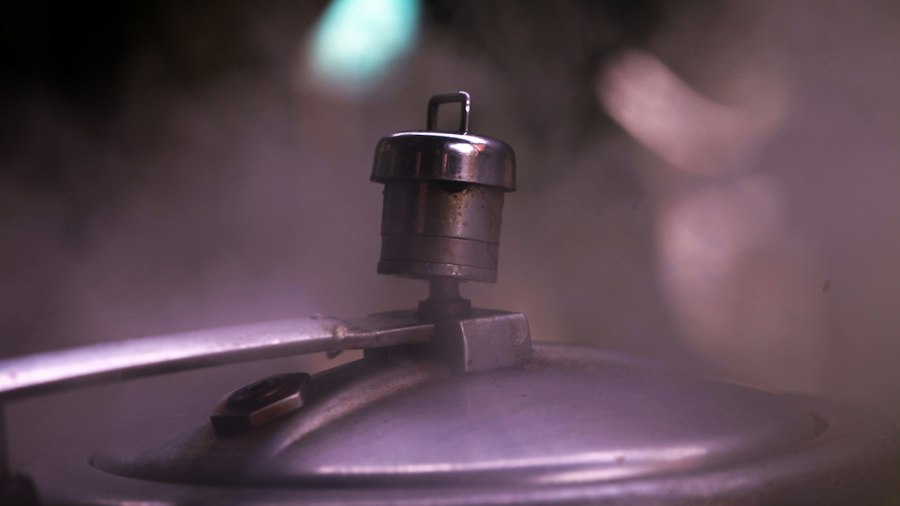
Fortunately, preventing food from foaming in a pressure cooker is achievable with a few key strategies. These methods focus on managing the ingredients, adjusting cooking parameters, and employing simple culinary techniques to minimize the formation and trapping of air bubbles. By implementing these preventative measures, home cooks can ensure a clean and safe pressure cooking experience.
Proper Filling Techniques and Liquid Ratios
The most critical step in preventing pressure cooker overflow is adhering to the manufacturer’s recommended fill lines. Pressure cooker lids are designed to seal securely, and overfilling them creates a significant risk of the contents escaping once pressure builds. Generally, most pressure cookers should not be filled more than two-thirds full for foods that don’t expand (like meats or stews) and no more than halfway full for foods that do expand, such as grains, beans, and pasta. Maintaining the correct liquid-to-solid ratio is equally important. Insufficient liquid will lead to a thicker, more concentrated broth, increasing the likelihood of foaming and overflow. Conversely, too much liquid will extend cooking times. Always refer to your recipe or the pressure cooker manual for specific guidance on liquid amounts.
Pre-Soaking and Rinsing Legumes
For legumes like beans and lentils, pre-soaking and rinsing are essential steps that significantly reduce foaming. Soaking overnight (or for at least 4-8 hours) allows the legumes to absorb water, which helps them cook more evenly and reduces the amount of gas released during cooking. This process also helps to leach out some of the starches and complex sugars that contribute to foaming. After soaking, thoroughly rinse the legumes to remove any residual starches from the soaking water. Some cooks even recommend changing the soaking water a couple of times. This simple preparation can dramatically cut down on the frothy overflow that often plagues legume dishes cooked under pressure.
Using Fats and Oils Wisely
While fats can contribute to emulsification, in moderation, they can actually help reduce foaming. A tablespoon of oil or butter added to the cooking liquid can coat the food particles and the sides of the pressure cooker, creating a barrier that hinders bubble formation. This acts by reducing the surface tension of the liquid, making it harder for steam bubbles to form and persist. However, it’s crucial not to overdo it, as excessive fat can alter the flavor and texture of the dish. The type of fat matters as well; neutral oils like vegetable or canola oil are generally preferred for their flavor neutrality.
Incorporating Acidic Ingredients
Adding a splash of acid, such as vinegar, lemon juice, or even a tablespoon of tomato paste, to the cooking liquid can also help to control foaming. Acids can alter the pH of the cooking liquid, which can affect the way proteins and starches behave. In some cases, this can lead to less stable foams. The acidity can help break down some of the emulsifying compounds and reduce the viscosity of the liquid, making it harder for large, persistent bubbles to form. This is a particularly useful tip when cooking dishes that are prone to foaming, such as those with a lot of starchy ingredients or a rich broth.
Advanced Techniques and Troubleshooting
Beyond the basic preventative measures, there are a few more advanced techniques and troubleshooting tips that can be employed when dealing with pressure cooker foaming. These methods are often used by experienced cooks or in situations where a recipe is particularly challenging. Understanding these techniques can provide an extra layer of confidence and control in the kitchen.
The Role of Simmering and Venting
Sometimes, even with the best preventative measures, a small amount of foam might appear. In such cases, a brief period of simmering after the pressure cooking cycle can help. Once the pressure is released and the lid is opened, a gentle simmer can help to break down any excess foam. For more persistent foam, carefully lifting the lid slightly during the simmer can allow some of the foam to escape. However, this must be done with extreme caution to avoid steam burns. Additionally, during the initial stages of pressure building, if you notice excessive bubbling at the vent pipe, it might indicate a potential for overflow. Some experienced cooks will briefly vent the cooker at this stage to release some of the initial build-up of foam before allowing it to seal and build full pressure. This should be done with great care and awareness of escaping steam.
Using Anti-Foaming Agents
In specific, commercial applications, anti-foaming agents are used. However, for home cooks, the use of artificial anti-foaming agents is generally not recommended or necessary. The natural methods described above are usually sufficient. If one were to encounter extremely persistent foaming and wanted to explore alternatives, a very small amount of silicone-based defoamer could theoretically be used, but this is not a standard culinary practice and requires careful research and consideration of food safety. It is far more practical and safer to rely on the established, natural methods of prevention.
Adapting Recipes for Pressure Cookers
When adapting traditional recipes for use in a pressure cooker, it is crucial to be mindful of ingredients that are known to cause foaming. If a recipe calls for a large amount of flour or cornstarch as a thickener, consider reducing the amount or using it later in the cooking process. For dishes rich in legumes, always follow the pre-soaking and rinsing guidelines. For soups and stews, be extra vigilant about not overfilling the pot. Understanding the inherent properties of the ingredients and how they react under pressure is key to successful recipe adaptation. It is often better to err on the side of caution with fill levels when trying a new recipe.
What to Do If Foaming Occurs During Cooking
If foaming becomes excessive and you notice it threatening to overflow during the cooking cycle, the safest course of action is to reduce the heat immediately. Do not attempt to open the pressure cooker while it is still under pressure. If the foaming is severe and you believe it might compromise the seal, allow the pressure to release naturally. Once the pressure is fully released and it is safe to open the lid, you can then address the situation. You might need to skim off some of the foam or adjust the liquid level before continuing to cook, if necessary. Prioritize safety above all else; a little overflow is far preferable to an accident.
When using a pressure cooker, many people wonder why their food tends to foam during the cooking process. This phenomenon occurs due to the rapid boiling of liquids and the release of steam, which can create bubbles that lead to foaming. For a deeper understanding of this topic, you can explore a related article that discusses the science behind cooking under pressure and the factors that contribute to foaming. To learn more, check out this insightful piece on Freaky Science.
Conclusion: Mastering the Pressure Cooker with Confidence
| Factor | Description | Effect on Foaming |
|---|---|---|
| Starch Content | Foods high in starch (e.g., rice, beans, lentils) release starch molecules into the cooking water. | Starch molecules trap air bubbles, creating foam during pressure cooking. |
| Protein Content | Proteins in foods like legumes and meat can denature and form a frothy layer. | Denatured proteins stabilize bubbles, increasing foam formation. |
| Agitation and Pressure | Pressure cooker increases pressure and temperature, causing vigorous boiling and agitation. | Increased agitation traps more air, promoting foam creation. |
| Water Hardness | Mineral content in water can affect foam stability. | Hard water may reduce foam by interacting with starch and proteins. |
| Cooking Time and Temperature | Longer cooking times and higher temperatures increase starch and protein release. | More released molecules lead to increased foaming. |
| Presence of Fats and Oils | Fats can reduce surface tension and break bubbles. | Adding oil can reduce foam formation in pressure cooking. |
The pressure cooker is an invaluable tool for efficient and delicious cooking. While the phenomenon of food foaming can be a source of frustration and concern, it is a manageable issue. By understanding the underlying scientific principles – the roles of emulsification, starch, protein, and volatile compounds – and by implementing practical preventative measures, home cooks can confidently avoid most foaming incidents. Proper filling techniques, mindful ingredient selection, and simple culinary tricks like pre-soaking legumes and adding a touch of fat or acid go a long way. Furthermore, knowing how to troubleshoot and adapt recipes ensures a consistently successful pressure cooking experience. With a little knowledge and attention to detail, the pressure cooker can remain a reliable and efficient kitchen companion, consistently delivering tender, flavorful meals without the mess of overflow. Mastering these techniques allows for a more enjoyable and stress-free culinary journey, unlocking the full potential of this remarkable cooking appliance.
Why This Water Doesn’t Boil at 100°C
FAQs
1. Why does food foam in a pressure cooker?
Food foams in a pressure cooker due to the high pressure and temperature inside the cooker causing proteins in the food to denature and trap air bubbles, creating a foamy texture.
2. How does foaming affect the cooking process in a pressure cooker?
Foaming can disrupt the cooking process in a pressure cooker by blocking the pressure release valve, leading to pressure build-up and potentially causing the cooker to malfunction or release steam uncontrollably.
3. What types of foods are more likely to foam in a pressure cooker?
Foods high in protein, starch, or fiber are more likely to foam in a pressure cooker. Examples include beans, grains, pasta, and certain vegetables like broccoli and cauliflower.
4. How can you prevent food from foaming in a pressure cooker?
To prevent food from foaming in a pressure cooker, you can add a small amount of oil or fat to the cooking liquid, avoid overfilling the cooker, and use natural release methods to release pressure slowly.
5. Is it safe to cook foamy foods in a pressure cooker?
Cooking foamy foods in a pressure cooker can be safe as long as precautions are taken to prevent excessive foaming and pressure build-up. It is important to follow the manufacturer’s guidelines and release pressure carefully to avoid accidents.