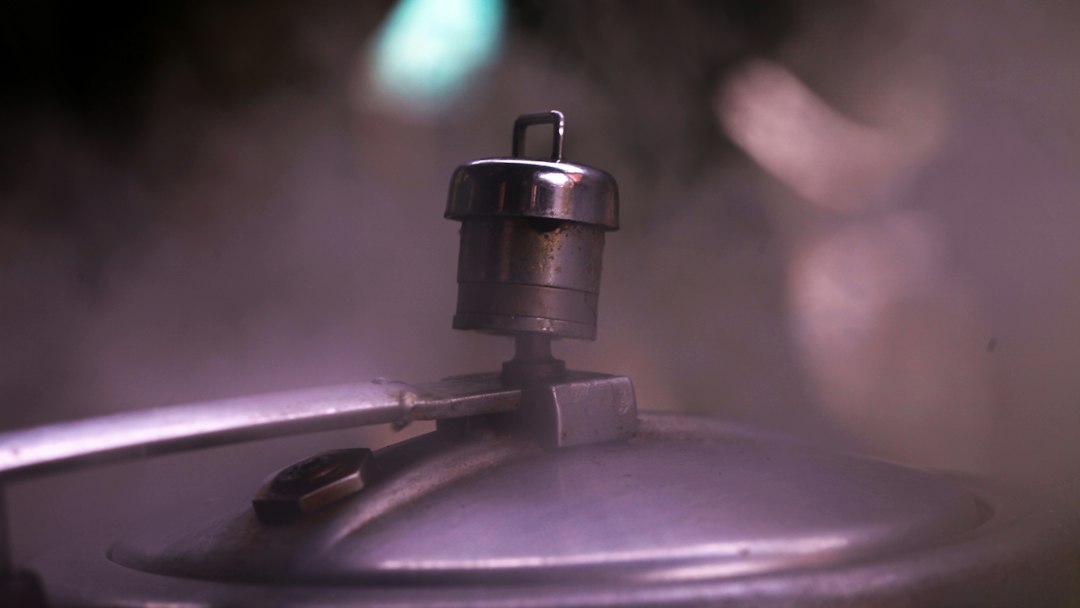
Electric pressure cookers have revolutionized home cooking, offering speed and convenience without compromising safety. At the heart of their functionality lies a sophisticated system for controlling internal pressure, a crucial element that allows food to cook at temperatures significantly higher than those achievable in conventional pots. Understanding how these appliances manage pressure is key to appreciating their efficacy and ensuring confident operation. This article delves into the intricate mechanisms that govern pressure within an electric pressure cooker, explaining the science behind safe and efficient cooking.
The Fundamental Principles of Pressure Cooking
Pressure cooking relies on a simple yet powerful scientific principle: increasing the pressure above a liquid raises its boiling point. In a standard pot on a stovetop, water boils at 212°F (100°C) at sea level. As pressure builds within a sealed electric pressure cooker, this boiling point escalates, often reaching temperatures between 239°F (115°C) and 245°F (118°C). This elevated temperature drastically accelerates the cooking process, allowing tougher cuts of meat to become tender and vegetables to cook through in a fraction of the usual time. The sealed environment also traps steam, preventing moisture loss and infusing food with flavor.
Understanding Vapor Pressure and Boiling Points
The concept of vapor pressure is central to pressure cooking. Liquids continuously release vapor molecules into the surrounding atmosphere. When the rate of evaporation equals the rate of condensation, the liquid is said to be at equilibrium, and the pressure exerted by these vapor molecules is the vapor pressure. Boiling occurs when the vapor pressure of the liquid equals the external atmospheric pressure. In a sealed container like a pressure cooker, the volume of vapor above the liquid increases as the liquid heats up and evaporates. Since the vapor is trapped, its pressure rises. This increased pressure pushes down on the surface of the liquid, requiring a higher temperature for the liquid’s vapor pressure to overcome it and boil. This is why water boils at a higher temperature within a pressure cooker.
The Role of Steam in Heat Transfer
Steam is an incredibly efficient medium for heat transfer. When steam condenses, it releases a significant amount of latent heat, the energy absorbed or released during a phase change. This concentrated release of heat at temperatures above boiling provides the intense and rapid cooking power characteristic of pressure cookers. As steam is generated and trapped within the cooker, it permeates the food, transferring heat directly and efficiently. This rapid heat transfer contributes to the speed and the tenderizing effect of pressure cooking.
Electric pressure cookers utilize a combination of heat and steam to create a high-pressure environment that cooks food quickly and efficiently. The control of pressure within these devices is achieved through a sophisticated system of sensors and valves that monitor and adjust the internal pressure to ensure optimal cooking conditions. For a deeper understanding of the science behind pressure cooking and the technology involved, you can refer to this related article on Freaky Science, which explores the principles of pressure cooking in detail. For more information, visit Freaky Science.
Components of Pressure Regulation
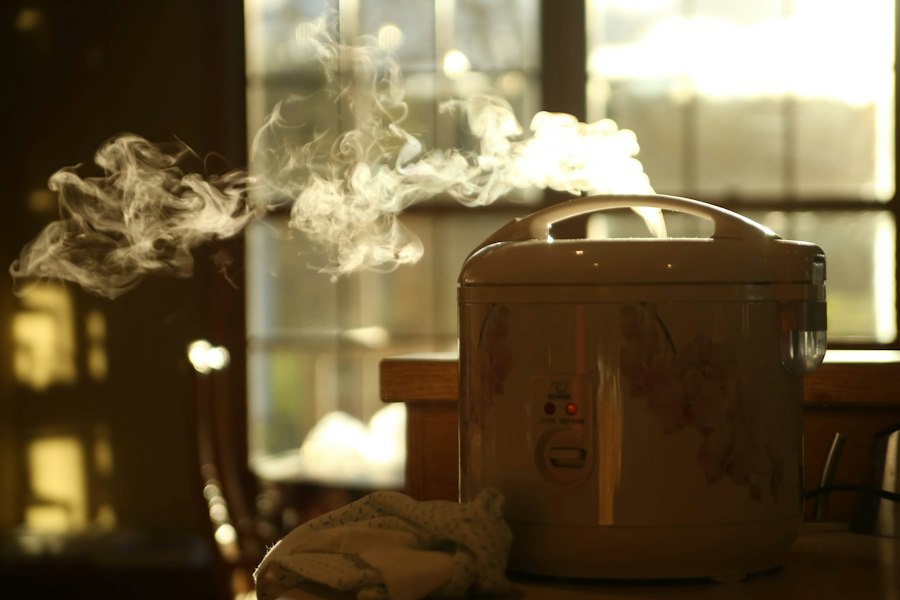
Electric pressure cookers employ a suite of components designed to monitor, regulate, and release pressure safely. These components work in concert to maintain the desired internal pressure, prevent dangerous over-pressurization, and allow for controlled depressurization at the end of the cooking cycle. From the sealing lid to the pressure release valve, each element plays a vital role in the overall safety and functionality of the appliance.
The Sealing Lid and Gasket
The lid of an electric pressure cooker is designed to create an airtight seal with the cooking pot. This is achieved through a durable silicone or rubber gasket that fits around the rim of the lid. When the lid is properly secured, the gasket compresses against the pot, forming a tight seal that prevents steam from escaping. This is essential for building and maintaining the internal pressure. The gasket also acts as a buffer, absorbing some of the impact when the lid is closed and ensuring a consistent seal even with minor imperfections in the pot rim. Regular inspection and replacement of the gasket are important for maintaining the cooker’s effectiveness and safety, as a compromised gasket will prevent the cooker from reaching the necessary pressure.
Pressure Sensors and Control Modules
At the core of the pressure control system are sophisticated pressure sensors and an integrated control module. The sensors, often made of piezoelectric materials or strain gauges, detect the internal pressure within the cooker. This information is continuously fed to the control module, which is essentially the “brain” of the appliance. The control module analyzes the pressure readings and compares them to the programmed cooking settings. Based on this data, it makes real-time adjustments to the heating element’s power to maintain the target pressure. This closed-loop system ensures that the pressure remains within safe and effective limits throughout the cooking process.
The Pressure Release Valve System
A critical safety feature of any pressure cooker is its pressure release valve system. Electric pressure cookers typically have multiple layers of pressure release mechanisms. The primary mechanism is usually a spring-loaded valve that is designed to open and release excess steam when the internal pressure exceeds a pre-set safety limit. This is a failsafe that prevents dangerous over-pressurization. Many models also include a secondary pressure release mechanism, such as a float valve or a manual release lever, which allows the user to control the depressurization process at the end of cooking. Understanding how to operate these valves is paramount for safe use.
Mechanisms for Maintaining Optimal Pressure
Electric pressure cookers employ intelligent systems to ensure that the internal pressure stays within the desired range for optimal cooking. This involves a dynamic interplay between the heating element, sensors, and the control module, creating a self-regulating environment. The goal is not just to build pressure, but to maintain it consistently, which is crucial for achieving predictable and delicious results.
The Role of the Heating Element
The heating element, usually located at the base of the cooker, is the primary driver for generating the steam that builds pressure. The control module dictates the power supplied to the heating element. When the pressure is below the target, the control module will increase the power to the heating element to accelerate steam generation. Conversely, if the pressure reaches or exceeds the target, the control module will reduce or cycle the power to the heating element, effectively preventing further significant pressure build-up. This cycling of the heating element is a key part of maintaining a steady pressure over the cooking duration.
Thermostats and Temperature Monitoring
While pressure is the primary focus, temperature is intrinsically linked to it. Electric pressure cookers incorporate thermostats to monitor the internal temperature of the food and the cooking environment. These thermostats work in conjunction with pressure sensors. If the temperature rises too quickly without a corresponding increase in pressure (which could indicate a problem with the seal or steam generation), the control module can intervene. Similarly, if the temperature is not reaching the required level to generate sufficient steam, the heating element might be adjusted accordingly. This dual monitoring ensures that both pressure and temperature are within the intended parameters for safe and effective cooking.
The Float Valve and Indicator
A common feature on most electric pressure cookers is the float valve, often a small metal pin that rises when sufficient pressure has built up inside the pot. This float valve serves a dual purpose: it visually indicates that the cooker is pressurized and is ready for cooking, and it also acts as a safety lock, preventing the lid from being opened while the cooker is still under pressure. Some models also have an audible indicator, such as a click or hiss, when the float valve engages. This simple yet effective mechanism provides immediate feedback to the user about the cooker’s operational status.
Safety Features and Redundancy
Safety is paramount in the design of electric pressure cookers. Manufacturers implement multiple layers of safety features and redundancies to protect users from potential hazards. These safeguards ensure that even in the event of a component malfunction, the cooker will revert to a safe state, preventing catastrophic failures. This meticulous attention to safety has made modern electric pressure cookers significantly safer than their stovetop predecessors.
Over-Pressure Release Mechanisms
Beyond the primary pressure release valve, electric pressure cookers incorporate additional over-pressure release mechanisms. One common method is the anti-blockage cover, which is designed to lift and release steam if the main valve becomes clogged. Some models also feature a safety fuse that will blow and cut off power to the heating element if extreme pressure or temperature conditions are detected. These redundant systems act as a fail-safe, ensuring that pressure can always escape if it reaches dangerous levels, even if one of the primary safety features is compromised.
Lid Locking and Unlock Mechanisms
The lid locking mechanism is another crucial safety feature. As mentioned, the float valve prevents the lid from being opened while the cooker is under pressure. Furthermore, the locking mechanism itself is designed to withstand the internal pressure, ensuring that the lid remains securely fastened during operation. Once the pressure has been safely released and the float valve has dropped, the lid can then be unlocked and opened. This prevents accidental opening during the cooking cycle, which could lead to serious burns from escaping steam.
Emergency Steam Release Options
In situations where immediate depressurization is desired or necessary, electric pressure cookers offer various emergency steam release options. Manual release levers allow users to intentionally vent steam, often a quick and straightforward process. Some advanced models may even offer pre-programmed “quick release” or “natural release” options that manage the steam release over a set period. Understanding the different release methods and their appropriate uses is essential for safe operation and to avoid potential burns or damage to the cooker.
Electric pressure cookers utilize advanced technology to control pressure through a combination of sensors and microprocessors, ensuring that the cooking process is both efficient and safe. By monitoring the internal temperature and pressure levels, these devices can automatically adjust the heat to maintain optimal cooking conditions. For a deeper understanding of the science behind this technology, you can refer to a related article that explores various cooking methods and their effects on food. Check it out here for more insights.
The Process of Controlled Depressurization
| Metric | Description | Typical Value/Range | Unit |
|---|---|---|---|
| Pressure Sensor Type | Type of sensor used to monitor internal pressure | Piezoelectric or MEMS sensor | — |
| Operating Pressure | Pressure maintained inside the cooker during cooking | 10.2 – 12.7 | psi (pounds per square inch) |
| Pressure Control Method | How the cooker regulates pressure | Electric valve control with feedback loop | — |
| Temperature Range | Temperature maintained to achieve desired pressure | 110 – 115 | °C |
| Pressure Release Mechanism | Method to safely release pressure after cooking | Automatic electric valve or manual quick release | — |
| Control Accuracy | Precision of pressure maintenance | ±0.5 | psi |
| Safety Features | Mechanisms to prevent overpressure | Pressure relief valve, lid lock, sensor fail-safe | — |
| Response Time | Time taken to adjust pressure after change detected | 1 – 3 | seconds |
Once the cooking cycle is complete, the safe release of the built-up pressure is as important as its regulation during cooking. Electric pressure cookers offer different methods for depressurization, each with its own advantages and recommended applications. Understanding these methods allows users to choose the most appropriate one for their recipe and ensures a safe transition from a pressurized cooking environment to one that can be safely opened.
Natural Pressure Release (NPR)
Natural Pressure Release (NPR) involves simply allowing the pressure to dissipate on its own after the heating element has turned off. The float valve will gradually drop as the steam condenses and the pressure within the pot decreases. This method is ideal for foods that benefit from continued gentle cooking, such as roasts, whole poultry, and grains. NPR helps to prevent foods from breaking apart or becoming mushy, and it also allows for a more even distribution of residual heat. The timeframe for NPR can vary significantly depending on the amount of liquid in the cooker, typically ranging from 10 to 30 minutes or even longer.
Quick Pressure Release (QPR)
Quick Pressure Release (QPR) involves manually venting the steam from the cooker immediately after the cooking cycle has finished. This is typically done by moving a manual release lever or pressing a designated button, causing the steam to escape rapidly through the pressure release valve. QPR is best suited for vegetables, delicate seafood, and foods that you do not want to overcook. It stops the cooking process abruptly, preserving the texture and color of these ingredients. However, it is crucial to exercise extreme caution when performing QPR, as a large amount of hot steam is released. Always use a long utensil to move the lever and keep hands and face away from the steam vent.
Cold Water Release
Some pressure cooker models also offer a cold water release method for rapid depressurization. This involves running cold water over the lid and sides of the cooker. The cold water cools the metal pot and the steam inside, causing the steam to condense rapidly and reducing the internal pressure. This is a very fast method of depressurization but is not suitable for all recipes and can sometimes shock certain foods, potentially affecting their texture. It is important to consult the manufacturer’s instructions before employing this method, as it may not be recommended for all cooker models or food types.
In conclusion, electric pressure cookers are marvels of engineering designed with user safety and cooking efficiency as top priorities. Their ability to precisely control internal pressure is achieved through a combination of robust components, intelligent sensors, and layered safety features. From the initial build-up of steam to the controlled release of pressure, each step is meticulously managed to provide a convenient, fast, and, most importantly, safe cooking experience. By understanding the principles and mechanisms at play, users can operate their electric pressure cookers with confidence, unlocking a world of delicious and time-saving meals.
Why This Water Doesn’t Boil at 100°C
FAQs
1. How does an electric pressure cooker regulate pressure?
An electric pressure cooker regulates pressure by using a built-in sensor to monitor the internal pressure. The cooker adjusts the heat and release of steam to maintain the desired pressure level.
2. What safety features are in place to control pressure in an electric pressure cooker?
Electric pressure cookers have safety features such as pressure release valves, locking lids, and automatic shut-off mechanisms to prevent pressure from building up to unsafe levels.
3. Can you manually adjust the pressure settings on an electric pressure cooker?
Most electric pressure cookers allow users to manually adjust the pressure settings to customize cooking times and pressure levels for different recipes.
4. How does the cooking time vary based on the pressure setting in an electric pressure cooker?
The cooking time in an electric pressure cooker is directly affected by the pressure setting. Higher pressure levels require less cooking time, while lower pressure levels may need longer cooking times.
5. What happens if the pressure cooker fails to control pressure effectively?
If an electric pressure cooker fails to control pressure effectively, it can lead to overcooking or undercooking of food, as well as potential safety hazards due to excessive pressure buildup.