The humble pressure cooker, a staple in kitchens worldwide, is renowned for its ability to transform tough cuts of meat into tender delights and drastically reduce cooking times. Yet, for many home cooks, its operation is accompanied by a sound that can be both reassuring and slightly intimidating: a distinct hissing. This hiss, often perceived as a sign that the cooker is “working,” is a fundamental aspect of its functionality. Understanding the mechanics behind this sound reveals not just the science of cooking under pressure, but also the clever engineering that makes these appliances so efficient.
The pressure cooker operates on a simple principle: increasing the boiling point of water by raising the pressure within the sealed pot. Water typically boils at 100 degrees Celsius (212 degrees Fahrenheit) at standard atmospheric pressure. However, when confined within a pressure cooker, this boiling point can be elevated significantly, often to around 121 degrees Celsius (250 degrees Fahrenheit). This higher temperature accelerates the cooking process, as heat transfer is more rapid and food breaks down faster. The sealing mechanism of the pressure cooker is crucial for achieving and maintaining this elevated pressure. A tight-fitting lid, often secured with locking mechanisms and a rubber or silicone gasket, creates an airtight environment. As the liquid inside heats up, it produces steam. In a regular pot, this steam would escape freely, carrying heat away with it and limiting the temperature. In a pressure cooker, however, the steam is trapped, causing the internal pressure to build.
The Role of Steam and Pressure Build-up
The genesis of the hissing sound is intrinsically linked to the formation and management of steam within the pressure cooker. When a liquid, typically water or broth, is heated in the sealed environment of the cooker, it begins to evaporate. This evaporation process produces steam. As more steam is generated, it occupies the available space above the liquid, pushing against the lid and the internal walls of the pot. This continuous production of steam is the direct driver of the pressure increase. Imagine a balloon being continuously filled with air; the more air you pump in, the tighter and more inflated the balloon becomes. Similarly, as steam fills the pressure cooker, the internal pressure rises. This pressure increase is what elevates the boiling point of the liquid, allowing food to cook at higher temperatures. The pressure can be measured in pounds per square inch (psi) or kilopascals (kPa), and different pressure cooker models are designed to operate at specific pressure levels for optimal cooking.
From Liquid to Vapor: The Transformation of Water
At the heart of the pressure cooker’s function is the phase transition of water from a liquid to a gaseous state (steam). This transformation requires energy in the form of heat. When heat is applied to the liquid at the bottom of the cooker, water molecules gain kinetic energy and begin to move more vigorously. As they reach a certain energy threshold, they overcome the intermolecular forces holding them together in a liquid state and escape into the gaseous phase as steam. In an open pot, this steam readily disperses into the surrounding atmosphere, carrying its heat with it. However, within the confines of a pressure cooker, this steam is contained. The sealed lid prevents its escape, forcing it to accumulate. This accumulation of steam is what directly leads to the increase in internal pressure. The more steam that is generated and trapped, the higher the pressure becomes, and consequently, the higher the cooking temperature.
The Pressure Regulator: A Crucial Component
While the steam build-up is the source of pressure, the pressure regulator, often referred to as the “jiggler” or “weight valve,” plays a pivotal role in controlling and maintaining the desired cooking pressure. This component, typically a weighted plug or a spring-loaded valve located on the lid, is designed to open and release steam when the internal pressure reaches a predetermined level. This release of steam is precisely where the characteristic hissing sound originates. The regulator is not meant to be entirely closed during the entire cooking process. Instead, it acts as a safety and operational mechanism, ensuring that the pressure does not exceed safe limits while simultaneously indicating that the cooker has reached its working pressure. The weight or spring tension of the regulator is calibrated to allow steam to escape at a specific pressure.
If you’ve ever wondered about the hissing sound coming from your pressure cooker, you might find it interesting to explore more about the science behind cooking under pressure. A related article that delves into the mechanics and safety features of pressure cookers can be found at Freaky Science. This resource provides insights into how pressure cookers work, the reasons for the hissing noise, and tips for safe usage, making it a valuable read for both novice and experienced cooks.
The Hissing Sound: A Symphony of Steam Release
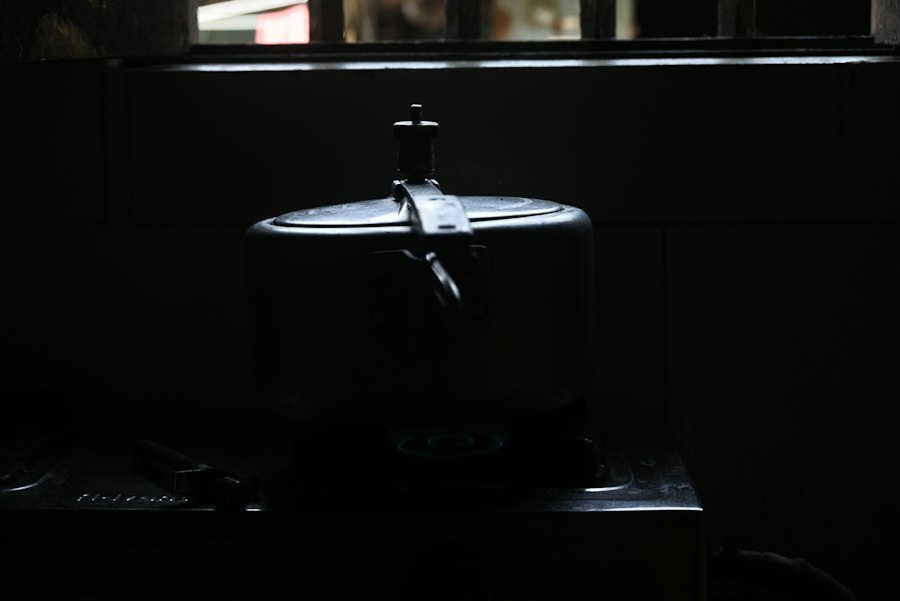
The audible hiss is the most direct indicator that the pressure cooker is functioning as intended. It signifies the release of excess steam, a necessary step in maintaining the optimal cooking environment. This sound is not a malfunction; rather, it is a deliberate and engineered aspect of the appliance’s operation. The frequency and intensity of the hiss can vary, providing subtle clues about the pressure dynamics within the pot. Experienced cooks learn to interpret these variations, using the hiss as a guide for their cooking.
The Jiggler Valve’s Song
For many older or simpler pressure cooker models, the hissing sound is produced by a “jiggler” valve. This is a weighted metal plug that sits atop a vent. As steam pressure builds, it exerts force on the underside of the jiggler. When this force overcomes the weight of the plug, the jiggler is lifted slightly, allowing a small amount of steam to escape. The steam rushes out through the gap, creating the characteristic hissing sound. The jiggler then settles back down as the pressure momentarily drops, only to be lifted again as more steam builds. This rhythmic lifting and settling of the jiggler valve creates an intermittent or continuous hiss, depending on the rate of steam production and the precise design of the valve. The “jiggling” action is what gives this type of valve its name and is often a very distinct and audible sound.
Modern Pressure Regulators: A Quieter Approach
While the jiggler valve is iconic, many modern pressure cookers employ more sophisticated pressure regulation systems, often using spring-loaded valves. These valves operate on a similar principle: a spring holds a valve closed until a specific pressure is reached. At this point, the steam pressure overcomes the spring tension, pushing the valve open and releasing steam. The hissing sound in these models can sometimes be less pronounced or even more of a gentle sigh compared to the more vigorous hiss of a jiggler valve. However, the fundamental mechanism of steam release to control pressure remains the same. These newer designs often prioritize a quieter operation while still effectively managing the internal pressure. Some advanced electric pressure cookers may even have electronic sensors and valves that control pressure, leading to even subtler or less audible pressure release mechanisms.
Interpreting the Hiss: Signals of Pressure and Safety

The hissing sound is more than just noise; it is a crucial feedback mechanism for the user. It tells you that the cooker has reached its operating pressure and is now cooking food efficiently. Understanding what the hiss signifies can help prevent both undercooking and overcooking, and importantly, ensure safe operation. The absence of a hiss when one is expected could indicate a problem with the seal or the pressure regulator, while an overly vigorous or continuous hiss might suggest an issue with the pressure regulation itself.
Reaching the Optimal Cooking Temperature
When a pressure cooker is brought up to temperature, the liquid inside begins to boil, and steam starts to accumulate. Initially, as the pressure builds, the regulator valve remains closed. The hissing sound only begins once the internal pressure reaches the point at which the regulator is designed to open. This signifies that the cooker has achieved its target cooking pressure, and consequently, its elevated cooking temperature. The consistent hiss, or a rhythmic series of hisses, tells the cook that the steam is being released at a controlled rate, indicating that the desired cooking environment is being maintained. This is the point at which the cook can confidently begin timing the actual cooking process for their ingredients.
Warning Signs and Troubleshooting
While the hiss is generally a positive indicator, certain patterns can signal a need for attention. A complete absence of hissing when the cooker should be pressurized might suggest a leak in the lid gasket or a blocked vent. In such cases, the cooker may not be reaching the correct pressure, leading to longer cooking times and potentially undercooked food. Conversely, a constant, very loud, or erratic hiss could indicate that the pressure regulator is malfunctioning or that the cooker is severely overfilled, leading to excessive steam generation. In such situations, it is crucial to stop the cooking process, allow the cooker to depressurize safely, and inspect the lid, gasket, and pressure regulator for any damage or blockages. Regularly cleaning the vent and regulator is an important part of preventative maintenance to ensure proper function and safety.
The Science of Accelerated Cooking
The higher temperatures achieved in a pressure cooker are the primary reason for its ability to cook food significantly faster than conventional methods. This scientific principle, known as the effect of increased pressure on boiling point, is the cornerstone of pressure cooking efficiency. The rapid heat transfer at these elevated temperatures allows for quicker breakdown of connective tissues in meats, softening of vegetables, and infusion of flavors.
The Chemical Reactions of Faster Cooking
The elevated temperatures within a pressure cooker not only accelerate physical processes like softening but also chemical reactions. For instance, the Maillard reaction, responsible for the browning and complex flavor development in many cooked foods, occurs at a faster rate at higher temperatures. Similarly, the hydrolysis of proteins and starches, which breaks them down into smaller, more digestible molecules, is significantly enhanced. This means that tough cuts of meat become tender and flavorful in a fraction of the time they would take in a regular pot or oven. The trapped steam also helps to keep food moist, preventing it from drying out, which is another benefit that contributes to the overall speed and quality of the cooking process.
Beyond Speed: Flavor and Nutrient Retention
While speed is a major advantage, pressure cooking also offers benefits in terms of flavor and nutrient retention. The sealed environment prevents volatile flavor compounds from escaping with the steam, leading to more intense and concentrated flavors. Furthermore, the shorter cooking times mean that delicate nutrients are exposed to heat for less duration, potentially leading to better retention compared to long simmering or boiling in an open pot. While some studies suggest minor nutrient losses can still occur, the overall consensus is that pressure cooking can be a highly effective method for both speedy and nutritious meal preparation. The efficient transfer of heat also ensures that food cooks evenly throughout, minimizing hot spots and ensuring consistent results.
If you’ve ever wondered about the hissing sound coming from your pressure cooker, you might find it interesting to explore the science behind it. This sound is typically a result of steam escaping through the pressure release valve, which helps maintain the correct pressure inside the cooker. For a deeper understanding of how pressure cookers work and the various sounds they make, you can check out this related article on the topic. It provides valuable insights into the mechanics of pressure cooking and safety tips for using these kitchen appliances effectively. To learn more, visit this informative article.
Ensuring Safe and Effective Pressure Cooking
| Aspect | Description | Typical Values / Notes |
|---|---|---|
| Source of Hissing Sound | Steam escaping through the pressure release valve or gasket | Occurs when pressure inside cooker reaches set limit |
| Pressure Range | Internal pressure at which steam is released | Typically 10-15 psi (pounds per square inch) above atmospheric pressure |
| Frequency of Hissing | Rate at which steam escapes causing the hissing noise | Varies; often intermittent or continuous depending on pressure and valve design |
| Sound Level | Volume of the hissing noise | Approximately 50-70 dB, similar to a quiet conversation or rainfall |
| Purpose of Hissing | Indicates pressure regulation and safety mechanism functioning | Prevents excessive pressure buildup inside cooker |
| Common Causes of Excessive Hissing | Worn gasket, overfilled cooker, or faulty pressure valve | May require maintenance or adjustment |
The hissing sound is a vital cue, but it’s essential to pair it with a thorough understanding of safe operation. Following manufacturer instructions, ensuring proper sealing, and performing regular maintenance are paramount to enjoying the benefits of pressure cooking without incident. The safety features built into modern pressure cookers, including redundant pressure release mechanisms, are designed to prevent dangerous over-pressurization.
The Importance of the Gasket and Seals
The rubber or silicone gasket that forms a seal between the lid and the pot is arguably the most critical component for maintaining pressure. A worn, cracked, or improperly seated gasket will prevent the cooker from reaching and maintaining the necessary pressure, leading to a lack of hissing or a sputtering sound instead of a steady hiss. Regularly inspecting the gasket for signs of wear and tear and replacing it as needed is crucial. Similarly, ensuring that the rim of the pot and the lid are clean and free from food debris is essential for achieving a tight seal. A clean seal ensures that the steam is directed towards the pressure regulator and not escaping from around the lid.
Maintenance and Inspection: A Proactive Approach
To ensure consistent and safe operation, regular maintenance of a pressure cooker is essential. This includes cleaning the pressure regulator valve and vent to remove any food particles or mineral deposits that could impede steam flow. It’s also advisable to periodically check the lid for any warping or damage that could compromise its ability to seal properly. For electric pressure cookers, it’s important to follow the manufacturer’s guidelines for cleaning and care of the electronic components. By taking a proactive approach to maintenance, users can ensure their pressure cooker continues to function efficiently, producing the satisfying hiss that signifies perfectly cooked food, and most importantly, operating safely for years to come. The sounds of a well-maintained pressure cooker are a testament to both its design and the user’s diligence.

Why This Water Doesn’t Boil at 100°C
FAQs
1. What causes the hissing sound from a pressure cooker?
The hissing sound from a pressure cooker is caused by the steam escaping from the pressure release valve. As the liquid inside the pressure cooker heats up and turns into steam, the pressure builds up, and the excess steam is released through the valve to maintain the desired pressure level.
2. Is the hissing sound normal during pressure cooking?
Yes, the hissing sound is completely normal during pressure cooking. It indicates that the pressure cooker is functioning properly and that the steam pressure is being released to prevent the cooker from building up too much pressure, which could be dangerous.
3. How can I reduce the hissing sound from my pressure cooker?
To reduce the hissing sound from your pressure cooker, you can try lowering the heat slightly to decrease the rate at which steam is being produced. You can also ensure that the pressure release valve is clean and not blocked, as a blocked valve can cause the steam to escape more forcefully, resulting in a louder hissing sound.
4. What should I do if the hissing sound suddenly stops during pressure cooking?
If the hissing sound suddenly stops during pressure cooking, it may indicate that the pressure release valve is blocked or that there is a problem with the sealing ring. In this case, you should turn off the heat, allow the pressure cooker to cool down, and carefully inspect and clean the pressure release valve and sealing ring before continuing to use the cooker.
5. Can the hissing sound be dangerous?
While the hissing sound itself is not dangerous and is a normal part of pressure cooking, it is important to pay attention to it as it indicates that the pressure cooker is working correctly. However, if the hissing sound is accompanied by any unusual smells, excessive steam, or leaking liquid, it may be a sign of a more serious issue, and the pressure cooker should be turned off and inspected immediately.