The Foundation: Understanding Heat Transfer
Heat, the fundamental form of energy that drives culinary transformations, travels in three primary ways: conduction, convection, and radiation. Understanding these mechanisms is crucial to appreciating how a pressure cooker achieves its remarkable efficiency in cooking food.
Conduction: The Molecular Dance
Conduction is the transfer of heat through direct contact. Imagine a line of people holding hands. When the first person feels warmth, they pass that sensation to the next person, and so on, until the entire line feels the heat. In food and cookware, this process occurs at a molecular level. Heat energy causes molecules to vibrate more vigorously. These vibrating molecules collide with their neighbors, transferring kinetic energy and thus heat.
In a pressure cooker, conduction begins with the heat source, typically the stovetop burner. This heat is directly applied to the base of the pressure cooker pot. The metal of the pot, usually stainless steel or aluminum, is an excellent conductor. Heat readily passes through the metal, raising its temperature. From the base, heat then travels upwards through the walls of the pot.
Once the heat reaches the food inside, conduction becomes the primary mode of heat transfer within solid or dense food items. For instance, in a piece of meat, heat will travel from the outer surface inwards, molecule by molecule, gradually cooking the interior. Similarly, when cooking rice or beans, the heat conducted from the pot to the bottom layer of grains or legumes will then be passed to the layers above through direct contact. The efficiency of conduction depends on the material’s thermal conductivity. Denser foods, with more closely packed molecules, tend to conduct heat more effectively than less dense or porous foods. This is why, even with pressure, the very center of a large, dense cut of meat might take longer to cook than its outer layers due to the slower rate of conduction through its internal structure.
Convection: The Fluid Movement
Convection is the transfer of heat through the movement of fluids (liquids or gases). Think of a pot of boiling water. The water at the bottom, heated by the pot, becomes less dense and rises. Cooler, denser water from the top then sinks to take its place, creating a continuous circulation. This circulating fluid carries heat throughout the pot.
In a pressure cooker, once a sufficient amount of liquid is present (usually water, broth, or other cooking liquids), convection becomes a significant driver of heat transfer throughout the food. The liquid at the bottom of the pot is heated by conduction from the metal. As this liquid heats up, it expands, becomes less dense, and rises. The cooler, denser liquid from the upper parts of the pot then sinks to the bottom to be heated, establishing a convection current.
This circulating liquid then transfers heat to the food immersed in it. The hot liquid washes over the surface of the food, imparting heat. This is a far more efficient method of heat distribution than conduction alone, especially for foods submerged in liquid. The constant movement of the heated liquid ensures that all parts of the food are regularly exposed to higher temperatures, leading to more even cooking.
In a pressure cooker, the elevated pressure dramatically enhances the convection process. When the lid is sealed, the steam produced by the boiling liquid cannot escape. This build-up of pressure raises the boiling point of water significantly. Water typically boils at 100°C (212°F) at standard atmospheric pressure. However, in a pressure cooker operating at 15 psi above atmospheric pressure, the boiling point can reach around 121°C (250°F). This higher temperature means the convection currents are circulating hotter liquid, accelerating the cooking process. Furthermore, the increased pressure forces the liquid into tighter spaces within the food, promoting better contact and thus more efficient heat transfer via convection.
Radiation: The Invisible Waves
Radiation is the transfer of heat through electromagnetic waves, much like the warmth we feel from the sun. Unlike conduction and convection, radiation does not require a medium to travel; it can even pass through a vacuum.
While conduction and convection are the dominant modes of heat transfer within a pressure cooker during operation, radiation still plays a role, albeit a less significant one compared to the other two. The hot metal of the pressure cooker’s base and walls emit infrared radiation. This radiation travels outwards and can heat the food directly through the air or liquid within the pot.
The primary source of radiant heat in a pressure cooker is the heated base of the pot. As the metal heats up, its molecules vibrate and emit electromagnetic radiation. This radiation travels through the food and the cooking liquid. While the intensity of this radiation is lower than that of conduction and convection in this enclosed environment, it still contributes to the overall heat input. For foods that might have some direct contact with the hot base or walls, or are not fully submerged in liquid, radiant heat can be a more noticeable contributor to their cooking.
It’s important to note that in a pressure cooker, the effectiveness of radiation is somewhat limited by the enclosure. The steam and liquid inside the pot absorb and reflect some of the radiated heat, reducing its direct impact compared to an open-air scenario. However, the high temperatures achieved within the cooker mean that even this secondary mode of heat transfer contributes to the rapid cooking.
Understanding how heat travels through food in a pressure cooker is essential for achieving perfectly cooked meals. The pressure cooker utilizes steam and increased pressure to raise the boiling point of water, allowing heat to penetrate food more efficiently. For a deeper dive into the science behind cooking methods and heat transfer, you can explore this related article on Freaky Science, which provides insights into various cooking techniques and their effects on food.
The Pressure Cooker’s Secret: Trapping Heat and Raising Temperature
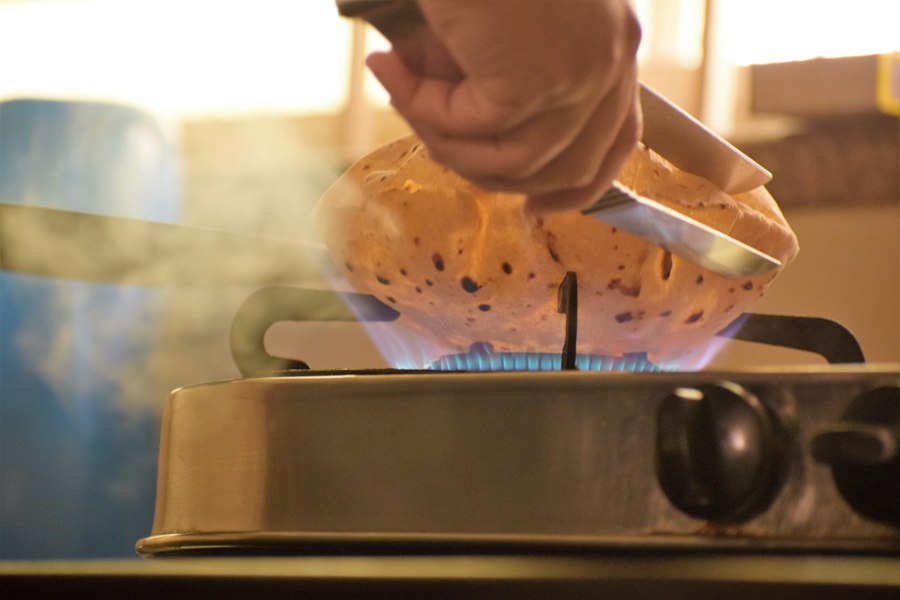
The defining feature of a pressure cooker is its ability to create a sealed environment, which fundamentally alters the way heat is transferred and utilized. This sealing is the key to its accelerated cooking times.
Steam’s Role: A Hot, Dense Medium
When liquid within the pressure cooker is heated, it turns into steam. In a conventional pot, this steam would escape into the atmosphere, carrying heat away with it. In a pressure cooker, the sealed lid prevents this escape. As more steam is generated, it begins to compress the air and other gases already present inside the pot. This compression leads to a significant increase in pressure.
This elevated pressure has a profound effect on the boiling point of water, as mentioned earlier. The liquid’s boiling point rises from 100°C (212°F) to as high as 121°C (250°F) or even higher, depending on the cooker’s design and the operating pressure. This means that the cooking medium – the steam and the superheated liquid – is at a much higher temperature than it would be in an open pot.
The steam itself becomes a highly efficient heat transfer agent. Because the steam is contained and superheated, it is a denser and hotter medium than the steam that escapes a conventional pot. This dense, hot steam surrounds the food, transferring heat rapidly through a combination of convection and condensation. As the steam condenses on the cooler surfaces of the food, it releases its latent heat of vaporization, providing a concentrated burst of energy that cooks the food quickly.
Convection Amplified: Faster and More Uniform Cooking
The amplified convection currents within a pressure cooker are a major reason for its speed. The hotter liquid and steam circulate more vigorously due to the higher temperatures and the pressure forcing them into every nook and cranny of the food. This enhanced circulation ensures that heat is distributed much more evenly and rapidly throughout the entire contents of the pot.
Consider cooking tough cuts of meat. In a conventional pot, convection currents are present but operate at a lower temperature. The meat would take a long time to tenderize. In a pressure cooker, the superheated liquid and steam circulate at high temperatures, breaking down the connective tissues in the meat much faster. The constant washing of the food by these hot currents ensures that all surfaces are exposed to the high heat, leading to more uniform cooking and significantly reduced cooking times.
Furthermore, the pressure itself plays a role in how convection operates. The increased pressure can force the cooking liquid into the porous structure of the food, allowing for more intimate contact between the liquid and the food particles. This improved contact enhances the efficiency of heat transfer through convection, permeating the food more deeply and quickly.
The Role of the Lid and Gasket: Maintaining the Pressure Cooker Environment
The design of the pressure cooker’s lid and its associated gasket are critical to maintaining the high-pressure, high-temperature environment that facilitates rapid heat transfer. The lid is designed to fit snugly and securely onto the pot, forming an airtight seal.
The gasket, typically made of rubber or silicone, is placed between the lid and the pot rim. Its purpose is to create a flexible yet robust seal that prevents any steam or liquid from escaping once the pressure has built up. Without an effective gasket, the pressure would not be able to rise, and the temperature of the cooking medium would remain at the normal boiling point of water.
Once the pressure cooker is sealed and heating begins, the steam generated by the boiling liquid pushes against the lid. The gasket compresses, maintaining the seal and allowing the pressure to build. Safety valves are incorporated into the lid to release excess pressure if it exceeds a safe operating limit, preventing catastrophic failure. However, during normal operation, the gasket’s primary function is to maintain the integrity of the sealed environment, allowing the temperature to rise and enabling the efficient heat transfer mechanisms of conduction, convection, and radiation to work at their peak performance.
Heat Penetration: From Surface to Core
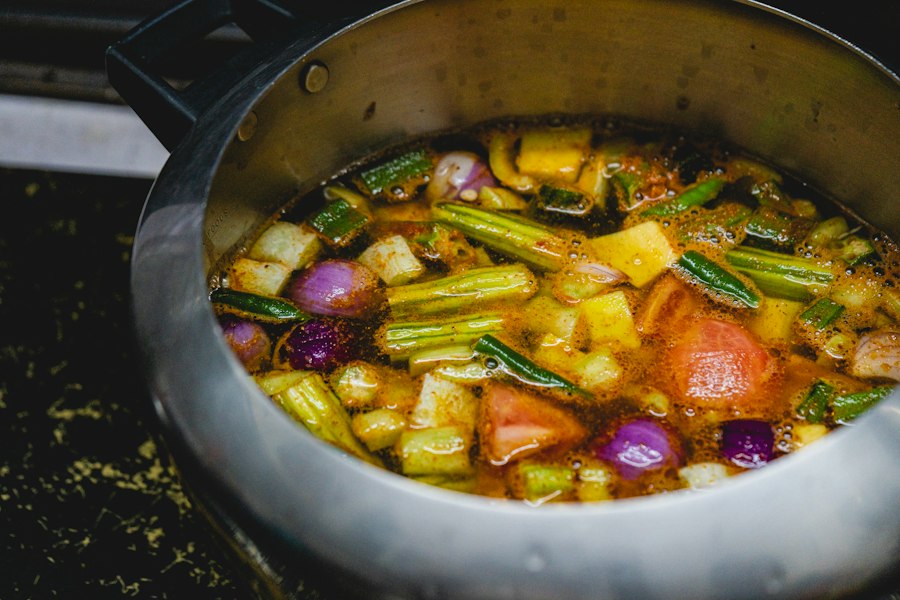
The journey of heat from the exterior of the pressure cooker to the very center of the food is a complex interplay of the previously discussed heat transfer mechanisms, all working under the amplified conditions created by the pressure.
Surface Absorption: The Initial Contact
The initial contact of heat with the food occurs at its outermost surface. This heat is transferred from the cooking liquid or steam that surrounds the food. As discussed, convection plays a dominant role here, with the hot, circulating fluids constantly bombarding the food’s surface.
For foods that are not fully submerged, like a piece of chicken placed on top of vegetables, conduction from the base of the pot and radiation from the hot metal also contribute to surface heating. However, in the context of a pressure cooker, the primary mode of initial heat absorption is overwhelmingly through the high-temperature cooking liquid or steam. This rapid surface heating is the first step in the overall cooking process.
Conduction’s Inner Workings: Moving Through Dense Food
Once the outer layers of the food have been heated, the heat must then penetrate the interior. Conduction becomes the primary mechanism for heat transfer through the solid or semi-solid parts of the food. The vibrating molecules within the heated outer layers transfer energy to their neighboring molecules, gradually moving the heat inwards.
The efficiency of this inward conduction depends on the food’s composition and density. For instance, a dense piece of beef will conduct heat more slowly than a fluffy pile of rice. The increased moisture content within food under pressure can also influence conduction. Water is a better conductor of heat than air, so as the food absorbs moisture and the steam permeates its structure, the overall rate of conductive heat transfer can be enhanced. However, conduction remains a relatively slower process compared to convection, especially for larger or denser food items.
The Advantage of Steam: Permeating and Condensing
The steam within a pressure cooker offers a significant advantage in heat penetration, particularly for porous foods. The high pressure forces the steam into the small pores and capillaries of the food. As the steam enters these spaces, it encounters cooler food material and condenses. This condensation process releases a substantial amount of latent heat, effectively “cooking” the food from within as well as from the outside.
Imagine a sponge. In a regular pot, water would slowly seep into the sponge through capillary action. In a pressure cooker, the pressurized steam acts like a powerful force, driving moisture and heat deep into the sponge’s structure rapidly. This is why foods like beans, grains, and tough meats, which have complex internal structures, benefit so greatly from the pressure cooker’s ability to force the cooking medium deep into their core. The condensation of steam on cooler internal surfaces provides a highly efficient and localized way of delivering heat where it’s needed most.
Beyond Boiling: The Science of Superheated Steam and Moisture
The environment inside a pressure cooker is not just hot water; it’s a dynamic interplay of superheated steam, pressurized liquid, and the food itself, all contributing to accelerated cooking.
Superheated Steam: More Than Just Hot Air
While often referred to as “steam,” the gaseous phase within a pressure cooker is technically “superheated steam.” This means the steam is at a temperature above its boiling point at the given pressure. Because the steam cannot escape, its temperature continues to rise as the liquid boils. This superheated steam carries significantly more thermal energy than steam at its boiling point.
When this superheated steam comes into contact with the food, it transfers its heat through convection and, crucially, through condensation. As the steam condenses on the cooler surfaces of the food, it releases its latent heat of vaporization. This energy transfer is remarkably efficient and contributes significantly to the rapid cooking observed in pressure cookers. The hotter the steam, the more energy it carries, and the faster it can cook the food.
Moisture’s Role: A Heat Carrier and Tenderizer
Moisture is an indispensable component in pressure cooking. It’s the source of the steam, and it acts as a crucial medium for heat transfer. Water and other liquids are excellent heat carriers, and their ability to absorb and transfer heat is fundamental to the pressure cooking process.
Furthermore, moisture plays a vital role in tenderizing food. In tough cuts of meat, the water molecules help to break down the collagen and connective tissues that give the meat its structure and chewiness. As the food cooks under pressure, the moisture within it also heats up, and the increased pressure can help to force this hot moisture into the food’s fibers, accelerating the tenderizing process. Without sufficient moisture, the pressure cannot build, and the steam cannot form, rendering the pressure cooker ineffective.
The Impact of Reduced Cooking Time: Preserving Nutrients and Flavor
The most noticeable effect of the efficient heat transfer within a pressure cooker is the dramatic reduction in cooking time. This rapid cooking has several positive implications.
Firstly, shorter cooking times often mean less nutrient degradation. Many vitamins, particularly water-soluble ones like vitamin C and some B vitamins, can be leached out or destroyed by prolonged exposure to heat and water. By cooking food quickly, the pressure cooker minimizes this nutrient loss, potentially leading to more nutritious meals.
Secondly, the accelerated cooking process can help to preserve the natural flavors and aromas of the food. When food is cooked for extended periods, some volatile flavor compounds can evaporate. The sealed environment of the pressure cooker helps to retain these compounds, resulting in more flavorful dishes. The rapid high-heat cooking can also lead to desirable Maillard reactions and caramelization on the surface of foods, contributing to richer flavors and textures. This combination of efficient heat transfer, superheated steam, and moisture management makes the pressure cooker a powerful tool for both speed and quality in the kitchen.
When exploring the fascinating process of how heat travels through food in a pressure cooker, it’s interesting to consider the science behind cooking methods. The pressure cooker utilizes steam and increased pressure to raise the boiling point of water, allowing heat to penetrate food more efficiently. For a deeper understanding of the principles of heat transfer and its applications in cooking, you might find this related article insightful. You can read more about it here.
Optimizing Heat Transfer: Tips for Pressure Cooker Success
| Parameter | Description | Typical Value/Range | Effect on Heat Transfer |
|---|---|---|---|
| Pressure inside cooker | Pressure level maintained during cooking | 15 psi (pounds per square inch) above atmospheric pressure | Increases boiling point of water, allowing higher cooking temperature |
| Temperature inside cooker | Temperature of steam and food during cooking | ~121°C (250°F) | Higher temperature speeds up heat transfer and cooking process |
| Heat transfer mode | Mechanism of heat movement through food | Conduction and convection | Steam transfers heat to food surface; conduction moves heat inward |
| Thermal conductivity of food | Ability of food to conduct heat | 0.5 – 0.6 W/m·K (varies by food type) | Determines rate at which heat penetrates food |
| Cooking time | Duration food is exposed to heat | Varies (e.g., 10-30 minutes depending on food) | Longer time allows heat to penetrate deeper |
| Steam generation | Amount of steam produced inside cooker | Depends on water volume and heat input | Steam surrounds food, facilitating uniform heat transfer |
| Food moisture content | Water content in food | 50% – 90% (varies by food) | Higher moisture aids heat conduction and cooking efficiency |
While the pressure cooker itself is designed for efficient heat transfer, certain practices can further optimize its performance and ensure delicious results.
Liquid Levels: The Foundation of Pressure
The amount of liquid used in a pressure cooker is critical. There must be enough liquid to generate sufficient steam to build the required pressure. However, using too much liquid can lead to overcooking or dilute flavors. Most pressure cooker recipes specify a minimum liquid amount, typically around 1 to 2 cups, to ensure proper pressure build-up. The liquid acts as the primary medium for convection, distributing heat throughout the cooker. Maintaining an adequate level ensures that this convection current is robust and effective, allowing heat to reach all parts of the food efficiently. Insufficient liquid will result in a failure to reach pressure, leading to extended, less efficient cooking times. Conversely, excessive liquid can lead to excessive steam, potentially causing food to become waterlogged or leading to longer decompression times.
Food Arrangement: Allowing for Circulation
How food is arranged inside the pressure cooker also influences heat transfer. It’s important to avoid overcrowding the cooker. Food should be arranged in a single layer or in a way that allows the steam and liquid to circulate freely around it. Overlapping or tightly packed food items can create “dead zones” where heat transfer is less efficient. This can lead to uneven cooking, with some parts of the food being overcooked while others remain undercooked. Allowing ample space for the convective currents to move ensures that all surfaces of the food are consistently exposed to the hot cooking medium, leading to more uniform and rapid cooking. For layered dishes, placing denser or slower-cooking items at the bottom can help them receive more direct heat initially, while lighter items can be placed on top.
Preheating and Sealing: Setting the Stage
Preheating the pressure cooker, especially the base, can help initiate the heat transfer process more quickly. Once the food and liquid are added, ensuring a proper seal is paramount. A secure seal is essential for the pressure to build up and for the temperature to rise to the optimal level for efficient heat transfer. A faulty seal will prevent the cooker from reaching pressure, negating its benefits and leading to longer, less efficient cooking. A good seal ensures that the superheated steam and pressurized liquid remain contained, allowing the internal temperature to climb and maximize the effectiveness of convection and condensation. The moment the cooker reaches pressure, the transformation in heat transfer dynamics begins, so a swift and secure seal is the crucial first step in unlocking the pressure cooker’s full potential.

Why This Water Doesn’t Boil at 100°C
FAQs
1. How does heat travel through food in a pressure cooker?
Heat travels through food in a pressure cooker primarily through conduction. The heat from the cooker’s base is transferred to the food through direct contact, causing the food to cook evenly and quickly.
2. Does pressure cooking affect the heat transfer process in food?
Yes, pressure cooking affects the heat transfer process in food by increasing the boiling point of water inside the cooker. This higher temperature allows for faster cooking times and more efficient heat transfer to the food.
3. What role does steam play in the heat transfer process in a pressure cooker?
Steam plays a crucial role in the heat transfer process in a pressure cooker. As the liquid inside the cooker boils and turns into steam, the pressure builds up, raising the temperature and increasing the efficiency of heat transfer to the food.
4. How does the design of a pressure cooker impact the heat transfer to food?
The design of a pressure cooker, including its materials and thickness, can impact the heat transfer to food. A well-insulated cooker with a thick base will distribute heat more evenly and efficiently, leading to better cooking results.
5. Can the cooking time be reduced by the heat transfer process in a pressure cooker?
Yes, the heat transfer process in a pressure cooker can significantly reduce cooking time compared to traditional methods. The increased pressure and temperature inside the cooker allow for faster heat transfer, resulting in quicker cooking of food.