The Invisible Dance: Unveiling Vapor Pressure
The world around us, from the gentle evaporation of morning dew to the vigorous boiling of water, is governed by a fascinating and often invisible force: vapor pressure. It’s a fundamental property of liquids that dictates their behavior and plays a crucial role in countless natural phenomena and industrial processes. Understanding vapor pressure is not merely an academic exercise; it’s about deciphering the dynamic equilibrium that exists at the interface of a liquid and its vapor, a constant molecular ballet that shapes our everyday experiences.
At its core, vapor pressure is the pressure exerted by the vapor of a substance when it is in thermodynamic equilibrium with its condensed phase (liquid or solid) at a given temperature in a closed system. This definition might sound technical, but it describes a remarkably intuitive process. Imagine a sealed container partially filled with water. Even at room temperature, some water molecules, possessing enough kinetic energy, will escape from the liquid surface and enter the gaseous phase, becoming water vapor. This process is called evaporation. Simultaneously, some water vapor molecules in the air above the liquid will lose energy and condense back into the liquid. Eventually, a point is reached where the rate of evaporation equals the rate of condensation. This is dynamic equilibrium, and at this point, the vapor above the liquid exerts a specific pressure – its vapor pressure.
The significance of vapor pressure extends far beyond this equilibrium. It directly influences a liquid’s volatility, its tendency to evaporate. Liquids with high vapor pressures are highly volatile and evaporate readily, while those with low vapor pressures are less volatile. This property is critical in applications ranging from the evaporation of solvents in manufacturing to the distribution of fragrances. Furthermore, vapor pressure is intimately linked to boiling point. A liquid boils when its vapor pressure equals the surrounding atmospheric pressure. This fundamental relationship underscores the importance of vapor pressure in understanding phase transitions and the behavior of matter under varying conditions.
This article will delve into the intricacies of vapor pressure, exploring the molecular forces at play, the factors that influence its magnitude, and its profound implications across various scientific and technological domains. By unraveling this invisible dance of molecules, we can gain a deeper appreciation for the fundamental principles that govern the liquid state and its interactions with the surrounding environment.
Vapor pressure is a fundamental concept in understanding how liquids behave under varying temperatures and conditions. For a deeper exploration of this topic, you can refer to a related article that delves into the principles of vapor pressure and its implications in various scientific fields. To learn more, visit Freaky Science, where you will find valuable insights and explanations that can enhance your understanding of this important phenomenon.
The Molecular Symphony: Forces Governing Vapor Pressure
The phenomenon of vapor pressure is rooted in the constant, energetic motion of molecules within a liquid. These molecules are not static entities but are in perpetual random movement, colliding with each other and possessing a distribution of kinetic energies. Vapor pressure arises from the interplay of these molecular energies and the intermolecular forces that hold the liquid together.
The Kinetic Energy of Molecules
Within any liquid, molecules are constantly absorbing and releasing energy, leading to a range of kinetic energies. Some molecules at the surface of the liquid, possessing sufficient kinetic energy, can overcome the attractive forces exerted by their neighboring liquid molecules and escape into the gaseous phase. This process is evaporation, and it is the initial step in the formation of vapor above a liquid. The higher the temperature of the liquid, the greater the average kinetic energy of its molecules, and consequently, the more molecules will have the energy required to escape the liquid surface. This direct relationship between temperature and the number of molecules with sufficient energy to evaporate is a cornerstone of understanding vapor pressure.
Intermolecular Forces: The Liquid’s Embrace
The molecules within a liquid are held together by attractive forces known as intermolecular forces. These forces, which can include van der Waals forces (London dispersion forces, dipole-dipole interactions) and hydrogen bonding, act like a glue, keeping the liquid molecules in close proximity. The strength of these intermolecular forces significantly impacts the liquid’s vapor pressure.
In liquids with strong intermolecular forces, such as water, a considerable amount of energy is required for a molecule to break free from these attractions and enter the gaseous phase. This means that at a given temperature, fewer molecules will have enough kinetic energy to overcome these strong bonds, resulting in a lower vapor pressure. Conversely, liquids with weak intermolecular forces, like diethyl ether, have less resistance to molecular escape. A smaller amount of kinetic energy is needed to overcome these weaker attractions, leading to a higher rate of evaporation and thus a higher vapor pressure. The type and strength of intermolecular forces are therefore critical determinants of a liquid’s inherent tendency to vaporize.
The Concept of Equilibrium
As mentioned earlier, vapor pressure is observed when a state of dynamic equilibrium is reached. In a closed container, once some molecules have evaporated and formed a vapor, collisions between these vapor molecules and the liquid surface will cause some of them to lose energy and condense back into the liquid. This condensation process is the reverse of evaporation.
Dynamic equilibrium is established when the rate at which molecules escape the liquid surface (evaporation rate) becomes exactly equal to the rate at which vapor molecules return to the liquid surface (condensation rate). At this point, the number of molecules in the vapor phase remains constant, and consequently, the pressure exerted by this vapor also remains constant. This pressure is the vapor pressure. It’s crucial to understand that equilibrium doesn’t mean the molecular motion has ceased; it signifies a balance between opposing processes. The system is in a steady state, but molecules are continuously transitioning between the liquid and vapor phases.
The Role of Surface Area
While not a direct factor in determining the equilibrium vapor pressure itself, the surface area of a liquid does influence the rate at which equilibrium is reached. A larger surface area exposes more liquid molecules to the surrounding environment, allowing for a greater number of molecules to evaporate per unit time. This means that a liquid in a wide, shallow container will reach its equilibrium vapor pressure faster than the same amount of liquid in a tall, narrow container. However, once equilibrium is achieved, the pressure exerted by the vapor will be the same, regardless of the initial surface area, provided the temperature and volume of the vapor space remain constant. This distinction between rate of evaporation and equilibrium vapor pressure is an important nuance to consider.
Factors Influencing Vapor Pressure: A Dynamic Equation
Vapor pressure is not a static property but a dynamic one, susceptible to changes in several key environmental and intrinsic factors. Understanding these influences is vital for predicting and controlling the behavior of liquids in various scenarios.
Temperature: The Primary Driver
The most significant factor influencing a liquid’s vapor pressure is temperature. As the temperature of a liquid increases, the kinetic energy of its molecules rises. This leads to a greater proportion of molecules possessing enough energy to overcome the intermolecular forces and escape into the vapor phase. Consequently, the rate of evaporation increases, and more vapor molecules accumulate above the liquid. This results in a higher vapor pressure. The relationship between vapor pressure and temperature is not linear; it generally follows an exponential trend, often described by the Clausius-Clapeyron equation. This means that even small increases in temperature can lead to substantial increases in vapor pressure. For example, heating water significantly increases the pressure exerted by its water vapor.
The Nature of the Liquid: Intermolecular Forces Revisited
As discussed previously, the strength of intermolecular forces within a liquid is a fundamental determinant of its vapor pressure at a given temperature. Liquids with weak intermolecular forces, such as nonpolar molecules with only London dispersion forces, exhibit high vapor pressures. Examples include volatile organic compounds like gasoline and acetone. These substances evaporate easily because their molecules are not strongly attracted to each other.
In contrast, liquids with strong intermolecular forces, such as those with hydrogen bonding like water or alcohols, have lower vapor pressures. The strong attractive forces between these molecules require more energy to overcome, meaning fewer molecules can escape into the vapor phase at a given temperature. This makes them less volatile. The inherent chemical structure and polarity of a liquid’s molecules dictate the types and strengths of intermolecular forces present, thereby directly impacting its vapor pressure characteristics.
Impurities and Dissolved Substances: A Disruptive Influence
The presence of impurities or dissolved substances in a liquid can significantly alter its vapor pressure. This phenomenon is described by Raoult’s Law, which states that the vapor pressure of a solution is proportional to the mole fraction of the solvent and the vapor pressure of the pure solvent. In essence, when a non-volatile solute (one that does not easily evaporate) is dissolved in a solvent, it disrupts the surface of the solvent, reducing the number of solvent molecules available to evaporate.
This reduction in the rate of evaporation leads to a lower vapor pressure for the solution compared to the pure solvent at the same temperature. This effect is known as vapor pressure lowering. The extent of this lowering depends on the concentration of the solute. For example, adding salt to water lowers the vapor pressure of the water. This principle has practical applications, such as in antifreeze formulations, where dissolving ethylene glycol in water lowers its vapor pressure, preventing excessive evaporation in engines.
External Pressure: A Subtle Effect on Equilibrium
While external pressure doesn’t directly change the vapor pressure of a liquid at equilibrium, it can influence the conditions under which equilibrium is reached and affect the boiling point. In a closed system, the vapor pressure is the pressure exerted by the vapor molecules themselves. However, in an open system, the surrounding atmospheric pressure plays a crucial role in phenomena like boiling. Boiling occurs when the vapor pressure of the liquid equals the external pressure. If the external pressure is lower (e.g., at high altitudes), the liquid will boil at a lower temperature because its vapor pressure can reach this lower external pressure more easily. Conversely, higher external pressures require higher vapor pressures (and thus higher temperatures) for boiling to occur. Therefore, while not a direct cause of vapor pressure change, external pressure is intimately linked to the observable consequences of vapor pressure, particularly boiling.
The Manifestations of Vapor Pressure: From Everyday to Industrial
The invisible force of vapor pressure is responsible for a remarkable array of observable phenomena and plays a critical role in a vast spectrum of industrial processes. Understanding these manifestations provides tangible examples of vapor pressure at work.
Evaporation and Drying: The Slow Escape
Evaporation, the process by which a liquid changes into a gas or vapor, is a direct consequence of vapor pressure. When the vapor pressure of a liquid is high relative to the surrounding partial pressure of its vapor, molecules readily escape the liquid surface. This is why puddles disappear after rain and why wet clothes dry in the air. The rate of evaporation is influenced by factors like temperature, humidity (the partial pressure of water vapor in the air), air movement, and the surface area of the liquid. In industrial settings, controlled evaporation is used for drying various materials, from food products to pharmaceuticals and paints. The effectiveness of drying processes is directly linked to managing the vapor pressure of the liquid being removed.
Boiling: The Dramatic Transition
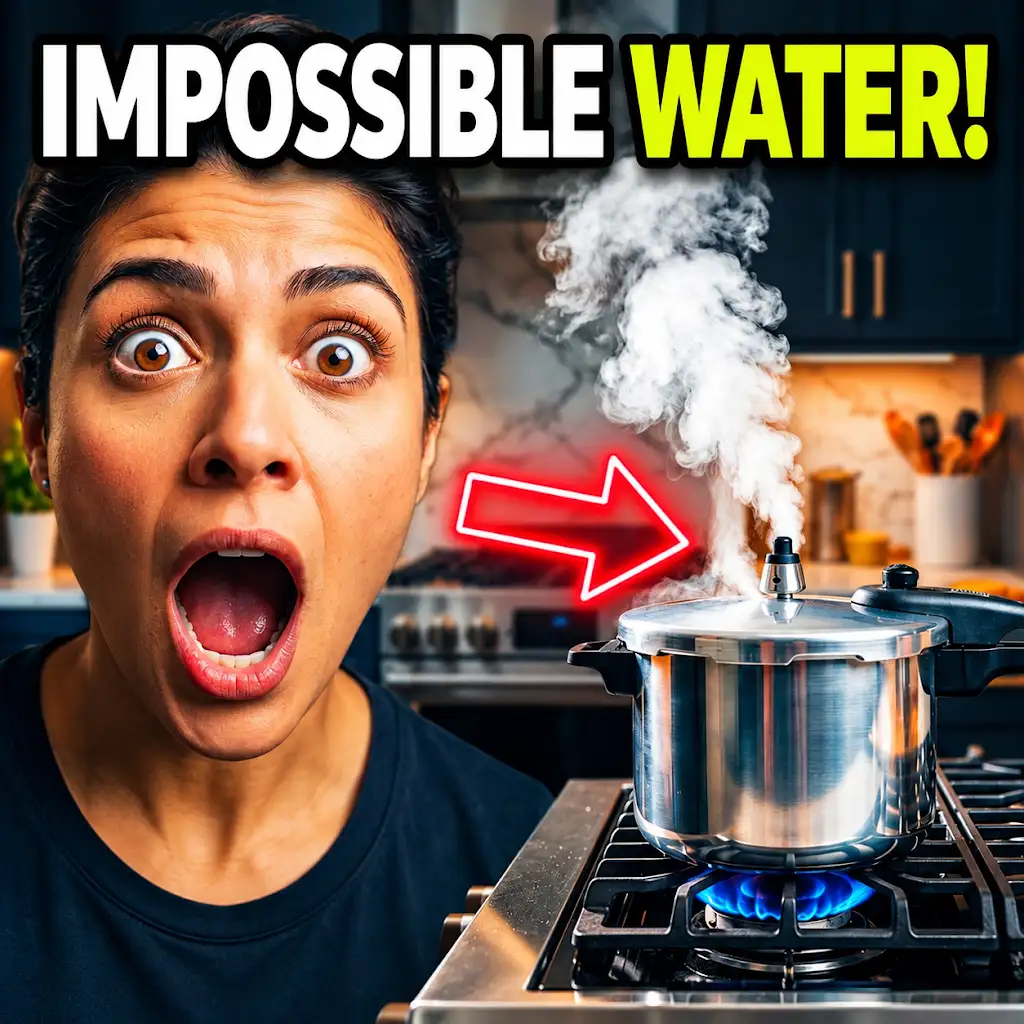
Boiling is perhaps the most dramatic and readily observable manifestation of vapor pressure. A liquid boils when its vapor pressure becomes equal to the external pressure acting upon it. At this point, vaporization occurs not just at the surface but throughout the bulk of the liquid, forming bubbles of vapor that rise and escape. The temperature at which this occurs is known as the boiling point. As we’ve seen, the boiling point is inversely related to the external pressure. At sea level, water boils at 100°C (212°F) because its vapor pressure reaches atmospheric pressure at this temperature. In Denver, Colorado, which is at a higher altitude and has lower atmospheric pressure, water boils at a lower temperature, around 95°C (203°F). This principle is crucial in cooking at different altitudes, as well as in the design of steam engines and refrigeration systems where controlled boiling and condensation are essential.
Humidity and Weather Patterns: The Atmosphere’s Moisture
Vapor pressure is a fundamental concept in meteorology, particularly in understanding humidity. The amount of water vapor in the atmosphere, known as humidity, is directly related to the partial pressure of water vapor. The maximum amount of water vapor the air can hold at a given temperature is known as the saturation vapor pressure. When the actual vapor pressure of water in the air is less than the saturation vapor pressure, more evaporation can occur. When the actual vapor pressure reaches the saturation vapor pressure, the air is saturated, and condensation begins, leading to cloud formation, fog, or dew. Weather patterns, precipitation, and the overall comfort level experienced by humans are all intricately linked to the vapor pressure of water in the atmosphere.
Perfumes and Volatile Liquids: The Aroma’s Journey
The delightful scents of perfumes and the sharp smell of solvents are due to the volatility of the liquids involved, a direct consequence of their vapor pressure. Perfumes are typically composed of volatile aromatic compounds with relatively high vapor pressures. These molecules readily evaporate from the skin or fabric, becoming airborne and reaching our olfactory receptors. Similarly, volatile organic compounds (VOCs) used in paints, glues, and cleaning products also exhibit significant vapor pressure, contributing to their characteristic odors and their tendency to dissipate into the air. Understanding and controlling the vapor pressure of these substances is crucial for product formulation, safety, and environmental considerations.
Biological Processes: Life’s Essential Evaporation
Vapor pressure plays a subtle yet vital role in many biological processes. Transpiration, the process by which plants release water vapor into the atmosphere through their leaves, is driven by the difference in water potential between the inside of the leaf and the surrounding air, which is influenced by vapor pressure. This process is essential for nutrient transport and cooling. Similarly, the evaporation of sweat from our skin helps regulate body temperature. The efficiency of this cooling mechanism is dependent on the vapor pressure of water in the environment. Even the delicate balance of fluids within living cells can be influenced by the vapor pressure of their surrounding environment.
Vapor pressure is a fascinating concept that describes the pressure exerted by a vapor in equilibrium with its liquid or solid form. Understanding how vapor pressure works can provide insights into various scientific phenomena, including boiling points and evaporation rates. For a deeper exploration of this topic, you might find the article on Freaky Science particularly enlightening, as it delves into the principles and applications of vapor pressure in everyday life.
Measuring Vapor Pressure: Tools and Techniques
| Parameter | Description | Typical Values / Examples | Effect on Vapor Pressure |
|---|---|---|---|
| Temperature (°C) | Measure of thermal energy affecting evaporation rate | 0, 25, 50, 75, 100 | Higher temperature increases vapor pressure exponentially |
| Vapor Pressure (kPa) | Pressure exerted by vapor in equilibrium with its liquid | Water at 25°C: 3.17 kPa; Water at 100°C: 101.3 kPa | Represents the tendency of molecules to escape liquid phase |
| Intermolecular Forces | Attractive forces between molecules in liquid | Strong (e.g., water), Weak (e.g., ethanol) | Stronger forces lower vapor pressure |
| Surface Area | Area of liquid exposed to air | Small beaker vs. large pan | Larger area increases evaporation rate but not equilibrium vapor pressure |
| Atmospheric Pressure (kPa) | Pressure exerted by surrounding air | Standard: 101.3 kPa | Does not affect vapor pressure but affects boiling point |
| Volatility | Tendency of a substance to vaporize | High for acetone, low for glycerol | Higher volatility means higher vapor pressure |
Accurately determining the vapor pressure of a substance is crucial for scientific research, industrial applications, and safety regulations. Various methods and instruments have been developed to measure this important property, each suited to different conditions and materials.
Static Methods: Observing Equilibrium in a Closed System
Static methods for measuring vapor pressure involve creating a closed system where the liquid and its vapor can reach thermodynamic equilibrium. The pressure exerted by the vapor at this equilibrium is then measured directly. A common approach involves using a manometer connected to a sealed vessel containing the liquid. As the liquid evaporates, the vapor fills the space above it, and the manometer measures the resulting pressure. For substances with very low vapor pressures, specialized techniques might be employed to amplify the pressure reading or use different types of manometers. These methods are generally accurate but can be time-consuming as it takes time for equilibrium to be established, especially for less volatile substances.
Dynamic Methods: Continuous Vaporization and Pressure Measurement
Dynamic methods involve continuously vaporizing the liquid while measuring the pressure of the vapor produced. One such technique is the ebulliometric method, which is closely related to boiling point determination. In this method, the liquid is heated to its boiling point under a controlled pressure. The temperature at which the liquid boils is a direct indicator of its vapor pressure at that specific pressure. By measuring the boiling point at various known pressures, a vapor pressure curve can be constructed. This method is often faster than static methods, especially for liquids that boil readily. Another dynamic approach involves carefully controlling the flow of vapor from a heated liquid through a system where its pressure can be accurately measured.
Gas Saturation Method: For Low Vapor Pressure Substances
For substances with extremely low vapor pressures, such as many solids or high-boiling point liquids, traditional methods can be impractical. The gas saturation method is a technique used in these cases. An inert carrier gas (like nitrogen) is bubbled through or passed over the substance at a controlled temperature. The carrier gas becomes saturated with the vapor of the substance. By measuring the mass of the substance that evaporates into a known volume of carrier gas, or by analyzing the composition of the exiting gas stream, the vapor pressure can be calculated. This method relies on accurately knowing the flow rate of the carrier gas and the total pressure within the system.
Theoretical and Computational Approaches: Predictive Power
Beyond direct measurement, theoretical models and computational simulations are increasingly used to predict vapor pressures. Thermodynamic principles, such as the Clausius-Clapeyron equation, can provide estimations if parameters like the enthalpy of vaporization are known. Computational chemistry methods, employing molecular dynamics or quantum mechanical calculations, can also simulate the behavior of molecules and predict their tendency to transition into the vapor phase, thus estimating vapor pressure. While these methods may not always match experimental precision, they are invaluable for initial assessments, exploring hypothetical substances, and understanding the underlying molecular mechanisms driving vapor pressure.
The Future of Vapor Pressure Understanding: Innovation and Application
The study of vapor pressure is far from complete. Ongoing research and technological advancements are continuously refining our understanding and expanding the applications of this fundamental property. The ability to precisely measure, predict, and manipulate vapor pressure will continue to drive innovation across numerous scientific and industrial frontiers.
Advanced Measurement Techniques: Precision and Efficiency
Future advancements in vapor pressure measurement are likely to focus on increased precision, speed, and the ability to measure under extreme conditions. Micro- and nanofluidic devices could offer novel ways to study vapor pressure at very small scales, potentially revealing new phenomena. Real-time monitoring of vapor pressure in complex systems, such as during chemical reactions or in biological environments, will become more sophisticated. The development of portable and less intrusive measurement techniques could also revolutionize field applications, allowing for on-site analysis in diverse settings. Furthermore, integrating advanced sensor technologies with AI and machine learning algorithms could lead to predictive models that continuously adapt and improve their accuracy.
Tailoring Material Properties: Designing for Specific Vapor Pressures
The ability to control the vapor pressure of materials is crucial for designing substances with tailored properties. In areas like advanced materials science, researchers are exploring ways to create liquids and solids with specific volatilities for applications such as controlled drug delivery, advanced coatings, and responsive materials. For instance, developing materials that release active compounds at a precisely controlled rate through controlled evaporation could revolutionize medicine and agriculture. Similarly, understanding and manipulating the vapor pressure of construction materials could lead to more durable and environmentally friendly building components.
Energy and Sustainability: Harnessing Vapor Pressure Principles
Vapor pressure plays a significant role in energy-related technologies and sustainability efforts. In refrigeration and air conditioning systems, the efficient manipulation of the vapor pressure of refrigerants is fundamental to their operation. Research into new, environmentally friendly refrigerants with optimized vapor pressure characteristics is ongoing. Furthermore, understanding phase transitions driven by vapor pressure is critical for developing advanced energy storage solutions, such as those involving phase-change materials. The efficient capture and utilization of resources often involve managing evaporation and condensation processes, where vapor pressure is the key parameter.
Environmental Monitoring and Control: Safeguarding Our Planet
The accurate measurement and understanding of vapor pressure are essential for environmental monitoring and control. This includes tracking the emission of volatile organic compounds from industrial sources, assessing the potential for evaporation of pollutants from soil and water, and understanding the atmospheric transport of various substances. Developing technologies that can effectively mitigate the release of harmful vapors or capture them for reuse or disposal will rely heavily on a deep understanding of vapor pressure dynamics. The study of vapor pressure also contributes to modeling climate change, understanding the water cycle, and predicting the behavior of atmospheric pollutants.
Biomedical Applications: From Diagnostics to Therapeutics
The biomedical field offers exciting prospects for vapor pressure applications. For example, the controlled release of therapeutic agents from implants or patches is an area where vapor pressure can be precisely engineered. Diagnostic tools that detect specific volatile biomarkers in breath or bodily fluids could also leverage an understanding of vapor pressure. Furthermore, exploring the role of vapor pressure in cellular processes and intercellular communication may unlock new avenues for understanding and treating diseases. The development of advanced sterilization techniques could also benefit from precise control over vapor pressure.
In conclusion, vapor pressure is a fundamental property of liquids that underpins a vast array of physical phenomena and technological applications. From the simple act of drying to the complex processes that drive weather patterns and power industrial machinery, its influence is pervasive. As scientific understanding and technological capabilities continue to advance, our ability to harness and manipulate vapor pressure will undoubtedly lead to further innovations that shape our world in profound ways. The invisible dance of molecules at the liquid surface, governed by vapor pressure, will continue to be a source of both wonder and practical utility.
Why This Water Doesn’t Boil at 100°C
FAQs
What is vapor pressure?
Vapor pressure is the pressure exerted by a vapor in thermodynamic equilibrium with its condensed phases (solid or liquid) at a given temperature in a closed system.
How does vapor pressure work?
Vapor pressure is a measure of a substance’s tendency to evaporate. As the temperature increases, the vapor pressure also increases because more molecules have enough energy to escape from the liquid or solid phase into the gas phase.
What factors affect vapor pressure?
The vapor pressure of a substance is influenced by temperature, intermolecular forces, and the nature of the substance. Generally, higher temperatures and weaker intermolecular forces lead to higher vapor pressures.
Why is vapor pressure important?
Vapor pressure is important in various applications, such as in the study of phase transitions, distillation processes, and the behavior of volatile substances. It also plays a crucial role in understanding atmospheric phenomena and climate science.
How is vapor pressure measured?
Vapor pressure can be measured using various techniques, including manometers, ebulliometers, and vapor pressure osmometers. These methods help determine the equilibrium vapor pressure of a substance at a specific temperature.