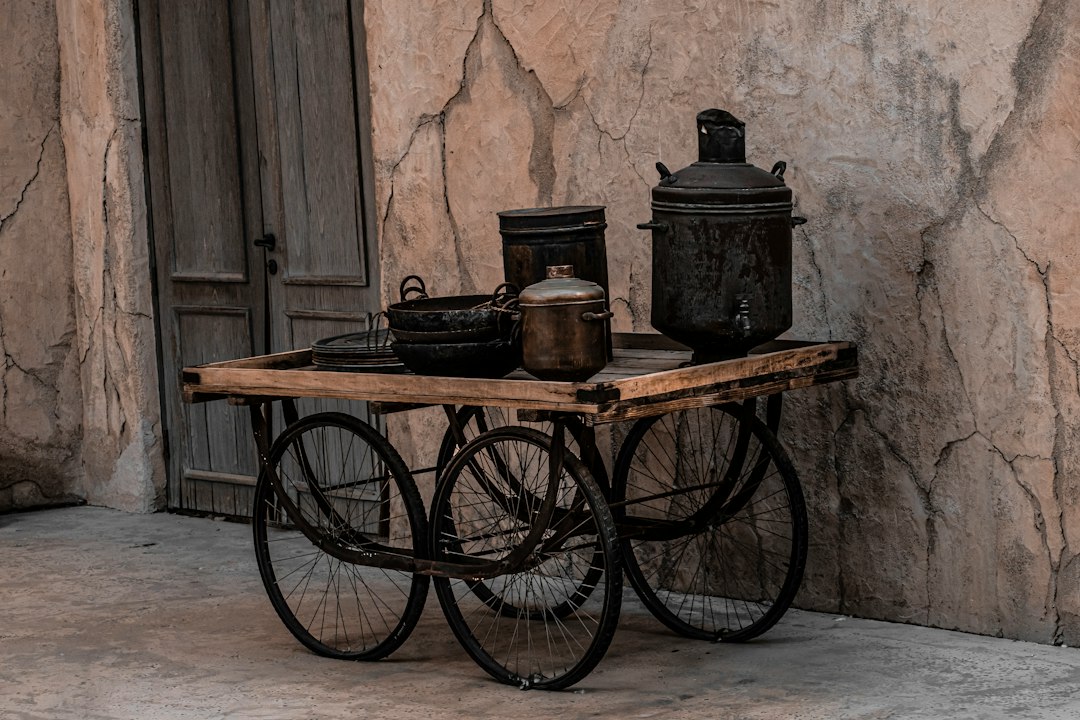
The history of the pressure cooker is a testament to human ingenuity, a story of how a seemingly simple mechanical device revolutionized the way we cook. It transformed tough ingredients into tender delights, drastically reduced cooking times, and ultimately, made elaborate meals more accessible to everyday cooks. The journey from early, rudimentary designs to the sleek, safe appliances found in modern kitchens is a fascinating evolution, driven by scientific understanding, engineering advancements, and a persistent desire for culinary efficiency. This culinary revolution, born from a fundamental principle of physics, has indelibly shaped kitchens and dining tables across the globe.
The Genesis of Pressure Cooking: From Alchemy to Alchemy
The fundamental principle behind the pressure cooker – that heating liquids in a sealed container increases pressure and raises the boiling point – was understood long before a practical cooking device emerged. Early scientific observations hinted at the potential of trapped steam.
Early Scientific Musings and the “Alembic”
The concept of using enclosed steam to generate power or alter substances can be traced back centuries. Alchemists and early scientists experimented with sealed vessels, often for distillation or chemical reactions. While not directly for cooking, these experiments laid the groundwork for understanding the behavior of steam under pressure. These early devices, often referred to as “alembics” or retorts, were primarily used for extracting essences or creating potent elixirs, but they demonstrated the power of contained heat and vapor. The challenge was to harness this power safely and effectively for culinary purposes. The notion of elevating boiling points was a theoretical curiosity for many, a concept discussed in scientific circles but yet to be translated into a tangible, everyday tool for the home.
Denis Papin and the “Steam Digester”
The true progenitor of the pressure cooker is widely attributed to Denis Papin, a French physicist and inventor. In 1679, Papin, working in England, developed what he called the “steam digester.” His invention was a sturdy pot with a lid that could be sealed tightly. Inside, he placed bones and other tough materials, heated them, and observed that the steam trapped within significantly increased the cooking temperature. This allowed him to tenderize substances that would normally require hours of simmering. Papin’s primary motivation was not necessarily culinary in the modern sense, but rather to find ways to extract nutrients from bones and other materials efficiently. He envisioned it as a device for producing broth and tenderizing meats and vegetables. His invention was a significant step, demonstrating the practical application of increased pressure to food preparation. He even published a paper on his invention, illustrating its potential. Papin’s “digester” was a pivotal moment, moving the concept from theoretical possibility to tangible reality, even if its initial applications were more focused on nutrient extraction than gourmet cooking.
The history of the pressure cooker is a fascinating journey that showcases the evolution of cooking technology over the years. For those interested in learning more about this innovative kitchen appliance, you can explore a related article that delves into its origins and development. Check out this insightful piece at Freaky Science to discover how the pressure cooker has transformed culinary practices and made cooking faster and more efficient.
The Long Road to the Modern Kitchen Appliance

Papin’s groundbreaking invention, however, did not immediately become a kitchen staple. Several decades passed before the pressure cooker began its slow journey towards widespread adoption, facing challenges in design, safety, and public acceptance.
The 19th Century: Gradual Refinements and Industrial Applications
Throughout the 19th century, various inventors tinkered with Papin’s basic design. Improvements focused on enhancing safety features, as early pressure vessels could be prone to explosions if not handled correctly. The emphasis was often on industrial applications, such as steam engines and sterilization equipment. For instance, Charles Chamberland, a French veterinarian and biologist, developed an early steam sterilizer in the 1880s, which utilized principles similar to a pressure cooker to kill microorganisms. While not a cooking device, it further solidified the understanding of steam under pressure for heat-based sterilization. The idea of a home cooking appliance was still largely theoretical, with advancements primarily driven by industrial needs and the burgeoning field of microbiology. The challenges of creating a truly reliable and safe device for the home were significant, involving metallurgy, gasket technology, and pressure regulation.
The 20th Century Revolution: From Post-War Necessity to Culinary Convenience
The true dawn of the modern pressure cooker arrived in the 20th century. World Wars I and II played a surprisingly significant role. During these periods of rationing and resource scarcity, the efficiency of the pressure cooker became invaluable. It allowed families to make the most of tougher, cheaper cuts of meat and reduced fuel consumption, a critical concern during wartime. This necessity, however, paved the way for a broader appreciation of its capabilities.
The Birth of the Commercial Pressure Cooker
The post-war era saw a surge in consumerism and a desire for convenient household appliances. In 1938, Fred Sterling invented the first American-made pressure cooker, the “Sterling Hearth Cooker.” However, it was the German company Krups and the American company National Presto Industries that truly brought pressure cookers into mainstream kitchens in the late 1940s and 1950s. These companies refined the design, incorporating safety valves and more user-friendly mechanisms. The “Express Cooker” by National Presto, introduced in 1953, became a household name, advertised for its ability to cook meals in a fraction of the usual time. The concept of “quick meals” resonated with a generation of busy homemakers. The early commercial pressure cookers were often made of aluminum and featured a weighted valve that would hiss and release steam when pressure was reached. While effective, they could be intimidating to novice users due to the audible release of steam and the need for careful monitoring.
Safety Innovations and Design Evolution
Early pressure cookers, while revolutionary, sometimes had a reputation for being dangerous. Explosions, though rare, were a concern. This led to continuous innovation in safety features. The development of the spring-loaded valve, which provided a more controlled release of pressure and a gentler sound, was a significant advancement. Gaskets were improved for better sealing and durability. The introduction of aluminum alloys made the cookers lighter and more conductive of heat. Later, stainless steel became a popular material, offering durability and a more modern aesthetic. The evolution also saw the introduction of multiple safety mechanisms, including backup pressure release vents and interlocking lids that prevented opening while under pressure. These design enhancements gradually built consumer confidence, transforming the pressure cooker from a novelty item into a trusted kitchen tool. The journey was one of iterative improvement, driven by a commitment to both functionality and user safety.
The Science Under Pressure: How it Works
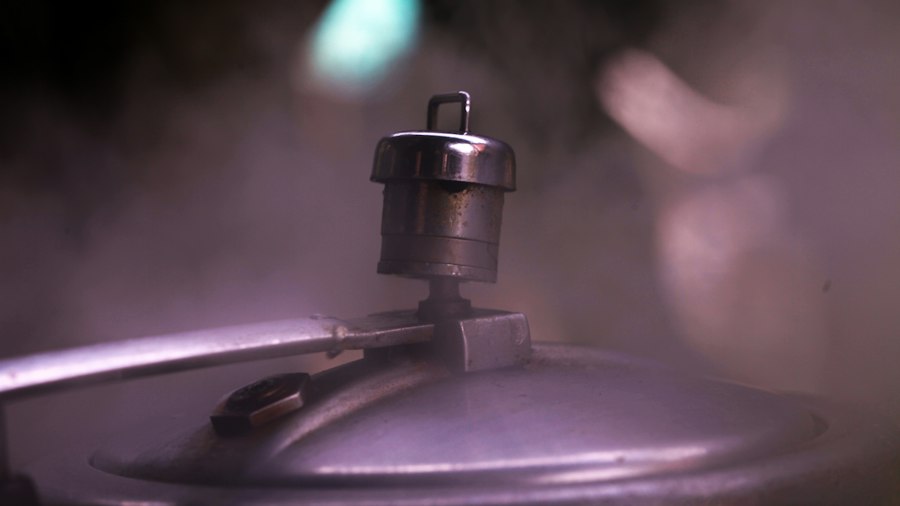
At the heart of the pressure cooker’s effectiveness lies a fundamental scientific principle that, when harnessed, creates a dramatically accelerated cooking environment. Understanding this science demystifies the device and highlights its efficiency.
The pressure cooker has a fascinating history that reflects advancements in cooking technology and food preservation. For those interested in exploring this topic further, a related article can be found at Freaky Science, which delves into the evolution of kitchen appliances and their impact on culinary practices. Understanding the origins and development of the pressure cooker can enhance our appreciation for this essential kitchen tool that has transformed meal preparation for generations.
The Thermodynamics of Trapped Steam
The core principle is based on the relationship between pressure and the boiling point of water. At standard atmospheric pressure (sea level), water boils at 100°C (212°F). However, when water is heated in a sealed container, such as a pressure cooker, the steam generated cannot escape. This trapped steam builds up pressure within the pot. As the pressure increases, so too does the boiling point of the water. In a typical pressure cooker, the internal pressure can reach 15 psi (pounds per square inch) above atmospheric pressure. At this increased pressure, water boils at approximately 121°C (250°F). This higher temperature is the key to faster cooking. It means that food is being cooked at a significantly elevated temperature, allowing chemical reactions that break down tough fibers and tenderize ingredients to occur much more rapidly.
Beyond Heat: The Role of Moisture and Tenderization
While the elevated temperature is the primary driver of speed, the moist environment within the pressure cooker also plays a crucial role. The steam envelops the food, ensuring even cooking and preventing dehydration. This continuous circulation of hot steam penetrates food effectively, breaking down connective tissues in meats and softening starches in vegetables and grains. The intense heat and moisture work in tandem to achieve tender results in a fraction of the time compared to traditional stovetop methods like simmering or braising. This dual action – accelerated chemical reactions due to higher temperature and efficient heat transfer through moist steam – is what makes the pressure cooker so effective at transforming tough ingredients into succulent, tender dishes. The pressure itself also has a subtle effect, potentially influencing the texture of some foods, though the temperature increase remains the dominant factor in cooking time reduction.
The Pressure Cooker’s Impact on Culinary Practices
The introduction and evolution of the pressure cooker had a profound and lasting impact on how people cooked, what they cooked, and the time they dedicated to food preparation. It democratized certain cooking techniques and opened up new culinary possibilities.
Speeding Up the Kitchen: A Boon for Busy Lives
One of the most immediate and appreciated impacts of the pressure cooker was its ability to drastically reduce cooking times. What once took hours of simmering, like pot roasts, stews, or dried beans, could now be accomplished in 30-60 minutes. This was a game-changer for households where time was a precious commodity. It allowed for the preparation of hearty, home-cooked meals even on weeknights, reducing reliance on convenience foods. The appeal of a flavorful, slow-cooked meal without the extensive time commitment was immense. This efficiency made home cooking more accessible and sustainable for working families and individuals. It fostered a return to more traditional dishes that had previously been considered too time-consuming for modern lifestyles.
Expanding Culinary Horizons: From Tough Cuts to Global Flavors
The pressure cooker didn’t just speed up existing cooking methods; it enabled new ones and made previously challenging ingredients accessible. Tougher, less expensive cuts of meat, which often required long braising or stewing, could be rendered incredibly tender and flavorful in a fraction of the time. This made these cuts more appealing and economical for home cooks. Furthermore, the pressure cooker proved ideal for cooking legumes like dried beans and lentils, which typically have very long cooking times. This facilitated the incorporation of these nutritious and versatile ingredients into a wider range of dishes. The ability to rapidly cook grains, root vegetables, and even certain fruits opened up new avenues for experimentation. As global cuisines gained popularity, the pressure cooker also became a tool for replicating dishes from around the world that traditionally involved long, slow cooking processes, bringing authentic international flavors into home kitchens with greater ease.
The Rise of the Electric Pressure Cooker and Modern Innovations
The evolution of the pressure cooker took another significant leap with the advent of electric pressure cookers, often referred to as multicookers or Instant Pots. These modern appliances combine the functions of a pressure cooker with those of a slow cooker, rice cooker, steamer, and more.
The Electric Pressure Cooker: Convenience Meets Versatility
Electric pressure cookers, which gained significant traction in the early 21st century, offered several advantages over their stovetop predecessors. They are self-contained units with precise temperature and pressure controls, eliminating the need to monitor a stovetop or adjust heat levels manually. Safety features are typically more advanced and integrated, providing peace of mind for users. The digital interfaces offer pre-programmed settings for various foods, making cooking even more straightforward. The “set it and forget it” nature of electric pressure cookers further enhanced their appeal, allowing users to engage in other activities while their meal cooks. The versatility of these appliances, often incorporating sauté functions, yogurt makers, and more, has made them indispensable in many modern kitchens.
Smart Technology and the Future of Pressure Cooking
The integration of smart technology is the latest frontier in the evolution of the pressure cooker. Many modern electric models now connect to Wi-Fi, allowing users to control and monitor their cooking remotely via smartphone apps. These apps can offer a vast library of recipes, cooking instructions, and even real-time updates on cooking progress. Some smart pressure cookers can automatically adjust cooking times and temperatures based on the ingredients detected or user preferences. This level of connectivity and intelligence promises to further streamline the cooking process and empower even novice cooks to achieve gourmet results. The future of pressure cooking is likely to be characterized by even greater automation, personalized cooking experiences, and seamless integration with our connected lives, continuing its legacy as a culinary revolution.

Why This Water Doesn’t Boil at 100°C
FAQs
1. How was the pressure cooker invented?
The pressure cooker was invented by French physicist Denis Papin in the 17th century. He developed the idea of using steam pressure to cook food faster and more efficiently.
2. When did pressure cookers become popular in households?
Pressure cookers became popular in households during the early 20th century, especially during times of war when there was a need to conserve fuel and cook food quickly.
3. What are the benefits of using a pressure cooker?
Using a pressure cooker can help save time and energy as it cooks food faster than traditional methods. It also helps retain more nutrients in the food and can tenderize tough cuts of meat.
4. Are pressure cookers safe to use?
Modern pressure cookers are equipped with safety features such as pressure release valves and locking lids to prevent accidents. As long as they are used correctly according to the manufacturer’s instructions, pressure cookers are safe to use.
5. How has the design of pressure cookers evolved over time?
Over time, pressure cookers have evolved to be more user-friendly and efficient. They now come in various sizes, materials, and features to cater to different cooking needs. Modern pressure cookers are also easier to clean and maintain compared to earlier models.