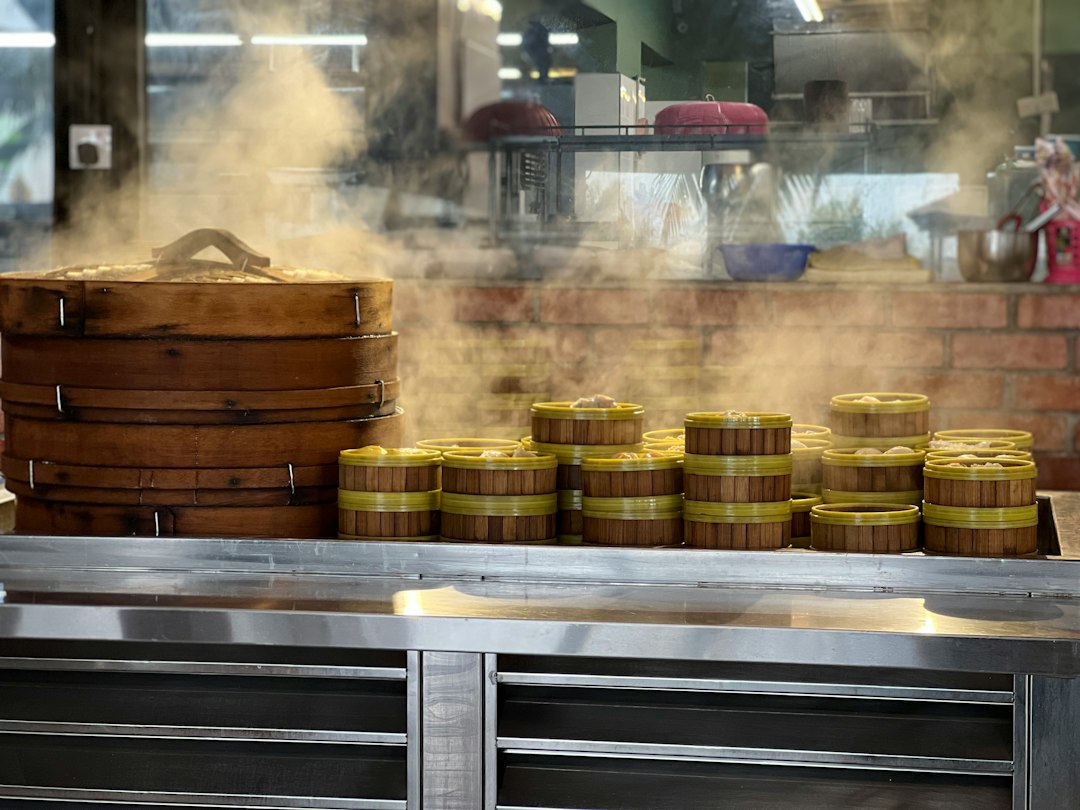
The Fundamental Principle: Heat and Pressure’s Synergy
Steam, often perceived as a gentle mist, harbors a powerful secret when it comes to cooking: its ability to exert significant pressure. Understanding how this pressure interacts with heat is the cornerstone of appreciating the efficiency and efficacy of steam pressure cooking. At its core, pressure cooking is an accelerated form of conventional cooking that leverages the physical properties of water when confined. Water, when heated, transforms into steam, and this steam occupies a much larger volume than its liquid form. In a sealed pressure cooker, this expansion is restricted, leading to a dramatic increase in internal pressure. This heightened pressure is not merely a byproduct; it is the active agent that drives the cooking process.
Water’s Transformation: From Liquid to Gas and Beyond
The journey of water from liquid to gas is a familiar one. When heat is applied to water, its molecules gain kinetic energy, vibrating faster and faster. Eventually, they gain enough energy to break free from their intermolecular bonds and escape into the air as steam. In an open pot, this steam dissipates, carrying heat away with it. However, in a pressure cooker, this steam is trapped. As more steam is generated within the sealed vessel, the molecules have less space to move, leading to a buildup of pressure. This pressure increase has a profound effect on the boiling point of water.
The Boiling Point Elevation: A Crucial Consequence
Normally, water boils at 100 degrees Celsius (212 degrees Fahrenheit) at standard atmospheric pressure. However, as the pressure inside a sealed container increases, the temperature at which water boils also rises. This phenomenon, known as boiling point elevation, is a direct consequence of the Clausius-Clapeyron relation, which describes the relationship between pressure and the boiling point of a liquid. Essentially, the increased external pressure makes it harder for water molecules to escape into the gaseous phase. To overcome this resistance and transition into steam, the water molecules need to possess even more kinetic energy, meaning a higher temperature is required for boiling to occur. A typical pressure cooker can reach internal pressures of 15 psi (pounds per square inch) above atmospheric pressure, which translates to a boiling point of around 121 degrees Celsius (250 degrees Fahrenheit). This elevated temperature is the primary driver behind the significantly reduced cooking times associated with pressure cooking.
The Role of Steam: Beyond Mere Heating
While the increased temperature is a major factor, the steam itself plays a crucial role beyond just transferring heat. Steam is an incredibly efficient heat transfer medium. Its latent heat of vaporization, the energy released when steam condenses back into water, is significantly higher than the sensible heat of hot water. This means that when steam comes into contact with food and condenses, it releases a large amount of thermal energy directly into the food, further accelerating the cooking process. Furthermore, the high pressure within the cooker forces the steam into every nook and cranny of the food, ensuring more uniform and thorough cooking compared to methods where steam can easily escape.
Penetration and Saturation: Reaching the Core
The pressure within the cooker doesn’t just raise the temperature; it actively influences how steam interacts with the food. The increased pressure forces the steam molecules to penetrate the food’s structure more effectively. Imagine the steam being squeezed into the food’s pores and intercellular spaces. This deep penetration ensures that the heat reaches the core of the food much faster. Coupled with the high temperature, this allows for rapid cooking without drying out the exterior or leaving the interior undercooked. This is particularly beneficial for tougher cuts of meat or dense vegetables, where conventional cooking methods might require prolonged simmering or braising to achieve tenderness. The steam’s ability to saturate the food also contributes to moisture retention, preventing the food from becoming tough or rubbery.
Steam pressure cooking is an efficient method that utilizes high-pressure steam to cook food quickly while preserving its nutrients and flavor. For a deeper understanding of the science behind this cooking technique, you can explore a related article that delves into the principles and benefits of steam pressure cooking. To read more, visit this article.
The Science of Tenderness: Breaking Down Food Components
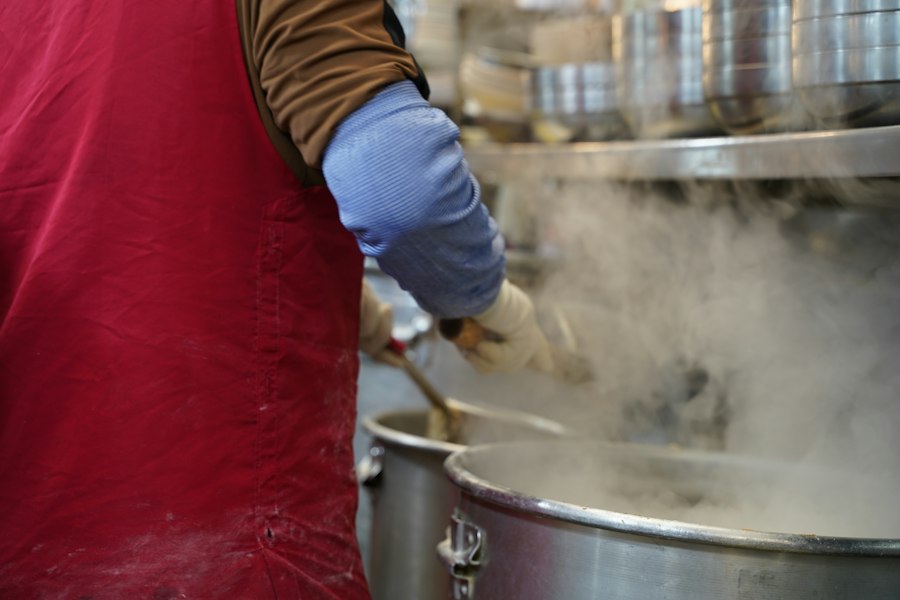
The elevated temperatures and the forceful action of steam in a pressure cooker work in tandem to break down complex food molecules, leading to enhanced tenderness and texture. This is particularly relevant for proteins and fibrous ingredients, which often require significant heat and moisture to become palatable. The pressure cooker’s environment effectively accelerates these biochemical and physical changes.
Tenderizing Proteins: A Molecular Transformation
Proteins are long chains of amino acids. When exposed to heat, these chains begin to unravel and change their structure – a process known as denaturation. In a pressure cooker, the higher temperatures accelerate this denaturation. Beyond denaturation, the prolonged exposure to high heat and steam begins to break down the collagen found in connective tissues of meat. Collagen is a tough, fibrous protein that gives structure to muscle. Under high heat and pressure, collagen hydrolyzes into gelatin, a softer, gel-like substance. This transformation is what gives braised or stewed meats their characteristic fall-apart tenderness. The steam also helps to lubricate the protein strands, further contributing to a tender mouthfeel.
Gelatinization of Connective Tissues: The Key to Succulence
The breakdown of collagen into gelatin is a crucial step in achieving succulent and tender results, especially with tougher cuts of meat. Gelatin is a hydrocolloid, meaning it can absorb and retain large amounts of water. As collagen breaks down, it releases moisture that was previously locked within the connective tissues. This released moisture, combined with the gelatin’s water-binding capacity, contributes to the succulence of the cooked food. Without this breakdown, meat can remain tough and dry even after cooking for extended periods. The pressure cooker’s ability to achieve high temperatures rapidly and maintain them under pressure ensures that this gelatinization process occurs efficiently.
Softening Fibrous Vegetables: Unlocking Nutrients and Flavors
Vegetables, particularly those with fibrous structures like carrots, potatoes, and beans, also benefit from the pressure cooking process. The high heat and steam break down the rigid cell walls of these vegetables. Cellulose and pectin, the primary structural components of plant cell walls, are softened and partially dissolved. This makes the vegetables easier to digest and allows their inherent flavors to be released more readily. Furthermore, the rapid cooking time helps to preserve more of the vegetables’ heat-sensitive vitamins and minerals compared to longer cooking methods that can lead to nutrient degradation. The steam also ensures that the vegetables are cooked evenly and remain moist, preventing them from becoming dry and chalky.
Breaking Down Plant Cell Walls: Enhancing Digestibility
The structural integrity of vegetables is largely due to their cell walls, which are composed of complex carbohydrates like cellulose. These walls provide rigidity and protection. The high temperatures and steam pressure within a pressure cooker effectively disrupt these cell walls. The heat weakens the bonds within the cellulose and pectin matrix, while the pressure helps to force steam into the cellular structure, further assisting in their breakdown. This process not only makes the vegetables softer and more palatable but also improves their digestibility. When cell walls are broken down, the body can access the nutrients contained within the cells more easily. This is particularly relevant for legumes and whole grains, where breaking down the fibrous outer layers is essential for optimal nutrient absorption and a smoother texture.
Flavor Enhancement and Nutrient Retention: The Pressure Cooker’s Benefits
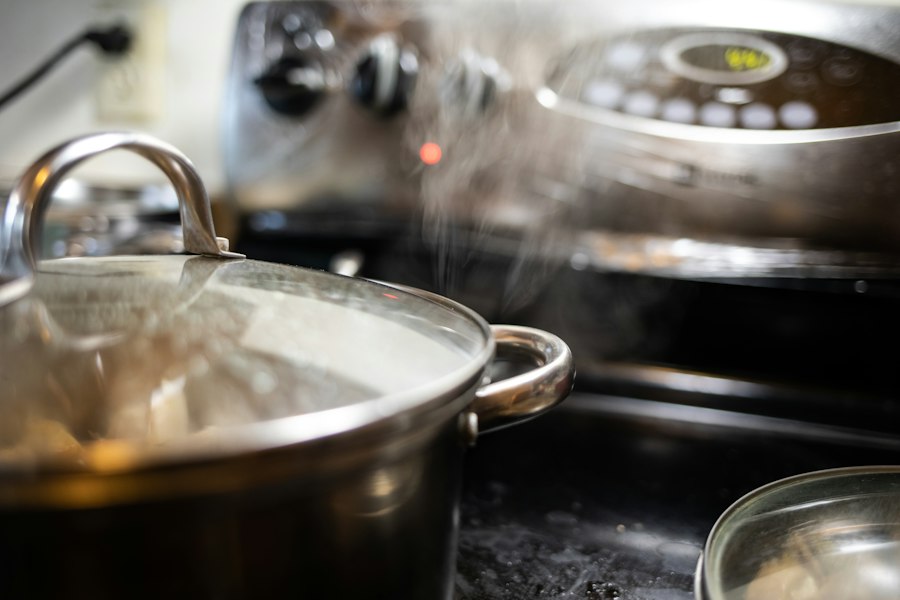
Beyond just speed and tenderness, steam pressure cooking offers significant advantages in terms of flavor development and nutrient preservation. The sealed environment and rapid cooking time create an optimal culinary environment for both.
Intensifying Flavors: A Concentrated Culinary Experience
The sealed nature of a pressure cooker plays a vital role in flavor development. Unlike conventional cooking where volatile aromatic compounds can escape into the atmosphere with the steam, a pressure cooker traps these flavorful molecules. This means that the flavors are concentrated within the food, resulting in a more intense and well-rounded taste. Additionally, the rapid cooking process, which often involves less evaporation of cooking liquids, means that more of the dissolved flavor compounds from spices, herbs, and the main ingredients are retained within the food. This leads to dishes that are richer and more deeply flavored.
Trapping Aromatics: Locking in the Essence
Aromatics like onions, garlic, and herbs release volatile oils and compounds when heated, contributing significantly to the aroma and taste of a dish. In an open pot, these volatile compounds readily dissipate into the air. In a pressure cooker, however, the lid is sealed, trapping these precious flavor carriers. As the food cooks under pressure, these aromatics are effectively “steamed” into the food, infusing it with their essence. This is why pressure-cooked dishes often have a more potent and integrated flavor profile. The rapid cooking also means that the aromatics don’t have the opportunity to become overcooked and bitter, a potential pitfall in longer cooking methods.
Preserving Nutrients: A Healthier Approach to Cooking
The high temperatures in pressure cooking might initially seem counterintuitive to nutrient preservation. However, the extremely short cooking times compensate for this. Many vitamins, particularly water-soluble vitamins like Vitamin C and B vitamins, are sensitive to heat and prolonged exposure to cooking liquids, which can cause them to leach out. Since pressure cooking significantly reduces the overall cooking time, the exposure to heat is minimized. Furthermore, the sealed environment prevents these heat-sensitive vitamins from being lost through evaporation. While some nutrient loss is inevitable in any cooking method, pressure cooking is often lauded for its ability to retain a higher percentage of certain vitamins and minerals compared to methods like boiling or even baking for extended periods.
Minimizing Nutrient Leaching: Efficiency in Every Drop
Water-soluble vitamins are easily lost when food is cooked in large amounts of water, as these vitamins can diffuse from the food into the cooking liquid. In a pressure cooker, the amount of cooking liquid is typically kept to a minimum, often just enough to generate steam. This drastically reduces the opportunity for nutrients to leach out into the water. The rapid cooking time also means that the food spends less time in contact with the hot liquid, further minimizing nutrient loss. Studies have shown that pressure cooking can preserve significantly more Vitamin C and folate in vegetables compared to other cooking methods. This makes pressure cooking an excellent choice for those looking to maximize the nutritional value of their meals.
The Mechanics of Sealing: Containment and Safety
The effectiveness and safety of steam pressure cooking are intrinsically linked to the cooker’s ability to create and maintain a sealed environment. This sealing mechanism is not just about trapping steam; it’s about controlling the pressure and ensuring that the cooking process occurs predictably and without risk.
Gaskets and Lids: The Heart of the Seal
The primary components responsible for creating a secure seal in a pressure cooker are the gasket and the lid. The gasket, typically made of silicone or rubber, is a flexible ring that fits between the lid and the rim of the pot. When the lid is clamped down, the gasket compresses, forming an airtight barrier. The lid itself is usually designed with a locking mechanism that ensures a tight fit against the pot. This robust sealing system is essential for allowing the internal pressure to build up to the desired cooking levels. Without a proper seal, the steam would simply escape, and the cooker would function no differently than a regular pot.
The Importance of Airtightness: Building the Pressure Chamber
The airtightness of the pressure cooker is the fundamental requirement for its operation. Any leak, however small, will prevent the pressure from reaching its optimal level. This is why it is crucial to inspect the gasket for any signs of wear or damage before each use and to ensure the lid is properly secured. A compromised seal can lead to longer cooking times, uneven cooking, and, in extreme cases, could compromise the safety of the appliance. Modern pressure cookers are designed with sophisticated locking mechanisms and safety valves to ensure that the seal is maintained throughout the cooking cycle, while also providing an outlet for excess pressure.
Safety Valves: The Guardians of the Cooker
While the goal is to build pressure, uncontrolled pressure is dangerous. Pressure cookers are equipped with one or more safety valves designed to release excess pressure automatically if it exceeds a predetermined safe limit. These valves are critical safety features that prevent the cooker from rupturing. They often consist of a weighted plug or a spring-loaded mechanism that will lift or open when the internal pressure reaches a critical point, allowing a controlled amount of steam to escape. Understanding how these valves work and ensuring they are clean and unobstructed is a vital part of safe pressure cooker operation. Regular maintenance and adherence to manufacturer guidelines are essential for the continued safe functioning of these safety mechanisms.
Preventing Over-Pressurization: Releasing Excess Force
The primary function of safety valves is to act as a fail-safe against over-pressurization. While the pressure regulator (often a weight or a spring) is designed to maintain a specific cooking pressure, fluctuations in heat or variations in the amount of liquid can sometimes lead to a temporary surge in pressure. In such instances, the safety valve is designed to activate, venting just enough steam to bring the pressure back down to a safe level. This mechanism ensures that the integrity of the cooker is maintained, protecting both the appliance and the user from potential hazards. It is a testament to the engineering that allows for high-pressure cooking to be a safe and accessible method.
Steam pressure cooking is a fascinating method that utilizes high-pressure steam to cook food quickly while retaining its nutrients and flavor. This technique not only reduces cooking time significantly but also enhances the taste and texture of various dishes. For those interested in exploring the science behind this cooking method, you can read more about it in a related article on Freaky Science, which delves into the principles of steam pressure and its effects on food. Understanding these concepts can help you make the most of your pressure cooker and elevate your culinary skills.
Applications and Versatility: More Than Just Stews
| Metric | Description | Typical Value | Effect on Cooking |
|---|---|---|---|
| Steam Pressure | Pressure inside the cooker generated by steam | 15 psi (pounds per square inch) above atmospheric pressure | Increases boiling point of water, allowing higher cooking temperatures |
| Boiling Point of Water | Temperature at which water boils under pressure | 121°C (250°F) at 15 psi | Faster cooking due to higher temperature |
| Cooking Time Reduction | Time saved compared to conventional boiling or steaming | Up to 70% faster | Speeds up food preparation |
| Moisture Retention | Amount of moisture retained in food after cooking | High (due to steam environment) | Results in tender and juicy food |
| Temperature Inside Cooker | Actual temperature reached during cooking | Up to 121°C (250°F) | Kills bacteria and softens food fibers quickly |
| Energy Efficiency | Energy used compared to traditional cooking methods | Uses 50-75% less energy | More environmentally friendly and cost-effective |
The principles of steam pressure cooking extend far beyond the traditional image of a bubbling stew. Its efficiency and ability to handle a wide range of ingredients and culinary techniques make it an incredibly versatile kitchen tool.
Beyond Soups and Stews: Expanding the Culinary Horizon
While pressure cookers are renowned for their ability to quickly tenderize meats and cook legumes for stews and soups, their applications are far more extensive. They excel at cooking grains like rice, quinoa, and farro to perfect texture in a fraction of the time. They can be used to prepare quick and healthy steamed vegetables, preserving their color and nutrients. Even desserts can benefit; custards and cheesecakes can be cooked in a pressure cooker, yielding incredibly smooth and creamy results. The ability to cook from frozen, reduce cooking liquids for more intense sauces, and even “roast” vegetables by briefly sautéing them before pressure cooking adds to their broad applicability.
Grains, Legumes, and Vegetables: Speedy Staples
The sheer speed at which a pressure cooker can transform ingredients like dried beans or whole grains from their raw state to perfectly cooked and tender is remarkable. Dried beans, which can take hours to soften on the stovetop, can be fully cooked in 30-40 minutes under pressure. Similarly, whole grains like barley or farro become tender and palatable in less than half the time required for conventional cooking. For vegetables, the pressure cooker offers a way to achieve a tender-crisp texture without them becoming mushy, making them ideal for side dishes or as components in salads and stir-fries. This efficiency makes it a lifesaver for busy weeknights, allowing for the preparation of wholesome and nutritious meals in significantly less time.
From Raw to Ready: The Time-Saving Advantage
The most celebrated benefit of steam pressure cooking is its dramatic reduction in cooking times. By operating at temperatures well above the normal boiling point of water, the chemical and physical changes that break down food occur at an accelerated rate. This time-saving aspect translates into significant convenience for home cooks. Meals that might traditionally require hours of simmering or braising can be prepared in under an hour. This efficiency not only makes cooking more manageable but also encourages the use of ingredients that might otherwise be deemed too time-consuming to prepare, such as dried beans or tougher cuts of meat. The ability to quickly cook meals from scratch promotes healthier eating habits by reducing reliance on pre-packaged or processed foods.
Reducing Cooking Times Dramatically: A Modern Kitchen Essential
The time-saving aspect of steam pressure cooking is not just a marginal improvement; it is a fundamental shift in culinary possibilities. A pot roast that once required an entire afternoon to become tender can now be ready in about an hour. Dried chickpeas that would need overnight soaking and then hours of simmering can be cooked to perfection in around 40 minutes. This dramatic reduction in cooking time makes it feasible to prepare complex and time-consuming dishes on a regular basis, fitting them into the schedules of even the busiest individuals. This efficiency is a major reason why pressure cookers have transitioned from specialized cookware to a staple in modern kitchens, celebrated for their ability to deliver delicious and nutritious meals without demanding excessive time commitments.

Why This Water Doesn’t Boil at 100°C
FAQs
How does a steam pressure cooker work?
A steam pressure cooker works by trapping steam inside a sealed pot, which increases the pressure and raises the boiling point of water. This higher temperature cooks food faster than traditional methods.
Is cooking with a steam pressure cooker healthy?
Cooking with a steam pressure cooker is considered healthy because it retains more nutrients in the food due to the shorter cooking time and minimal use of water.
What types of food can be cooked in a steam pressure cooker?
Almost any type of food can be cooked in a steam pressure cooker, including vegetables, meats, grains, legumes, and even desserts like cheesecake.
How long does it take to cook food in a steam pressure cooker?
Cooking times in a steam pressure cooker vary depending on the type and quantity of food being cooked. However, in general, food cooks 2-3 times faster in a pressure cooker compared to traditional methods.
Are there any safety precautions to take when using a steam pressure cooker?
Yes, it is important to follow the manufacturer’s instructions carefully when using a steam pressure cooker to avoid accidents. Always release the pressure before opening the cooker, and never overfill it with food or liquid.