
The Sealed Vessel: Understanding the Core Principle
The humble pressure cooker, a kitchen staple for many, operates on a deceptively simple yet incredibly effective scientific principle: the relationship between pressure, temperature, and the boiling point of water. At its heart, a pressure cooker is an airtight, sturdy pot designed to trap steam generated by cooking food. This trapping is the key to its accelerated cooking times and the remarkable tenderness it imparts to dishes. Unlike a conventional pot where steam can freely escape into the atmosphere, the sealed environment of a pressure cooker forces this steam to build up. This accumulation of steam directly translates into an increase in internal pressure within the cooker.
Boiling Point Under Duress: Water’s Thermodynamic Transformation
The magic of a pressure cooker hinges on altering water’s phase transition point. At standard atmospheric pressure (approximately 1 atmosphere or 101.3 kilopascals), water boils at 100 degrees Celsius (212 degrees Fahrenheit). However, when the pressure inside the cooker increases, this boiling point is elevated. This phenomenon is a direct consequence of thermodynamics. Pressure acts as a force pushing down on the surface of the liquid. For water molecules to escape the liquid phase and become steam (a gas), they need enough kinetic energy to overcome this external pressure. When the external pressure is higher, individual water molecules require more energy – and thus a higher temperature – to break free and transition into a gaseous state. In a typical stovetop pressure cooker, this elevated pressure can reach levels of 15 psi (pounds per square inch) above atmospheric pressure, pushing the boiling point of water to around 121 degrees Celsius (250 degrees Fahrenheit). This 21-degree Celsius increase, while seemingly modest, is scientifically profound and leads to significantly faster cooking.
The Role of Vapor Pressure: A Molecular Perspective
To delve deeper into this thermodynamic dance, one must understand the concept of vapor pressure. Vapor pressure is the pressure exerted by a vapor in thermodynamic equilibrium with its condensed phases (solid or liquid) at a given temperature in a closed system. At any given temperature, some liquid molecules possess enough kinetic energy to escape the surface and become gas. These gas molecules then exert a pressure. As the temperature of the liquid increases, more molecules gain sufficient energy to escape, leading to a higher vapor pressure. When this vapor pressure equals the external pressure acting on the liquid’s surface, boiling occurs. In a sealed pressure cooker, as water heats up and vaporizes, the volume of steam is confined, causing the internal pressure to rise. This rising internal pressure is actually the accumulating vapor pressure of the water, exceeding the atmospheric pressure that would normally be present. The cooker is designed to withstand this increased pressure, and safety valves are in place to release excess pressure if it exceeds a predetermined safe limit.
The “Pressure Cooker” Apparatus: Components and Their Functions
A pressure cooker is not merely a pot with a tight lid. It is a carefully engineered piece of kitchenware with specific components working in concert to achieve its cooking prowess. Understanding these parts is crucial to appreciating the physics at play.
The Pot and Lid: The Sealed Containment System
The primary components are the pot itself and its specialized lid. The pot is typically constructed from robust materials like stainless steel or aluminum, designed to withstand the significant internal pressure without deforming or rupturing. The lid is equally critical, featuring a gasket or sealing ring, usually made of rubber or silicone, that forms an airtight seal between the lid and the pot rim. This seal is paramount; without it, steam would escape, and the pressure could not build. The lid also houses the critical pressure-regulating mechanisms.
Safety Valves and Pressure Regulators: The Guardians of Equilibrium
Safety is a paramount concern in pressure cooker design, and this is reflected in the inclusion of various valves and regulators. The most visible is often the pressure-release valve, which is designed to vent excess steam if the internal pressure rises beyond a safe operational limit. This is a crucial fail-safe. Many pressure cookers also feature a secondary safety feature, often a plug or a small weight that will pop out or lift if the primary valve fails. Pressure regulators, sometimes called weight-controlled vents or spring-loaded valves, are the devices that maintain the desired operating pressure. They allow a controlled amount of steam to escape once the target pressure is reached, thus preventing the pressure from climbing indefinitely and ensuring a consistent cooking temperature. This controlled venting is what produces the characteristic “hissing” sound often associated with pressure cooking.
For those interested in understanding the fascinating physics behind pressure cookers, a great resource is the article available at Freaky Science. This article breaks down the fundamental principles of pressure and temperature that make pressure cookers so effective in cooking food quickly. It provides beginners with a clear explanation of how the science of pressure affects cooking times and food texture, making it an excellent starting point for anyone looking to delve into the world of culinary physics.
The Science of Speed: How Elevated Temperature Accelerates Cooking
The most noticeable benefit of pressure cooking is the dramatic reduction in cooking times. This acceleration is a direct consequence of the higher cooking temperature made possible by the increased pressure.
The Rate of Chemical Reactions: Temperature’s Influence on Food Transformation
Cooking is fundamentally a series of chemical reactions. Proteins denature and coagulate, carbohydrates gelatinize, and starches break down, all facilitated by heat. The speed at which these reactions occur is highly dependent on temperature. The Arrhenius equation, a fundamental concept in chemical kinetics, describes the exponential relationship between the rate constant of a chemical reaction and temperature. In simpler terms, for every 10-degree Celsius increase in temperature, the rate of many chemical reactions approximately doubles. Since a pressure cooker raises the cooking temperature by around 20 degrees Celsius, it effectively doubles or even quadruples the speed of many of these crucial cooking reactions compared to boiling at atmospheric pressure. This translates into significantly shorter cooking times for everything from tough cuts of meat to dried beans.
Moisture Retention and Nutrient Preservation: A Synergistic Effect
The rapid cooking process in a pressure cooker also has a beneficial effect on moisture retention and nutrient preservation. Because the vessel is sealed, very little moisture is lost to evaporation. This helps to keep food moist and tender. Furthermore, the shorter cooking times mean that heat-sensitive vitamins and minerals are exposed to high temperatures for a reduced duration. While some nutrient loss is inevitable in any cooking method, pressure cooking is generally considered to be quite good at preserving nutrients, especially compared to prolonged boiling where nutrients can leach into the cooking water. The efficiency of heat transfer in the high-pressure, high-temperature environment also means that food cooks through more evenly and rapidly, minimizing the potential for overcooking certain parts of the food while leaving others undercooked.
Beyond Boiling: Other Physical Phenomena at Play
While the elevated boiling point is the primary driver of pressure cooker efficiency, other physical phenomena contribute to its effectiveness and the unique results it produces.
Gas Expansion and Convection: The Dynamic Interior
Inside the pressure cooker, the trapped steam is not static. As the water heats and turns to steam, it expands significantly. This expanding steam creates convection currents within the cooker. Hot steam rises, carrying heat throughout the enclosed space, and as it condenses on cooler surfaces (like the food), it releases latent heat, further contributing to the cooking process. This efficient transfer of heat throughout the food, driven by both pressure and convection, ensures more uniform cooking compared to methods where heat transfer might be less efficient or more localized. The vigorous movement of steam also helps to tenderize food by physically breaking down tougher connective tissues.
Browning and Maillard Reactions: The Limits of Pressure Cooking
It is important to note that while pressure cooking excels at moist heat cooking and tenderizing, it generally does not facilitate browning reactions like the Maillard reaction, which is responsible for the delicious crispy crusts and complex flavors in roasted or fried foods. The temperatures achieved in a pressure cooker, while higher than boiling, are still within the range of moist heat cooking and do not reach the higher temperatures required for significant Maillard browning to occur. Therefore, foods cooked solely in a pressure cooker may lack the visual appeal and some of the savory flavor notes associated with browning. Many cooks mitigate this by searing meats before pressure cooking or browning them after for a more complete culinary experience.
Mastering the Mechanism: Safe and Effective Pressure Cooker Use
Understanding the physics behind a pressure cooker is one thing; using it safely and effectively is another. Proper operation ensures that the appliance performs as intended and minimizes any potential risks.
Understanding Pressure Release: The Crucial “Cool Down” Phase
Once the cooking cycle is complete, the pressure within the cooker must be safely released. There are typically three methods for this: natural release, quick release, and cold water release (less common and requires specific cooker designs).
Natural Release: The Slow and Steady Approach
Natural release involves simply removing the cooker from the heat source and allowing the pressure to dissipate on its own. This can take 10 to 30 minutes or longer, depending on the volume of food and liquid. This method is ideal for foods that benefit from further gentle cooking as they cool, such as meats, beans, and grains, as it prevents them from becoming mushy. The gradual reduction in pressure also allows the food’s internal structure to relax, leading to more tender results.
Quick Release: The Expedited Exit
Quick release involves manually opening the pressure-release valve to vent steam rapidly. This is suitable for vegetables and other delicate foods that can overcook quickly. It is essential to exercise extreme caution during quick release, keeping hands and face away from the escaping steam, which is under high pressure and extremely hot. Some modern electric pressure cookers have automated quick-release functions, but the same safety precautions apply.
Cold Water Release: A Specific Method for Certain Designs
Some stovetop pressure cookers, particularly older models, may have a design that allows for a cold water release. This involves running cold water over the lid and sides of the cooker to rapidly cool it down. The sudden temperature change causes the steam inside to condense, thereby reducing the internal pressure. This method should only be used if explicitly recommended by the manufacturer, as it can potentially damage some pressure cooker models.
Essential Safety Precautions: A Non-Negotiable Checklist
Regardless of the release method, safety must always be the top priority when using a pressure cooker.
Lid Sealing and Valve Inspection: The First Lines of Defense
Before each use, it is imperative to inspect the lid’s gasket for any signs of damage, wear, or food debris that could compromise the seal. A worn or dirty gasket can prevent the cooker from reaching full pressure or, worse, lead to a sudden loss of pressure. Similarly, the pressure-release valve and any other safety valves should be checked to ensure they are clean, unobstructed, and functioning correctly. A clogged valve is a significant safety hazard.
Liquid Levels and Food Overfilling: Preventing Explosive Outcomes
Pressure cookers require a minimum amount of liquid to generate steam and build pressure. This amount varies by cooker model and recipe, but it is essential to always adhere to the manufacturer’s guidelines. Overfilling the cooker with food can also be dangerous. Most pressure cookers have a “two-thirds full” maximum fill line for most foods, and a “half full” line for foods that expand significantly, such as rice, beans, or pasta. Overfilling can block the pressure-release mechanisms, leading to an uncontrolled pressure buildup and a potentially dangerous rupture. The physics here is straightforward: if the steam has no space to expand and escape, the pressure will continue to rise unchecked.
For those interested in exploring the fascinating world of pressure cooker physics, a great starting point is the article available at Freaky Science. This resource provides an accessible introduction to the fundamental principles that govern how pressure cookers work, making it perfect for beginners. By understanding the science behind pressure cooking, you can enhance your culinary skills while also gaining insight into the broader concepts of thermodynamics and pressure.
The Thermodynamics of Tenderization: How Pressure Softens Food
| Concept | Description | Typical Values | Units |
|---|---|---|---|
| Atmospheric Pressure | Pressure exerted by the weight of the atmosphere at sea level | 101.3 | kPa |
| Pressure Inside Cooker | Pressure inside the sealed cooker during operation | 120 – 130 | kPa |
| Boiling Point of Water (at 101.3 kPa) | Temperature at which water boils at atmospheric pressure | 100 | °C |
| Boiling Point of Water (at 120 kPa) | Increased boiling temperature due to higher pressure inside cooker | 110 – 115 | °C |
| Volume of Cooker | Internal volume where food and steam are contained | 3 – 8 | Liters |
| Heat Transfer | Energy transferred to food via steam and conduction | Varies with stove power | Watts |
| Safety Valve Pressure | Pressure at which safety valve releases excess steam | 130 – 140 | kPa |
| Time to Pressure | Time taken for cooker to reach operating pressure | 5 – 10 | Minutes |
The ability of a pressure cooker to transform tough ingredients into meltingly tender morsels is one of its most celebrated attributes. This tenderization process is a direct outcome of the high-temperature, high-pressure environment.
Breaking Down Connective Tissues: The Collagen Transformation
Many tougher cuts of meat, like brisket or shank, contain significant amounts of collagen, a tough, fibrous protein that makes the meat chewy. In moist heat cooking, collagen slowly breaks down into gelatin, a softer, more pliable substance. The elevated temperatures achieved in a pressure cooker significantly accelerate this breakdown. At 121 degrees Celsius (250 degrees Fahrenheit), collagen converts to gelatin much more rapidly than at the 100 degrees Celsius (212 degrees Fahrenheit) boiling point. This gelatin not only tenderizes the meat but also contributes to a richer, more succulent
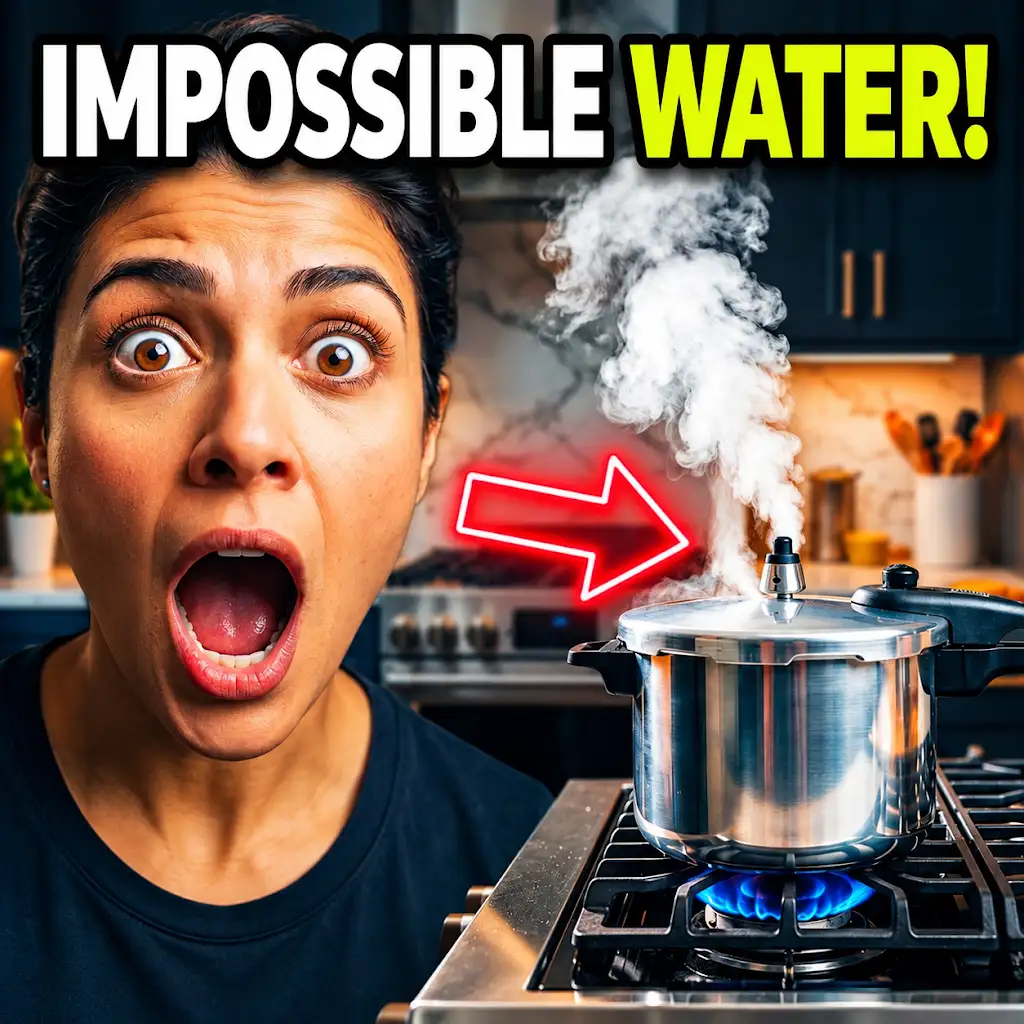
Why This Water Doesn’t Boil at 100°C
FAQs
What is a pressure cooker?
A pressure cooker is a sealed pot with a valve that controls the steam pressure inside. When heated, the liquid inside the pot forms steam, which increases the pressure and raises the boiling point of the water, allowing food to cook faster.
How does a pressure cooker work?
As the liquid inside the pressure cooker heats up, it turns into steam, increasing the pressure inside the pot. This high pressure raises the boiling point of the water, which cooks the food faster than traditional cooking methods.
Is it safe to use a pressure cooker?
When used correctly and following the manufacturer’s instructions, pressure cookers are safe to use. It is important to release the pressure properly before opening the cooker to avoid any accidents.
What are the advantages of cooking with a pressure cooker?
Pressure cookers can significantly reduce cooking time, retain more nutrients in the food, and save energy compared to traditional cooking methods. They are also great for tenderizing tough cuts of meat.
Can any recipe be adapted for a pressure cooker?
Not all recipes can be adapted for a pressure cooker. Recipes that require a specific texture or those that contain dairy or thickening agents may not work well in a pressure cooker. It’s best to use recipes specifically designed for pressure cooking.