The Fundamental Physics: How Pressure Alters Cooking
The core difference between a pressure cooker and a regular pot lies in their fundamental interaction with physics, specifically thermodynamics and the behavior of water at different pressures. Understanding this underlying science is crucial to appreciating why one cooks faster and more efficiently than the other.
Water’s Boiling Point: The Role of Atmospheric Pressure
In a regular pot, cooking relies on water reaching its boiling point, typically 100°C (212°F) at standard atmospheric pressure. At this temperature, the water molecules gain enough kinetic energy to transition from liquid to gas, forming steam. This steam then transfers heat to the food. However, once the water reaches boiling, its temperature cannot exceed 100°C, regardless of how vigorously it boils. This is because any additional heat energy is consumed by the phase change from liquid water to gaseous steam, rather than increasing the water’s temperature. This inherent limitation dictates the cooking times for many foods in a regular pot.
Trapping Steam: Building Pressure for Higher Temperatures
A pressure cooker, on the other hand, is designed to create a sealed environment. When liquid (usually water or broth) inside the pot is heated, it produces steam. Because the lid of a pressure cooker is designed to create an airtight seal, this steam cannot escape. As more steam is generated, the pressure inside the pot begins to rise. This increase in pressure has a direct and significant effect on the boiling point of water.
The Science of Elevated Temperatures
The relationship between pressure and boiling point is a fundamental principle of thermodynamics. As pressure increases, the energy required for water molecules to escape into the gaseous phase also increases. Consequently, the water within a pressure cooker will reach a temperature significantly higher than 100°C before it boils. Modern electric pressure cookers typically operate at pressures of around 15 psi (pounds per square inch) above atmospheric pressure, which translates to a boiling point of approximately 121°C (250°F). Stovetop pressure cookers can sometimes reach even higher pressures. This elevated temperature is the primary reason why pressure cooking dramatically reduces cooking times. Food, especially dense items like meats and dried beans, cooks much faster at these higher temperatures because the heat transfer is more rapid and efficient. The increased temperature breaks down connective tissues and softens fibers at an accelerated rate.
Energy Efficiency: The Sealed System Advantage
Beyond temperature, the sealed nature of a pressure cooker contributes to its energy efficiency. In a regular pot, a considerable amount of heat energy is lost to the surrounding environment through evaporation and steam escaping. This means more energy is continuously needed to maintain the cooking temperature. A pressure cooker, by trapping the steam and heat, minimizes these energy losses. The initial energy used to bring the pot to pressure is then effectively retained within the sealed system, allowing for more efficient heat utilization throughout the cooking process. This can translate to lower energy consumption over time, especially for foods that typically require long simmering or braising times.
When considering the differences between a pressure cooker and a regular pot, it’s essential to understand how each cooking method affects the preparation time and flavor of your meals. For a more in-depth exploration of these differences, you can check out this informative article on the topic at Freaky Science. This resource provides valuable insights into the advantages and disadvantages of both cooking methods, helping you make an informed decision for your kitchen needs.
Material Matters: Construction and Durability
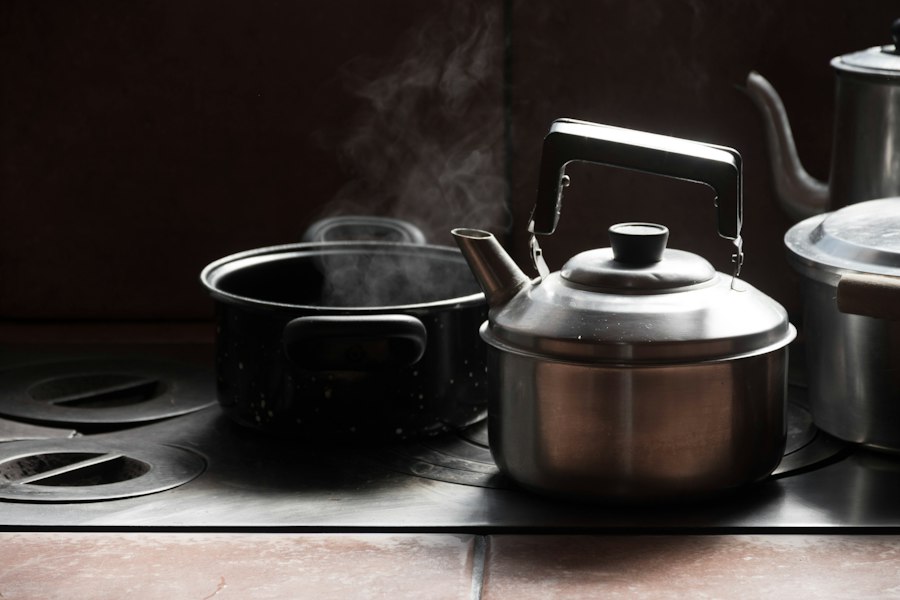
The materials used in the construction of cookware play a vital role in its performance, durability, and safety. Pressure cookers and regular pots, while both designed to hold and heat food, often employ different materials and construction techniques to meet their specific requirements.
Stainless Steel: The Versatile Workhorse
Stainless steel is a popular choice for both pressure cookers and regular pots due to its excellent durability, resistance to corrosion, and non-reactive nature. It does not impart metallic tastes to food and is relatively easy to clean.
Regular Pots and Stainless Steel
Many regular pots are made entirely or partially from stainless steel. This can range from thin-walled saucepans to thicker-bottomed stockpots. The quality of stainless steel can vary, with different grades offering different levels of corrosion resistance and heat conductivity. For regular pots, a good thermal conductivity is desirable to ensure even heating, which is often achieved through the addition of a core layer of aluminum or copper sandwiched between layers of stainless steel.
Pressure Cookers and Stainless Steel
Pressure cookers, by necessity, require robust construction to withstand the internal pressure. Therefore, the stainless steel used in pressure cookers is typically of a higher gauge or thicker than that found in many standard pots. This ensures the cooker can safely contain the elevated pressures without deforming or failing. The lids of pressure cookers are particularly critical and are usually made from thick, durable stainless steel. The sealing mechanism also relies on a precisely fitted stainless steel rim on both the pot and the lid.
Aluminum: A Lightweight Contender
Aluminum is another common material in cookware, known for its lightweight nature and excellent heat conductivity.
Regular Pots and Aluminum
Many affordable regular pots are made from aluminum. Anodized aluminum, in particular, offers improved durability and scratch resistance compared to standard aluminum. However, unlined aluminum can be reactive with acidic foods, potentially leading to discoloration and a metallic taste. For this reason, many aluminum pots are lined with non-stick coatings or other materials.
Pressure Cookers and Aluminum
While aluminum is rarely used as the primary material for the body of modern pressure cookers due to its lower melting point and susceptibility to warping under high pressure, it is sometimes used in the base of stovetop pressure cookers as an insert for better heat distribution. However, stainless steel remains the dominant material for safety and durability reasons.
Cast Iron: The Enduring Classic
Cast iron is renowned for its exceptional heat retention and durability, making it a staple for both types of cookware, albeit with different applications.
Regular Pots and Cast Iron
Cast iron skillets and Dutch ovens are beloved for their ability to provide a consistent, even heat, making them ideal for searing, braising, and slow cooking. They require seasoning to prevent rust and develop a natural non-stick surface. Their heavy weight and slow heat-up time are characteristic of their performance.
Pressure Cookers and Cast Iron
Cast iron is generally not suitable for the construction of pressure cooker bodies. The significant thermal shock and rapid pressure fluctuations experienced during the cooking and depressurization cycles of a pressure cooker could potentially cause cast iron to crack or even shatter. The weight of cast iron would also make a pressure cooker excessively cumbersome and difficult to handle.
Other Materials and Coatings
Beyond these core materials, cookware can feature various coatings and components. Non-stick coatings (like PTFE or ceramic) are common in regular pots to facilitate easy food release and cleanup, but they are generally avoided in pressure cookers due to concerns about their durability under high pressure and temperature cycles. Silicone gaskets are a crucial component of pressure cooker lids, creating the airtight seal necessary for pressure buildup. These gaskets must be heat-resistant and durable to withstand repeated use.
Operational Differences: Simplicity vs. Precision
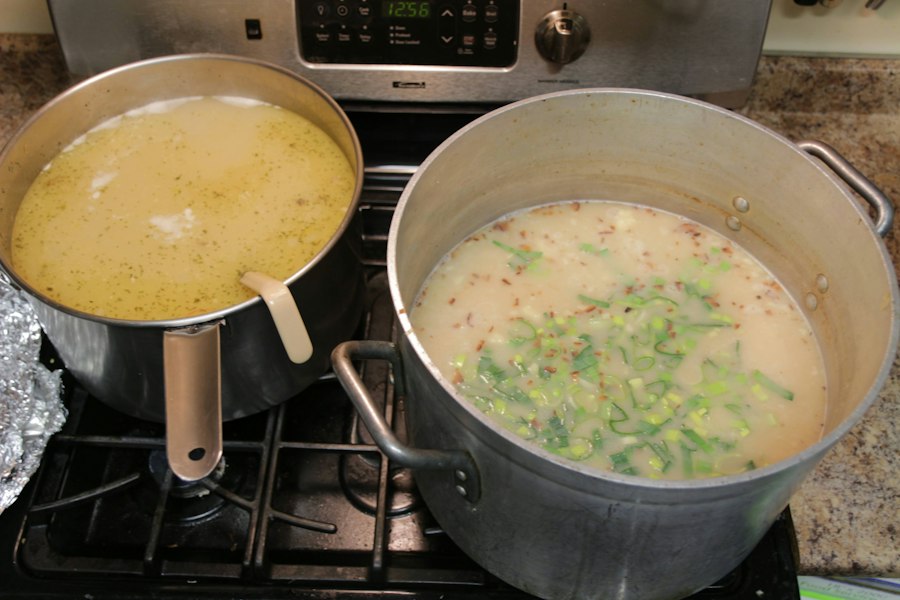
The way a pressure cooker and a regular pot are operated differs significantly, reflecting their distinct cooking mechanisms and intended outcomes. These differences influence the user experience, the level of attention required, and the types of dishes each is best suited for.
The Passive Nature of Regular Pot Cooking
Cooking in a regular pot is often a more passive experience. Once ingredients are added and the heat is adjusted, the cook can typically step away for extended periods. The primary interactions involve:
- Initial Setup: Chopping, sautéing, and adding ingredients.
- Heat Adjustment: Monitoring and adjusting the heat source (e.g., turning down a burner) to maintain a simmer or boil without boil-overs or burning.
- Stirring/Tending: Periodically stirring the contents to prevent sticking and ensure even cooking, especially for dishes like sauces, stews, or rice.
- Checking for Doneness: This can involve visual inspection, tasting, or using a thermometer.
The cooking process is generally linear and predictable, with cooking times dictated by the food’s density and the rate of heat transfer through convection and conduction. While some dishes require vigilance, many can simmer unattended for significant durations.
The Active Management of Pressure Cooker Cooking
Operating a pressure cooker involves a more active and precise approach. The process can be broken down into distinct phases, each requiring specific attention:
- Initial Setup: Similar to a regular pot, ingredients are prepared and placed in the cooker. It is crucial not to overfill a pressure cooker, as this can impede proper pressure buildup and be a safety hazard.
- Sealing the Lid: This is a critical step. The lid must be securely locked in place, ensuring the gasket forms a tight seal. Many modern pressure cookers have audible clicks or visual indicators to confirm proper sealing.
- Bringing to Pressure: The heat is applied to bring the liquid inside to a boil and generate steam. As steam fills the sealed pot, the pressure rises. This phase is characterized by the release of initial steam through a vent or valve.
- Maintaining Pressure: Once the desired pressure is reached, indicated by the operation of the pressure regulator (e.g., a hissing valve or a pop-up indicator), the heat is significantly reduced. The goal is to maintain this pressure with minimal steam escape. This requires careful monitoring of the heat source. Overheating can lead to excessive steam release and a loss of pressure, while too little heat will prevent the pressure from being maintained.
- Cooking Time: The actual cooking time begins once the pressure is stabilized. This is typically much shorter than for a regular pot.
- Depressurizing: This is perhaps the most crucial and distinct phase of pressure cooker operation. There are generally three methods:
- Natural Release: The heat is turned off, and the pot is allowed to cool down naturally. The pressure dissipates as the steam condenses. This is the gentlest method and is preferred for foods that can become mushy if rapidly cooled, such as grains or delicate vegetables.
- Quick Release: This involves manually venting the steam through a designated valve. This is faster but can cause food to release its starches or become tougher. It’s often used for vegetables or when time is of the essence.
- Cold Water Release (for some stovetop models): Running cool water over the lid (carefully, avoiding the vents) can accelerate cooling and pressure release. This method is less common and requires caution.
- Opening the Lid: The lid should never be forced open. It can only be safely removed once the pressure has fully dissipated, typically indicated by the pressure indicator dropping.
The precise control required during the pressure maintenance and depressurization phases distinguishes pressure cooker operation from the more forgiving nature of regular pot cooking.
Learning Curves and Familiarity
For many home cooks, regular pots represent a familiar and comfortable cooking tool. The methods are intuitive and have been practiced for generations. The learning curve is gentle, allowing for experimentation and gradual skill development.
Pressure cookers, while offering significant advantages, can present a steeper learning curve for beginners. Understanding the safety features, the different depressurization methods, and the precise timing required can be intimidating at first. However, once the basic principles are mastered, pressure cooking becomes a remarkably efficient and rewarding technique. The rewards lie in the significant time savings and the enhanced flavor and texture achieved in many dishes.
Safety First: Design Features and Precautions
Safety is paramount in any cooking appliance, but it takes on an amplified importance with pressure cookers due to the inherent nature of their operation. While regular pots have their own safety considerations, pressure cookers incorporate a multi-layered approach to prevent accidents.
Regular Pot Safety Considerations
Regular pots are generally considered very safe. The primary safety concerns revolve around:
- Burns: From hot surfaces, steam, or splashing liquids.
- Fire Hazards: Leaving pots unattended on the stove, especially with flammable materials or oils.
- Boil-overs: Which can extinguish gas flames or create slippery surfaces.
- Heavy Lifting: Large stockpots filled with liquid can be heavy and difficult to carry.
- Material Reactivity: As mentioned earlier, some materials can react with certain foods, affecting taste and appearance.
Standard safety practices like using oven mitts, keeping flammable items away from the stove, and not leaving cooking unattended are generally sufficient for safe operation of regular pots.
Pressure Cooker Safety: A Multi-Stage System
Pressure cookers are engineered with a suite of safety features to mitigate the risks associated with high-pressure cooking. These features are designed to prevent over-pressurization, allow for controlled release of pressure, and ensure the lid cannot be opened while the pot is under pressure.
Pressure Regulators and Release Valves
Every pressure cooker is equipped with a pressure regulator or valve that controls the internal pressure.
- Pressure Regulator: This device is responsible for maintaining the desired cooking pressure. It typically consists of a weight that sits atop a vent. When the internal pressure reaches a certain point, it lifts the weight, allowing excess steam to escape with a characteristic hissing sound. This controlled venting prevents the pressure from rising beyond the cooker’s design limit.
- Safety Valves: In addition to the primary pressure regulator, most pressure cookers have one or more secondary safety valves. These are designed as fail-safes. If the primary regulator becomes blocked or malfunctions, these secondary valves will release excess pressure before it reaches a dangerous level. These can be spring-loaded valves or pop-up indicators that physically rise when excessive pressure is detected.
Locking Mechanisms and Pressure Indicators
Pressure cookers also incorporate mechanisms to prevent the lid from being opened while the pot is pressurized.
- Lid Locking Systems: The design of the lid and its locking mechanism ensures that it cannot be accidentally or intentionally opened while there is internal pressure. This is a critical safety feature, as attempting to open a pressurized cooker could result in a sudden and dangerous release of hot steam and food.
- Pressure Indicators: Many modern electric pressure cookers have visual pressure indicators. These can be simple pop-up pins that rise when pressure is achieved, or more sophisticated digital displays on electric models. These indicators provide a clear visual cue to the user that the pot is pressurized and should not be tampered with.
Gaskets and Seals
The gasket or sealing ring, usually made of silicone or rubber, plays a vital role in creating the airtight seal necessary for pressure buildup.
- Material Integrity: These gaskets must be made of high-quality, heat-resistant materials to withstand the repeated cycles of heating, cooling, and pressure.
- Regular Inspection and Replacement: Gaskets can degrade over time due to wear and tear, heat exposure, and improper cleaning. It is crucial to regularly inspect the gasket for cracks, tears, or brittleness and replace it as needed. A worn gasket can lead to steam leaks, preventing the cooker from reaching or maintaining pressure, and potentially posing a minor safety risk from escaping steam.
User Precautions and Best Practices
Beyond the built-in safety features, user adherence to operating instructions is critical.
- Never Overfill: Most pressure cookers have a maximum fill line. Exceeding this limit can obstruct the pressure release mechanisms and lead to dangerous over-pressurization.
- Ensure Proper Sealing: The lid must be correctly and securely sealed before applying heat.
- Follow Depressurization Procedures: Adhering to the recommended natural, quick, or cold water release methods is essential for safe opening.
- Inspect Before Each Use: Checking that all valves and seals are clean and functioning correctly before each use is a simple yet vital safety step.
- Avoid Tampering: Never attempt to pry open a pressurized cooker or block the steam vents.
- Cleanliness: Keeping all parts of the pressure cooker clean, especially the valves and vents, is crucial for their proper functioning.
While the potential for danger exists with any high-pressure appliance, the sophisticated safety features and the emphasis on user education make modern pressure cookers remarkably safe when used as intended.
When considering the advantages of cooking with a pressure cooker versus a regular pot, it’s essential to understand the fundamental differences in their functionality and cooking times. For a deeper insight into this topic, you can explore an informative article that breaks down these differences in detail. This comparison highlights how pressure cookers can significantly reduce cooking time while retaining more nutrients in food. To learn more about this fascinating subject, check out this related article that provides valuable information on the benefits and drawbacks of each cooking method.
Versatility in the Kitchen: Adapting to Different Culinary Needs
| Feature | Pressure Cooker | Regular Pot |
|---|---|---|
| Cooking Time | Reduces cooking time by up to 70% | Standard cooking time |
| Cooking Method | Uses steam pressure to cook food faster | Uses direct heat and boiling |
| Temperature | Can reach up to 121°C (250°F) | Boiling point around 100°C (212°F) |
| Energy Efficiency | More energy efficient due to shorter cooking time | Less energy efficient, longer cooking time |
| Safety Features | Equipped with pressure release valves and locking lids | No special safety features |
| Food Texture | Retains moisture, tenderizes tough cuts quickly | May require longer cooking for tender results |
| Versatility | Best for stews, beans, tough meats | Suitable for boiling, frying, simmering |
| Ease of Use | Requires understanding of pressure settings | Simple to use, no special knowledge needed |
The choice between a pressure cooker and a regular pot often comes down to the specific culinary tasks at hand. Each has its own strengths and weaknesses when it comes to the types of dishes they excel at preparing.
Regular Pots: The Foundation of Everyday Cooking
Regular pots are the workhorses of the kitchen, indispensable for a vast array of cooking techniques. Their versatility lies in their ability to handle a wide spectrum of tasks with varying degrees of intensity and control.
Simmering and Stewing
Regular pots are ideal for slow, gentle simmering. Dishes like stews, soups, and braises benefit from the extended cooking times that allow flavors to meld and ingredients to tenderize slowly. The ability to easily
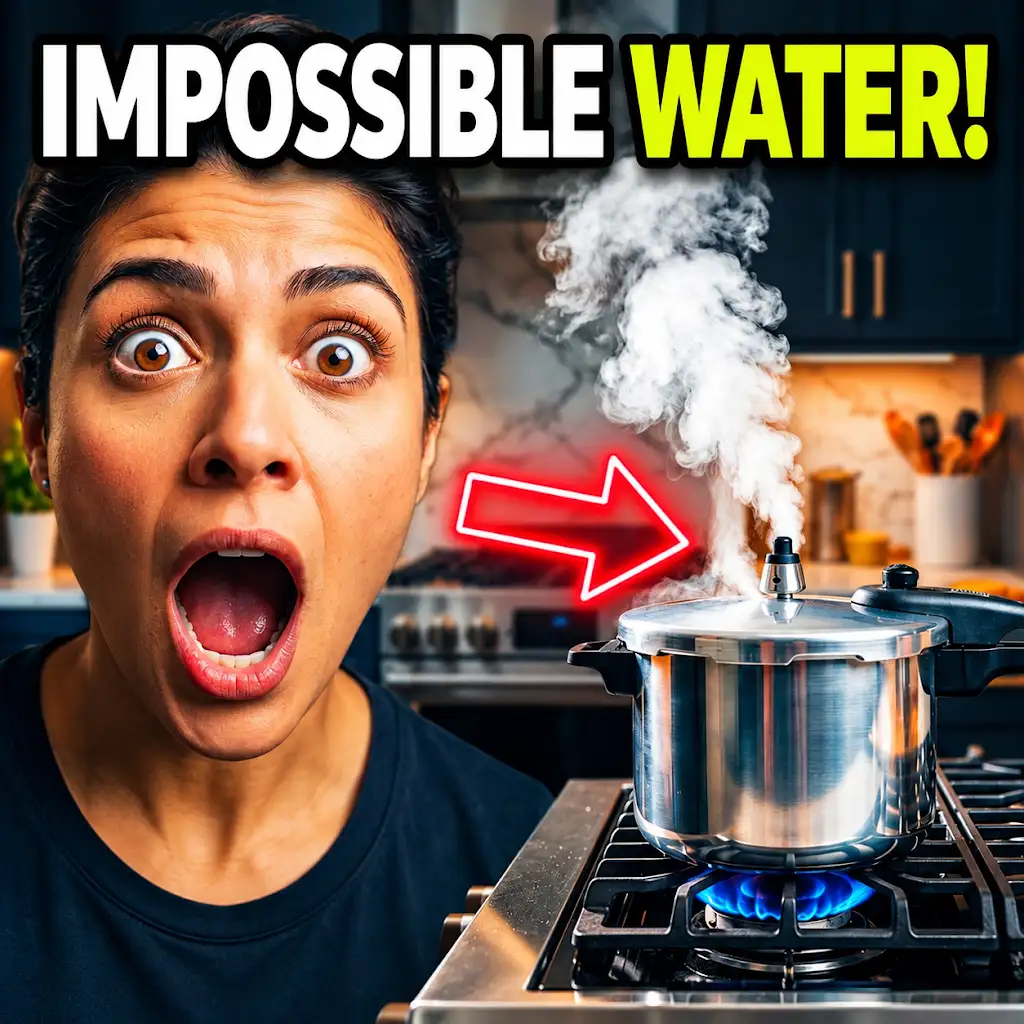
Why This Water Doesn’t Boil at 100°C
FAQs
What is the main difference between a pressure cooker and a regular pot?
A pressure cooker cooks food faster than a regular pot by using steam pressure to raise the boiling point of water, which results in quicker cooking times.
Are there any safety concerns when using a pressure cooker compared to a regular pot?
Pressure cookers require careful handling due to the build-up of steam pressure inside the sealed pot, which can cause accidents if not used properly. Regular pots do not have this safety concern.
Can you cook the same types of food in a pressure cooker and a regular pot?
While you can cook similar types of food in both a pressure cooker and a regular pot, certain recipes may need to be adjusted for cooking times and liquid amounts due to the faster cooking process of a pressure cooker.
Which is more energy-efficient, a pressure cooker or a regular pot?
A pressure cooker is more energy-efficient than a regular pot because it cooks food faster, requiring less time and energy to reach the desired cooking temperature.
Is it worth investing in a pressure cooker over a regular pot?
Investing in a pressure cooker can be worth it for those looking to save time and energy in the kitchen, as well as for those who enjoy the convenience of faster cooking times and tenderizing tough cuts of meat quickly.