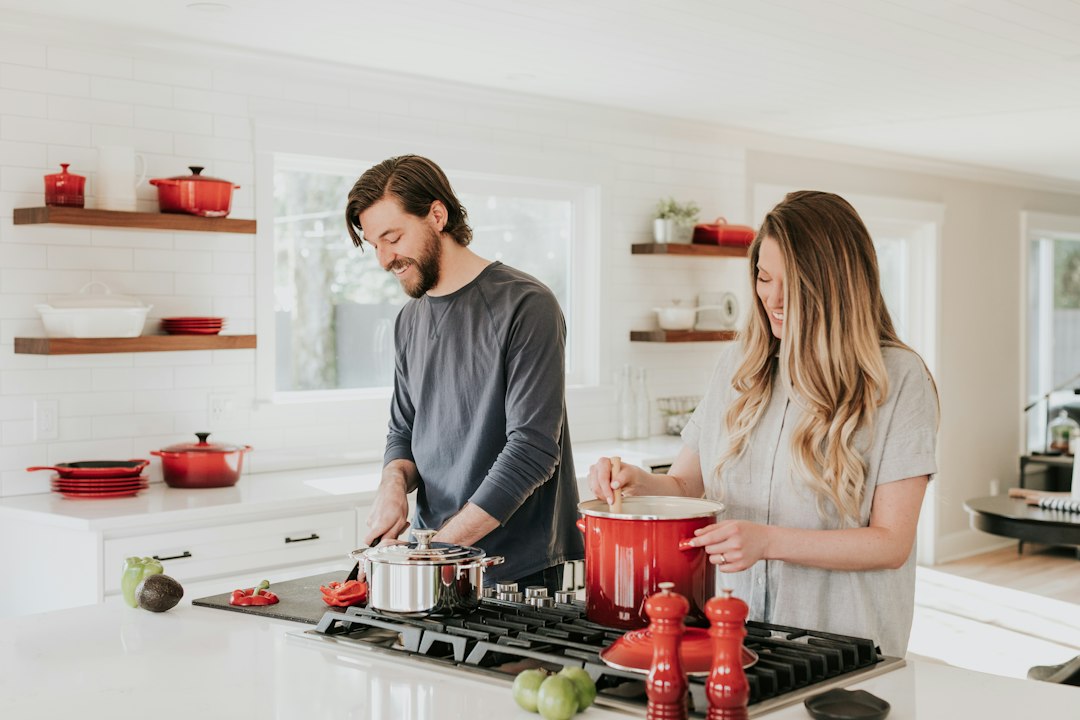
Pressure cooking and pressure canning, though both employing the power of steam pressure to accelerate cooking or preservation, serve distinct purposes and operate with crucial differences. Understanding these distinctions is paramount for anyone seeking to harness the efficiency of pressure for their culinary and food preservation endeavors. While often conflated, the two processes are not interchangeable, and attempting to use one for the purpose of the other can lead to suboptimal results or, more critically, pose significant safety risks. This article will delve into the fundamental divergences between pressure cooking and pressure canning, exploring their primary functions, the equipment involved, the scientific principles at play, and the specific applications for which each is best suited.
The Core Purpose: Cooking vs. Preservation
The most fundamental difference between pressure cooking and pressure canning lies in their ultimate objective. Pressure cooking is primarily a method of accelerating the cooking process, allowing for faster preparation of meals. It is a technique employed in the kitchen for everyday cooking, designed to reduce stovetop or oven cooking times significantly. Foods cooked under pressure become tender and thoroughly cooked in a fraction of the time compared to conventional methods. Think of tenderizing tough cuts of meat in minutes, cooking dried beans without soaking, or creating flavorful stews and soups with remarkable speed. The emphasis is on transforming raw ingredients into a finished, edible dish in a shortened timeframe.
Pressure canning, on the other hand, is a method of food preservation. Its goal is to create a shelf-stable product that can be stored at room temperature for extended periods, typically months or even years. This is achieved by using heat and pressure to destroy spoilage microorganisms, including bacteria, yeasts, and molds, as well as inactivate enzymes that can degrade food quality. The high temperatures reached under pressure are crucial for eliminating the botulinum toxin, a dangerous byproduct of Clostridium botulinum bacteria, which can thrive in low-acid environments and is a significant concern for home canners. Therefore, pressure canning is not about speed of preparation in the immediate sense, but about ensuring the long-term safety and edibility of food without refrigeration. It is a vital tool for extending the harvest, preserving surplus produce, and preparing for emergencies.
The Science Behind the Pressure
Both pressure cooking and pressure canning rely on the principle that increasing the pressure above atmospheric pressure raises the boiling point of water. At sea level, water boils at 212°F (100°C). However, within the sealed environment of a pressure cooker or pressure canner, steam builds up, increasing the internal pressure. This elevated pressure forces the boiling point of water to rise.
In a pressure cooker, operating typically at 10-15 psi (pounds per square inch) above atmospheric pressure, the internal temperature can reach around 240-250°F (115-121°C). This significantly higher temperature is what expedites the cooking process. The intense heat breaks down tough connective tissues in meat, softens fibrous vegetables, and cooks starches more rapidly. The pressure also helps to infuse flavors more effectively into the food.
Pressure canners operate at higher pressures, typically 10-15 psi for low-acid foods and potentially higher settings for high-acid foods (though most recommended pressure canning is for low-acid items). The critical factor for pressure canning is reaching temperatures of at least 240°F (115°C) consistently to ensure the destruction of Clostridium botulinum spores. The higher pressure in a canner facilitates reaching these crucial temperatures. The sealed jars are placed within the canner, and the steam surrounds them, transferring heat into the food within the jars. The pressure inside the canner is maintained throughout the processing time, ensuring the desired temperature is achieved and held for the specified duration.
Equipment Differences: Design and Functionality
The physical design and functionality of pressure cookers and pressure canners are tailored to their specific purposes. While they share the common feature of a sealed pot with a locking lid and a pressure regulator, their construction and features differ significantly.
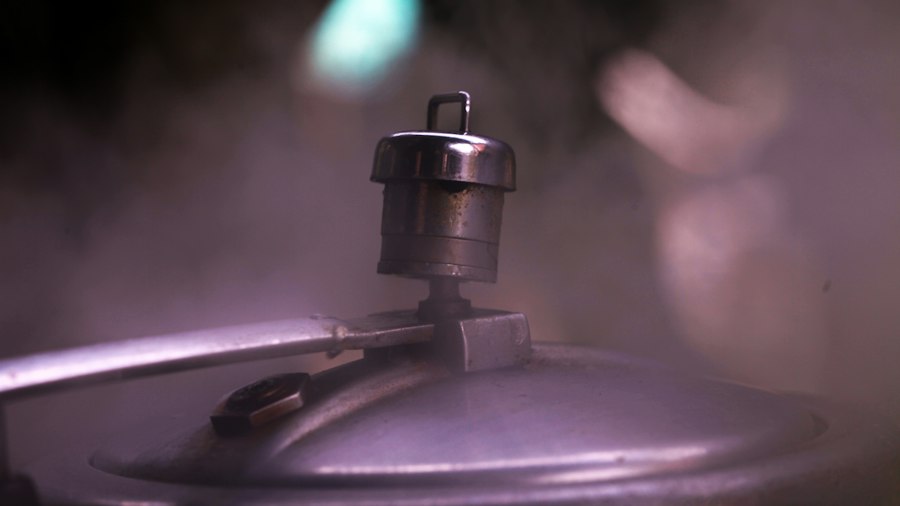
Pressure cookers are generally smaller and designed for stovetop or electric use. They feature a locking lid with a gasket that creates a tight seal. A pressure regulator, often a weighted valve or a spring-loaded valve, sits on a vent pipe to release excess steam and maintain a specific pressure. Some modern electric pressure cookers have integrated digital controls for precise pressure and time management. The emphasis in a pressure cooker’s design is on rapid heating and efficient cooking of ingredients placed directly within the pot. They are not designed to hold multiple jars and would not provide the sustained, high-temperature processing required for safe canning.
Pressure canners, in contrast, are larger, heavier vessels. They are specifically designed to accommodate multiple canning jars, stacked in layers if necessary. The lids are typically more robust and often feature a locking mechanism that ensures a secure seal during the prolonged processing times required for canning. Pressure canners usually have a pressure gauge and a vent pipe with a weighted pressure regulator. The gauge allows the user to monitor the pressure inside the canner accurately. Some electric pressure canners also exist, but their primary function remains large-scale canning, not quick cooking of a single meal. The internal volume of a pressure canner is designed to allow for adequate steam circulation around the jars to ensure even heating and processing. They are built to withstand the extended periods of high pressure and temperature necessary for safe food preservation.
Understanding the distinction between pressure cooking and pressure canning is crucial for anyone interested in food preservation and preparation. While both methods utilize high pressure to achieve their goals, they serve different purposes and require different techniques. For a more in-depth exploration of this topic, you can read the related article on Freaky Science, which provides valuable insights into the science behind these processes. Check it out here: Freaky Science.
The Food Safety Aspect: A Critical Distinction
The most paramount and non-negotiable difference between pressure cooking and pressure canning lies in their implications for food safety. Pressure cooking, while a safe and efficient cooking method, does not guarantee the shelf stability or the elimination of all harmful microorganisms. Food cooked in a pressure cooker is intended for immediate consumption or refrigeration and subsequent reheating. The temperatures reached, while higher than boiling, may not be sufficient to destroy all spoilage organisms or heat-resistant pathogens.
Pressure canning, conversely, is the only safe method recommended by food preservation experts for canning low-acid foods. Low-acid foods include most vegetables, meats, poultry, seafood, and mixtures thereof. These foods provide an ideal environment for the growth of Clostridium botulinum, a bacterium that produces a deadly toxin. To neutralize this toxin and prevent botulism, a deadly form of food poisoning, low-acid foods must be processed at temperatures of at least 240°F (115°C) for a specific duration. Only a pressure canner can reliably achieve and maintain these temperatures. Water bath canning, which uses boiling water (212°F/100°C at sea level), is only safe for high-acid foods like fruits, pickles, and jams, as the acidity helps inhibit the growth of Clostridium botulinum. Attempting to can low-acid foods in a water bath canner is extremely dangerous and can lead to the development of the botulinum toxin, even if the food appears normal.
Processing Times and Temperatures: Tailored for Purpose
The processing times and temperatures for pressure cooking and pressure canning are vastly different, reflecting their distinct objectives.
Pressure cooking emphasizes speed. Cooking times can range from a few minutes for vegetables to 30-60 minutes for tough cuts of meat or dried beans. The goal is to cook the food thoroughly and tenderize it efficiently. The pressure is released relatively quickly after the cooking cycle is complete, often through a natural release or a quick release mechanism. The food is then ready to be served.
Pressure canning involves significantly longer processing times, often ranging from 20 minutes for some vegetables to over 90 minutes for meats and poultry, depending on the specific food, the size of the jars, and the altitude. These extended processing times at high temperatures are essential for ensuring the complete destruction of harmful microorganisms and enzymes. After the processing time is complete, the canner is typically allowed to cool down naturally, which can take several hours. This gradual cooling helps the jars seal properly. The processing guidelines are very specific and must be followed precisely to ensure safety. Deviation from these guidelines, such as reducing processing time or temperature, can compromise the safety of the canned food.
Applications: Everyday Meals vs. Long-Term Storage
The practical applications of pressure cooking and pressure canning are as distinct as their underlying principles.
Pressure cooking is an invaluable tool for the modern home cook seeking efficiency and delicious results. It is perfect for busy weeknights when time is limited. From quick weeknight dinners like chili, pulled pork, or risotto to preparing staples like hard-boiled eggs or cooking grains, pressure cookers offer unparalleled speed. They are also excellent for making broths and stocks in a fraction of the time it would take using conventional methods. The tenderizing capabilities of pressure cooking make less expensive cuts of meat incredibly palatable and reduce cooking times for traditionally slow-cooked dishes.
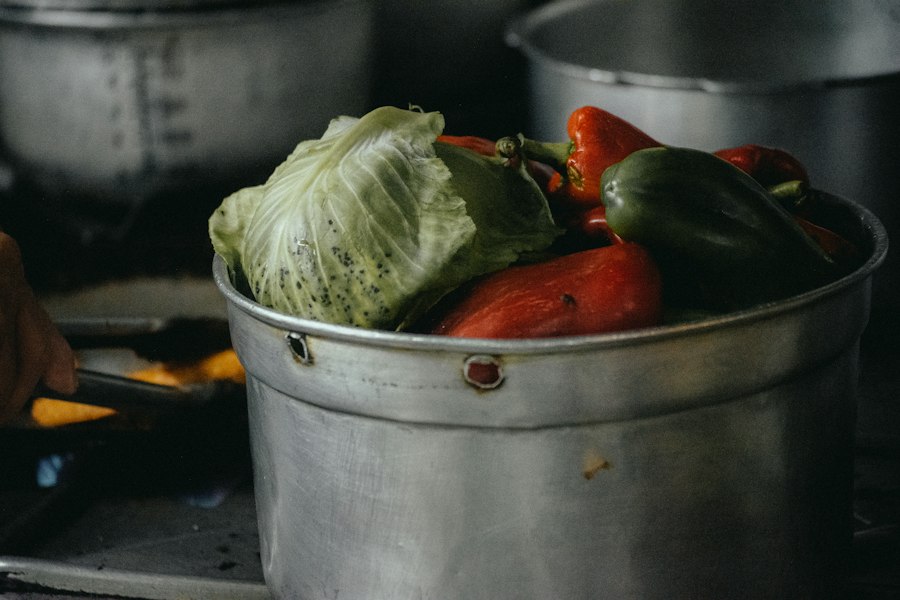
Pressure canning is an essential practice for those interested in self-sufficiency, reducing food waste, and ensuring food security. It is the primary method for preserving the bounty of a garden harvest, extending the shelf life of perishable foods like meat and poultry, and preparing for situations where refrigeration may not be available. Home canners use pressure canners to preserve a wide array of foods, from green beans and corn to beef stew and chicken. The ability to safely preserve these items means that fresh, nutritious food can be enjoyed year-round, reducing reliance on store-bought alternatives and offering peace of mind.
Reaching the Right Seal: A Subtle but Important Difference
While both appliances utilize a sealed lid, the emphasis on achieving a perfect seal differs. In a pressure cooker, a good seal is crucial for building and maintaining pressure, which is essential for the cooking process. A faulty seal will prevent the cooker from reaching the desired pressure, leading to longer cooking times or incomplete cooking.
In pressure canning, the seal formed on the canning jars themselves is the ultimate goal. The pressure canner’s job is to heat the food within the sealed jars to a temperature that destroys spoilage organisms and inactivates enzymes. The sustained heat and pressure within the canner work in conjunction with the canning lids and jar rims to create an airtight seal on each individual jar. This vacuum seal is what makes the food shelf-stable. If a jar fails to seal after processing, the food within is no longer considered safe for shelf storage and should be refrigerated and consumed promptly. The canner itself is designed to facilitate this jar sealing process through controlled heating and cooling.
Choosing the Right Tool: Matching Equipment to Task
Selecting the appropriate appliance—a pressure cooker or a pressure canner—depends entirely on the intended use. They are not interchangeable tools, and using the wrong one can have serious consequences.
A pressure cooker is the correct choice for preparing meals for immediate consumption or for refrigeration. If the goal is to cook a pot roast faster, make a quick batch of soup, or tenderize dried beans for dinner tonight, a pressure cooker is the ideal appliance. Its smaller size and faster cooking cycles are optimized for everyday culinary tasks.
A pressure canner is exclusively for food preservation. If the intention is to store food safely at room temperature for extended periods, a pressure canner is the only safe option for low-acid foods. This includes preserving the vast majority of vegetables, meats, and other non-acidic ingredients from a garden or bulk purchase. Attempting to use a pressure cooker for canning is dangerous because it lacks the capacity and the sustained processing capabilities required to reach and maintain the necessary temperatures for safe preservation. Conversely, using a pressure canner for everyday cooking is generally impractical due to its size and longer heat-up and cool-down times. It is a tool designed for a specific, safety-critical purpose. Understanding these fundamental differences empowers individuals to make informed decisions, ensuring both culinary success and the safety of their preserved foods.

Why This Water Doesn’t Boil at 100°C
FAQs
What is pressure cooking?
Pressure cooking is a cooking method that uses steam pressure to cook food quickly. It is great for preparing meals in a fraction of the time compared to traditional cooking methods.
What is pressure canning?
Pressure canning is a method of preserving food in airtight containers at high temperatures. It is commonly used for canning low-acid foods like vegetables, meats, and soups to prevent the growth of harmful bacteria.
What is the main difference between pressure cooking and pressure canning?
The main difference between pressure cooking and pressure canning is their purpose. Pressure cooking is used for quickly preparing meals, while pressure canning is used for preserving food for long-term storage.
Can you use a pressure cooker for pressure canning?
Not all pressure cookers are suitable for pressure canning. It is important to use a pressure canner that is specifically designed for canning to ensure that the food is processed safely and effectively.
Are there any safety precautions to consider when pressure cooking or pressure canning?
Both pressure cooking and pressure canning involve high temperatures and pressure, so it is important to follow the manufacturer’s instructions carefully to prevent accidents. It is also crucial to properly maintain and inspect the equipment to ensure safe operation.