The realm of electronic displays is undergoing a profound transformation, propelled by the innovative applications of electronic paper, or e-paper. Once largely confined to the pages of e-readers, e-paper technology is now blossoming into a versatile and energy-efficient alternative to traditional LCD and OLED screens across a surprisingly diverse range of applications. Its inherent strengths – remarkable readability in bright light, ultra-low power consumption, and a paper-like aesthetic – are being leveraged to redefine how we interact with information and the world around us. This article explores the cutting edge of e-paper innovation, detailing its burgeoning presence in sectors far beyond digital books and its potential to shape the future of displays.
The Foundation of E-Paper: Core Technologies and Their Advantages
Electronic paper, at its heart, is a display technology designed to mimic the appearance of ordinary ink on paper. Unlike emissive displays like LCDs and OLEDs which generate their own light, e-paper is reflective, meaning it uses ambient light to display images. This fundamental difference is the source of many of its key advantages. The most prevalent form of e-paper technology is electrophoretic display (EPD), which utilizes microcapsules containing positively and negatively charged colored particles suspended in a fluid. Applying an electric field causes these particles to migrate to the surface of the microcapsule, forming the visible image. The bistable nature of EPD means that once an image is set, it requires no power to maintain it, leading to its exceptional energy efficiency.
Electrophoretic Display: The Workhorse of E-Paper
Electrophoretic displays are the dominant force in the e-paper market, and for good reason. Their ability to retain an image without continuous power is a game-changer for many applications. This bistability translates directly into extended battery life for portable devices and significantly reduced energy consumption for static displays. Furthermore, the reflective nature of EPDs offers a viewing experience that is exceptionally comfortable for the eyes, eliminating the glare and eye strain often associated with backlit screens, especially in direct sunlight. The contrast ratio can be very high, leading to crisp text and images that are easy to read.
Beyond Electrophoresis: Emerging E-Paper Technologies
While EPD remains the bedrock, research and development are continuously pushing the boundaries of e-paper. Thermochromic displays, which change color based on temperature, are finding niche applications. Another promising avenue is interferometric modulator (IMOD) displays, which use tiny mirrors to control light reflection, offering faster refresh rates and potentially brighter colors. Electrofluidic displays, a newer entrant, leverage the movement of colored fluids within microchannels to create images, promising excellent color saturation and fast switching speeds. These emerging technologies, while still in earlier stages of commercialization, hold the potential to address some of the limitations of current EPDs, such as slower refresh rates for video content.
The Unrivaled Benefits: Readability and Energy Efficiency
The benefits of e-paper are compelling and multifaceted. Superior readability in bright ambient light is perhaps its most celebrated advantage. Whether under the harsh glare of the midday sun or in a brightly lit office, e-paper remains clear and legible, a stark contrast to the struggle many LCD screens face in such conditions. This makes it ideal for outdoor signage and portable devices used in varying environments. Complementing this is its unparalleled energy efficiency. For devices that display static or infrequently changing content, e-paper can operate for weeks or even months on a single charge. This drastically reduces the environmental impact associated with energy consumption and offers a significantly more sustainable display solution.
Electronic paper technology has gained significant attention for its versatile applications, ranging from e-readers to digital signage. For those interested in exploring more about the innovative uses of electronic paper, a related article can be found at Freaky Science, which delves into the latest advancements and future potential of this fascinating technology.
Transforming Everyday Interfaces: E-Paper in Consumer Electronics
The impact of e-paper is rapidly extending into the realm of everyday consumer electronics, where its unique attributes are being harnessed to create more user-friendly and sustainable devices. From the smartwatches on our wrists to the shelves in our supermarkets, e-paper is quietly but effectively enhancing our digital interactions.
Smartwatches and Wearables: Extending Battery Life and Readability
The miniaturization of e-paper has opened up exciting possibilities for smartwatches and other wearable devices. Traditionally, the power demands of full-color, high-refresh-rate displays have been a significant bottleneck for battery life in wearables. E-paper, with its ultra-low power consumption, allows smartwatches to display essential information like time, notifications, and fitness metrics for extended periods without needing frequent charging. This dramatically improves the user experience, as the device is more reliably available when needed. Furthermore, the paper-like readability of e-paper screens ensures that information is easily accessible even in bright outdoor conditions, making it ideal for activities like running or cycling where constant sunlight is a factor. This allows users to check their stats or notifications at a glance without squinting or seeking shade.
Electronic Shelf Labels (ESLs): Revolutionizing Retail Operations
In the retail sector, electronic shelf labels are proving to be a revolutionary application of e-paper. Replacing traditional paper price tags, ESLs offer retailers a dynamic and efficient way to manage pricing and product information. The ability to update prices remotely and instantly across an entire store is a significant operational advantage, allowing for dynamic pricing strategies, promotional adjustments, and swift responses to market changes. This not only saves labor costs associated with manual price changes but also minimizes the risk of pricing errors. Beyond pricing, ESLs can display additional product information, such as nutritional facts, allergen warnings, or even QR codes for further details, enhancing the customer shopping experience. The low power consumption means that ESLs can operate for years on a single battery, further reducing maintenance costs and environmental impact.
E-readers and Beyond: Evolving the Digital Reading Experience
While the Amazon Kindle and other e-readers are the most established application of e-paper, the technology continues to evolve within this space. Newer e-readers boast faster refresh rates, improved color reproduction, and enhanced backlighting options that allow for comfortable reading in any lighting condition. However, the innovation is not stopping at books. E-paper is now being integrated into digital notebooks, planners, and even stationery, offering a familiar writing experience with the added benefits of digital storage and synchronization. This allows users to jot down notes, sketch ideas, and annotate documents with the tactile feel of pen on paper, while still having the convenience of accessing and editing their work digitally.
Industrial and Professional Applications: Durability and Data Visualization
The robust nature and clear visual output of e-paper are making it an increasingly valuable tool in industrial and professional settings, where reliability and information clarity are paramount. From factory floors to public transportation, e-paper is proving its worth in demanding environments.
Industrial Signage and Information Displays: Robustness in Harsh Environments
In industrial settings, where dust, vibrations, and extreme temperatures can be a concern for conventional displays, e-paper offers a more resilient solution. Its reflective nature makes it ideal for signage in warehouses, manufacturing plants, and outdoor industrial areas where direct sunlight can render backlit screens illegible. The low power consumption is also a significant advantage, as it reduces the need for frequent battery replacements or complex wiring in hard-to-reach locations. Information such as safety instructions, production status updates, equipment diagnostics, and work schedules can be clearly and consistently displayed, improving operational efficiency and safety. The lack of a backlight also eliminates a common point of failure in harsh industrial environments.
Transportation Information Systems: Real-Time Updates on the Go
The public transportation sector is a prime beneficiary of e-paper’s capabilities. E-paper displays are being widely adopted for real-time arrival and departure information at bus stops, train stations, and airports. Their exceptional readability in bright sunlight ensures that passengers can easily see updates, even on the sunniest of days. The ability to update information instantly and wirelessly allows for dynamic adjustments to schedules in response to delays or disruptions, improving the passenger experience and reducing confusion. Furthermore, the energy efficiency of e-paper means that these displays can be deployed in remote locations without requiring constant power sources, making them a practical and sustainable choice for a wide network of transit hubs. Think of digital route maps that can be updated on the fly or advertising panels that can be dynamically changed to promote specific destinations.
Logistics and Asset Tracking: Streamlined Operations with Static Information
In logistics and supply chain management, e-paper is finding application in the form of durable labels and display tags for inventory management and asset tracking. These displays can provide crucial information such as product identification, origin, destination, and handling instructions, all without requiring active power. This is particularly useful for pallets, containers, and individual items moving through a complex supply chain. The ability to update this information wirelessly, albeit with slower refresh rates than dynamic displays, still offers significant advantages for tracking and managing goods. For instance, a container’s status or destination can be updated before it is loaded onto a ship, providing real-time visibility to all stakeholders.
Emerging Frontiers: E-Paper in Advanced Applications
The innovation surrounding e-paper is not confined to established sectors. Researchers and developers are actively exploring new and exciting applications that push the boundaries of what e-paper can achieve, hinting at a future where this technology plays an even more integral role in our lives.
Interactive Whiteboards and Collaboration Tools: Enhancing Group Work
The potential of e-paper extends to collaborative work environments. Interactive whiteboards utilizing e-paper technology offer a paper-like writing surface that is comfortable to use for extended periods. Unlike traditional interactive whiteboards that can suffer from glare and eye strain, e-paper provides a natural writing experience. The low power consumption also means that these boards can be deployed without constant power outlets, offering greater flexibility in room setup. Furthermore, the ability to save and share annotations digitally, combined with the potential for seamless integration with other collaboration platforms, makes e-paper-based whiteboards a compelling option for modern meeting rooms and educational institutions. Imagine a classroom where students can interact with a display that feels like a real whiteboard, with the added benefit of instantly digitizing notes for later review.
Smart Surfaces and IoT Integration: Ubiquitous Information Display
The concept of “smart surfaces” is gaining traction, and e-paper is a key enabler. Imagine furniture, walls, or even clothing embedded with e-paper displays that can dynamically change their appearance, convey information, or interact with the environment. This could range from a desk surface that displays your daily schedule to a wall that changes its pattern or color based on your mood. In the context of the Internet of Things (IoT), e-paper can serve as low-power, always-on visual interfaces for smart home devices, providing status updates or control options without the need for energy-hungry screens. For example, a smart refrigerator could have an e-paper display showing its contents and expiration dates, or a smart thermostat could display the current temperature in a visually appealing, paper-like format.
Healthcare Applications: Patient Information and Device Interfaces
In the healthcare sector, e-paper’s readability and low power consumption offer unique advantages. Patient information displays in hospital rooms, which traditionally relied on flickering backlit screens, can be replaced with static e-paper displays that are more comfortable for patients, especially those sensitive to light. Furthermore, e-paper can be used for portable medical devices, such as glucose meters or vital sign monitors, to display readings clearly and conserve battery power. The ability to present information in a non-intrusive, paper-like format can also contribute to a more calming and less clinical patient environment. Imagine a patient bracelet that displays their allergy information and emergency contacts, updating seamlessly as needed.
Electronic paper technology has garnered significant attention for its diverse applications, ranging from e-readers to digital signage. One fascinating aspect of this technology is its potential in the field of wearable devices, where lightweight and flexible displays can enhance user experience. For those interested in exploring more about the innovative uses of electronic paper, you can read a related article that delves into its various applications and future prospects at Freaky Science. This resource provides valuable insights into how electronic paper is transforming our interaction with digital content.
The Future Outlook: Challenges and Opportunities
| Application | Key Metrics | Typical Use Case | Advantages | Challenges |
|---|---|---|---|---|
| e-Readers |
|
Digital books and magazines | Low power consumption, high readability in sunlight | Slow refresh rate, limited color support |
| Electronic Shelf Labels (ESL) |
|
Price tags in retail stores | Remote updates, low maintenance | Limited display colors, initial installation cost |
| Smart Cards & ID Badges |
|
Access control, dynamic information display | Flexible design, low power usage | Durability concerns, limited interactivity |
| Wearable Devices |
|
Smartwatches, fitness trackers | Always-on display, sunlight readable | Color limitations, slower refresh compared to LCD/OLED |
| Electronic Newspapers & Posters |
|
Public information boards, advertising | Paper-like readability, low power | High initial cost, limited video capability |
As e-paper technology continues to mature and diversify, its future looks exceptionally bright, brimming with opportunities. However, like any burgeoning technology, it also faces certain challenges that will shape its trajectory. Addressing these will be crucial for unlocking its full potential.
Overcoming Limitations: Refresh Rates and Color Fidelity
One of the primary challenges that has historically limited e-paper, particularly in dynamic applications, has been its relatively slow refresh rate compared to LCD and OLED technologies. While significant advancements have been made, enabling smoother transitions and even basic video playback in some cases, truly high-frame-rate video remains a distant goal for many e-paper types. Similarly, while color e-paper has improved dramatically, achieving the vibrant hues and wide color gamut of emissive displays is still an area of active research and development. Future innovations in microfluidics, advanced material science, and improved drive electronics are expected to progressively address these limitations, opening up new application possibilities.
Sustainability and Cost-Effectiveness: The Drive for Wider Adoption
The inherent energy efficiency of e-paper is a powerful driver for its adoption, aligning perfectly with global sustainability goals. Its reduced power consumption translates into a smaller carbon footprint and lower operational costs. As manufacturing processes become more refined and economies of scale are achieved, the cost of e-paper displays is expected to become increasingly competitive with traditional display technologies. This will further accelerate its adoption across a wider range of consumer and industrial products, making sustainable display solutions more accessible to a broader market. The long lifespan of e-paper components, due to reduced wear and tear from constant backlight operation, also contributes to its overall cost-effectiveness and environmental friendliness.
The Ever-Expanding Canvas: New Form Factors and Integrated Solutions
The future of e-paper is not just about improving existing applications but also about creating entirely new ones. The development of flexible, rollable, and even stretchable e-paper opens up possibilities for novel form factors that can be integrated into a vast array of products and environments. We can anticipate e-paper becoming an integral part of the built environment, seamlessly integrated into architecture, urban infrastructure, and even fashion. The convergence of e-paper with other advanced technologies, such as AI and advanced sensors, will lead to even more intelligent and context-aware displays that can adapt to user needs and environmental conditions. The canvas for e-paper innovation is, in essence, becoming limitless.
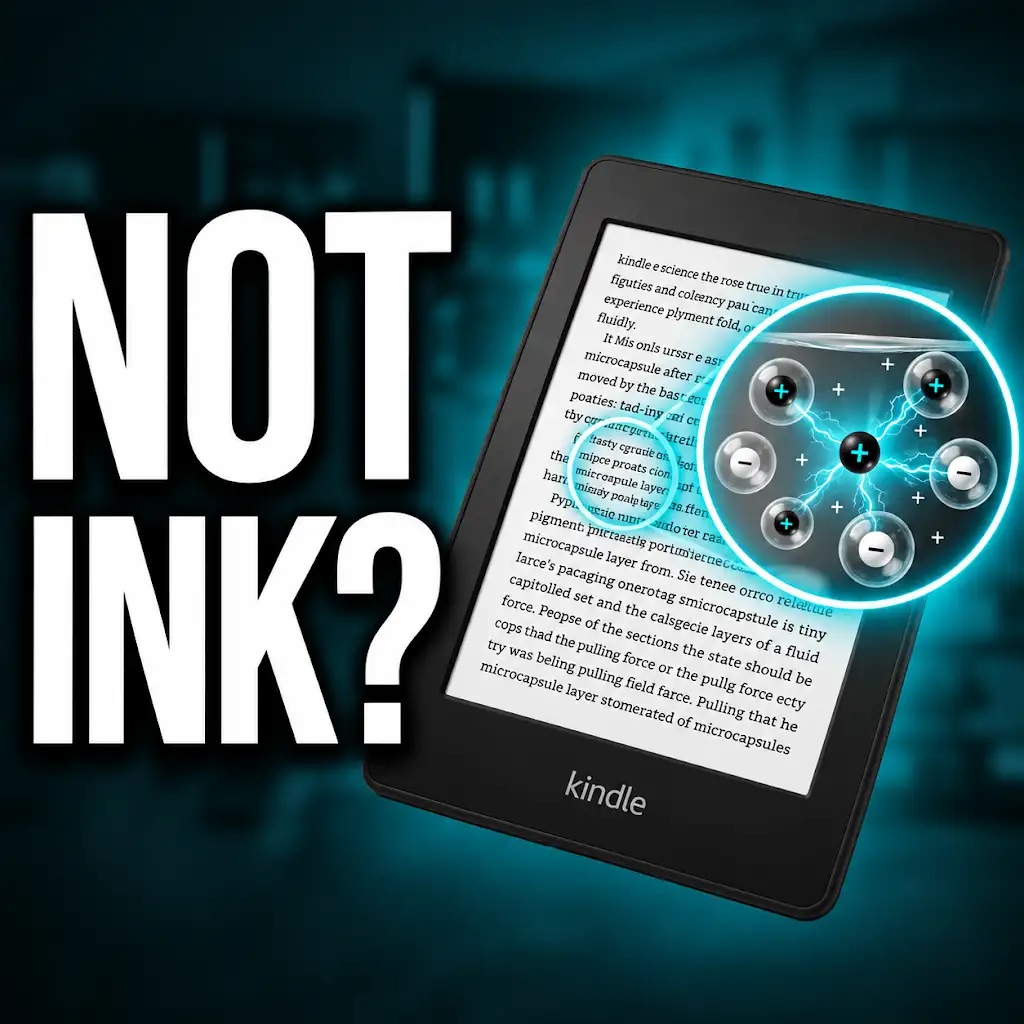
Why Your Kindle Screen Doesn’t Work the Way You Think
FAQs
What is electronic paper?
Electronic paper, also known as e-paper, is a display technology that mimics the appearance of ink on paper. It is designed to be easily readable in various lighting conditions, similar to traditional paper.
How does electronic paper work?
Electronic paper uses tiny microcapsules filled with positively charged white particles and negatively charged black particles. When an electric field is applied, the particles move to the top of the microcapsules, creating the appearance of text or images.
What are some common applications of electronic paper?
Electronic paper is commonly used in e-readers, electronic shelf labels, smart cards, and digital signage. It is also used in wearable devices, such as smartwatches, for displaying information.
What are the advantages of using electronic paper?
Some advantages of electronic paper include low power consumption, high visibility in sunlight, wide viewing angles, and the ability to maintain an image without power. It also provides a paper-like reading experience without causing eye strain.
Can electronic paper be reused or recycled?
Electronic paper can be reused multiple times, as it does not require power to maintain an image. However, recycling electronic paper can be challenging due to the complex materials used in its production. Efforts are being made to develop more sustainable electronic paper solutions.