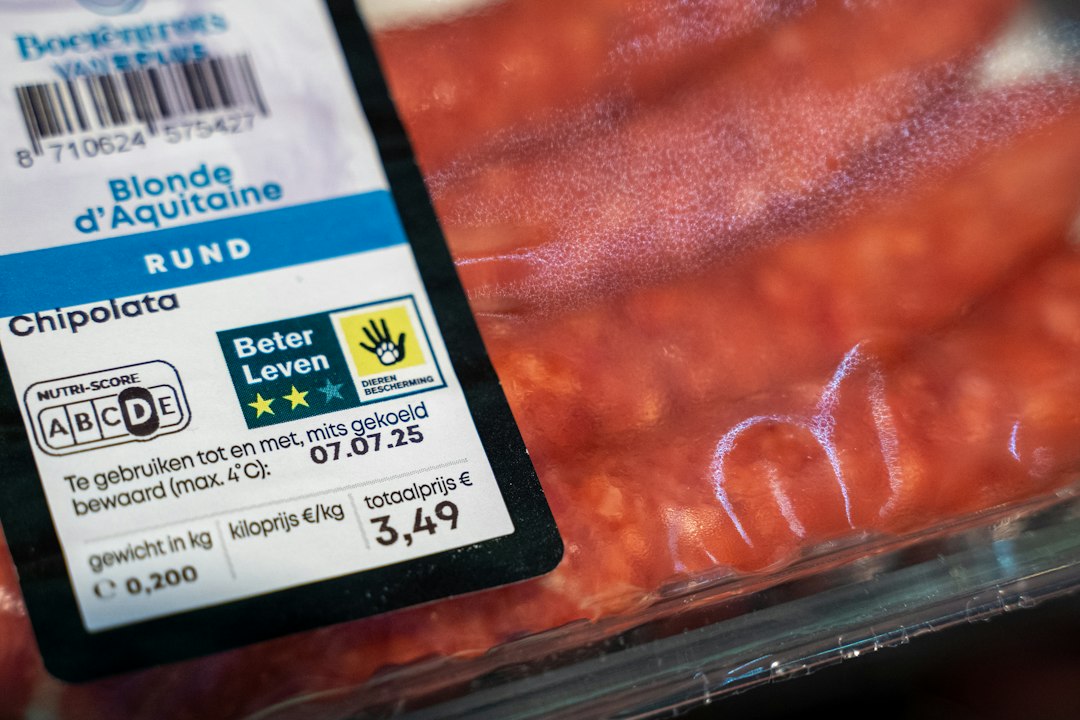
The retail landscape is in a perpetual state of evolution, driven by consumer expectations, technological advancements, and the relentless pursuit of efficiency. Among the most transformative innovations to emerge in recent years is electronic shelf label (ESL) technology. Moving beyond the static, easily outdated paper price tags of yesteryear, ESLs offer a dynamic, digital alternative that is fundamentally reshaping how retailers manage pricing, promotions, and in-store customer experiences. This technological leap represents a significant shift, empowering retailers with unprecedented agility and data-driven capabilities, while simultaneously offering consumers a more transparent and engaging shopping journey. The impact of ESLs extends far beyond a simple change in the visual presentation of prices; it is a strategic imperative for businesses seeking to thrive in the modern retail environment.
The Dawn of Dynamic Pricing and Enhanced Operational Efficiency
The introduction of electronic shelf labels marks a pivotal moment in retail operations, ushering in an era of dynamic pricing and unlocking substantial gains in operational efficiency. This technology moves beyond the laborious and error-prone process of manually updating paper price tags, providing retailers with a centralized and automated system for managing price changes. The benefits of this shift are manifold, impacting everything from marketing agility to labor allocation.
Real-Time Price Updates and Promotions
One of the most immediate and impactful benefits of ESLs is the ability to implement real-time price updates. Retailers can now adjust prices across their entire store, or even across multiple locations, in a matter of minutes, rather than hours or days. This is particularly crucial in markets with fluctuating commodity prices, competitive landscapes, or for businesses that employ dynamic pricing strategies. For instance, grocery stores can instantly reflect changes in the cost of fresh produce, or fashion retailers can quickly adjust markdowns during peak sale periods.
Beyond simple price adjustments, ESLs are a powerful tool for executing targeted and timely promotions. Retailers can schedule flash sales, offer limited-time discounts on specific items, or implement buy-one-get-one-free deals with unparalleled speed and precision. This allows for more responsive marketing campaigns, enabling retailers to capitalize on spontaneous opportunities or react swiftly to competitor actions. The ability to create a sense of urgency and scarcity through dynamically changing prices can also be a significant driver of impulse purchases and increased sales volume. Furthermore, ESLs can be programmed to display different prices for different customer segments or loyalty program members, offering a personalized pricing experience that was previously logistically impossible. The flexibility of ESLs empowers retailers to be far more nimble in their pricing strategies, adapting to market conditions and consumer behavior with unprecedented speed.
Reduced Labor Costs and Minimized Errors
The manual process of changing paper price tags is not only time-consuming but also a significant drain on labor resources. Employees spend valuable time walking the aisles, removing old tags, and affixing new ones. This labor can be redirected to more customer-facing activities, such as assisting shoppers, managing inventory, or improving the overall store experience. With ESLs, this manual task is virtually eliminated. Price updates are managed through a centralized system, freeing up staff to focus on higher-value tasks that contribute directly to sales and customer satisfaction.
Moreover, the potential for human error in manual price updates is substantial. Misplaced tags, incorrect prices, or illegible handwriting can lead to customer dissatisfaction, lost revenue, and even legal issues. ESLs, being digital and centrally managed, drastically reduce these errors. Prices are displayed consistently and accurately across all units, ensuring that customers see the correct pricing at all times. This not only enhances customer trust and reduces checkout friction but also minimizes the need for costly price discrepancy investigations and customer service interventions. The consistent accuracy provided by ESLs contributes to a smoother operational flow and a more reliable shopping experience.
Inventory Management and Stock Level Visibility
ESLs can also play a crucial role in improving inventory management. Many ESL systems can be integrated with a store’s inventory management software. This integration allows for the dynamic display of stock levels on the shelf, providing customers with real-time information about product availability. This can reduce the need for customers to ask staff for assistance and can also help guide purchasing decisions, particularly for high-demand or low-stock items.
Furthermore, by displaying stock information, retailers can gain valuable insights into product movement and sales velocity. This data can inform restocking decisions, helping to prevent stockouts and reduce overstocking, both of which have significant financial implications. The ability to track which items are selling quickly and which are not, directly from the shelf data, offers a powerful tool for optimizing inventory and minimizing waste. In essence, ESLs transform the shelf itself into a dynamic data point, contributing to a more intelligent and efficient supply chain.
Electronic shelf label technology is revolutionizing the retail industry by providing dynamic pricing and real-time inventory management. For a deeper understanding of how this technology is shaping the future of shopping, you can read a related article that discusses its benefits and implementation strategies. To explore more, visit this article.
Enhancing the In-Store Customer Experience
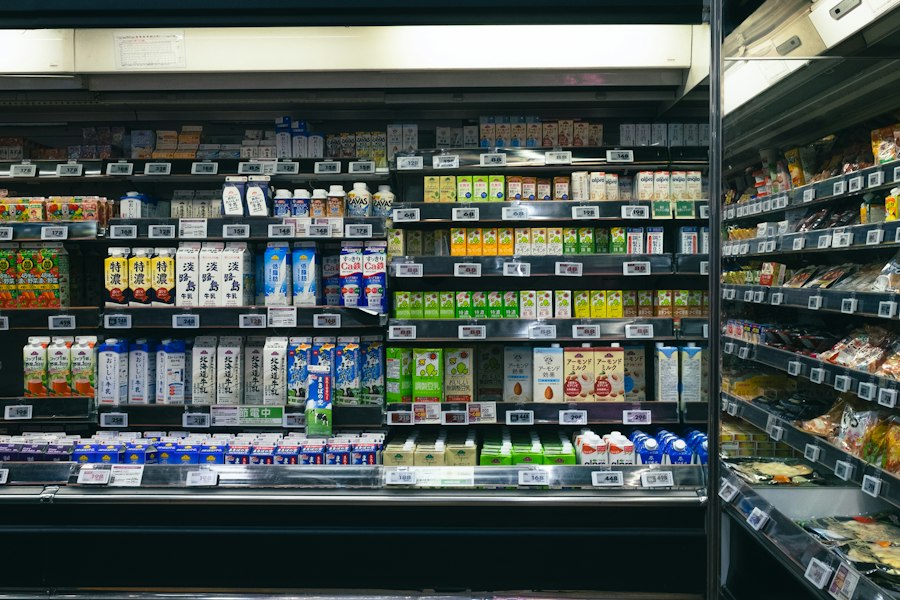
Beyond the operational advantages, electronic shelf labels are revolutionizing the in-store customer experience, making shopping more engaging, informative, and convenient. As consumer expectations continue to rise, retailers are increasingly looking for ways to differentiate themselves and foster deeper connections with their shoppers. ESLs provide a powerful platform for achieving these goals.
Increased Transparency and Accurate Information
In an era where consumers are more informed than ever, transparency in pricing is paramount. Paper tags can be confusing, especially with complex pricing structures, special offers, or tiered discounts. ESLs eliminate this ambiguity by displaying clear, consistent, and up-to-date pricing information. Customers can be confident that the price they see on the shelf is the price they will pay at the checkout. This builds trust and reduces the frustration often associated with discovering price discrepancies.
Beyond just price, ESLs can be programmed to display a wealth of additional product information. This can include nutritional facts, ingredient lists, allergen warnings, country of origin, and even reviews or ratings. For example, a customer looking at a packaged food item could instantly see if it’s gluten-free or vegan, or a shopper examining a piece of clothing could view available sizes and colors without having to search for a separate tag or ask a sales associate. This rich, easily accessible information empowers customers to make more informed purchasing decisions, leading to greater satisfaction and potentially reducing returns. The ability to access detailed product data directly at the point of consideration transforms the browsing experience from passive observation to active exploration.
Personalized Offers and Targeted Promotions
The digital nature of ESLs opens up exciting possibilities for personalized promotions and targeted offers. By integrating ESLs with customer loyalty programs or mobile applications, retailers can deliver dynamic promotions directly to shoppers as they browse the aisles. For instance, a customer who has previously purchased a particular brand of coffee might see a special offer for that brand appear on their ESL as they approach the coffee aisle. This level of personalized engagement can significantly enhance the shopping experience, making customers feel valued and understood.
Furthermore, retailers can leverage data from customer purchase history to tailor promotions in real-time. If a customer is known to prefer organic products, ESLs near organic produce could highlight special discounts on those items. This move away from generic, one-size-fits-all promotions towards highly relevant and timely offers fosters a more engaging and rewarding shopping journey. The potential for location-based marketing, where offers are triggered as customers enter specific zones of the store, further amplifies the power of personalized retail. This proactive and context-aware approach to promotion not only drives sales but also strengthens customer loyalty by demonstrating an understanding of individual preferences.
Interactive Shopping and Enhanced Discovery
ESLs can also contribute to a more interactive and engaging shopping experience, moving beyond static displays to create dynamic points of engagement. Some advanced ESL systems can be integrated with QR codes or NFC technology. Shoppers can scan these codes with their smartphones to access more in-depth product information, watch product demonstration videos, read customer reviews, or even add items to their online shopping cart for later. This seamless integration between the physical and digital realms bridges the gap between online and offline shopping, offering a truly omnichannel experience.
The ability to link ESLs to a wider ecosystem of digital content allows for richer product discovery. A shopper looking at a bottle of wine could, via a QR code on the ESL, access tasting notes, food pairing suggestions, or even a video of the vineyard. This elevates the simple act of browsing to an immersive educational experience. For retailers, this offers a new way to tell their brand story and connect with consumers on a deeper level. The interactive potential of ESLs transforms them from simple price displays into dynamic information hubs that enrich the customer’s journey and foster a sense of exploration.
The Technological Foundation: How ESLs Work
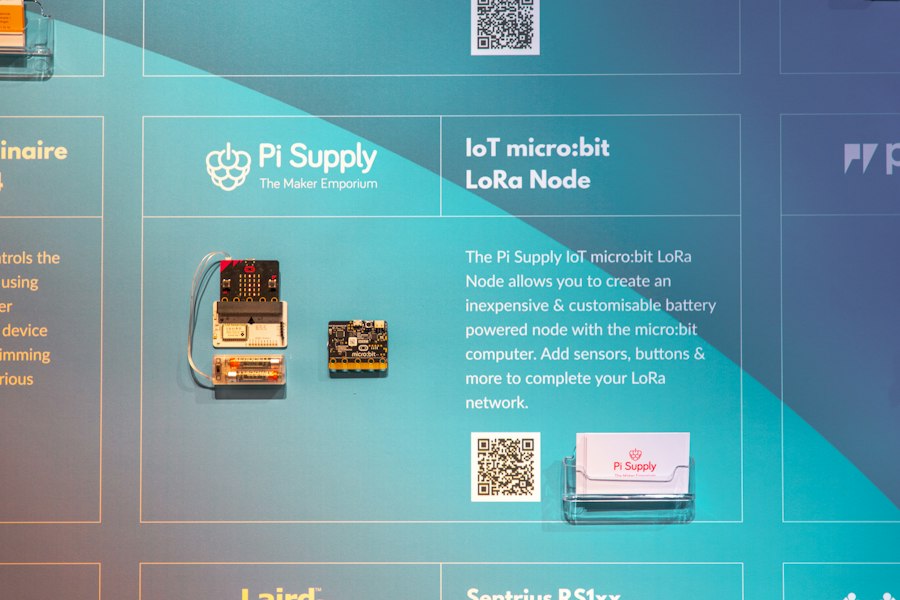
Understanding the underlying technology of electronic shelf labels is crucial to appreciating their revolutionary impact. These systems, while appearing simple to the end-user, represent a sophisticated integration of hardware, software, and communication protocols designed for efficiency and reliability within the challenging retail environment.
Display Technologies and Communication Networks
At the heart of an ESL are the electronic displays themselves. The most common technologies employed are:
- E-paper (Electronic Paper) Displays: These displays mimic the appearance of ink on paper and are highly energy-efficient, requiring power only when the image changes. They offer excellent readability in various lighting conditions and have a wide viewing angle. While typically monochrome (black and white or red and white), color e-paper technology is continuously improving, offering more vibrant options.
- LCD (Liquid Crystal Display) Displays: While less common for static price tags due to higher power consumption, LCDs can offer color and dynamic graphics. They are typically used for more interactive ESL applications or where full-color product information is desired.
These displays are connected to a central management system through various communication networks. The most prevalent are:
- Radio Frequency (RF) Networks: This includes technologies like Wi-Fi, Bluetooth, or proprietary RF protocols. These networks allow for wireless communication between the central server and the ESLs. RF systems offer good range and the ability to update multiple labels simultaneously.
- Infrared (IR) Networks: While less common for large-scale deployments due to line-of-sight limitations, IR can be used in smaller, more localized systems.
- Zigbee/Low-Power Wireless Personal Area Networks (WPANs): These are designed for low-power, low-data-rate communication and are well-suited for large deployments where energy efficiency is paramount.
The choice of display technology and communication network depends on factors such as the required update speed, the desired level of interactivity, the size of the retail space, and budgetary considerations. The underlying principle is to enable fast, reliable, and energy-efficient communication of pricing and product information to every shelf.
Centralized Management Software and Integration Capabilities
The true power of ESLs lies in the centralized management software that controls them. This software acts as the brain of the operation, allowing retailers to:
- Update Prices Instantly: Retailers can input price changes directly into the software, which then transmits the updates wirelessly to the relevant ESLs.
- Schedule Promotions: Complex promotional calendars can be programmed, with prices automatically changing at pre-determined times and dates.
- Manage Inventory Data: As mentioned previously, the software can often integrate with existing inventory management systems, pulling stock levels and displaying them on the ESLs.
- Monitor System Health: The software provides real-time feedback on the status of the ESLs, alerting staff to any issues or offline units.
- Generate Reports and Analytics: Data on price changes, promotional effectiveness, and even customer interaction can be collected and analyzed to inform future business decisions.
The ability to integrate this ESL management software with other retail systems, such as Point of Sale (POS) systems, customer relationship management (CRM) platforms, and e-commerce platforms, is critical for a truly cohesive retail strategy. This integration ensures data consistency across all channels, creating a seamless omnichannel experience and unlocking a wealth of data-driven insights. For example, a price change on an ESL can be automatically reflected on the retailer’s website and app, ensuring price consistency across all touchpoints.
Powering the Labels: Battery Life and Sustainability
A significant consideration for ESL technology is how the labels are powered. E-paper ESLs, in particular, are designed for exceptional battery life, often lasting for several years on a single battery. This is achieved by the nature of e-paper technology, which only consumes power when the display content is refreshed. This longevity minimizes the need for frequent battery replacements, further reducing labor costs and environmental impact.
While battery replacement is still a maintenance task, the infrequent nature of it makes it far more manageable than daily or weekly replacements. Some retailers are also exploring rechargeable ESLs or those powered by alternative energy sources, such as ambient light harvesting, as the technology continues to advance. The emphasis on energy efficiency in ESL design aligns with the growing corporate responsibility for sustainability, making them an environmentally conscious choice for modern retailers. This focus on long-term power solutions contributes to the overall cost-effectiveness and operational viability of the technology.
Addressing Challenges and Future Trends in ESL Adoption
While the benefits of electronic shelf labels are compelling, their widespread adoption is not without its challenges. Retailers must carefully consider these hurdles and stay abreast of emerging trends to maximize the value of their ESL investments.
Implementation Costs and Return on Investment (ROI)
One of the primary considerations for retailers is the initial investment required for ESL technology. This includes the cost of the ESL hardware (the labels themselves), the necessary infrastructure (wireless network components, access points), and the implementation and integration services. For smaller retailers, this upfront cost can be a significant barrier to entry.
However, the return on investment (ROI) for ESLs can be substantial and is often realized through a combination of factors:
- Reduced Labor Costs: As discussed, the elimination of manual price changes leads to significant savings in staff hours.
- Increased Sales: Dynamic pricing and targeted promotions can drive impulse purchases and increase overall sales volume.
- Minimized Markdowns and Waste: More agile pricing can help clear inventory faster, reducing the need for deep, unprofitable markdowns and minimizing product spoilage, particularly for perishable goods.
- Improved Customer Loyalty: A better shopping experience can lead to increased customer retention and positive word-of-mouth.
- Reduced Pricing Errors: Avoiding costly fines and customer complaints related to incorrect pricing.
Retailers must conduct thorough ROI analyses, factoring in all potential cost savings and revenue-generating opportunities, to justify the investment. The decreasing cost of ESL technology and the availability of more scalable solutions are making them increasingly accessible to a wider range of retailers.
Technological Integration and Scalability Concerns
Integrating ESL systems with existing IT infrastructure can be complex. Retailers often have legacy systems in place, and ensuring seamless data flow between these systems and the ESL management platform requires careful planning and technical expertise. Compatibility issues, data security concerns, and the need for robust network infrastructure are all important considerations.
Scalability is another critical factor. A retailer with a single store might require a relatively simple ESL solution, while a national chain with thousands of locations will need a system that can be easily scaled up without compromising performance or reliability. The ability of the ESL software and hardware to support a growing number of labels and locations is paramount. Cloud-based ESL solutions are increasingly addressing these scalability concerns by offering flexible and on-demand deployment options. As the technology matures, interoperability between different ESL vendors and broader retail technology ecosystems is also becoming a greater focus, aiming to simplify integration for retailers.
The Evolving Future of ESLs: Beyond Basic Pricing
The trajectory of ESL technology points towards a future where these labels become even more integral to the retail experience, extending far beyond simple price display. Several exciting trends are emerging:
- Enhanced Interactivity and Digital Engagement: Expect to see ESLs become more interactive, with embedded touchscreens, gesture recognition, and direct integration with augmented reality (AR) experiences. Imagine pointing your phone at an ESL and seeing a 3D model of the product or a virtual demonstration.
- AI-Powered Dynamic Pricing and Personalization: Artificial intelligence will play an increasingly significant role, enabling more sophisticated dynamic pricing models that react to real-time demand, competitor pricing, and even individual customer purchasing patterns. AI could also personalize the content displayed on ESLs for specific customer segments or even individuals passing by.
- Sustainability and Energy Harvesting: Continued advancements in battery technology and the exploration of energy harvesting solutions (e.g., solar, kinetic) will further enhance the sustainability of ESLs, reducing their environmental footprint and operational costs.
- Smart Shelf and IoT Integration: ESLs are poised to become a key component of the broader “smart shelf” and Internet of Things (IoT) ecosystem. They can act as sensors, gathering data on product placement, shelf availability, and even customer dwell time, providing retailers with a deeper understanding of in-store behavior.
- Integration with E-commerce and Click-and-Collect: ESLs will play a crucial role in bridging the online and offline worlds, facilitating seamless click-and-collect experiences and ensuring price consistency between online and physical stores.
The future of ESLs is not just about displaying prices; it’s about transforming the physical retail space into an intelligent, interactive, and personalized environment that meets the evolving demands of modern consumers.
Electronic shelf label technology is revolutionizing the retail industry by providing real-time pricing updates and enhancing the shopping experience for consumers. For those interested in exploring the broader implications of this technology, a related article can be found at Freaky Science, which discusses how these labels can improve inventory management and reduce operational costs. As retailers increasingly adopt this innovative solution, the benefits are becoming more apparent, making it a significant trend to watch in the coming years.
A Paradigm Shift in Retail Operations and Customer Engagement
| Metric | Description | Typical Value / Range | Unit |
|---|---|---|---|
| Display Type | Type of display technology used in ESLs | E-Ink, LCD, OLED | – |
| Display Size | Physical size of the electronic shelf label screen | 1.5 – 7 | inches |
| Battery Life | Operational time before battery replacement or recharge | 3 – 5 | years |
| Update Frequency | How often the price or information can be updated | Real-time to daily | – |
| Communication Protocol | Wireless technology used for data transmission | RF, NFC, Bluetooth, Wi-Fi | – |
| Resolution | Display resolution of the ESL screen | 100 x 100 to 400 x 300 | pixels |
| Operating Temperature | Temperature range for reliable ESL operation | -20 to 50 | °C |
| Price Update Time | Time taken to update price on the label | 1 – 5 | seconds |
| Durability | Resistance to physical damage and environmental factors | IP54 to IP67 | IP Rating |
| Cost per Unit | Average cost of one ESL device | 10 – 50 | units (currency varies) |
The advent of electronic shelf label technology represents more than just an incremental improvement in retail operations; it signifies a profound paradigm shift. By embracing this digital innovation, retailers are not only streamlining their internal processes but also fundamentally enhancing the way they interact with their customers. The move from static paper tags to dynamic, digital displays has unlocked a wealth of opportunities for agility, efficiency, and personalized engagement that were previously unimaginable.
The impact is multifaceted, touching every aspect of the retail value chain. Operationally, the ability to implement real-time price changes and promotions with unprecedented speed and accuracy liberates valuable staff time from mundane tasks and minimizes the costly errors associated with manual updates. This newfound efficiency translates directly into cost savings and allows for a greater focus on customer-centric activities that drive sales and loyalty. The integration capabilities of ESL systems with existing inventory management platforms further bolster operational intelligence, offering real-time visibility and enabling more informed decision-making regarding stock levels and product movement.
From a customer perspective, ESLs are revolutionizing the in-store experience. The increased transparency in pricing builds trust and reduces friction at the point of purchase. The capacity for ESLs to display rich product information empowers consumers to make informed choices, while the potential for personalized offers and targeted promotions transforms shopping from a transactional necessity into an engaging and rewarding experience. The integration of ESLs with digital channels further blurs the lines between online and offline, creating a truly omnichannel environment that caters to the modern, digitally connected consumer.
While challenges related to implementation costs and technological integration remain, the compelling benefits and the ongoing advancements in ESL technology are steadily overcoming these hurdles. The return on investment, driven by labor savings, increased sales, and reduced waste, is becoming increasingly evident. As ESLs continue to evolve, incorporating greater interactivity, AI-powered capabilities, and seamless integration with the broader IoT ecosystem, their role in shaping the future of retail will only grow.
In conclusion, electronic shelf label technology is not merely a convenience; it is a strategic imperative for retailers seeking to remain competitive in today’s dynamic market. It represents a powerful fusion of operational efficiency and enhanced customer experience, laying the groundwork for a more intelligent, responsive, and personalized future of shopping. The revolution in retail is here, and electronic shelf labels are at its forefront, redefining what is possible on the store shelf and beyond.

Why Your Kindle Screen Doesn’t Work the Way You Think
FAQs
What is electronic shelf label (ESL) technology?
Electronic shelf label technology is a system used in retail stores to display product pricing and information digitally on shelves. It replaces traditional paper labels with electronic displays that can be updated remotely.
How do electronic shelf labels work?
Electronic shelf labels work by connecting to a central server through a wireless network. Retailers can update pricing and product information in real-time using software, which then sends the updates to the electronic labels on the shelves.
What are the benefits of using electronic shelf labels?
Some benefits of using electronic shelf labels include reducing pricing errors, improving pricing accuracy, saving time on manual label changes, enhancing the overall shopping experience, and enabling dynamic pricing strategies.
Are electronic shelf labels cost-effective for retailers?
While the initial investment in electronic shelf label technology can be significant, many retailers find that the long-term cost savings from reduced labor and pricing errors make it a cost-effective solution. Additionally, the ability to implement dynamic pricing strategies can lead to increased revenue.
Can electronic shelf labels be integrated with other retail systems?
Yes, electronic shelf labels can be integrated with other retail systems such as inventory management, point-of-sale systems, and pricing software. This integration allows for seamless updates across all systems and ensures consistency in pricing and product information.