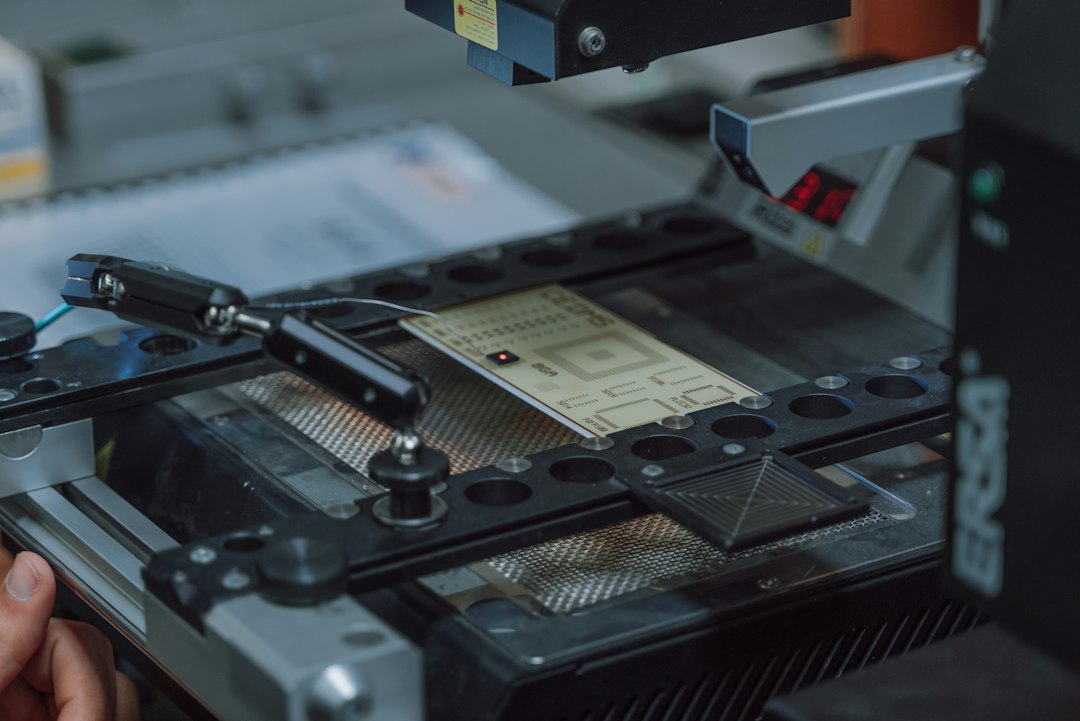
The Magic of Electrophoresis: How E-Paper Works
Electronic paper, often referred to as e-paper or e-ink, represents a paradigm shift in display technology, offering a visually distinct experience compared to the emissive displays that dominate our modern lives. Unlike conventional screens that emit light, e-paper mimics the appearance of ink on paper, providing a glare-free, high-contrast image that is exceptionally easy on the eyes. This innovative technology relies on a fascinating principle known as electrophoresis, a process involving charged particles suspended in a fluid.
The Core Components of an E-Paper Display
At its heart, an e-paper display is a sandwich of several key layers, meticulously engineered to create the illusion of static text and images. The fundamental building blocks are millions of microscopic capsules, each no larger than a human hair. These capsules are suspended within a transparent fluid, typically an oil, and are then encapsulated between two electrodes.
Microcapsules: The Tiny Inkwells of E-Paper
These microcapsules are the unsung heroes of e-paper technology. Each capsule contains a suspension of tiny, oppositely charged colored particles. In the most common implementation, known as bistable electrophoretic displays, these particles are black and white. The black particles carry a negative charge, while the white particles are positively charged. When an electric field is applied across the display, these charged particles are attracted to different electrodes, effectively moving to the front or back of the microcapsule.
The Electrophoretic Dance: Creating the Image
The magic of e-paper truly unfolds when an electric field is applied to these microcapsules. The control of this field is precisely orchestrated, allowing for the manipulation of the charged particles within each capsule. This orchestrated movement is what ultimately forms the visible image.
Applying Electric Fields for Pixel Control
The display is essentially a grid of pixels, and each pixel corresponds to one or more microcapsules. By applying a specific voltage to the electrodes located above and below the microcapsule layer, the display controller can dictate the position of the black and white particles within each capsule. When a positive voltage is applied to the top electrode, for instance, the negatively charged black particles are pulled towards it, while the positively charged white particles are repelled and move to the bottom. This makes the pixel appear white. Conversely, applying a negative voltage to the top electrode will cause the black particles to migrate to the front, rendering the pixel black.
Bistability: The Power-Saving Advantage
One of the most significant advantages of e-paper technology stems from its bistable nature. This means that once an image is formed, it remains visible without requiring any further power input. This characteristic is fundamentally different from emissive displays like LCDs and OLEDs, which constantly consume power to maintain their displayed image.
Maintaining the Image Without Continuous Power
The bistability of e-paper is a direct consequence of the physical arrangement and properties of the charged particles. Once the black or white particles have been moved to their desired positions within the microcapsules by the electric field, they remain in place due to static forces and the viscosity of the surrounding fluid. They will not spontaneously move back to their original positions unless an electric field is reapplied. This characteristic is crucial for applications where battery life is paramount, such as e-readers and electronic shelf labels.
Color E-Paper: Expanding the Palette
While the black-and-white e-paper has been the most prevalent, advancements in technology have led to the development of color e-paper. This innovation opens up a wider range of applications and enhances the visual appeal of e-paper devices.
Introducing Pigments and Color Filters
The primary approach to achieving color in e-paper involves incorporating colored pigments within the microcapsules, or using color filters in conjunction with the black-and-white particles. In some color e-paper designs, instead of just black and white particles, multiple colored particles (e.g., cyan, magenta, yellow) are suspended within the microcapsules. By controlling the movement of these colored particles with electric fields, different color combinations can be achieved for each pixel. Another method involves using a color filter array placed over a standard black-and-white e-paper display. The filter selectively allows certain wavelengths of light to pass through, creating the perception of color when illuminated by ambient light.
Electronic paper, often referred to as e-paper, is a display technology that mimics the appearance of traditional ink on paper, providing a reading experience that is easy on the eyes and highly energy-efficient. This innovative technology is widely used in e-readers, digital signage, and various other applications where low power consumption and readability in bright light are essential. For more in-depth information about the advancements and applications of electronic paper, you can read a related article at Freaky Science.
The Advantages and Disadvantages of Electronic Paper
The unique characteristics of e-paper translate into a distinct set of advantages and disadvantages when compared to traditional emissive displays. Understanding these trade-offs is crucial for appreciating where e-paper excels and where it falls short.
The Strengths of E-Paper: A User-Centric Perspective
E-paper’s primary appeal lies in its ability to replicate the comfort and readability of printed materials. This offers a superior user experience in specific contexts, leading to its adoption in a variety of devices.
Superior Readability and Eye Comfort
The most prominent advantage of e-paper is its excellent readability, especially under bright ambient light conditions. Because it reflects ambient light rather than emitting its own, it suffers from no glare, much like a physical book. This makes it ideal for extended reading sessions, significantly reducing eye strain and fatigue that can be associated with prolonged exposure to the harsh light of LCD or OLED screens. The high contrast ratio between the “ink” and the “paper” further enhances legibility, making text sharp and clear.
Reduced Eye Strain During Prolonged Use
The absence of a backlight is a key factor in e-paper’s comfort. Traditional displays emit light directly into the user’s eyes, which can lead to dryness, irritation, and headaches. E-paper, by reflecting light, simulates the natural reading experience, allowing users to read for hours without discomfort. This makes it the preferred choice for dedicated e-readers, where users often spend significant time engrossed in digital books.
Excellent Visibility in Direct Sunlight
In contrast to emissive displays that become washed out and difficult to view in bright sunlight, e-paper thrives in such conditions. The more ambient light available, the clearer and more vibrant the display appears. This makes it an excellent option for outdoor reading, navigation devices, and any application that might be used in direct sunlight.
Remarkable Power Efficiency
As mentioned earlier, the bistable nature of e-paper translates into exceptional power efficiency. Once an image is set, the display consumes virtually no power to maintain it. This leads to significantly longer battery life for devices utilizing e-paper technology.
Extended Battery Life for Devices
This power-saving capability is a cornerstone of the e-reader market. Devices like the Kindle and Kobo can last for weeks on a single charge, a feat virtually impossible for a tablet or smartphone with an LCD or OLED display. This longevity makes e-readers highly convenient for travel and for users who prefer not to be tethered to a power outlet.
Ideal for Low-Power Applications
Beyond e-readers, this power efficiency makes e-paper ideal for various low-power applications. Electronic shelf labels in retail stores, for example, can display prices and product information for months without needing battery changes. Digital signage in areas with limited power access, smart cards, and even some wearable devices can also benefit from this power-saving attribute.
Wide Viewing Angles
E-paper displays generally offer very wide viewing angles, meaning the image remains consistent and clear even when viewed from extreme angles. This is another characteristic that mimics printed paper and differs from some emissive displays that can experience color shifting or dimming when viewed off-axis.
The Limitations of E-Paper: Where It Falls Short
Despite its impressive advantages, e-paper is not without its drawbacks. These limitations often dictate its suitability for specific applications and explain why it hasn’t completely replaced traditional displays.
Slower Refresh Rates
The electrophoretic process, while effective for static images, is inherently slower than the rapid pixel changes required for dynamic content. This results in slower refresh rates compared to LCD and OLED displays.
Ghosting and Image Persistence
The slower refresh rate can lead to issues like “ghosting” or image persistence, where faint remnants of previous images remain visible on the screen even after the content has changed. While manufacturers have made significant strides in minimizing this effect, it can still be noticeable during fast scrolling or when displaying rapidly changing graphics. This makes e-paper unsuitable for applications requiring smooth video playback or high-frame-rate gaming.
Limited Animation and Video Capabilities
The slow refresh rate severely limits the ability of e-paper displays to render smooth animations or play video content. While some rudimentary animations are possible, they are often choppy and lack the fluidity of traditional displays. Therefore, e-readers are primarily designed for static text and image consumption, not for multimedia experiences.
Limited Color Gamut and Saturation
While color e-paper has advanced, it still generally cannot match the color vibrancy and accuracy of modern LCD and OLED displays.
Less Vibrant and Saturated Colors
The colors produced by most color e-paper technologies tend to be less saturated and vibrant than those seen on other display types. They often have a more muted or pastel-like appearance, particularly in indoor lighting conditions. This can be a disadvantage for applications where rich, true-to-life colors are critical, such as professional photo editing or high-end graphic design.
Impact on Multimedia Consumption
The less vibrant color reproduction also affects the overall experience of consuming multimedia content. Images and videos may appear less impactful, and subtle color nuances might be lost. This is why smartphones, tablets, and televisions predominantly use emissive displays for their superior color reproduction capabilities.
Backlight Dependence for Dark Environments
While excellent in bright light, e-paper displays require an external light source to be legible in dark environments.
Need for Frontlights or External Illumination
Unlike emissive displays that generate their own light, e-paper relies on ambient light. In dark conditions, users need to rely on a built-in frontlight (which illuminates the screen from the front, not from behind, to avoid glare) or an external light source, such as a reading lamp, to see the content. This adds an additional component and can sometimes affect the uniformity of illumination.
Higher Cost and Manufacturing Complexity
E-paper technology can be more expensive and complex to manufacture compared to some traditional display technologies, particularly at scale.
Specialized Manufacturing Processes
The creation of the microcapsules and the precise layering of the display components require specialized manufacturing processes. This can contribute to a higher cost per unit, especially for smaller, high-resolution e-paper displays. As the technology matures and production volumes increase, these costs are expected to decrease.
The Diverse Applications of Electronic Paper Technology
The unique attributes of electronic paper have carved out distinct niches for its application, ranging from personal reading devices to commercial signage and beyond. Its ability to mimic the look and feel of ink on paper, coupled with its power efficiency, makes it an attractive alternative for specific use cases.
E-Readers: The Quintessential E-Paper Device
The most ubiquitous application of e-paper is undoubtedly in dedicated e-readers. Devices like Amazon’s Kindle and Barnes & Noble’s Nook have popularized this technology, transforming the way people consume books.
Enhancing the Reading Experience
E-readers leverage e-paper’s inherent advantages to provide a reading experience that closely approximates that of a physical book. The glare-free display and paper-like appearance minimize eye strain, making it comfortable to read for extended periods. The ability to adjust font sizes, styles, and line spacing further caters to individual reading preferences, enhancing accessibility and personalization.
Long Battery Life for Extended Reading Sessions
The power efficiency of e-paper is a critical factor in the success of e-readers. Users can enjoy weeks of reading on a single charge, eliminating the need for frequent recharging and making them ideal companions for travel, commutes, or simply for uninterrupted reading at home. This freedom from constant power dependence is a significant draw for avid readers.
Portability and Digital Library Management
E-readers offer a compact and lightweight alternative to carrying multiple physical books. They can store thousands of titles in a single device, allowing users to carry their entire library with them wherever they go. Digital library management features, such as search, categorization, and bookmarking, further enhance the convenience of digital reading.
Electronic Shelf Labels (ESLs): Revolutionizing Retail
Electronic shelf labels are rapidly transforming the retail landscape, offering a dynamic and efficient way to display pricing and product information. E-paper’s bistability and low power consumption are perfectly suited for this application.
Dynamic Pricing and Real-Time Updates
Traditionally, price changes in retail stores involved manual updating of paper labels, a time-consuming and error-prone process. ESLs powered by e-paper allow for instant price updates across multiple shelves simultaneously, controlled wirelessly from a central system. This enables retailers to implement dynamic pricing strategies, respond quickly to competitor pricing, and run timely promotions with ease.
Reduced Labor Costs and Operational Efficiency
The automation of price updates significantly reduces labor costs associated with manual price changes. This frees up store staff to focus on more customer-facing activities, improving overall operational efficiency and customer service.
Improved Accuracy and Reduced Errors
Manual price updates are prone to human error, leading to incorrect pricing and potential customer dissatisfaction. ESLs, with their centralized control and digital updates, ensure pricing accuracy across the entire store, minimizing discrepancies and enhancing customer trust.
Smart Cards and Identification: Security and Convenience
E-paper technology is finding its way into smart cards, offering enhanced security features and dynamic information display.
Displaying Dynamic Information on Cards
E-paper displays can be integrated into ID cards, credit cards, or access badges to display dynamic information such as expiration dates, access levels, or even personalized messages. This allows for greater flexibility and security in identification systems.
Enhanced Security Through Dynamic Content
The ability to change the information displayed on a smart card in real-time can bolster security. For example, an access badge could display different permissions based on the time of day or the user’s current role, making it more difficult to counterfeit or misuse.
Other Emerging Applications: Expanding the Horizon
Beyond these established applications, e-paper is being explored and implemented in a variety of other innovative fields, showcasing its versatility.
Digital Signage and Information Displays
In public spaces, airports, and transportation hubs, e-paper displays offer a clear, glare-free way to present schedules, announcements, and wayfinding information. Their low power consumption makes them suitable for battery-powered or solar-powered installations.
Durable and Weather-Resistant Options
Some e-paper technologies are being developed to be more robust and weather-resistant, opening up possibilities for outdoor signage that can withstand various environmental conditions without the need for constant power.
Wearable Technology and Smart Accessories
The low power consumption and slim profile of e-paper make it an attractive option for certain wearable devices and smart accessories. For example, e-paper watch faces can display time and notifications with minimal battery drain, and some smart bands are incorporating e-paper displays for fitness tracking information.
Information Display on Surfaces
Researchers are also exploring the integration of e-paper into various surfaces, such as furniture, walls, and even clothing, to create dynamic and interactive environments. This could lead to truly futuristic applications where everyday objects can display information or change their appearance on demand.
The Future of Electronic Paper: Innovations and Advancements
The field of electronic paper is far from stagnant. Continuous research and development are pushing the boundaries of what this technology can achieve, promising even more sophisticated and widespread applications in the years to come. Several key areas of innovation are driving this evolution.
Enhancing Refresh Rates and Color Performance
One of the primary goals in e-paper development is to address its current limitations in refresh rate and color reproduction. Significant progress is being made in these areas, paving the way for more dynamic and visually appealing e-paper displays.
Faster Pixel Transitions and Reduced Ghosting
Engineers are working on novel electrophoretic particle formulations and improved actuator designs to achieve faster pixel transitions. This will lead to smoother scrolling, more responsive interaction, and a significant reduction in the ghosting or image persistence that can plague current e-paper displays. The aim is to make e-paper suitable for a wider range of applications that require more dynamic content.
Improved Color Saturation and Gamut
While color e-paper has advanced, achieving the same level of vibrancy and color accuracy as emissive displays remains a challenge. Future developments are focused on optimizing pigment blends, employing new color filter technologies, and exploring multi-layer display architectures to expand the color gamut and improve color saturation. This will make color e-paper more appealing for applications where rich, true-to-life colors are important.
Developing New E-Paper Technologies
Beyond refining existing electrophoretic displays, researchers are exploring entirely new paradigms for electronic paper, aiming to overcome some of the fundamental limitations of current technologies.
Flexible and Rollable Displays
The development of truly flexible and rollable e-paper displays is a significant area of research. By using flexible substrates and advanced encapsulation techniques, it is envisioned that e-paper could be integrated into a wide variety of form factors, such as rolled-up screens or embedded into clothing and flexible surfaces. This would open up new possibilities for portable displays and interactive materials.
Integrating with Other Technologies
The future of e-paper likely involves its integration with other advanced technologies. This could include combining e-paper with sensors for interactive applications, embedding it into smart textiles for dynamic visual displays on clothing, or integrating it with augmented reality systems to provide supplementary information.
Expanding the Application Landscape
As e-paper technology matures and becomes more versatile, its adoption is expected to expand into even more diverse sectors.
Interactive and Immersive Experiences
The combination of improved refresh rates, color capabilities, and potential for flexibility could lead to e-paper being used in more interactive and immersive applications. Imagine e-paper surfaces that can change their appearance on demand, providing dynamic signage, interactive learning materials, or even personalized interior design elements.
Advancements in Touch and Sensor Integration
Future e-paper displays are likely to feature more sophisticated touch sensitivity and seamless integration with various sensors. This would enable more intuitive user interfaces and allow e-paper to function as a versatile input and output device, bridging the gap between physical and digital information in novel ways.
Addressing Manufacturing and Cost Challenges
While progress has been made, further efforts are needed to reduce the manufacturing cost and complexity of e-paper, making it more accessible for a wider range of consumer and commercial products.
Scalable Manufacturing Processes
The development of more scalable and cost-effective manufacturing processes will be crucial for the widespread adoption of advanced e-paper technologies. This includes optimizing material usage, reducing production cycle times, and improving yields.
Lowering the Cost of High-Resolution Displays
As the demand for higher resolution e-paper displays grows, particularly for applications like digital art and premium e-readers, reducing the cost associated with producing these detailed displays will be a key focus for manufacturers.
Electronic paper, often referred to as e-paper, is a display technology that mimics the appearance of ink on paper, providing a more comfortable reading experience compared to traditional screens. This innovative technology is widely used in e-readers, digital signage, and various other applications due to its low power consumption and excellent visibility in sunlight. For those interested in exploring the advancements and potential of electronic paper further, you can read a related article on this topic at Freaky Science.
The Broader Impact and Future Potential of Electronic Paper
| Aspect | Description | Typical Metrics |
|---|---|---|
| Definition | Electronic paper (e-paper) is a display technology designed to mimic the appearance of ordinary ink on paper. | N/A |
| Display Type | Reflective display that does not emit light but reflects ambient light. | N/A |
| Power Consumption | Very low power usage; power is only consumed when the display is updated. | Typically less than 0.1 W during refresh, near 0 W when static |
| Contrast Ratio | Ratio of luminance of the brightest white to the darkest black. | Typically around 10:1 to 15:1 |
| Viewing Angle | Wide viewing angles similar to paper. | Up to 180 degrees |
| Refresh Rate | Speed at which the display can update content. | Typically 1-2 seconds per full page refresh |
| Color Capability | Most e-paper displays are monochrome; some support limited colors. | Monochrome or up to 16 colors |
| Common Uses | E-readers, electronic shelf labels, signage, smart cards. | N/A |
Electronic paper, with its unique blend of visual comfort, power efficiency, and adaptability, is more than just a display technology; it is a catalyst for change across various industries and a key enabler of a more sustainable and user-centric digital future. Its growing capabilities and potential for integration suggest a profound impact on how we interact with information and the devices around us.
Sustainability and Environmental Considerations
The inherent power efficiency of e-paper has significant implications for sustainability, offering a greener alternative to energy-intensive emissive displays.
Reduced Energy Consumption
The bistable nature of e-paper means it consumes minimal power once an image is displayed. This dramatically reduces the overall energy footprint of devices that utilize this technology, especially when compared to the constant power draw of LCD and OLED screens. This is particularly important in an era where energy conservation and reducing carbon emissions are paramount.
Extended Device Lifespan and Reduced E-Waste
The longer battery life afforded by e-paper also contributes to a more sustainable product lifecycle. Devices that can operate for extended periods on a single charge may lead to less frequent charging cycles and potentially a longer overall lifespan for the device. Furthermore, if e-paper displays can be more easily repaired or recycled due to their simpler construction compared to some complex emissive displays, it could contribute to a reduction in electronic waste.
Enhancing Accessibility and Inclusivity
The readability and glare-free nature of e-paper make it an invaluable tool for enhancing accessibility and inclusivity for a wide range of users.
Benefits for Visually Impaired Individuals
The high contrast and paper-like appearance of e-paper are particularly beneficial for individuals with visual impairments, including those with dyslexia or other reading difficulties. The ability to adjust font sizes and styles, combined with the absence of backlight glare, can significantly improve comprehension and reduce eye strain, making digital content more accessible.
Bridging the Digital Divide
In regions with limited access to reliable electricity, e-paper devices that require minimal power can play a crucial role in bridging the digital divide. Educational materials, agricultural information, and essential public service announcements can be delivered and accessed through low-power e-paper displays, empowering communities and promoting digital literacy.
The Evolving Relationship Between Physical and Digital
Electronic paper represents a fascinating intersection between the tactile experience of physical media and the dynamic capabilities of digital technology. Its ability to mimic the aesthetic of print suggests a future where the lines between these two realms become increasingly blurred.
A New Paradigm for Information Consumption
As e-paper technology matures, it is poised to redefine how we consume information. Beyond e-readers, we can envision e-paper integrated into everyday objects, seamlessly delivering information without the intrusiveness of traditional screens. This could lead to a more mindful and less distracting digital experience, where information is presented when and where it is needed, without overwhelming the user.
The Future of the Printed Word and Digital Interaction
The enduring appeal of printed books and documents is undeniable. E-paper offers a compelling digital alternative that captures the essence of this experience while offering the advantages of digital content. This could lead to a future where the printed word and digital interaction coexist harmoniously, with e-paper serving as a bridge between the two, offering the best of both worlds. The potential for e-paper to offer durable, low-power, and visually comfortable displays suggests a long and impactful future for this innovative technology.

Why Your Kindle Screen Doesn’t Work the Way You Think
FAQs
What is electronic paper?
Electronic paper, also known as e-paper, is a display technology that mimics the appearance of ink on paper. It is designed to be easily readable in various lighting conditions, similar to traditional paper.
How does electronic paper work?
Electronic paper uses tiny microcapsules filled with positively charged white particles and negatively charged black particles. When an electric field is applied, the particles move to the top of the microcapsules, creating the appearance of text or images.
What are the advantages of electronic paper?
Electronic paper offers benefits such as low power consumption, high visibility in sunlight, wide viewing angles, and the ability to maintain an image without continuous power. It is also lightweight and flexible.
Where is electronic paper commonly used?
Electronic paper is commonly used in e-readers, electronic shelf labels, smartwatches, and digital signage. It is also used in applications where a low-power, high-contrast display is desired.
Is electronic paper the same as a traditional LCD screen?
No, electronic paper and traditional LCD screens are different technologies. Electronic paper reflects light like traditional paper, while LCD screens emit light. Electronic paper is often easier to read in bright light and consumes less power than LCD screens.