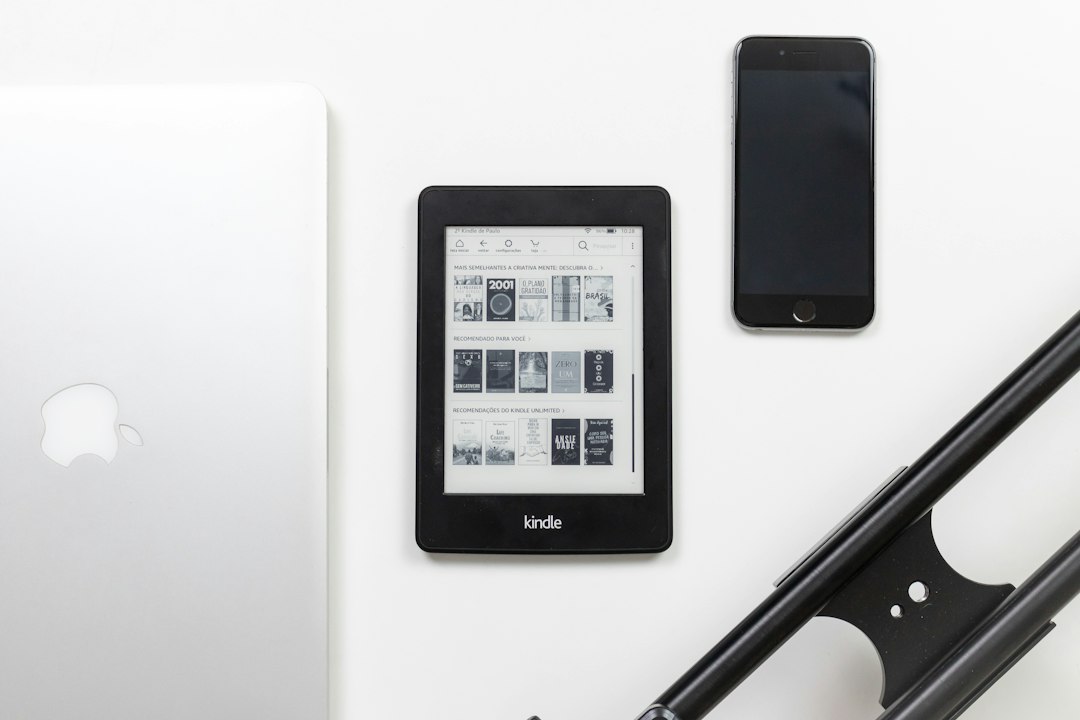
The evolution of e-readers has been intrinsically tied to the advancements in their display technology. At the heart of the Kindle experience lies its E-Ink screen, a departure from the vibrant, backlit displays of tablets and smartphones. This deliberate choice is not a limitation but a foundational element designed to mimic the tactile sensation and visual comfort of reading on paper. The constant iteration and refinement of Kindle’s E-Ink displays have played a pivotal role in shaping how users engage with their digital libraries, offering a reading experience that is both familiar and technologically superior. These updates are not merely about aesthetic improvements; they are about fundamentally enhancing the user’s immersion, reducing eye strain, and bringing a host of new functionalities to the forefront of digital reading.
The journey of E-Ink technology, from its nascent stages to the sophisticated screens found in modern Kindles, is a testament to innovation driven by the desire to replicate the effortless readability of physical books. Unlike traditional LCD or LED screens that emit light directly towards the user’s eyes, E-Ink displays work by reflecting ambient light, much like the ink on a printed page. This fundamental difference is the genesis of many of the benefits associated with Kindle’s display updates. Early E-Ink screens were characterized by slow refresh rates and limited contrast, making them suitable for static text but less ideal for dynamic content. However, continuous research and development have addressed these initial shortcomings, leading to displays that are not only sharper and more responsive but also boast features that significantly enrich the reading journey. The underlying principle remains the same: to create a screen that prioritizes visual comfort and reduces the fatigue often associated with prolonged screen time. The ongoing dialogue between hardware engineers, software developers, and user feedback has sculpted the E-Ink display into the powerful reading tool it is today, a constant work in progress that prioritizes the user’s perception and reading enjoyment above all else.
The Core Principles of E-Ink and Its Reading Advantages
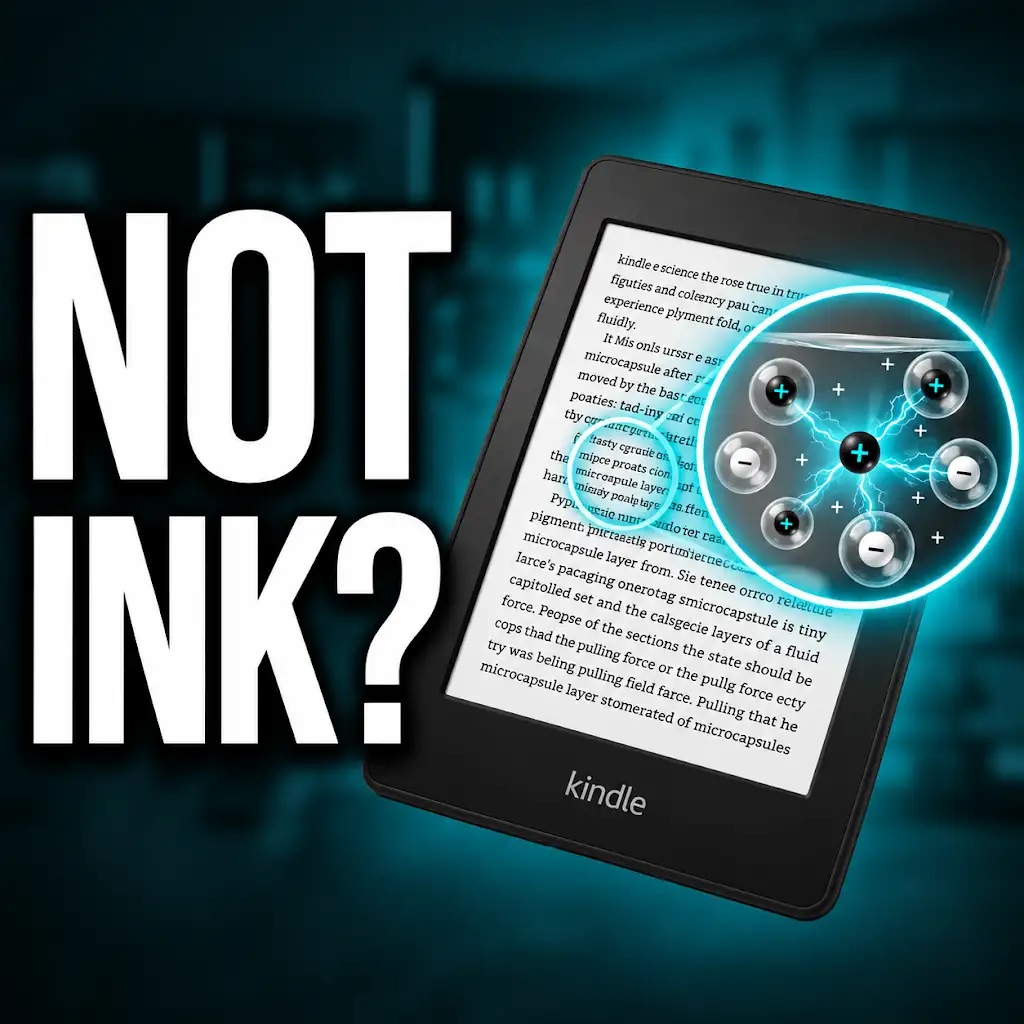
At its fundamental level, E-Ink technology, often referred to as electrophoretic display (EPD), operates on a principle that is entirely distinct from conventional digital screens. Imagine a canvas filled with millions of tiny microcapsules, each containing positively charged white particles and negatively charged black particles suspended in a clear fluid. When an electrical charge is applied, these particles migrate to the surface of the microcapsule, forming the visible text and images that a reader perceives. This process of manipulating charged particles to create a display is what grants E-Ink its unique characteristics, setting it apart from the emissive nature of LCD and OLED technologies.
Mimicking the Printed Page for Superior Comfort
The most celebrated advantage of E-Ink displays, and a primary driver of Kindle’s design philosophy, is their remarkable ability to replicate the visual comfort of reading physical books. This is achieved through several key attributes stemming directly from the E-Ink technology. Unlike the bright, glowing screens of smartphones and tablets that emit light, E-Ink screens are reflective. This means they utilize ambient light to illuminate the display, creating a soft, paper-like appearance that significantly reduces glare and eye strain. This passive illumination is crucial for extended reading sessions, as it minimizes the harshness that can lead to headaches and visual fatigue.
The static nature of E-Ink, where the image remains on the screen without requiring continuous power to maintain it, further contributes to its paper-like feel. Once an image is rendered, the particles remain in place, consuming minimal power. This absence of flickering, which is inherent in the refresh cycles of backlit displays, eliminates a subtle but significant source of visual discomfort. For avid readers who spend hours engrossed in their digital libraries, this reduction in eye strain is not just a convenience; it is a fundamental enhancement to their reading experience, allowing them to read for longer periods without the discomfort often associated with prolonged screen time. The resolution and contrast ratios have also seen significant improvements over the years, ensuring that even intricate fonts and detailed images are rendered with clarity, further solidifying the resemblance to printed text.
Power Efficiency and Longevity
A direct consequence of E-Ink’s reflective nature and static image retention is its exceptional power efficiency. Because the display only consumes power when the image is being refreshed (i.e., when turning a page or changing content), a Kindle can last for weeks on a single charge. This stands in stark contrast to other electronic devices that require daily or even more frequent charging. This prolonged battery life is a significant boon for travelers, students, and anyone who values the convenience of a device that is always ready for use without the constant anxiety of a depleted battery.
This power efficiency is not merely about convenience; it also contributes to the device’s overall longevity and sustainability. Reduced charging cycles mean less wear and tear on the battery, potentially extending the lifespan of the device itself. Furthermore, the lower energy consumption per use translates to a smaller environmental footprint over the device’s lifetime. The ability to read for extended periods without needing to find a power outlet is a core tenet of the Kindle’s design, allowing users to immerse themselves in their stories without interruption. This robust power management is a silent but critical component of the enhanced reading experience, ensuring that the technology recedes into the background, allowing the content to take center stage.
Recent advancements in Kindle display technology have significantly enhanced the reading experience for users. For a deeper understanding of how these changes have evolved over time, you can explore this related article that discusses the various innovations in e-reader displays and their impact on readability and user comfort. To read more, visit this article.
Advancements in Kindle Display Technology

The E-Ink technology employed by Amazon in its Kindle devices has not remained static. Through continuous research and development, significant advancements have been made, transforming the reading experience from functional to sophisticated. These updates are not always headline-grabbing events, but rather incremental improvements that, when combined, create a noticeably superior reading environment. From increased clarity to improved responsiveness, these technological leaps are integral to the modern Kindle’s appeal.
Enhanced Contrast and Resolution for Sharper Text
One of the most impactful areas of improvement in Kindle displays has been the enhancement of contrast and resolution. Early E-Ink screens often struggled with muted blacks and grayish whites, leading to text that, while readable, lacked the crispness of printed material. Modern Kindle displays, particularly those with “Carta” or “Carta 1200” technology, boast significantly improved contrast ratios. This translates to deeper blacks and brighter whites, making text appear sharper, more defined, and easier to distinguish. The improved resolution means that even the smallest fonts are rendered with remarkable clarity, minimizing aliasing and ensuring a smooth, professional appearance.
This upgrade in contrast and resolution has a direct impact on the reading experience. Text feels more solid and less “digital,” further blurring the lines between the e-reader and a physical book. This enhanced sharpness reduces the cognitive load on the reader, as their eyes don’t have to work as hard to decipher the text. Furthermore, the improved clarity makes it easier to appreciate the nuances of typography, transforming casual reading into a more visually pleasing experience. This is particularly beneficial for academic texts, technical manuals, or any material where precise understanding of the written word is paramount. The subtle but profound improvements in these areas contribute to a reading experience that is both more comfortable and more engaging.
Faster Refresh Rates and Reduced Ghosting
The speed at which an E-Ink display can update its content has historically been a point of contention for digital readers. Slow refresh rates could lead to noticeable “ghosting,” where remnants of previous images lingered on the screen, or a lag between page turns. Amazon has made considerable strides in addressing this with newer Kindle models. The introduction of faster refresh technologies has dramatically reduced the time it takes for the screen to update, making the transition between pages feel almost instantaneous.
This increased speed has several key benefits. Firstly, it significantly diminishes the phenomenon of ghosting. While some residual imagery might still occur in specific circumstances, it is far less prevalent and distracting than in earlier generations. This cleaner display contributes to a more seamless reading flow, allowing readers to remain immersed in their narrative without jarring visual interruptions. Secondly, the faster refresh rate enables more dynamic interactions with the device. Features like experimental web browsers or the ability to highlight text and look up definitions are now more responsive and fluid. This improved responsiveness transforms the Kindle from a purely static reading device into a more interactive and versatile tool, all while maintaining the core comfort of E-Ink. The user experience is greatly enhanced as the device feels more immediate and less beholden to the inherent limitations of the underlying technology.
As technology continues to evolve, the way we read has also transformed significantly, particularly with devices like the Kindle. Recent advancements in Kindle displays have made reading more comfortable and enjoyable, with features such as adjustable lighting and improved screen clarity. For those interested in exploring this topic further, you can check out a related article that delves into the various changes in Kindle technology and their impact on readers. To learn more, visit this insightful article that discusses the future of e-reading devices.
Integrated Front Lights and Warm Light Technology
Perhaps one of the most significant innovations that has transformed the Kindle display beyond its basic E-Ink capabilities is the integration of front lights. Unlike the backlights found in tablets and smartphones that shine directly into the eyes, Kindle’s front lights illuminate the screen evenly from the edges, reflecting light onto the E-Ink display. This method ensures that the screen itself remains paper-like and comfortable to view, even in complete darkness.
The introduction of adjustable front lights allowed users to read in any lighting condition, from bright sunlight to a dimly lit bedroom, without the need for external light sources. This was a game-changer for night-time reading, eliminating the need for bedside lamps that could disturb a partner. Building upon this, newer Kindle models have introduced “Warm Light” technology. This feature allows users to adjust the color temperature of the front light, shifting from a cooler, blue-white light to a warmer, amber-toned light. This warm light is designed to be even gentler on the eyes, particularly before bedtime, as it reduces exposure to blue light, which is known to interfere with sleep patterns. The ability to customize the illumination to individual preferences and times of day elevates the reading experience from merely functional to deeply personalized and comfortable.
The Impact of Display Updates on User Engagement
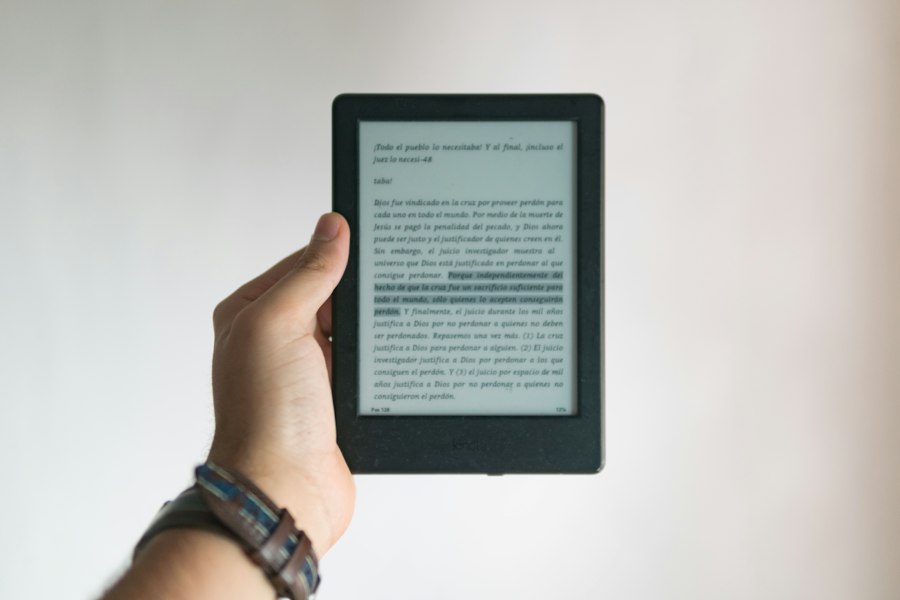
The continuous evolution of Kindle’s E-Ink displays is not just about technological prowess; it has a profound and tangible impact on how users engage with their reading material. These updates foster deeper immersion, encourage more frequent reading, and unlock new ways of interacting with digital content, transforming the act of reading itself. The subtle yet powerful enhancements to the display are the silent architects of a richer and more rewarding user experience.
Deeper Immersion and Reduced Distractions
The core promise of E-Ink is to minimize distractions and allow the reader to focus solely on the content. The paper-like quality and the absence of the harsh glow associated with other screens create an environment that is conducive to deep reading. When the display accurately mimics the experience of a physical book, the cognitive dissonance that can arise from reading on a screen is significantly reduced. This allows users to become more deeply immersed in the narrative, forgetting the device and becoming lost in the world of the story.
The improvements in contrast, resolution, and the elimination of distracting ghosting further enhance this immersion. A clearer, sharper image draws the reader in, making the words on the page feel more present and substantial. The consistent, comfortable visual experience means that the reader’s attention is less likely to be diverted by eye fatigue or the urge to take breaks. This sustained focus is crucial for complex texts, intricate plots, or any form of reading that requires sustained cognitive effort. The Kindle display, through its constant refinement, strives to become an invisible conduit to the written word, allowing the author’s voice and the story’s essence to shine through without the intrusion of the technology itself.
Encouraging Extended Reading Sessions
The cumulative effect of E-Ink’s comfort, power efficiency, and the advancements in display technology is a direct encouragement of longer reading sessions. When a device is comfortable to look at for extended periods, and its battery life allows for uninterrupted reading, users are naturally inclined to spend more time with their books. The absence of eye strain means that the physical barrier to prolonged reading is removed. Readers are no longer forced to take frequent breaks to rest their eyes.
Furthermore, the convenience of the integrated front light and warm light options means that reading is no longer restricted by ambient light conditions. Whether it’s late at night or during a dimly lit commute, the Kindle provides an optimal reading environment. This freedom from external constraints empowers readers to pick up their Kindle whenever inspiration strikes or whenever they have a spare moment, fostering a more consistent and dedicated reading habit. The device becomes a constant companion, readily available for literary exploration without the typical limitations associated with other electronic devices.
New Possibilities for Interactive Reading
While E-Ink’s primary strength lies in its static nature, advancements have also opened up new avenues for interactive reading experiences. The faster refresh rates and improved responsiveness have made features like integrated dictionaries, Wikipedia lookups, and note-taking more fluid and less intrusive. Users can now highlight a word they don’t understand, tap it, and instantly see a definition or get more information without significant lag.
The ability to translate text on the fly or look up historical context for a passage adds a new layer of engagement with the material. This transforms the Kindle from a passive consumption device into an active learning tool. For students, researchers, or curious readers, these interactive features, enabled by display improvements, enrich the understanding and appreciation of the text. The display updates allow for a more dynamic and personalized interaction with digital content, blending the comfort of traditional reading with the power of digital information access.
The Future of Kindle Displays and Beyond
The trajectory of Kindle’s E-Ink displays suggests a continued commitment to enhancing the reading experience. As technology progresses, we can anticipate further refinements that will push the boundaries of what E-Ink can achieve, solidifying its position as the preeminent display technology for dedicated e-readers and potentially influencing other areas of display technology. The focus will undoubtedly remain on comfort, clarity, and functionality, ensuring that the Kindle continues to offer a superior reading experience.
Next-Generation E-Ink Technologies
The field of E-Ink, or electrophoretic display technology, is far from stagnant. Innovations are continuously being explored that promise even higher resolutions, greater color saturation (though color E-Ink has yet to fully rival traditional displays for general use, it’s improving), and even greater responsiveness. Companies are researching new ink formulations, advanced pixel architectures, and more efficient driving electronics. These advancements could lead to Kindle displays that are virtually indistinguishable from high-quality print, with vibrant colors and dynamic refresh rates that could support more complex visual content without compromising battery life.
The quest for a truly seamless and immersive reading experience continues, and E-Ink technology is at the forefront of this endeavor. As these next-generation technologies mature and become economically viable, it is highly probable that Amazon will integrate them into future Kindle models, further elevating the reading experience. The pursuit of perfect readability, coupled with the unique power-saving advantages of E-Ink, ensures that this technology will remain a cornerstone of digital reading for the foreseeable future.
Integration with Advanced Features and Content Formats
As Kindle displays become more sophisticated, their integration with advanced features and a wider array of content formats will also expand. Imagine displays that can dynamically adjust contrast and font rendering based on the type of content being displayed, from novels to graphic novels, technical journals, or even interactive textbooks. The ability to render complex graphics and illustrations with higher fidelity, combined with faster refresh rates, could make graphic novels and manga a much more compelling experience on E-Ink devices.
Furthermore, the underlying E-Ink technology could be adapted to support new forms of interactive content, moving beyond simple annotations and dictionaries. This could include embedded multimedia elements that are seamlessly integrated into the reading experience without being distracting. The focus will remain on ensuring that these advanced features enhance, rather than detract from, the core reading experience. The display is the gateway to the content, and as the gateway becomes more capable, so too will the possibilities for the content itself.
The Enduring Appeal of a Dedicated Reading Device
Despite the ubiquity of multi-functional tablets and smartphones, the dedicated e-reader, with its E-Ink display, continues to hold a strong appeal for a significant segment of the population. This appeal is rooted in the fundamental design philosophy that prioritizes reading above all else. By stripping away the distractions inherent in general-purpose devices, the Kindle, powered by its advanced E-Ink display, offers a focused, comfortable, and distraction-free gateway to the world of books.
The ongoing improvements to Kindle’s E-Ink displays are a testament to this enduring appeal. They are not merely incremental updates; they are strategic enhancements designed to reinforce the core value proposition of the Kindle: to provide the best possible reading experience. As technology evolves, the Kindle display will undoubtedly continue to be a driving force in shaping how we consume literature and information, ensuring that the quiet, focused joy of reading remains a cherished pastime in an increasingly digital world. The ability of the E-Ink screen to so effectively mimic the timeless comfort of paper, while simultaneously offering the advantages of modern technology, secures its place as a vital component of the future of reading.
Why Your Kindle Screen Doesn’t Work the Way You Think
FAQs
How has the display technology of Kindle evolved over the years?
Kindle displays have evolved from using E Ink technology to more advanced versions like E Ink Carta and E Ink Mobius, offering improved contrast, faster page turns, and better readability.
What is the difference between E Ink and LCD displays on Kindle devices?
E Ink displays, used in most Kindle devices, mimic the appearance of ink on paper, providing a glare-free reading experience similar to physical books. LCD displays, found in tablets, emit light and can cause eye strain during prolonged use.
Can Kindle displays be customized for different reading preferences?
Yes, Kindle displays offer features like adjustable font sizes, font styles, and screen brightness to cater to individual reading preferences and enhance the reading experience.
How do Kindle displays impact battery life compared to traditional tablets?
Kindle displays consume significantly less power than LCD screens, resulting in longer battery life. E Ink technology only uses power when the display changes, allowing Kindle devices to last weeks on a single charge.
Are there any drawbacks to the E Ink technology used in Kindle displays?
While E Ink displays offer benefits like reduced eye strain and longer battery life, they may have slower refresh rates compared to LCD screens, making them less suitable for tasks like video playback or gaming.