The Magic of Microcapsules: Understanding Electrophoretic Ink
The crisp, paper-like display of an e-reader or the dynamic signage in a modern store often relies on a technology that feels, at times, almost magical: electrophoretic ink. Unlike the emissive displays of smartphones and televisions that generate their own light, electrophoretic displays (EPDs) are reflective, mimicking the appearance of traditional ink on paper. This remarkable feat is achieved through the ingenious application of electrostatics and the behavior of charged particles suspended in a fluid. At its core, electrophoretic ink is a suspension of microscopic capsules, each containing a solution filled with tiny, charged pigment particles. The magic happens when an electric field is applied, guiding these particles to create the visible image.
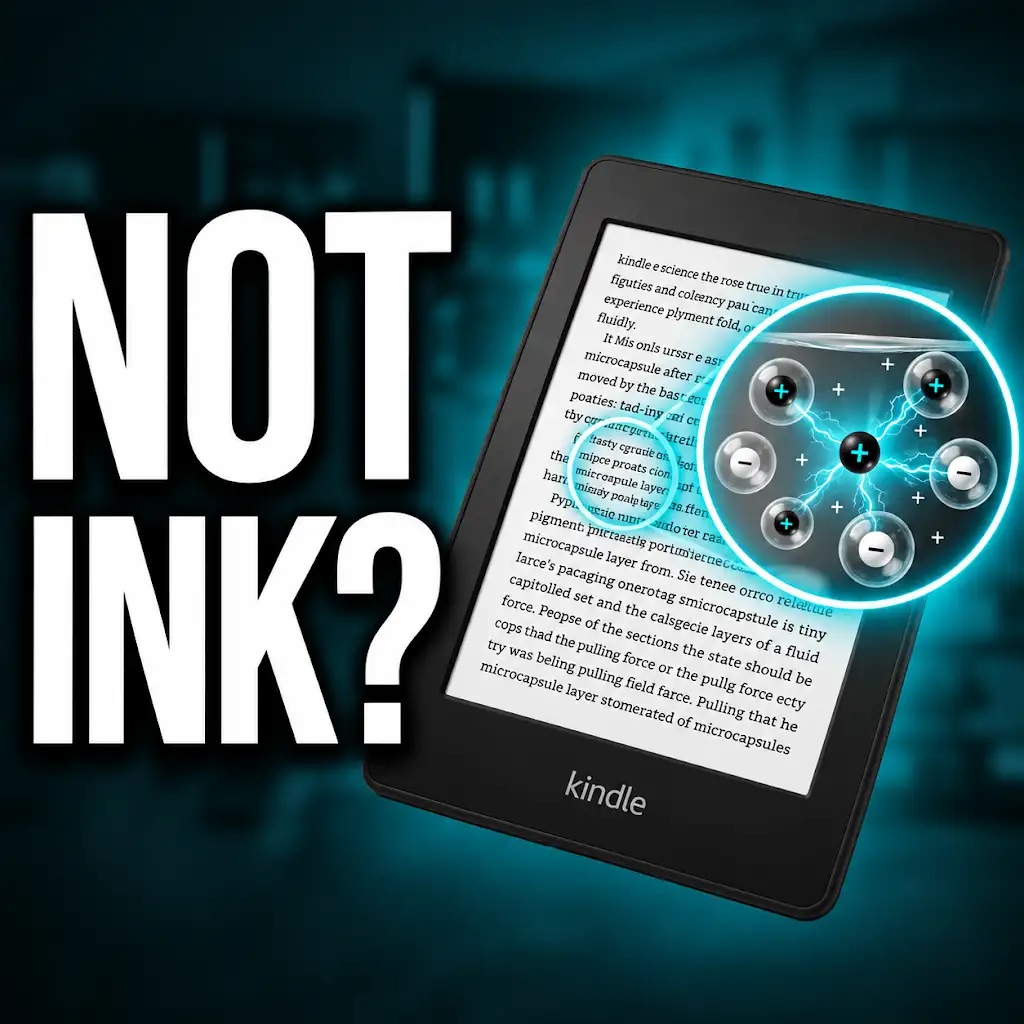
The fundamental principle behind electrophoretic ink is straightforward, yet its execution requires sophisticated engineering. Imagine a tiny, transparent sphere filled with two types of particles, one black and one white, each carrying an opposite electrical charge. When a positive charge is applied to one electrode and a negative charge to another, the charged particles within these microcapsules are drawn towards the electrode with the opposite polarity. If the black particles are negatively charged and the white particles are positively charged, and an electrode below the microcapsule is made positive, the black particles will be repelled upwards towards the viewer’s surface, making that area appear black. Conversely, if the electrode becomes negative, the white particles will move to the surface, rendering that area white. By precisely controlling the voltage applied to an array of electrodes beneath these microcapsules, complex patterns of black and white can be formed, creating text and images. This controlled movement of charged particles is the essence of how electrophoretic ink brings digital content to life in a visually familiar way.
The Building Blocks of E-Paper: Microcapsules and Pigments
The visual fidelity and low power consumption of electrophoretic displays are directly attributable to their unique internal structure. The heart of this technology lies in the microcapsules, incredibly small spheres that encapsulate the charged pigment particles. These microcapsules are typically on the order of tens of micrometers in diameter, akin to the width of a human hair, making them virtually invisible to the naked eye. Each microcapsule acts as an independent unit, a tiny display cell capable of rendering a single pixel or a portion of one. The integrity and precise distribution of these microcapsules are critical for the overall performance and longevity of the e-paper display.
The Role of Microencapsulation
The process of microencapsulation is a cornerstone of electrophoretic ink technology. It involves creating a protective shell around the core material, which in this case is the charged pigment particles suspended in a clear fluid. This shell is typically made of polymers, such as gelatin or polyurethane, and its formation is a complex chemical process. The primary function of the microcapsule is to contain the pigmented fluid and prevent the charged particles from aggregating or settling over time. Without this encapsulation, the particles would clump together, leading to a loss of display clarity and responsiveness. The thin, flexible, yet durable nature of these polymer shells is essential, allowing the particles within to move freely when an electric field is applied, while simultaneously shielding them from external environmental factors and physical stress. The density and uniformity of these microcapsules across the display surface directly influence the resolution and color saturation of the final image.
The Chemistry of Charged Particles
The ability to manipulate the visual output of electrophoretic ink hinges on the electrical properties of the pigment particles within each microcapsule. These particles are not merely colored; they are imbued with a specific electrical charge. Typically, two distinct types of particles are used: one that appears black and another that appears white. The black particles are often made from carbon black, while the white particles are commonly titanium dioxide. The key is that these particles possess opposite charges. For instance, the black particles might carry a negative charge, while the white particles carry a positive charge. This charge is imparted through a chemical process during the manufacturing of the ink, often involving surface treatments or the addition of specific additives that create a stable, ionic imbalance on the particle surfaces. The strength of these charges, along with the viscosity of the suspending fluid, dictates how quickly and effectively the particles respond to an applied electric field. The precise formulation of these charged pigments is a proprietary aspect for many e-paper manufacturers, as it significantly impacts the display’s contrast, response time, and overall lifespan.
Electrophoretic ink, a fascinating technology used in electronic paper displays, allows for the creation of images and text by manipulating charged particles suspended in a liquid. For those interested in exploring this innovative topic further, a related article can be found at Freaky Science, which delves into the principles and applications of electrophoretic displays, providing insights into how this technology is shaping the future of digital reading and display devices.
The Driving Force: Electrostatic Fields and Pixel Control
The dynamic nature of electrophoretic displays, their ability to change content without constant power, is powered by the precise application of electrostatic fields. This is where the “electrophoretic” part of the name comes into play. An electric field is generated by applying voltage across electrodes, and it is this controlled field that directs the movement of the charged pigment particles within the microcapsules. Each tiny area of the display, essentially a pixel, is controlled by an underlying electrode. By individually addressing these electrodes, the display can selectively move particles to create the desired image.
Generating the Image: Electrode Arrays and Voltage Gradients
The transformation of a blank screen into a readable document or a vibrant image is a result of the intricate interplay between a grid of electrodes and precisely modulated electrical signals. The e-paper substrate is equipped with a transparent conductive layer, often made of indium tin oxide (ITO) or other conductive polymers. Beneath this transparent layer lies an array of individual electrodes, typically organized in a grid pattern, forming the pixels of the display. Each electrode corresponds to a specific area on the display surface where the microcapsules reside.
When an image or text needs to be displayed, a sophisticated controller translates the digital data into a series of voltage signals. These signals are then applied to the individual electrodes. By varying the polarity and magnitude of the voltage applied to each electrode, a localized electric field is generated. This electric field acts upon the charged pigment particles within the microcapsules directly above that electrode. For a pixel to appear black, the electrode beneath it is charged to attract the black particles and repel the white ones. Conversely, for a pixel to appear white, the opposite is achieved. The speed at which these electrodes can be switched, and the complexity of the voltage waveforms that can be applied, directly influence the refresh rate and the nuance of the image the display can render. Advanced driving schemes can even achieve grayscale by partially activating electrodes, allowing for a controlled distribution of black and white particles, thus creating intermediate shades.
The Mechanics of Particle Movement
The journey of a pigment particle within its microcapsule is a dance orchestrated by electrostatics. When a voltage is applied to the electrodes, it creates an electric potential difference across the microcapsule. If the bottom electrode is positive and the top surface of the microcapsule is exposed to this field, and the black particles are negatively charged, they will be drawn downwards towards the positive electrode. Simultaneously, the positively charged white particles will be repelled upwards, towards the viewer. This movement is not instantaneous; it’s governed by several factors. The strength of the electric field is paramount – a stronger field results in faster particle movement. The charge density of the particles also plays a crucial role; more highly charged particles will respond more vigorously to the field. Furthermore, the viscosity of the fluid within the microcapsule and the physical properties of the particle surfaces influence their mobility. The result of this controlled migration is that the desired color (black or white) appears at the surface of the microcapsule, effectively forming a pixel. This precise manipulation of charged particles is the very foundation of how electrophoretic ink creates visible images.
Achieving Grayscale and Color: Advanced Driving Techniques
While the fundamental principle of electrophoretic ink often conjures images of simple black and white text, modern e-paper technology has evolved significantly. The ability to display a range of shades, from light gray to dark gray, and even full color, is a testament to the advancements in driving techniques and material science. This is achieved by carefully controlling the distribution of black and white particles within each microcapsule, rather than simply having them fully separated.
Partial Activation and Waveform Control
To achieve grayscale, the electrodes beneath the microcapsules are not simply switched fully on or off. Instead, sophisticated voltage waveforms are employed. These waveforms can modulate the electric field strength and duration, leading to a partial movement of the charged particles. For example, instead of pushing all the black particles to the surface, a specific waveform might only encourage a portion of them to rise, resulting in a lighter shade of gray. Alternatively, the waveform might involve a series of pulses and pauses, allowing for a more nuanced settling of the particles. The controller continuously calculates and applies these complex waveforms to achieve the desired level of gray for each pixel. This precise control over particle distribution is what allows e-readers to display images with varying tones and depth. The engineering of these waveforms is a critical aspect of e-paper performance, impacting not only the grayscale but also the stability of the image and the power consumption during transitions.
The Frontiers of Color E-Paper
The development of full-color electrophoretic displays represents a significant leap in the technology’s capabilities. Unlike emissive displays that create color by mixing red, green, and blue light, color e-paper typically employs different strategies to achieve a visual spectrum. One common approach involves using microcapsules that contain multiple sets of colored particles. For instance, a microcapsule might contain black, white, cyan, magenta, and yellow particles. By selectively moving different combinations of these colored particles to the surface, a wide gamut of colors can be created. Another innovative method uses a colorless electrophoretic ink and a colored optical filter layer placed above it. The black and white electrophoretic particles then act as shutters, revealing or hiding the colored filters beneath them. When the black particles are at the surface, the pixel appears black. When the white particles are at the surface, the colored filter beneath is revealed, creating a specific color. Advanced color e-paper also utilizes complex driving schemes to control the exact position and mixture of colored particles, enabling vibrant and accurate color reproduction. These color technologies are increasingly finding their way into applications beyond e-readers, such as smart signage, retail displays, and even electronic identification cards.
The Advantages of Reflective Displays: Low Power and Eye Comfort
The inherent characteristics of electrophoretic ink offer a distinct set of advantages, particularly when compared to traditional emissive display technologies. The most prominent of these benefits are its remarkably low power consumption and the exceptional comfort it provides to the eyes during extended viewing periods. These attributes make e-paper an ideal choice for a wide range of applications where battery life and user experience are paramount.
The Power Sipping Nature of E-Paper
One of the most compelling features of electrophoretic ink is its bistable nature. This means that once an image is formed on the display, it requires no further power to maintain that image. The charged particles, once moved into their desired positions, remain there due to the encapsulation and the ambient forces. Power is only consumed during the transition – when the image is being updated or changed. This is in stark contrast to emissive displays, such as LCDs or OLEDs, which continuously draw power to illuminate their pixels, even when displaying a static image.
This bistability translates into extraordinary battery life for devices equipped with e-paper. E-readers, for example, can often last for weeks on a single charge, even with daily use. This drastically reduces the need for frequent recharging, making them incredibly convenient for travel and for users who prefer a device that is always ready. For applications like electronic shelf labels or digital signage, where power outlets may be scarce or impractical, this low power consumption is a game-changer, enabling ubiquitous deployment and significantly reducing operational costs associated with electricity. The ability to operate for extended periods without power makes e-paper a truly sustainable and efficient display technology.
Bistability: The Key to Energy Efficiency
The concept of bistability is fundamental to understanding the power efficiency of electrophoretic ink. A bistable system is one that can exist in one of two stable states. In the context of e-paper, these two stable states represent the black and white configurations of the pigment particles within the microcapsules. When an electric field is applied to change the image, energy is expended to move the particles. However, once the particles reach their designated positions, the electric field can be removed, and the particles will remain in place, holding the image. This is because the microcapsule environment is designed to resist the random movement of particles once they are settled. There is no need for a constant backlight or a continuous electrical current to refresh the image, as is the case with active-matrix displays. This “set it and forget it” characteristic of image retention is the primary reason behind the exceptional energy efficiency of e-paper technology. It allows devices to display information for extended durations without draining their batteries, making them ideal for applications where power availability is limited or where long operational periods are desired.
Electrophoretic ink, a fascinating technology used in electronic paper displays, has been the subject of various studies and articles. For a deeper understanding of how this innovative ink works and its applications in modern displays, you can explore a related article on the topic. This article provides insights into the mechanisms behind electrophoretic ink and its potential to revolutionize the way we interact with digital content. To read more about it, visit this informative resource.
The Comfort of Paper-Like Viewing
The reflective nature of electrophoretic displays is the key to their inherent eye comfort. Unlike emissive displays that emit light directly into the viewer’s eyes, e-paper mimics the way we read printed material by reflecting ambient light. This means that the display itself does not produce glare or harsh light, leading to a significantly more comfortable viewing experience, especially for prolonged periods.
This lack of direct light emission is particularly beneficial for reading. Studies have shown that prolonged exposure to the blue light emitted by many electronic screens can contribute to eye strain and disrupt sleep patterns. E-paper, by its reflective nature, eliminates this concern. The light used to view the display is the same ambient light that illuminates a physical book page. This makes it an excellent choice for e-readers, where users often spend hours engrossed in digital texts. The reduced eye fatigue associated with e-paper technology contributes to a more enjoyable and sustainable reading experience, closely replicating the tactile and visual comfort of traditional paper.
Mimicking Ambient Light Reflection
The visual experience offered by electrophoretic ink is designed to closely replicate the perception of reading ink on paper. This is achieved through its reflective properties. Instead of generating light, the e-paper display relies on external light sources – such as room lighting or sunlight – to illuminate the display surface. When light strikes the display, it is reflected back to the viewer’s eyes. The black pigment particles absorb light, while the white pigment particles reflect it. By controlling the distribution of these particles, the display can either reflect a lot of light (appearing white) or absorb most of it (appearing black), or somewhere in between for grayscale. This method of illumination is inherently less taxing on the eyes because it does not involve a direct source of light being projected towards the viewer. This diffusion of light, similar to how light interacts with a printed page, reduces the sensation of glare and eye strain that can be associated with bright, self-emissive screens. The result is a natural, comfortable viewing experience that is often described as “paper-like.”
Applications and Future Directions of E-Paper
The unique combination of low power consumption, eye comfort, and a paper-like appearance has opened up a vast array of applications for electrophoretic ink technology, extending far beyond its initial use in e-readers. As the technology continues to mature, new and innovative uses are emerging, promising to further integrate e-paper into our daily lives in increasingly sophisticated ways.
Beyond E-Readers: Expanding Horizons
The success of e-readers like Amazon’s Kindle and Kobo has demonstrated the viability and appeal of electrophoretic displays for text-heavy content. However, the technology’s inherent advantages are making it a compelling choice for a diverse range of other applications. Electronic shelf labels (ESLs) in retail environments are a prime example. These small, dynamic displays can instantly update prices and product information, eliminating the need for manual price changes and reducing errors. Their low power consumption means they can operate for years on a small battery, and their reflective nature ensures readability from various angles.
In the realm of logistics and inventory management, e-paper tags are being used for reusable packaging and shipping containers, allowing for real-time tracking and status updates. Smart cards and badges are also leveraging e-paper for their ability to display dynamic information such as identification details, access permissions, or appointment schedules, all while maintaining a long battery life. Even in the fashion industry, e-paper is finding its way into smart clothing and accessories, offering customizable designs and interactive elements. The burgeoning field of digital signage, particularly for low-power, static or semi-static content, is another area where e-paper is making inroads, offering an alternative to energy-intensive LED or LCD screens. The growing interest in sustainability and reduced energy consumption is also driving the adoption of e-paper in various sectors.
Smart Signage and Dynamic Information Displays
The ability of electrophoretic ink to maintain an image without power makes it an exceptionally well-suited technology for digital signage applications where content changes periodically but not constantly. Unlike traditional LED or LCD screens that require continuous power to illuminate, e-paper displays can update their content and then remain static, consuming virtually no energy until the next change. This is particularly advantageous for public spaces, transportation hubs, and retail environments where signage needs to be visible and informative without incurring significant electricity costs.
E-paper signage can be used to display schedules, maps, advertisements, public service announcements, and real-time information such as flight statuses or bus arrival times. The paper-like appearance also contributes to a more aesthetically pleasing and less intrusive presence in many environments. Furthermore, the flexibility of e-paper substrates allows for the creation of diverse signage formats, from large wall-mounted displays to smaller, more portable units. As color e-paper technology advances, the potential for dynamic and visually engaging signage solutions will only expand, offering a more sustainable and cost-effective alternative to existing digital display solutions.
Wearable Technology and IoT Integration
The integration of electrophoretic displays into wearable technology and the Internet of Things (IoT) represents a significant area of growth. The combination of low power consumption, lightweight design, and a comfortable reading experience makes e-paper ideal for devices where battery life is a critical constraint. Smartwatches are increasingly adopting e-paper displays for their ability to show the time and notifications for extended periods without requiring daily charging. This allows for a more seamless user experience, where the device is always ready for use.
In the broader IoT landscape, e-paper can serve as an unobtrusive and energy-efficient interface for various connected devices. Imagine smart home sensors that display their current readings directly on their surface, or industrial equipment that shows operational status and alerts without needing a continuous power supply. The ability to embed e-paper into flexible and even fabric-like materials opens up possibilities for interactive clothing, smart packaging, and dynamic labels on everyday objects. As the IoT ecosystem continues to expand, the demand for low-power, always-on display solutions will only increase, positioning e-paper as a key enabler of these connected technologies.
Innovations and Future Possibilities
The evolution of electrophoretic ink technology is far from over. Researchers and engineers are continuously pushing the boundaries of what is possible, exploring new materials, improved driving techniques, and entirely novel applications. One of the most significant areas of ongoing development is the improvement of response times and refresh rates. While current e-paper displays are excellent for static content, faster transitions are crucial for more dynamic applications like interactive forms or real-time data visualization.
Advancements in microcapsule design and pigment formulations are also being pursued to enhance color vibrancy, contrast ratios, and the durability of the displays. The development of flexible and rollable e-paper substrates is another exciting frontier, paving the way for truly adaptable displays that can be integrated into curved surfaces, clothing, or even rolled up for storage. Furthermore, research into novel electrophoretic mechanisms, such as bistable electrophoretic displays that can achieve full color through structural color manipulation or new types of charged particles, promises even more groundbreaking possibilities. The future of e-paper is bright, with continued innovation set to unlock even more applications that leverage its unique advantages for a more sustainable and visually intuitive technological landscape.
Why Your Kindle Screen Doesn’t Work the Way You Think
FAQs
What is electrophoretic ink?
Electrophoretic ink, also known as e-ink, is a type of electronic paper display technology that mimics the appearance of ordinary ink on paper. It is commonly used in e-readers and electronic shelf labels.
How does electrophoretic ink work?
Electrophoretic ink works by using tiny microcapsules filled with positively charged white particles and negatively charged black particles. When an electric field is applied, the particles move to the top of the microcapsules, creating the desired text or image.
What are the advantages of electrophoretic ink?
Electrophoretic ink offers several advantages, including low power consumption, high visibility in various lighting conditions, and the ability to maintain an image without power. It also provides a paper-like reading experience without causing eye strain.
Can electrophoretic ink display color?
While traditional electrophoretic ink displays are monochromatic, newer versions have been developed to display limited color. These color e-ink displays use a filter array to produce a wider range of colors.
Where is electrophoretic ink commonly used?
Electrophoretic ink is commonly used in e-readers, electronic shelf labels, smartwatches, and other electronic devices that require low power consumption and high visibility in various lighting conditions.