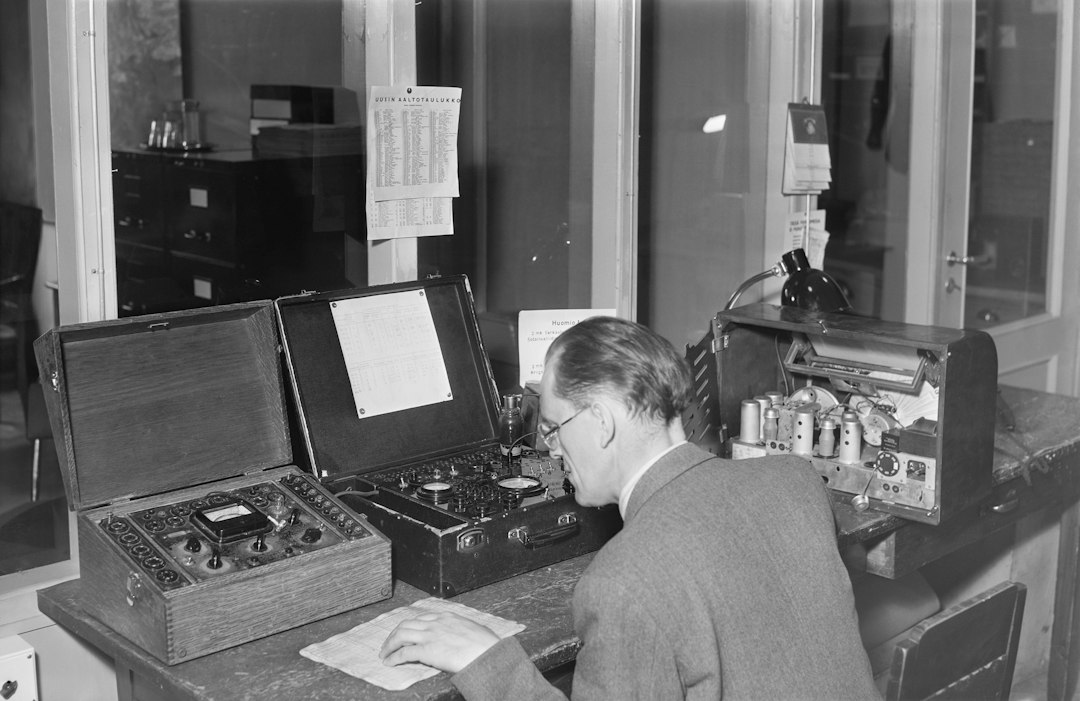
The Genesis of E-Paper: MIT’s Early Visions and Electrophoretic Dreams
The story of electronic paper, a display technology that mimics the appearance of ordinary ink on paper, is deeply intertwined with groundbreaking research conducted at the Massachusetts Institute of Technology (MIT). Long before the advent of ubiquitous e-readers and digital signage, visionaries at MIT were exploring fundamental principles that would eventually underpin this revolutionary display medium. Their early efforts were not solely focused on creating a consumer product, but rather on understanding and manipulating the physical and chemical properties of matter to achieve novel visual interfaces. This period was characterized by a relentless pursuit of knowledge, driven by a desire to transcend the limitations of existing display technologies and unlock new possibilities for information dissemination and interaction.
The core concept that would evolve into e-paper – the ability to create a stable, high-contrast visual representation using charged particles – had roots in early 20th-century scientific inquiry. However, it was in the latter half of the century, within the innovative ecosystem of MIT, that these abstract ideas began to coalesce into a tangible research agenda. The university’s commitment to interdisciplinary collaboration and its culture of encouraging ambitious, often seemingly improbable, projects provided fertile ground for such pioneering work. Researchers were not bound by immediate commercial pressures, allowing them the freedom to explore the fundamental science, experiment with different materials, and lay the theoretical groundwork for future advancements.
One of the key areas of exploration at MIT involved understanding the behavior of charged particles suspended in a fluid medium. The goal was to devise a system where these particles could be reliably moved and held in place by electric fields, thereby forming discernible images. This required not only a deep understanding of electrostatics and fluid dynamics but also a significant amount of materials science experimentation. The challenge was immense: achieving a bistable state, meaning the image would persist without continuous power, was crucial for true paper-like functionality. Furthermore, the particles needed to be stable, non-toxic, and capable of producing a wide tonal range to simulate the nuances of printed text and images. MIT’s laboratories became crucibles for this exploration, where hypotheses were tested, prototypes were built and dismantled, and incremental progress was painstakingly achieved. The early work was often characterized by a high degree of abstraction, focusing on the fundamental physics of electrophoretic displays rather than immediate application. This foundational research was critical, however, as it established the core principles that would guide subsequent development across the globe.
Electrophoretic Principles: The Heart of the Matter
The fundamental principle behind many forms of electronic paper is electrophoresis. This phenomenon involves the movement of charged particles through a fluid medium under the influence of an electric field. In the context of e-paper, researchers at MIT meticulously investigated how to control the movement of these charged microcapsules or particles to create visual displays. The idea was to have two types of particles, one positively charged and the other negatively charged, suspended within tiny capsules. When an electric field is applied, the charged particles would migrate to opposite sides of the capsule, creating a visible difference in color or reflectivity.
The success of electrophoretic displays hinges on achieving a bistable state. This means that once the particles are moved to their desired positions, they remain there without the need for continuous power. This characteristic is what truly differentiates e-paper from other display technologies like LCDs or OLEDs, which require constant energy input to maintain an image. MIT’s early research explored various methods to ensure this bistability, including the careful selection of particle materials, the viscosity of the suspending fluid, and the design of the capsule membranes themselves. The goal was to create a display that could hold an image for extended periods, consuming power only when the image needed to be changed. This inherently low power consumption was a significant driver of the early interest in electrophoretic technology for its potential in portable and battery-powered devices.
Materials Science and Particle Engineering
The efficacy of an electrophoretic display is directly proportional to the quality and behavior of the charged particles used. At MIT, considerable effort was dedicated to materials science and particle engineering. Researchers explored a vast array of pigmentations and chemical compositions for the electrophoretic particles. The ideal particle needed to be highly reflective for “white” states, intensely colored for “black” or other color states, and possess a stable electrical charge. Furthermore, these particles had to be micro-encapsulated to prevent clumping and ensure uniform distribution within the display medium.
The process of micro-encapsulation itself was a significant area of research. MIT teams investigated various techniques, including coacervation and interfacial polymerization, to create robust and precisely sized capsules that could withstand repeated electrical stimulation. The size and uniformity of these capsules were critical for achieving high resolution and image clarity. Tiny variations in capsule size or the charge distribution of the particles could lead to uneven pixel responses, ghosting, or a muddy visual appearance. This meticulous work in materials science laid the essential groundwork for creating a display that was not only functional but also visually appealing and durable. The selection of materials also had implications for the environmental impact and longevity of the display, factors that were increasingly considered as the research progressed.
The history of electronic paper technology is fascinating, showcasing the evolution of display technologies that aim to mimic the appearance of traditional paper. For a deeper understanding of this subject, you can explore a related article that delves into the advancements and implications of electronic paper in various fields. Check out this insightful piece at Freaky Science for more information on the topic.
The Evolution of E-Paper Architectures: From Single-Color to Dynamic Displays
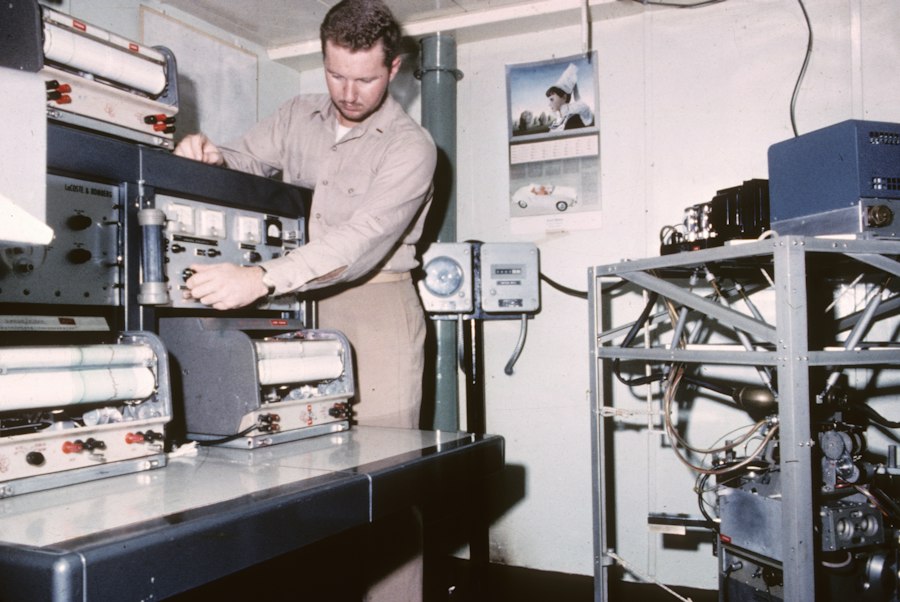
The initial breakthroughs at MIT were primarily focused on monochrome electronic paper. The goal was to replicate the simplicity and readability of black ink on white paper. However, as the technology matured and the fundamental principles were solidified, the research began to explore more complex display architectures. This evolution was driven by the desire to expand the capabilities of e-paper beyond basic text display, envisioning applications that required richer visual content and more dynamic interaction. The transition from monochrome to color, and from static images to more responsive displays, marked significant leaps in the technological roadmap.
This phase of development involved not only refining the electrophoretic particle systems but also innovating in the underlying electronic infrastructure that controlled them. The challenge was to create a flexible and addressable matrix that could precisely control the voltage applied to each individual pixel, thereby dictating the movement of charged particles within. This required advancements in thin-film transistor (TFT) technology and integrated circuit design, all while maintaining the low-power, bistable characteristics of the e-paper medium. The work at MIT during this period laid the foundation for the diverse range of e-paper applications we see today, from simple e-readers to sophisticated digital signage and even flexible electronic devices.
Towards Color and Full Graphics
The quest for color electronic paper presented a significant challenge. Initially, researchers explored additive and subtractive color mixing methods using different colored electrophoretic particles. However, achieving a wide color gamut and high contrast in a bistable manner proved to be a complex undertaking. MIT’s contributions in this area involved investigating novel particle compositions and encapsulation techniques that could produce vibrant and saturated colors while maintaining the electrophoretic principles.
One approach involved using three types of particles, each representing a primary color (cyan, magenta, yellow), or a combination of white and colored particles. By selectively activating specific particles with electric fields, different colors could be generated. Another avenue explored was the use of multi-layered displays, where each layer contained different colored particles, and an overall image was formed by combining the colors from these layers. The development of full-graphics capabilities also necessitated improvements in the display’s refresh rate and addressing scheme. Moving from simple character-based displays to rendering complex images and even animations required more sophisticated control electronics and faster particle response times. The researchers at MIT worked on optimizing the electrical waveforms and the physical arrangement of electrodes to achieve these more dynamic and visually rich displays.
Enhanced Refresh Rates and Interactivity
A key limitation of early e-paper technology was its relatively slow refresh rate, making it unsuitable for applications requiring rapid image changes. MIT’s research aimed to overcome this by exploring methods to accelerate the movement of electrophoretic particles and reduce the time required for an image to stabilize. This involved optimizing the dielectric properties of the suspending fluid, the surface tension of the capsules, and the design of the electrodes to generate stronger and more focused electric fields.
Furthermore, the concept of interactivity was also a significant area of focus. As the display technology evolved, so did the desire to create devices that could respond to user input. This led to research into integrating touch-sensing capabilities with e-paper displays. The challenge was to create a touch layer that was thin, transparent, and did not interfere with the electrophoretic imaging process. MIT’s interdisciplinary approach facilitated collaboration between display engineers, materials scientists, and computer scientists to develop integrated solutions that combined the visual appeal of e-paper with the functionality of interactive devices. This groundwork was crucial for the development of early e-readers and other touch-enabled e-paper devices that would later emerge.
Bridging Research to Application: MIT’s Role in E-Paper Commercialization
While MIT’s primary mandate is fundamental research and education, its groundbreaking work in electronic paper inevitably paved the way for its eventual commercialization. The university’s role was not necessarily in direct manufacturing, but rather in fostering the environment, conducting the foundational research, and often, spinning off technologies and expertise that would fuel the nascent industry. The intellectual property generated through MIT’s research was licensed to emerging companies, and many of its researchers went on to found or join startups focused on bringing e-paper technology to market.
This transition from laboratory curiosity to commercially viable product is a complex process, often requiring significant investment, engineering refinement, and market validation. MIT’s contributions were critical in providing the essential scientific and technological bedrock upon which these commercial ventures could be built. The university’s influence extended beyond patents and licenses, shaping the very understanding of what e-paper could be and inspiring a new generation of engineers and entrepreneurs to pursue its potential. The collaborative spirit fostered at MIT also encouraged partnerships between academic researchers and industry, facilitating the transfer of knowledge and accelerating the path to market.
The history of electronic paper at MIT is a fascinating journey that showcases the evolution of display technology and its impact on various fields. For those interested in exploring this topic further, a related article can be found at Freaky Science, which delves into the advancements in electronic materials and their applications in modern devices. This resource provides valuable insights into how innovations in electronic paper are shaping the future of reading and information consumption.
Licensing and Spin-offs
The intellectual property stemming from MIT’s research into electrophoretic displays was a valuable asset. The university actively pursued patenting its innovations, securing the rights to novel materials, display architectures, and manufacturing processes. These patents were then licensed to established companies and burgeoning startups, providing them with the legal framework to develop and market e-paper products. This licensing model allowed MIT to recoup its research investment and reinvest in future projects, while also ensuring that its innovations found practical application.
Several spin-off companies were directly or indirectly influenced by MIT’s e-paper research. These startups often comprised former graduate students and faculty members who possessed deep expertise in the technology. They played a crucial role in translating laboratory prototypes into mass-producible devices, navigating the challenges of manufacturing, supply chains, and market adoption. The success of these spin-offs demonstrated the real-world applicability of MIT’s theoretical work and contributed to the growing ecosystem of e-paper development.
Inspiring Industry Adoption and Standards
Beyond direct licensing and spin-offs, MIT’s research had a profound impact on the broader industry by establishing benchmarks and inspiring confidence in the potential of e-paper. The rigorous scientific validation of the technology, coupled with the clear demonstration of its unique advantages – such as low power consumption and paper-like readability – encouraged established companies to invest in e-paper research and development. This led to a wider adoption of the technology across various sectors, from consumer electronics to industrial applications.
MIT’s research also contributed to the establishment of industry standards. As the technology matured, there was a growing need for consistent performance metrics and interoperability. The foundational work done at MIT, often published in peer-reviewed journals and presented at international conferences, helped to inform and shape these emerging standards. This collaborative approach to knowledge dissemination was instrumental in fostering a healthy and growing e-paper market, ensuring that products from different manufacturers could coexist and interoperate, benefiting consumers and driving further innovation.
The Enduring Legacy: MIT’s Influence on Modern Display Technology
The innovations pioneered at MIT in the field of electronic paper have left an indelible mark on the landscape of display technology. While the direct development of commercial e-reader devices may have been spearheaded by other entities, the foundational scientific principles, materials science breakthroughs, and architectural concepts that originated from MIT continue to resonate. The university’s commitment to exploring the fundamental science of light, matter, and electricity has provided the bedrock for a technology that has revolutionized how we consume information and interact with the digital world.
The enduring legacy of MIT’s e-paper research is evident in the continued evolution of the technology. Researchers worldwide build upon the principles first explored in MIT labs, pushing the boundaries of color saturation, refresh rates, and durability. The low-power, paper-like characteristics that were so central to the initial vision remain highly sought after, finding applications in an ever-expanding array of devices. MIT’s contribution, therefore, is not just a historical footnote but a living testament to the power of sustained, fundamental research to shape the future of technology.
Impact on E-readers and Beyond
The most visible impact of MIT’s e-paper research is undoubtedly on the e-reader market. Devices that offer a reading experience akin to paper, with no backlight glare and long battery life, are a direct descendant of the early electrophoretic concepts explored at the university. However, the influence extends far beyond personal reading devices. The principles of bistable, low-power displays are now being applied in a wide range of applications, including:
- Digital Signage: E-paper displays offer energy-efficient and highly visible signage solutions for retail, transportation, and public spaces.
- Smart Cards and Wearables: The ability to display information on small, low-power screens makes e-paper ideal for smart cards, fitness trackers, and other wearable technology.
- Industrial and Logistics Labels: Reusable and dynamic electronic shelf labels and logistics tags are transforming inventory management and retail operations.
- Architectural Displays and Art Installations: The unique aesthetic and low power consumption of e-paper are inspiring creative applications in architecture and art.
MIT’s foundational work has enabled this diversification by proving the core viability and inherent advantages of the technology.
Future Frontiers: Continued Innovation and New Possibilities
The spirit of innovation that characterized MIT’s early e-paper research continues to drive exploration into new frontiers. Current and future research efforts are focused on addressing remaining challenges and unlocking even greater potential:
- Enhanced Color Performance: Continued refinement of particle engineering and display architectures to achieve richer, more vibrant, and wider color gamuts.
- Faster Refresh Rates and Smoother Animation: Developing techniques to further accelerate particle movement for more dynamic content and smoother video playback.
- Flexible and Conformable Displays: Exploring novel materials and encapsulation methods to create truly flexible and rollable e-paper displays that can conform to curved surfaces.
- Integration with Other Technologies: Combining e-paper with other emerging technologies, such as printed electronics, sensors, and advanced materials, to create novel functionalities and integrated systems.
- Sustainability and Environmental Impact: Developing more eco-friendly manufacturing processes and materials for e-paper production.
MIT’s legacy is one of persistent inquiry and a commitment to pushing the boundaries of what is possible. The seeds of innovation sown in its laboratories continue to sprout, promising a future where electronic paper plays an even more integral role in how we interact with information and the world around us. The relentless pursuit of a better display, one that is both functional and beautiful, remains a driving force, inspired by the pioneering spirit of those who first dreamed of it at MIT.

Why Your Kindle Screen Doesn’t Work the Way You Think
FAQs
What is MIT electronic paper?
MIT electronic paper, also known as e-paper, is a display technology that mimics the appearance of ink on paper. It is designed to be easily readable in various lighting conditions and does not require a backlight.
When was MIT electronic paper first developed?
MIT electronic paper was first developed in the 1970s by researchers at the Massachusetts Institute of Technology. The technology has since evolved and been used in various e-reader devices.
How does MIT electronic paper work?
MIT electronic paper works by using tiny microcapsules filled with positively charged white particles and negatively charged black particles. When an electric field is applied, the particles move to the top of the microcapsules, creating the appearance of text or images.
What are the advantages of MIT electronic paper?
Some advantages of MIT electronic paper include low power consumption, high readability in sunlight, flexibility, and the ability to retain an image without power. These features make it ideal for e-readers and other portable devices.
What are some notable applications of MIT electronic paper?
MIT electronic paper has been used in e-reader devices such as the Amazon Kindle, as well as in digital signage, smart cards, and electronic shelf labels. Its low power consumption and high readability make it a popular choice for various applications.