The Canvas of Tomorrow: E Ink’s Evolution Beyond the Page
The scent of old paper, the satisfying heft of a well-bound book, the subtle shimmer of ink on parchment – these sensory experiences have long been synonymous with reading and appreciating art. Yet, the digital age has ushered in a new era, one where information and imagery are increasingly consumed through screens. While electronic displays have offered convenience and portability, they have often fallen short in replicating the comfort and aesthetic appeal of physical mediums. Enter E Ink, a pioneering technology that has steadily refined its approach to digital displays, transforming from a niche solution for e-readers to a compelling contender for a broader spectrum of visual experiences. The E Ink Gallery Display represents a significant leap forward in this evolution, promising to revolutionize not only how we read but also how we engage with digital art.
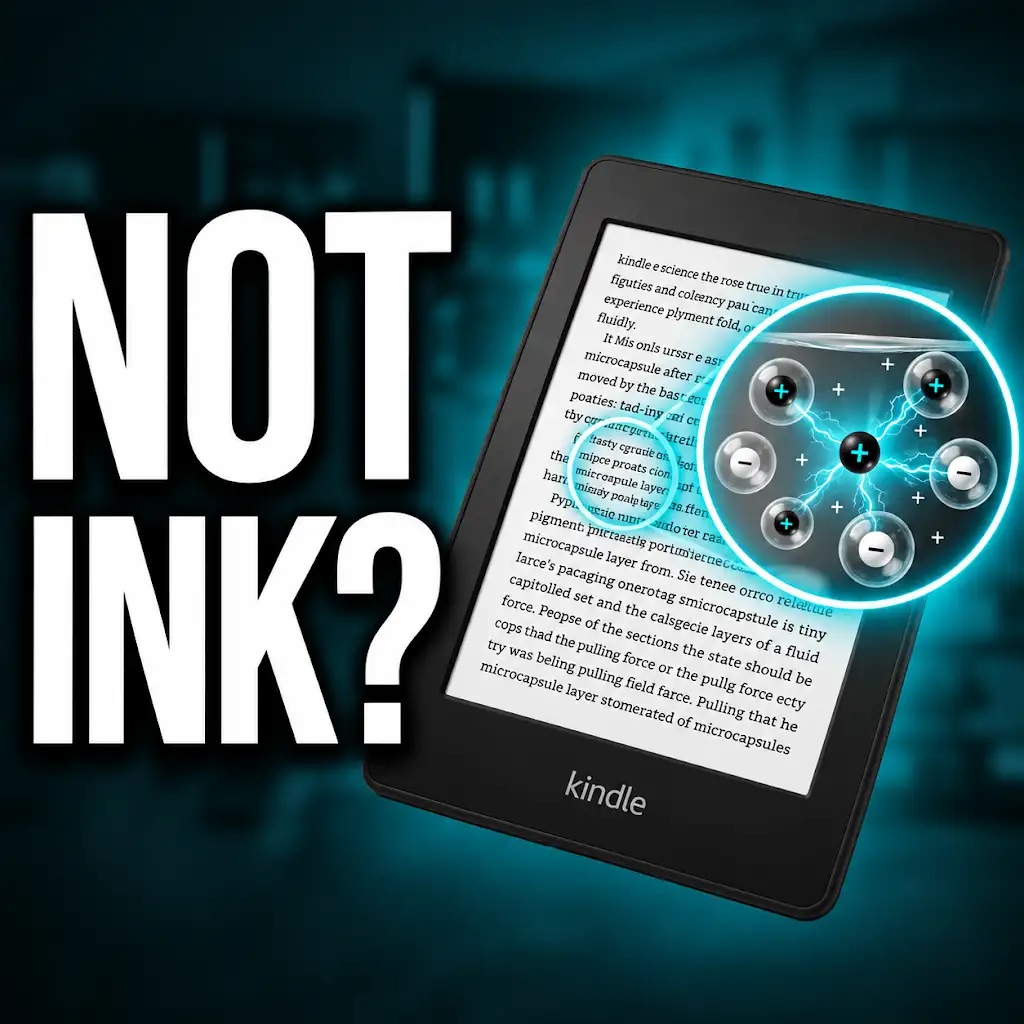
The core innovation of E Ink lies in its electrophoretic display technology. Unlike the backlit LCD and OLED screens that emit light directly, E Ink screens mimic the appearance of reflected light, much like traditional ink on paper. This is achieved through microcapsules containing positively and negatively charged black and white particles suspended in a fluid. Applying an electric field causes these particles to move to the surface, forming images and text. The result is a display that is exceptionally easy on the eyes, with no glare and a static image that consumes minimal power. For years, this technology was primarily associated with e-readers like the Kindle, celebrated for its paper-like readability and long battery life. However, the limitations of early E Ink displays – slow refresh rates and a monochromatic palette – confined its applications. The E Ink Gallery Display shatters these limitations, showcasing a vibrant future for digital visual media.
E Ink technology has revolutionized the way we interact with displays, particularly in the realm of gallery displays where art meets innovation. For those interested in exploring the latest advancements and applications of E Ink in various fields, a related article can be found at Freaky Science. This article delves into the unique features of E Ink displays and their potential to enhance visual experiences in both artistic and practical contexts.
Bridging the Gap: E Ink’s Journey to Full Color and Dynamic Updates

The path to the E Ink Gallery Display has been paved with incremental yet crucial technological advancements. Early E Ink screens were monochromatic, offering only black and white, and their refresh rates were too slow for anything beyond static text. This presented a significant barrier to widespread adoption in applications requiring dynamic content or full-color reproduction. However, E Ink’s relentless research and development have steadily addressed these challenges. The introduction of color E Ink, while initially facing its own set of hurdles, marked a pivotal moment. These early color E Ink displays employed filters to create a limited color gamut, often resulting in muted tones and a perceived reduction in sharpness compared to their monochrome counterparts. The slow refresh rates also persisted, making video playback and rapid animation impractical.
The Breakthrough of Advanced Color Pigments and Microencapsulation
The true revolution came with the development of advanced color pigment technologies and refined microencapsulation techniques. Instead of relying solely on filters, newer generations of E Ink displays embed color pigments directly within the microcapsules. This allows for a much richer and more vibrant color palette, approaching the fidelity of traditional print. Furthermore, significant improvements in the speed at which the charged particles can be moved and settled have drastically reduced refresh times. While not yet on par with the instantaneous response of OLEDs, these advancements are sufficient to support a much wider range of visual content, including animated elements and smoother transitions. This leap in color and speed is fundamental to the capabilities of the E Ink Gallery Display, opening up possibilities that were previously confined to backlit technologies. The ability to present dynamic, full-color content without the inherent eye strain of backlighting is a game-changer, positioning E Ink as a serious contender in new market segments.
Overcoming Refresh Rate Limitations for Engaging Content
A persistent challenge for E Ink technology has been its refresh rate. The physical movement of particles within the microcapsules inherently takes longer than the electronic switching of pixels in LCD or OLED displays. For simple text, this is not an issue as the image is static once rendered. However, for applications requiring frequent updates, animations, or video, slow refresh rates can lead to a noticeable “ghosting” effect and a choppy user experience. The E Ink Gallery Display has made significant strides in addressing this. Through algorithmic optimizations and hardware enhancements, the time it takes for the display to clear previous content and render new content has been dramatically reduced. This allows for smoother scrolling of web pages, more fluid transitions in digital art, and the possibility of incorporating subtle animations that enhance user engagement without compromising the core benefits of E Ink. The goal is not to compete with high-refresh-rate gaming monitors, but to provide a visually comfortable and engaging experience for the intended applications, and the Gallery Display achieves this by finding a critical balance.
The E Ink Gallery Display: Redefining Digital Reading Experiences
The most immediate and perhaps most profound impact of the E Ink Gallery Display will be on the world of digital reading. For years, e-readers have offered a compelling alternative to physical books, but they have also come with compromises. The monochrome nature of most e-readers, while excellent for text, has been a significant limitation for illustrated books, magazines, and academic texts that rely on visuals. The E Ink Gallery Display, with its full-color capabilities and improved refresh rates, promises to bridge this gap and elevate the digital reading experience to new heights.
Beyond Text: Illustrated Books and Magazines Come Alive
Imagine reading a children’s book with vibrant, true-to-life illustrations, or browsing a photography magazine where every image is rendered with rich color and detail. The E Ink Gallery Display makes this a reality. Its ability to display a wide spectrum of colors means that publishers can now confidently create digital editions that are visually as appealing as their print counterparts. This opens up new avenues for digital content creation, allowing for richer storytelling and more engaging educational materials. Textbooks can incorporate detailed diagrams and charts in full color, and travel guides can showcase destinations with photographs that truly capture their essence. The immersive quality of reading on a color E Ink display, combined with its paper-like aesthetic, creates a reading experience that is both visually stimulating and remarkably comfortable.
Enhanced Scholarly and Professional Publications
The benefits extend beyond leisure reading to encompass scholarly and professional publications. Complex scientific journals, technical manuals, and architectural blueprints often rely heavily on color-coded diagrams, charts, and images to convey critical information. Traditional e-readers struggle to present these effectively, forcing readers to switch between devices or rely on less-than-ideal monochrome representations. The E Ink Gallery Display, with its accurate color reproduction and sharp resolution, ensures that such vital visual data is presented clearly and precisely. This can lead to improved comprehension, reduced errors, and a more efficient workflow for researchers, engineers, medical professionals, and anyone who relies on detailed visual information in their work. The ability to read and annotate these documents on a glare-free, eye-friendly display further enhances productivity and comfort.
The Art World’s New Canvas: Digital Art Exhibits Reimagined
The applications of the E Ink Gallery Display extend far beyond the realm of text. Its unique characteristics make it an ideal medium for showcasing digital art, offering a compelling alternative to traditional backlit screens and printed canvases. The art world, with its emphasis on visual fidelity, subtle nuances, and the overall viewing experience, stands to benefit immensely from this innovative display technology.
Preserving the Aesthetic of Physical Art with Digital Ease
One of the primary challenges in displaying digital art has been the inherent difference in viewing experience between a luminous screen and a physical artwork. Backlit displays, while capable of producing brilliant colors, can create glare and lack the textured, matte finish that is characteristic of traditional paintings and prints. The E Ink Gallery Display, with its reflective nature, closely mimics the appearance of ink on paper or pigment on canvas. This allows digital artists to present their work in a way that is more akin to a physical exhibition, preserving the subtle tonal variations and the absence of direct light emission that contributes to a more natural and immersive viewing experience. The ability to display art with a low power footprint also opens up possibilities for more sustainable and flexible exhibition designs.
Dynamic Exhibitions and Interactive Art Installations
The improved refresh rates and color capabilities of the E Ink Gallery Display also unlock new possibilities for dynamic and interactive art installations. Artists can now create works that evolve over time, with subtle color shifts, animated elements, or responsive changes based on viewer interaction or environmental factors. Imagine an artwork that gradually changes its color palette with the passing of the day, or an interactive piece where the viewer’s presence influences the imagery displayed. These capabilities allow for a deeper engagement with the art, transforming static displays into living, breathing entities. The inherent energy efficiency of E Ink also makes it suitable for long-duration installations without the concerns of excessive heat generation or high power consumption associated with other display technologies.
Retail and Advertising: Captivating Displays with Reduced Environmental Impact
Beyond galleries and personal viewing, the E Ink Gallery Display offers compelling advantages for retail and advertising applications. Traditional digital signage often relies on bright, backlit screens that can be energy-intensive and contribute to light pollution. The E Ink Gallery Display provides a visually appealing and eye-catching alternative that consumes significantly less power, especially when displaying static or infrequently changing content. This is particularly beneficial for electronic shelf labels, point-of-sale displays, and advertising boards that require clear, readable information with the added allure of color. The reduced energy consumption translates to lower operational costs and a more environmentally sustainable solution for businesses looking to enhance their visual merchandising and advertising efforts. The ability to update content remotely and efficiently further adds to the practicality of E Ink displays in these dynamic commercial environments.
E Ink technology has revolutionized the way we interact with displays, particularly in the realm of digital signage and gallery displays. For those interested in exploring the latest advancements in this field, a related article can be found at Freaky Science, which delves into the benefits and applications of E Ink in various industries. This innovative technology not only enhances visual appeal but also offers energy efficiency, making it a popular choice for modern displays.
The Future Landscape: E Ink’s Continued Integration and Innovation
| Metric | Value | Unit | Description |
|---|---|---|---|
| Display Size | 13.3 | inches | Diagonal measurement of the e-ink gallery display |
| Resolution | 2200 x 1650 | pixels | Number of pixels horizontally and vertically |
| Pixel Density | 207 | ppi | Pixels per inch, indicating display sharpness |
| Refresh Rate | 1 | Hz | Typical refresh rate for e-ink displays |
| Color Capability | Monochrome | – | Display supports black and white only |
| Contrast Ratio | 10:1 | – | Ratio of luminance between white and black pixels |
| Power Consumption | 0.5 | W | Typical power usage during refresh |
| Viewing Angle | 180 | degrees | Maximum angle at which display is readable |
| Operating Temperature | 0 to 40 | °C | Recommended temperature range for optimal performance |
| Weight | 350 | grams | Weight of the e-ink gallery display unit |
The E Ink Gallery Display is not merely a product; it represents a significant step in the ongoing evolution of display technology. Its success in overcoming previous limitations of color and refresh rate positions it as a versatile and powerful tool with the potential to permeate various aspects of our digital lives. The trajectory of E Ink suggests a future where its unique advantages will be leveraged in increasingly diverse and innovative ways, moving beyond dedicated reading devices and specialized art displays.
Smart Environments and Ubiquitous Information Displays
The future envisions E Ink technology seamlessly integrated into our built environments. Imagine smart city infrastructure where public transportation schedules and information boards are displayed on E Ink panels, seamlessly blending into the urban landscape without emitting distracting light. Homes could feature E Ink “smart mirrors” that display news, weather, and personal reminders, or dynamic art pieces that adapt to the mood or time of day. The low power consumption of E Ink makes it ideal for these always-on, context-aware displays that are designed to inform and assist without being obtrusive. This ubiquitous integration will transform how we access and interact with information in our daily lives, making it more natural and less intrusive.
Enhancing Productivity and Well-being Through Thoughtful Design
The core strength of E Ink lies in its ability to provide a visually comfortable and non-emissive viewing experience. This characteristic is crucial for enhancing productivity and promoting well-being in a world increasingly saturated with screen time. As the technology continues to advance, we can expect to see E Ink displays integrated into a wider array of professional tools, from medical devices that require clear, low-glare readings to industrial equipment displays that are easily readable in varying lighting conditions. The emphasis on reducing eye strain and cognitive load will be a key driver for its adoption in these critical applications. The inherent simplicity and focus on content clarity offered by E Ink can foster a more mindful and less distracting interaction with digital information, contributing to a healthier relationship with technology.
The Ever-Expanding Horizon of E Ink Possibilities
The journey of E Ink is far from over. Ongoing research into even faster refresh rates, expanded color gamuts, and new form factors will continue to push the boundaries of what is possible. From flexible and foldable displays to transparent and haptic E Ink surfaces, the future holds immense promise. As the technology matures and becomes more accessible, its adoption will likely accelerate, challenging the dominance of traditional backlit displays in a growing number of applications. The E Ink Gallery Display is a testament to this continuous innovation, offering a glimpse into a future where digital content can be experienced with the comfort, clarity, and aesthetic appeal that has long been associated with physical media, revolutionizing both how we consume information and how we engage with the visual world around us. The potential applications are vast and continue to expand, promising a more visually comfortable and aesthetically pleasing digital future.
Why Your Kindle Screen Doesn’t Work the Way You Think
FAQs
What is an e ink gallery display?
An e ink gallery display is a type of electronic paper technology that mimics the appearance of traditional ink on paper. It is commonly used in e-readers and digital signage due to its low power consumption and high readability.
How does an e ink gallery display work?
An e ink gallery display works by using tiny microcapsules filled with positively charged white particles and negatively charged black particles. When an electric field is applied, the particles move to the top of the microcapsules, creating the desired image or text.
What are the advantages of using an e ink gallery display?
Some advantages of using an e ink gallery display include low power consumption, high readability even in direct sunlight, and the ability to maintain an image without power. It also provides a paper-like viewing experience, reducing eye strain.
Can an e ink gallery display show color images?
Most e ink gallery displays are monochromatic, displaying images in black and white. However, there are some e ink displays that can show limited color images by using color filters or incorporating color pigments into the microcapsules.
Where are e ink gallery displays commonly used?
E ink gallery displays are commonly used in e-readers, electronic shelf labels, digital signage, and smartwatches. They are also popular in applications where low power consumption and high readability are essential.